
Did the EU decision on visa liberalization for Kosovo come at the right time?
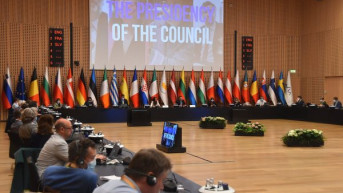
On March 9, the Council of Ministers of the European Union adopted a decision on visa-free travel to EU member states for holders of passports issued by Kosovo. In the statement issued after the meeting, it is added that this decision should be adopted by the European Parliament before it was signed and that it would come into force on January 1, 2024. According to analysts, this move could be interpreted in completely different ways, because it had come at a time when Pristina still refused to implement the obligation on the Community of Serb-majority Municipalities, which was a necessary condition for continuing the dialogue.
Diplomat Zoran Milivojevic in an interview for Kosovo Online says that a clear message has been sent and that Serbia should not have any illusions that the goals of Brussels, the EU, and Pristina are basically the same.
"At the forefront is the attempt to confirm the statehood of Kosovo and to impose it, regardless of all standards and norms. So, when it comes to visa liberalization, but also about anything else that is offered and approved to Kosovo, it is all on the line of trying to revive that project of an independent Kosovo and to impose it, even if by force and beyond all those values on which the EU, at least declaratively, rests," Milivojevic points out.
He adds that it is clear that the EU applies double standards, beyond its norms.
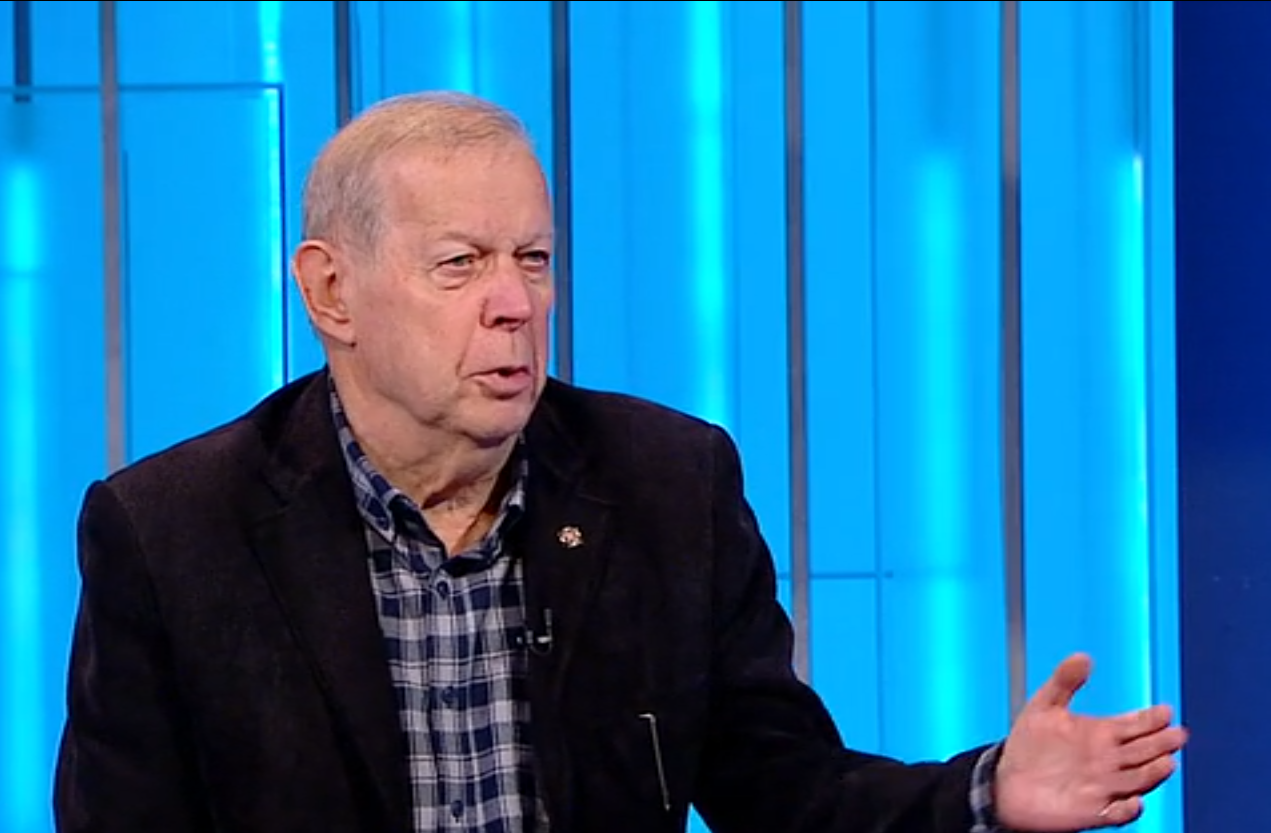
"I think that Serbia has absolutely no illusions anymore. Thus Serbia's insistence on what was previously achieved - I mean the agreement on the CSM. This has been brought to the fore and represents a condition without which negotiations cannot proceed, regardless of Serbia's goodwill and constructiveness to seek a compromise solution and preserve peace and stability," Milivojevic says.
He assesses that the EU uses every opportunity to deny its own claims about the existence of goodwill and sincere intentions to solve the problem in Kosovo.
"Granting visa liberalization to Kosovo in fact confirms what we are facing now, which is the pressure on Serbia to impose a solution according to this European plan at any cost, which of course does not suit Serbia because it goes toward the attempt to confirm Kosovo's statehood," Milivojevic believes.
He notes that it is indicative that the introduction of visa liberalization is tied to January 1, 2024, when the EU has planned the final solution to the Kosovo issue, in a way that corresponds to the strategic goals of Pristina and the Western power centers.
"Now we see that the application of so-called Kosovo for accession to the EU, the Council of Europe, and the attempt to complete it is not a coincidence," Milivojevic concludes.
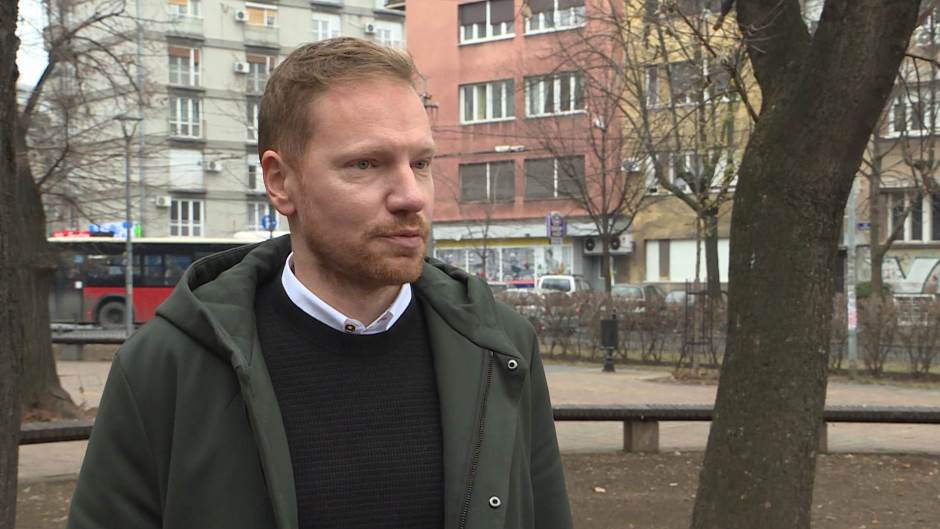
Milan Antonijevic, a lawyer and prominent activist of the non-governmental sector, believes that visa liberalization for Kosovo should, first of all, be seen as a benefit for all people living in those areas, and not as a reward for the non-cooperation of Pristina when it comes to the implementation of the Brussels Agreement and the formation of the Community Serb-majority municipalities.
In a statement for Kosovo Online, he expressed his belief that the visa-free regime would solve the issue of people who had Serbian passports and lived on the territory of Kosovo.
"The visa-free regime is something that everyone will benefit from, even those who live in the north and have our passports. I believe that this problem will also be solved in this process. So I don't think it's bad news, on the contrary, I think that any important demonstration of what European integration brings to the region, even in moments when Pristina is not cooperating regarding the Community of Serb-majority Municipalities at the moment and with some further negotiations. I think that is something that the entire region can benefit from," Antonijevic said.
He reminded that the abolition of visas to Serbia had contributed to the young people in the country to understand, as he says, what the values, granted by the European Union are.
Antonijevic points out that the inclusion of Kosovo in the visa-free regime will contribute to better cooperation in the region and start economic processes.
Abolition of visas will bring everything that those who live in Kosovo can benefit from, regardless of what their national identity is and regardless of how they view the frozen conflict that exists at the moment," he assesses.
Antonijevic rejects the thesis that the visa-free regime can be interpreted as a reward for Pristina's "disobedience", stating that this decision was made earlier.
"I would by no means say that this was a strengthening of the position of not going further in the negotiations. On the contrary, the EU knows very well what is in their interest, and that is, first of all, ending the frozen conflict in the territory that is in the middle of Europe and which must not be a future focal point," he said.
He concludes that this decision by Brussels was aimed at extinguishing the hotspots in the Balkans, and not at rewarding some "stubbornness or non-constructiveness" on the part of Kosovo.

0 comments