
Deadlines without a timetable: What else needs to happen to reach a legally binding agreement?
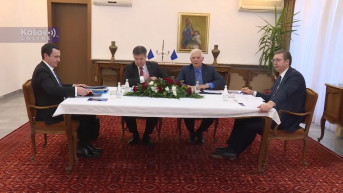
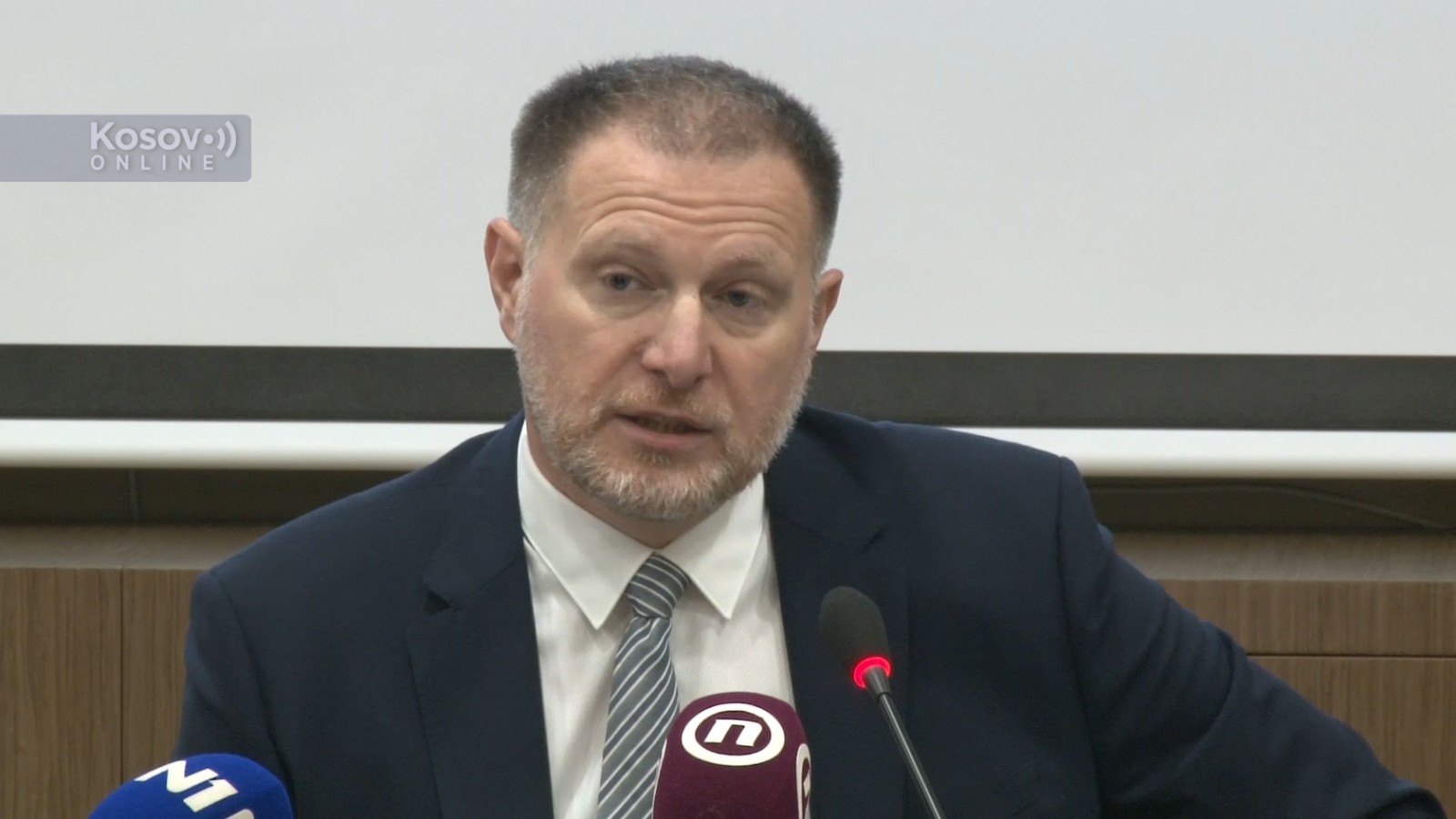
Both Brussels and Washington wish for the normalization of relations between Serbia and Kosovo to be completed by the end of this year, and the coordinator of the Working Group of the National Convention on the EU for Chapter 35, Dragisa Mijacic, explains for Kosovo Online that this refers to the implementation of the European transitional plan, and not to the final legally binding agreement between Serbia and Kosovo.
The European mediator in the dialogue, Miroslav Lajcak, said on Tuesday that the desire was for the process of normalization of relations between Serbia and Kosovo to be completed during the current mandate of the European and American administrations because elections in the EU and the US were coming the following year.
And the US Special Envoy for the Western Balkans, Gabriel Escobar, said a few days ago that he would like an agreement on normalization to be reached this calendar year, and that he thought it was possible.
"The agreement that was recently accepted in Brussels and whose implementation modalities were agreed in Ohrid do not refer to the final but to the transitional plan on normalization that will be in force until a final and comprehensive plan is reached. The implementation of this agreement will depend on political will and other parties. The key issue is the organization of elections in the north of Kosovo and the formation of the CSM, if this does not happen - there will probably be no implementation of the other provisions either. The challenge in implementation is certainly represented by the elections for the European Parliament and the presidential elections in America when the focus will be reduced to dialogue between Belgrade and Pristina. Lajcak's statement should be interpreted in that context," Mijacic says for our portal.
Although the Prime Minister of Kosovo, Albin Kurti, has often stated that he was "very optimistic" that the final agreement with Serbia would be reached this year, which according to him implies mutual recognition, Mijacic says that Kurti hoped for recognition even now, but that nothing has come of it, and that soon there will be no new negotiations, but only monitoring of the implementation of what was signed.
"The final agreement is not in focus. The final legally binding agreement will include all open issues between Serbia and Kosovo, including possible recognition from Serbia. Bearing in mind Serbia's position on the status of Kosovo, drafting such a document is not on the agenda. As things stand, the final comprehensive agreement will be reached immediately before Serbia's entry into the EU, which will certainly not happen soon. Serbia has made it clear that it will not recognize Kosovo, so no one will deal with it at this moment," Mijacic says.
If you look at the European proposal and its annex, the EU's "schedule" for this year includes - the adoption of the Declaration on the Missing persons, the issue of self-governance of the Serbian community, the status of the Serbian Orthodox Church, opening the way for Kosovo to become a member of international organizations, mutual recognition of documents...
Mijacic says that negotiations on other issues will not be started now, especially not until those that are part of the European proposal are implemented because there will be a lot of work. The idea, he says, is to normalize relations to the extent that the region can move on.
Political analyst Shkelzen Maliqi tells Kosovo Online that the implementation of the agreement from Brussels is somewhat time-bound, although not fixed, but that now there are instruments of control, that is, committees that should be established to monitor the implementation.
"There is a deadline for certain things and self-governance for the CSM to be defined in a certain period, for a donor conference to be held... Some things have only been set in principle, which means a period of permanent talks and dosing deadlines. But even those agreements that were reached ten years ago should start to be realized as it was intended," Maliqi says.
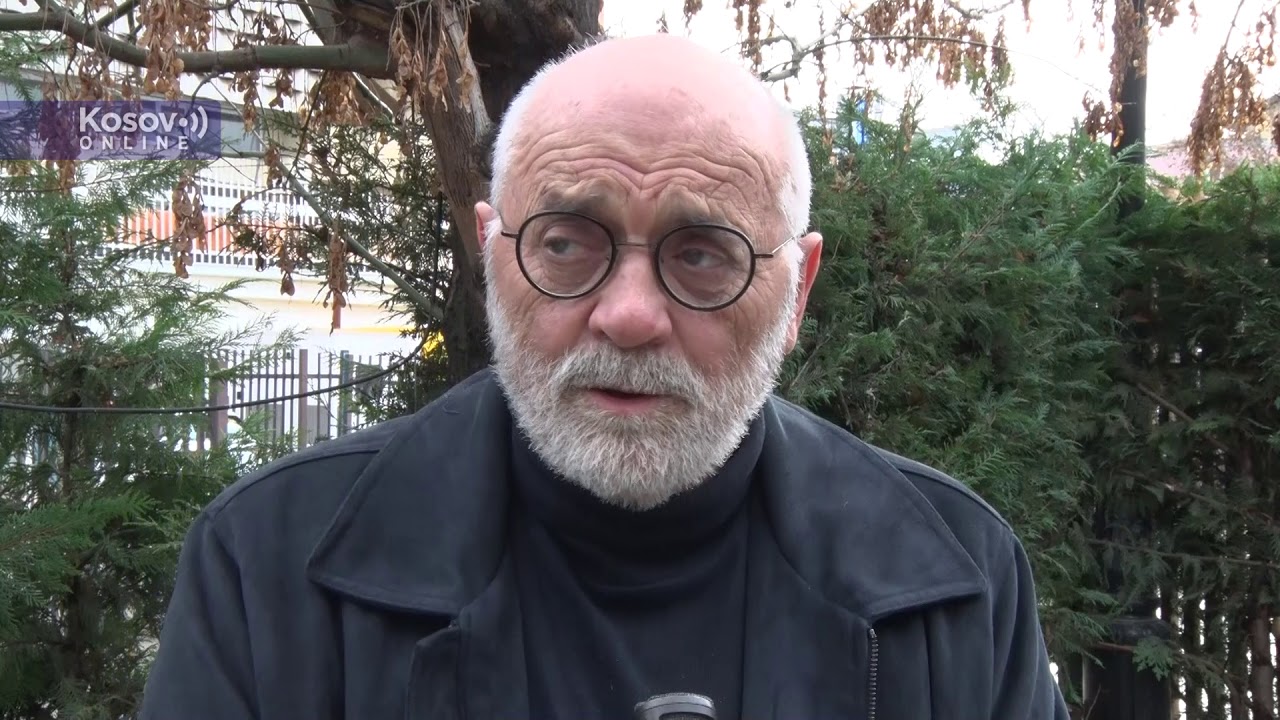
The biggest problem, as he assesses, is the CSM.
"There you have to see which model is the best. We know that before Ohrid, Lajcak brought Kurti an overview of various autonomies and self-governments that would serve as inspiration for the CSM. I think that there are more than 30 agreements that need to be implemented, but is the formation of the CSM the only priority? Therefore, the parties should show, as far as I understand, goodwill and start this process, and I am not sure how it will be realized," Maliq adds.
However, he says that this is now a positive process and that it started from where it was because it didn't work for ten years since everything was left only to the actors while the European community did nothing and had no way to pressure them.
"I think it is necessary to start with concrete things so that we do not return to crises, regarding license plates, documents... This is a positive step, and in some way, Kurti and Belgrade have come back down to earth," Maliqi believes.


0 comments