
The European proposal does not guarantee Pristina new recognitions
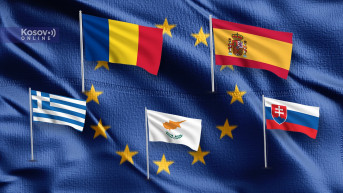
Until it was published, the European plan for the normalization of relations between Serbia and Kosovo gave hope to Pristina that it would mark a turning point in the attitudes of European Union members who do not recognize Kosovo. When the proposal became official, expectations subsided somewhat, and political scientist Ognjen Gogic tells Kosovo Online that this document is not enough for the five EU members to change their position and recognize Kosovo.
On the same day that the European proposal was presented to Serbian President Aleksandar Vucic and Kosovo Prime Minister Albin Kurti in Brussels, Spanish Ambassador to Serbia Raul Bartolome Molina said that Spain continued to respect the territorial integrity and sovereignty of Serbia, in accordance with international law, while Romania, the second from this non-recognizing five, confirmed after that round of dialogue that it was not changing her position.
"Romania did not recognize the unilateral declaration of independence of Kosovo and that position remained the same," the Ministry of Foreign Affairs of that country said.
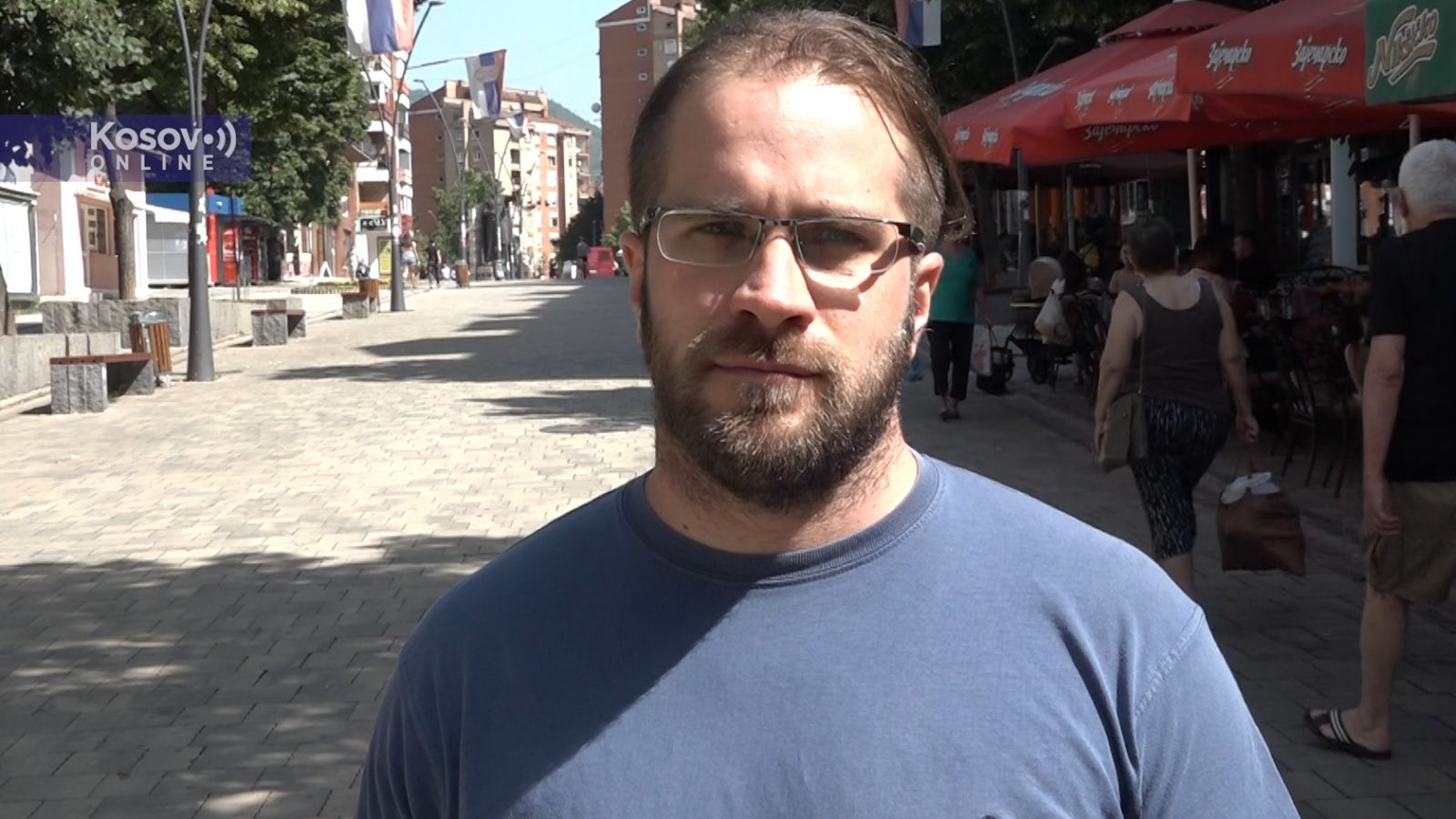
Political scientist Gogic says that he believes that the main motive of Kosovo to accept the European proposal is precisely the expectation, and perhaps a promise from someone, that with this agreement, they will get some new recognition.
"Kosovo knows that it will not receive recognition from Serbia, which would be the most important thing for them. So the second desired outcome for Kosovo is that at least these five non-recognizing countries in the EU recognize it. Also, those countries, except for Cyprus, are also in NATO and they prevent Kosovo's entry into the Alliance. That is why Kosovo hopes that this will be the outcome of this agreement, and the second question is how realistic it is. First of all, it is not clear whether this document that was published was accepted. If it is accepted - in what way? There is no signature and now it is talked more and more about the implementation plan. When someone looks from the side, it seems that the plan is not definitely accepted. Therefore, this is not enough for these non-recognizing countries to change the decision and recognize Kosovo," Gogic says.
He points out that, above all, the five EU members are afraid of a precedent, that is, that the separatist movements that exist in those countries could be invoked, for example in Kosovo.
"In order for them to recognize Kosovo, they need that to no longer be a precedent, and that would not be a precedent if Serbia would recognize Kosovo. The minimum they would need is to reach a legally binding agreement that would be ratified by the assemblies of Serbia and Kosovo. And this agreement is not that. It looks like some kind of political declaration and does not imply a signature, and does not seem to involve ratification. Thirdly, the preamble of the agreement states that different views on the status are maintained, that is, that the status is not resolved, and further states that it is not a final agreement. When all this is taken into account, it is unlikely that these five EU countries, whether that document is accepted or not, will recognize Kosovo," Gogic concluded.
By the way, when the opposition parties in Kosovo criticize Albin Kurti for accepting the European proposal, they criticize him, among other things, for the fact that it does not contain recognition of Serbia or guarantees that Pristina will receive recognition from the European five - Greece, Cyprus, Slovakia, Romania, and Spain.
According to data from Belgrade, out of 193 member states of the United Nations, 106 do not recognize Kosovo's independence, 84 do, while three do not have a clear position. From 2017 until today, 27 countries have withdrawn their decisions on the recognition of Kosovo.
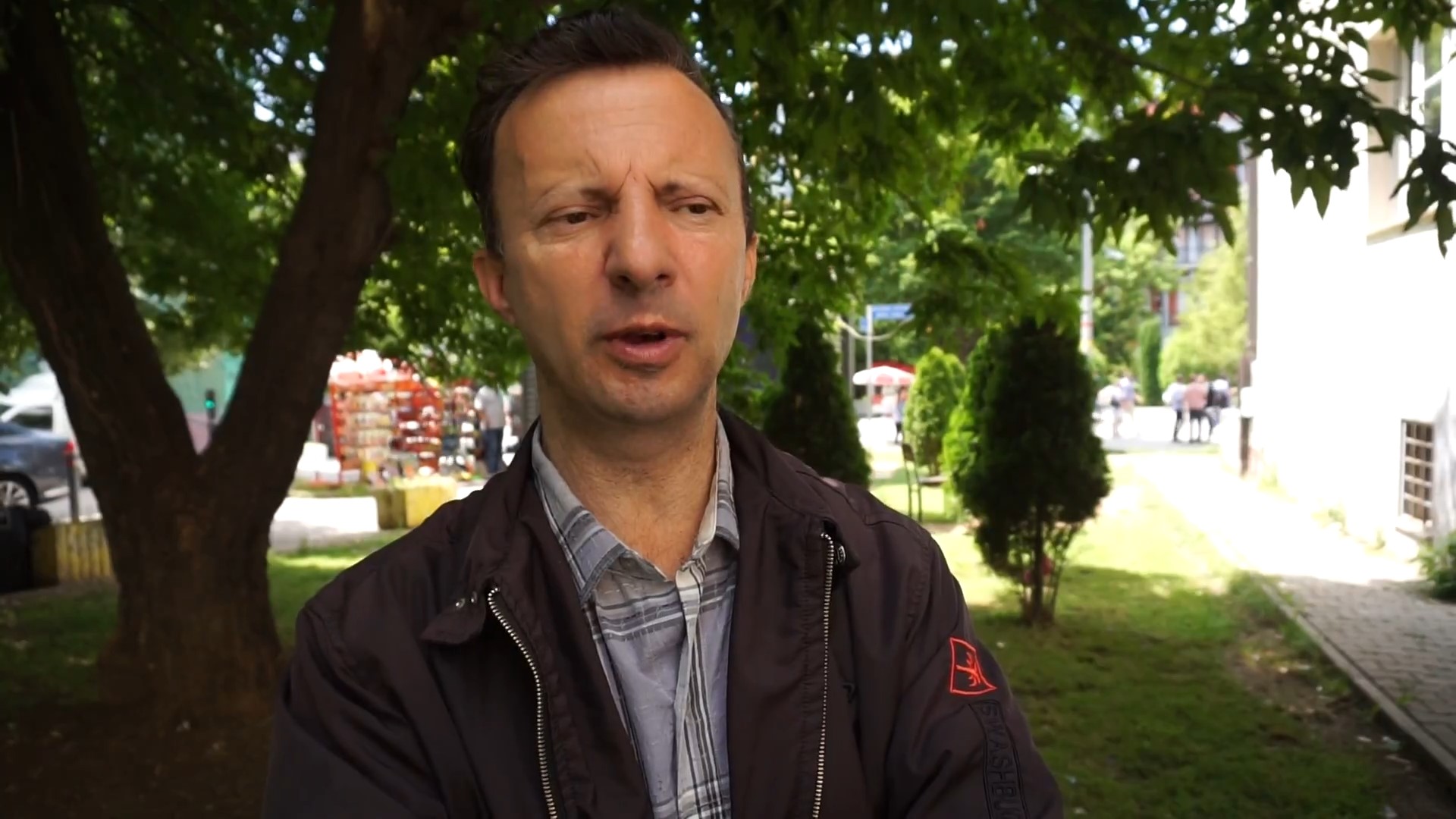
Kosovo analyst Blerim Burjani tells Kosovo Online that at least two of the five countries have announced that they are waiting for Serbia's reaction, that is, whether Serbia will change its position on Kosovo.
"Kosovo will soon be recognized by two UN member states, which are also part of the EU five, and Kosovo will also become part of NATO in two or three years, and that will be the end of the Serbian story about Kosovo," Burjani believes.
As he adds, for now, the European proposal only calls for the normalization of relations.
"Serbia should answer by March 24 whether it is in favor of the normalization of relations or not," Burjani says and adds that if Serbia does not agree with the European plan, that will be "the end of Serbia's story about EU integration."
As for the perspective of the reverse process, that is, the withdrawal of recognition after the publication of the European proposal, this analyst says that he believes that people in Serbia know that "withdrawal of recognition does not exist".
"There is a lot of false information on the part of Serbia regarding the withdrawal of Kosovo's independence, I think that many in Serbia know that the act of withdrawal does not exist in international relations, especially when we have in mind countries that are more stable and know what they are doing when they recognize a new state. Kosovo has been independent for a long time and we should not hope for a total turnaround. The story of the withdrawal of recognition is marketing," Burjani believes.
Speaking about the process of withdrawal of recognition in the coming period, Ognjen Gogic says that it will continue if Serbia continues to lead a campaign of derecognition.
"The withdrawal of recognition was a diplomatic action of Serbia aimed at developing countries - African, Asian, Caribbean... It was a successful diplomatic action, but these are not countries that have any special interest in Kosovo. The European proposal does not influence the decisions of those countries, so derecognition will continue if Serbia continues to lead the derecognition campaign," Gogic says.


comments