
Trial in The Hague: How much does the Albanian public in Kosovo support the accused KLA leaders?
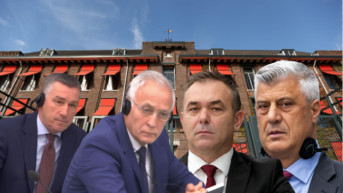
On April 3, the trial of former KLA leaders Hashim Thaci, Jakup Krasniqi, Kadri Veseli, and Rexhep Selimi, who were accused of war crimes and crimes against humanity committed in Kosovo in 1998 and 1999, began in the Special Court in The Hague. Interlocutors of Kosovo Online indicate that among the Albanians in Kosovo, there is a noticeable huge support for the war leaders, although opinions are divided regarding their later political activities.
A day before the start of the trial, a large protest was held in Pristina as a sign of solidarity with the accused in The Hague, and on the day of the start, the Albanian diaspora gathered in front of the Special Court in The Hague, calling for the release of the leader of the KLA.
The representative of Hashim Thaci, lawyer Gregory Kehoe, said that Thaci had never denied that crimes had been committed, but that they had been committed by "individual Albanians, not KLA leaders", and that "the KLA did not have an effective command", thereby dissociating itself from many procedures.
The wider Albanian public did not react much to that, except for analyst Shkelzen Gashi who said that he was "shocked by the statements of the defense in The Hague".
Lawyer Tom Gashi believes that the support for the leaders of the KLA had to be greater in 2015 when the Assembly of Kosovo adopted the decision on the formation of the Special Court, and Professor of Constitutional Law Mazllum Baraliu says that this support was never 100%.
"It is actually a wake-up call after eight years, I think it should have been on August 3, 2015, to not allow the formation of such a national court, because it harms everyone, the Albanian nationality as a whole, Kosovo as a state, and all members of the KLA. Nowhere in the world where there was war, was a single-national court formed. After all, maybe it would be good to form a court for everyone for whom there is evidence of having committed a criminal offense during the war, and not just for one nationality," Gashi told Kosovo Online.
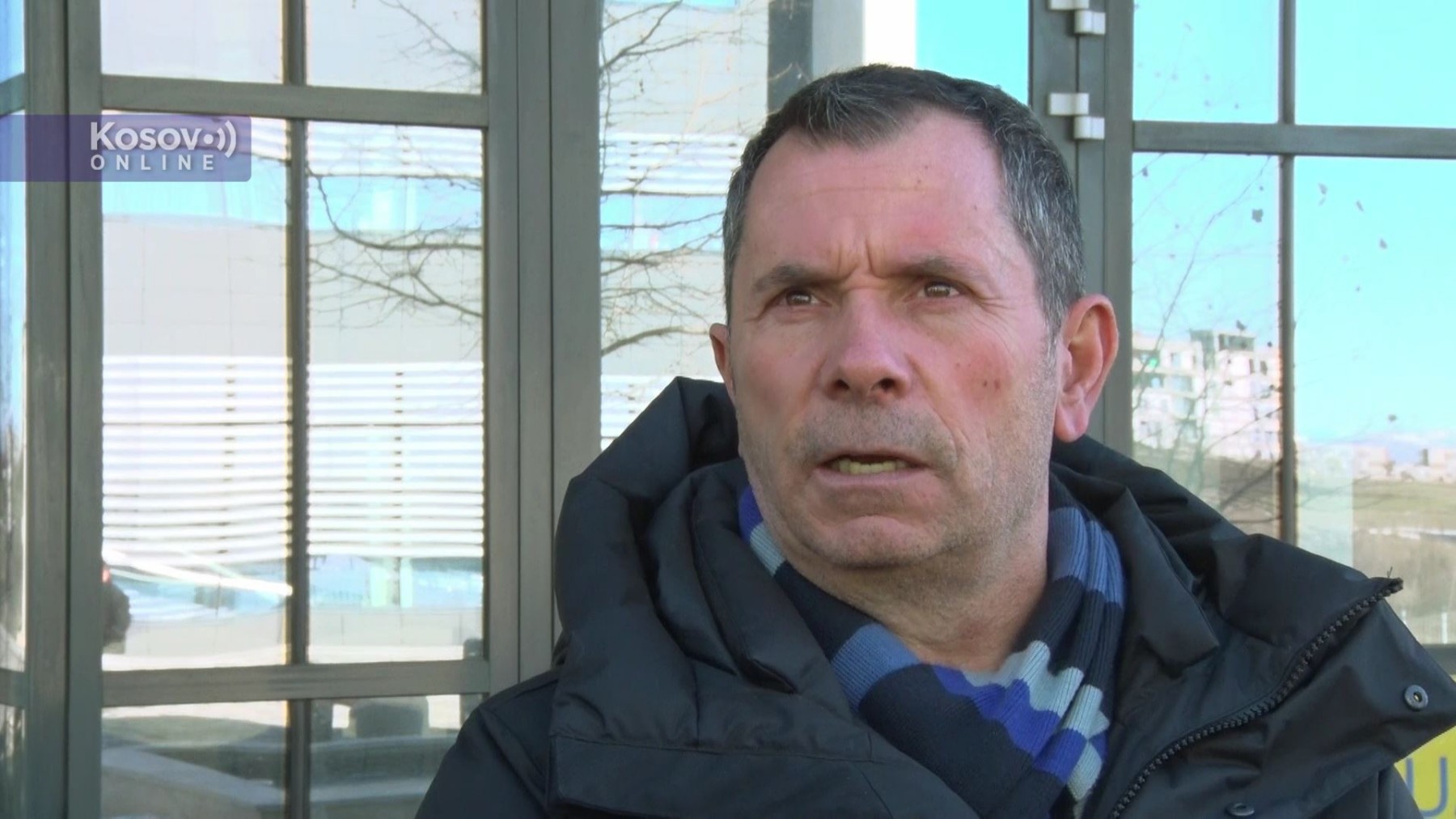
Baraliu states that no issue can have the support of the people in full.
"You saw the rally in Pristina, it was a big rally, the biggest they say, which was seen based on the footage. It seems that there is the full support of the majority. No issue can be 100% supported, but it seems that the vast majority of the people are behind it, and they will stand until the end. I follow the events during the trial, I follow the defense, and I followed the prosecutors, I think there are a lot of disagreements, but we will see what the end will bring," Baraliu told Kosovo Online.
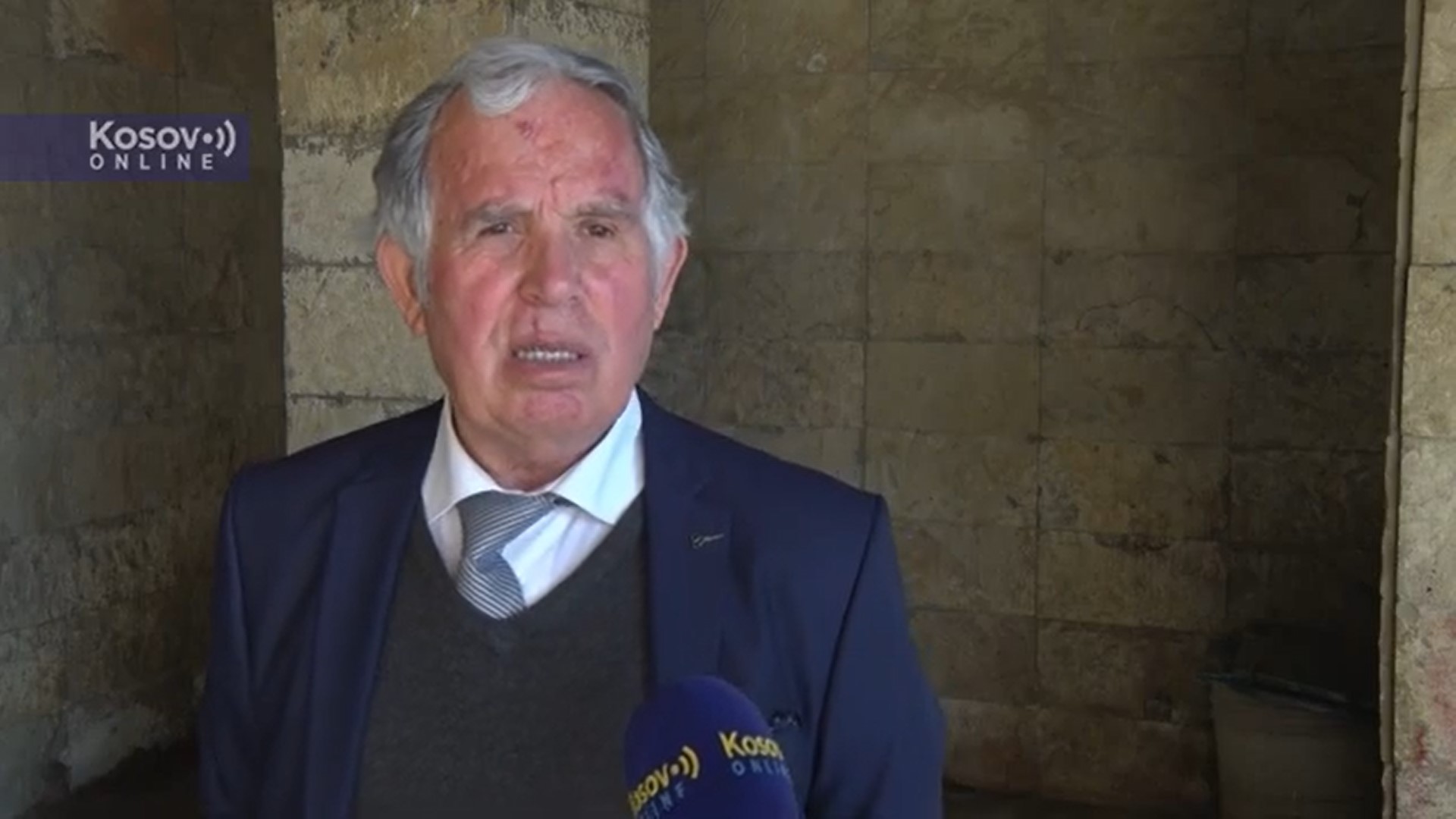
Afrim Hoti, a professor of International Law at the University of Pristina, believes that support for Thaci and others is divided into two groups - one as the leaders of the KLA, which is complete, and the other as the leaders in the post-war period, which is partial.
"One support is the support of the war leader at the end of the 90s, for which I believe there is full and unreserved support, while the other is support for the leadership after the war, for which I believe there are divisions of opinion, especially after the last elections, after the fall of the war leader, due to various opinions that were big and visible," Hoti says.
When it comes to the trial process, Tom Gashi believes that it will last at least five years.
"We have already learned that the Prosecutor's Office was given more than two and a half years, although, in the previous procedure, they asked to bring more than 300 witnesses, which would be about six years for the Prosecution alone. The trial will last at least five years, and I think will not contribute to betterment. Because if the indictment is rejected, we will have an acquittal, which we consider fair, but that will mean that other nationalities will not believe it, the Serbs will not believe it. If we have a worse verdict, if they are found guilty, the Albanians will not believe it, and everyone will state that from the beginning it was a political court, and a political trial, and that Kosovo had no reason to form the court," Gashi said.
Afrim Hoti also believes that the trial of former KLA leaders is a very complicated and political process.
He says there are two very important issues that affect the trial process itself.
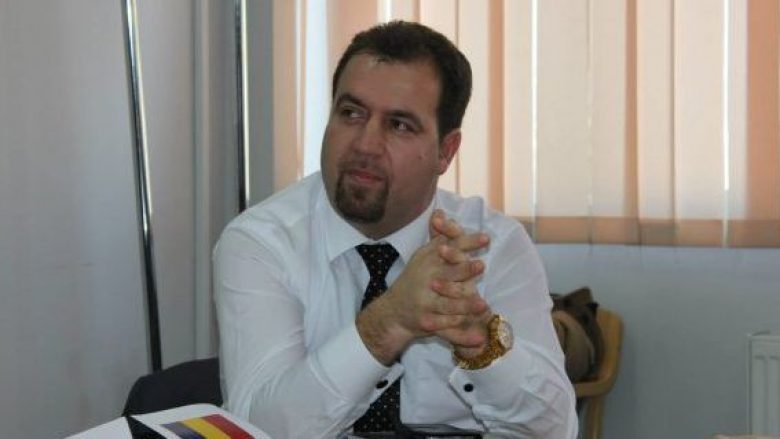
"First, there is already a decision of the International Criminal Court for the former Yugoslavia, which confirms the absence of the KLA chain of command. And, if this is the case, then the situation becomes extremely difficult for solving responsibility according to the command structure of the former KLA. And secondly, if we start from the principle of individual responsibility, then that responsibility will never be proven against Thaci and others for the crimes alleged by the Prosecutor's Office in The Hague," Hoti explains.
Mazllum Baraliu, in the context of the duration of the process in The Hague, says that "delayed justice is actually injustice".
"If you wait for justice, and you don't have the right to defend yourself from freedom, then that is not justice for anyone. However, these are political courts, political surrogates that were created when there was no real justice, neither in Nuremberg, nor in Tokyo, or other cases, unfortunately," Baraliu concluded.


0 comments