
Burek as a regional brand - no good burek without "skilled hands" and love
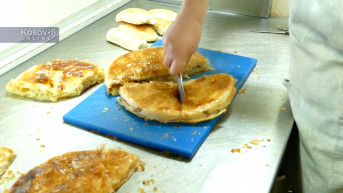
Burek has repeatedly made it onto various lists of regional specialties that one must try. Bakers from Serbia, Bosnia and Herzegovina, Albania, and North Macedonia have competed for years in preparing this calorie-rich Balkan dish, each convinced that their recipe is the best. However, despite differences and specificities, all masters agree that there is no good burek without “skilled hands” and a love for the “art of baking.”
There is much discussion in the region about how to make the best burek, with the most common question being whether it should be made with meat, though the layers can also be filled with other ingredients such as cheese, spinach, potatoes, mushrooms, or fruits.
For bakers from Bosnia and Herzegovina, burek is made with meat, and all other variations are considered pies, while Serbs, Albanians, Macedonians, and Gorani do not share this view. In most countries of the region, burek makers can “let their imagination run wild” and experiment with flavors and ingredients.
Serbian baking masters say their advantage is that they prepare burek with lard. Gorani boast a unique preparation method, Macedonians pride themselves on simit pogacha, or burek with bread, while Albanians believe their ingredients are of the highest quality.
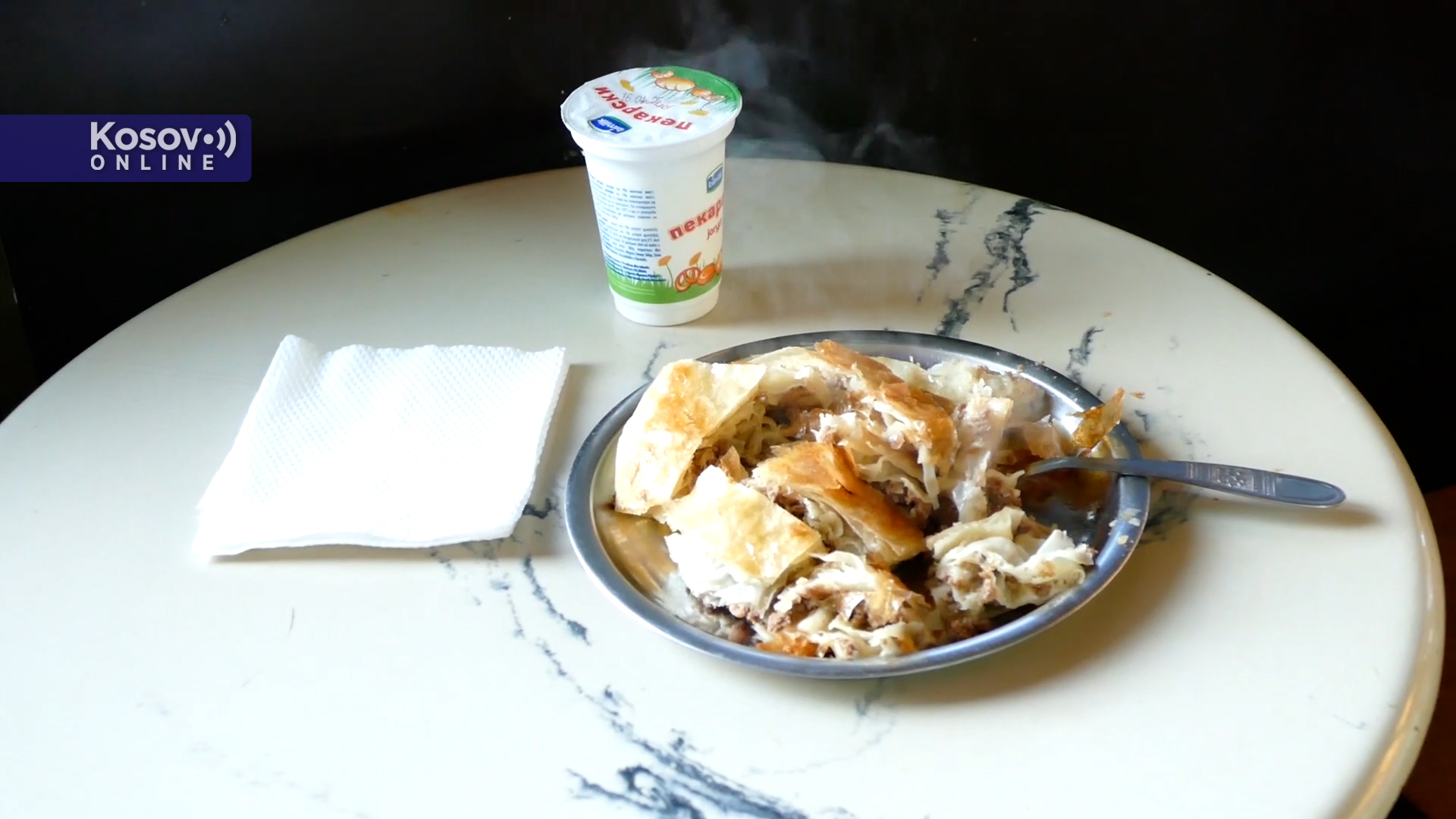
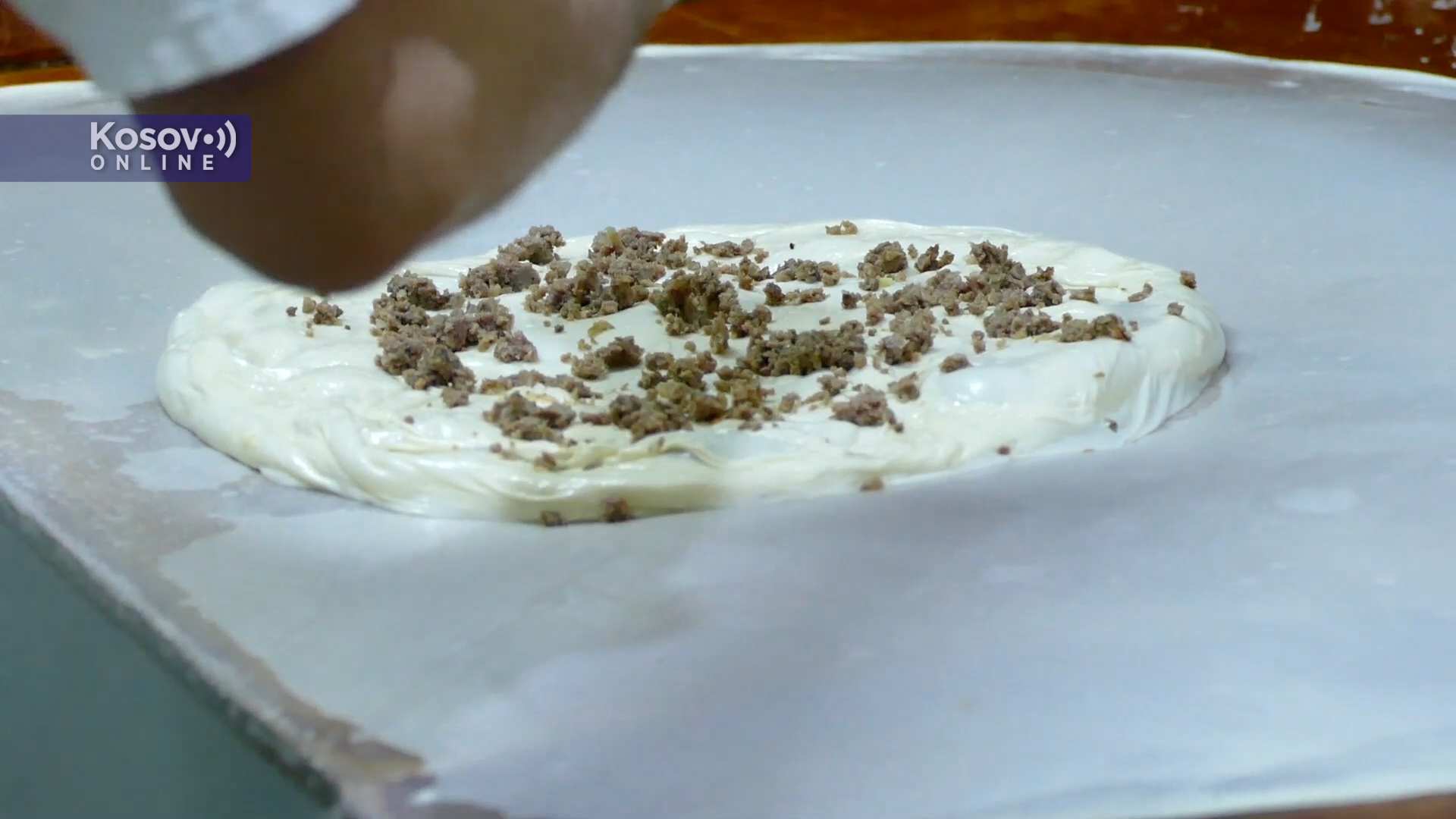
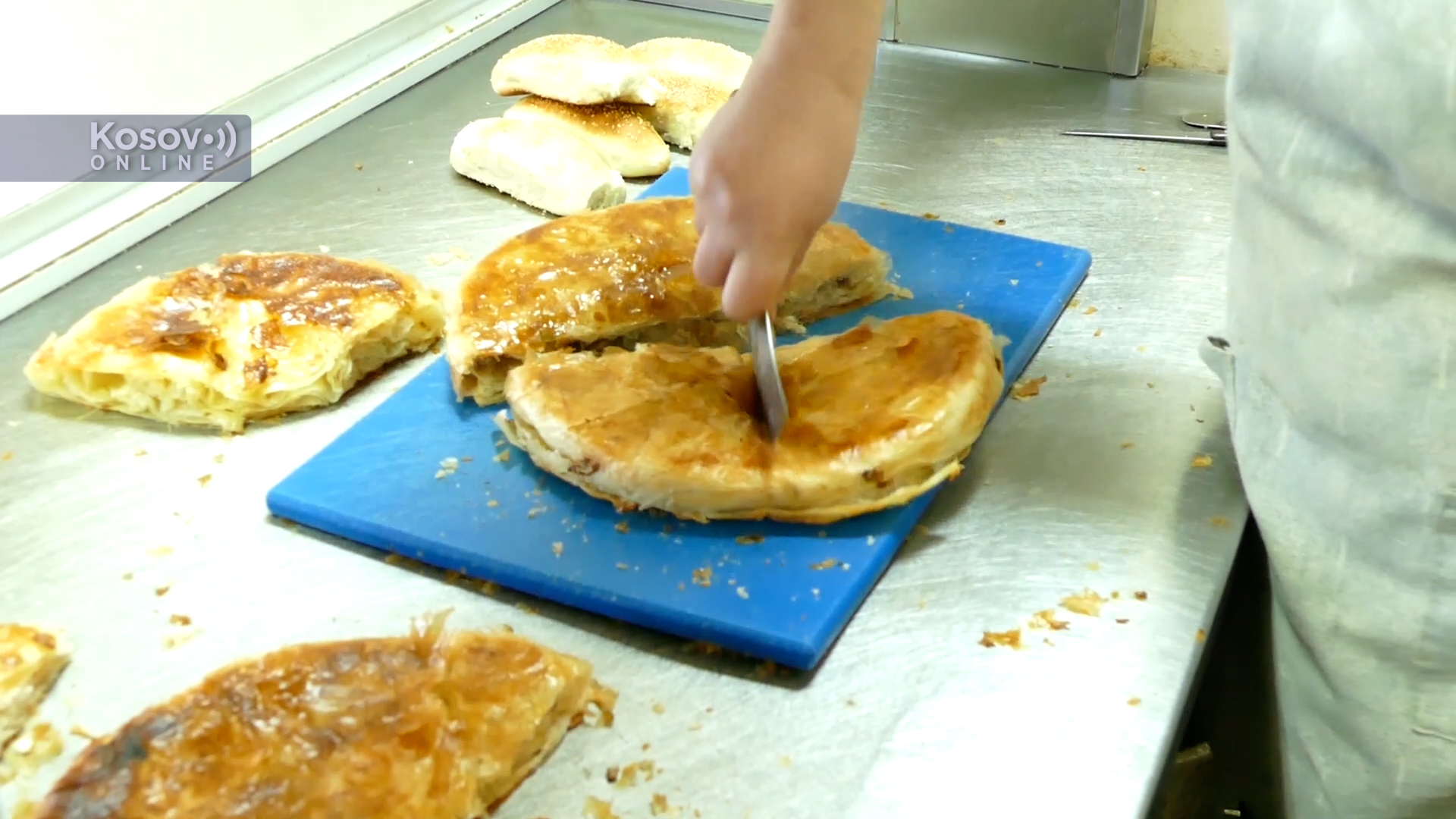
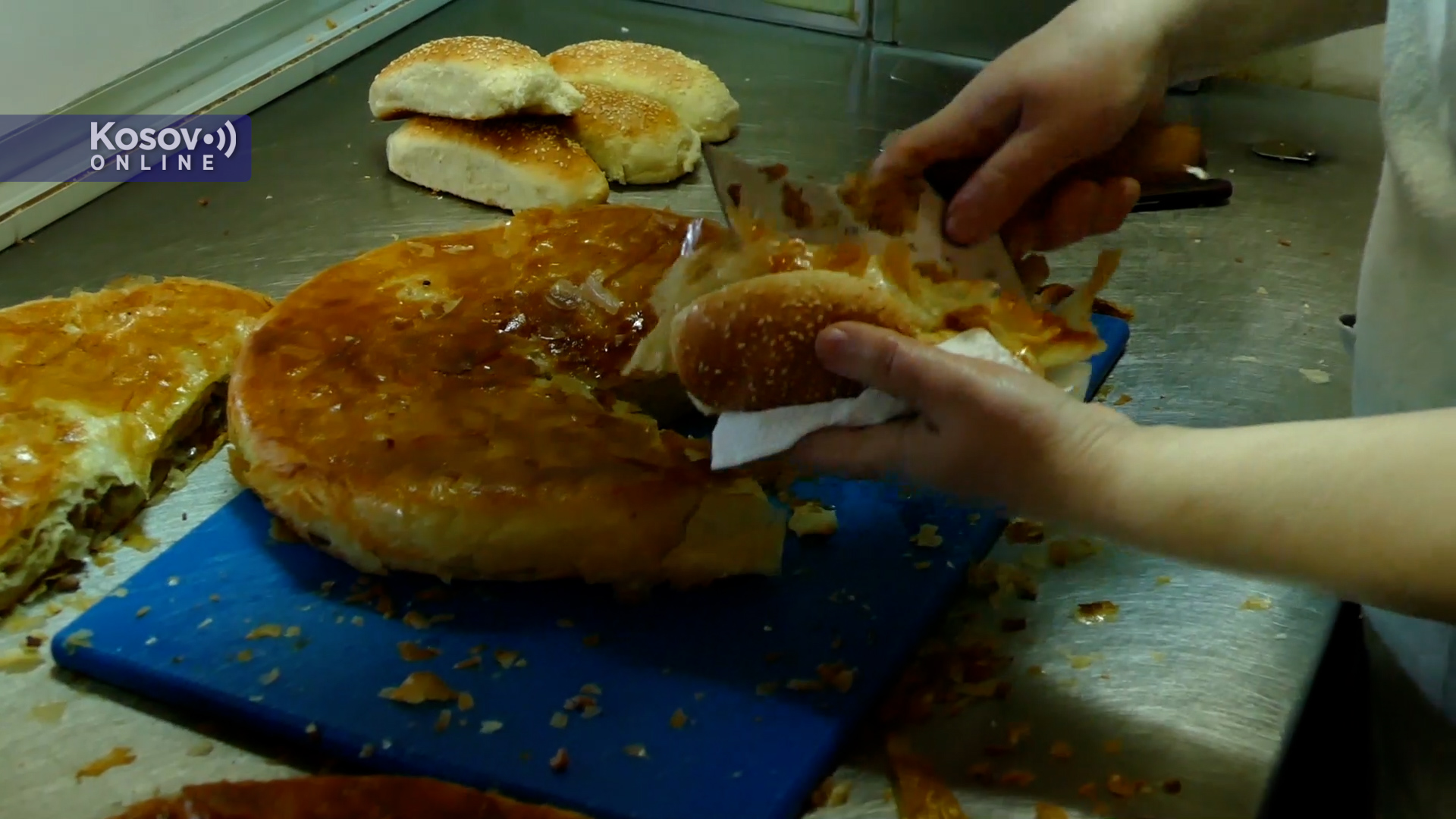
Experienced baker Zoran Grubanoski from Belgrade told Kosovo Online that a good burek requires four hand-made layers, filling from various ingredients, like cheese or a mix of beef and pork with spices, which then need to be properly greased and baked until the crust turns yellow and crispy, and then enjoyed for its taste and "eaten with hands from paper," with each bite washed down with yogurt.
Grubanoski says that his extended family has traditionally been involved in the baking craft.
It is, he emphasizes, hard work that requires skill, dedication, but above all, love.
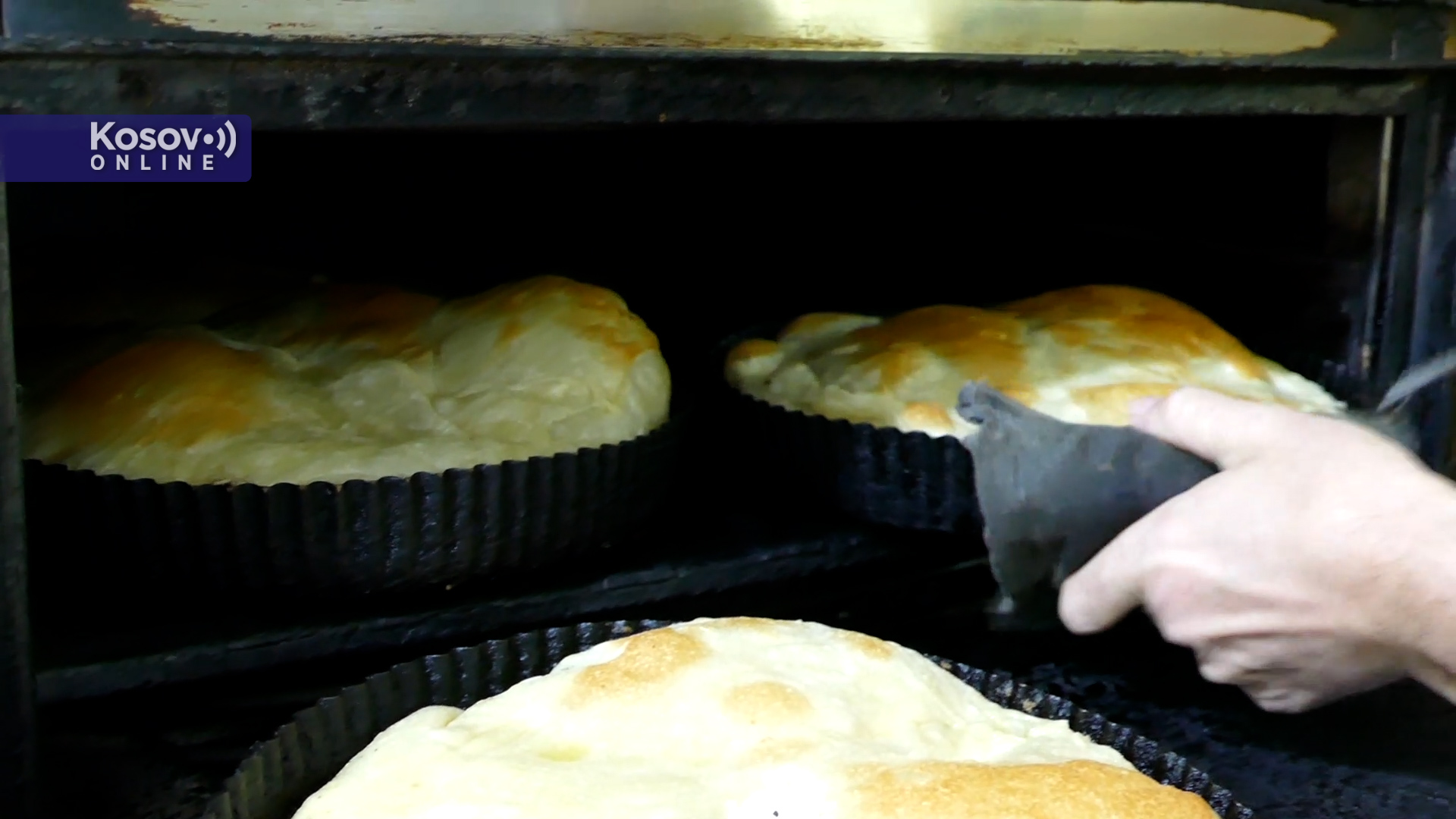
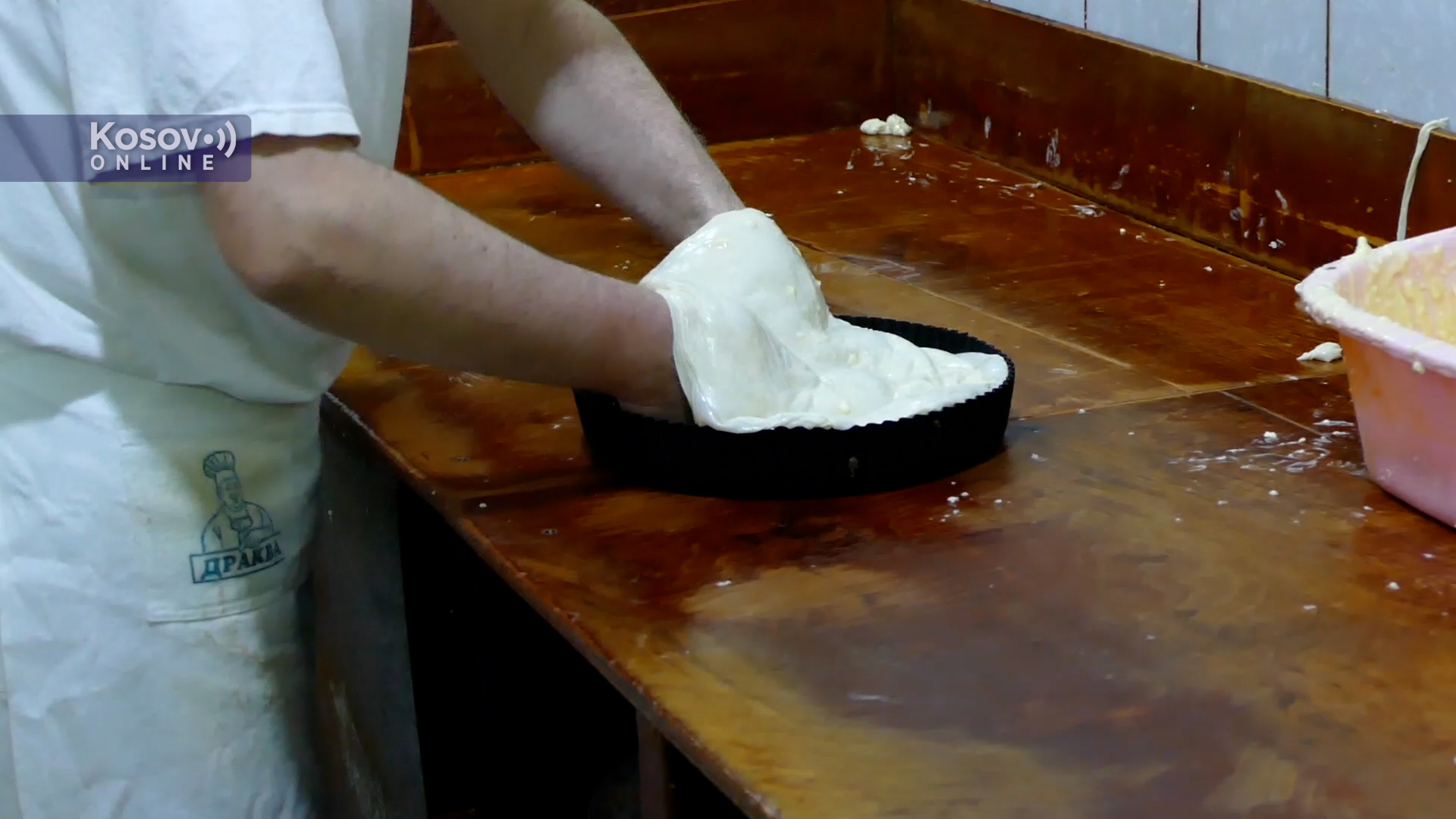
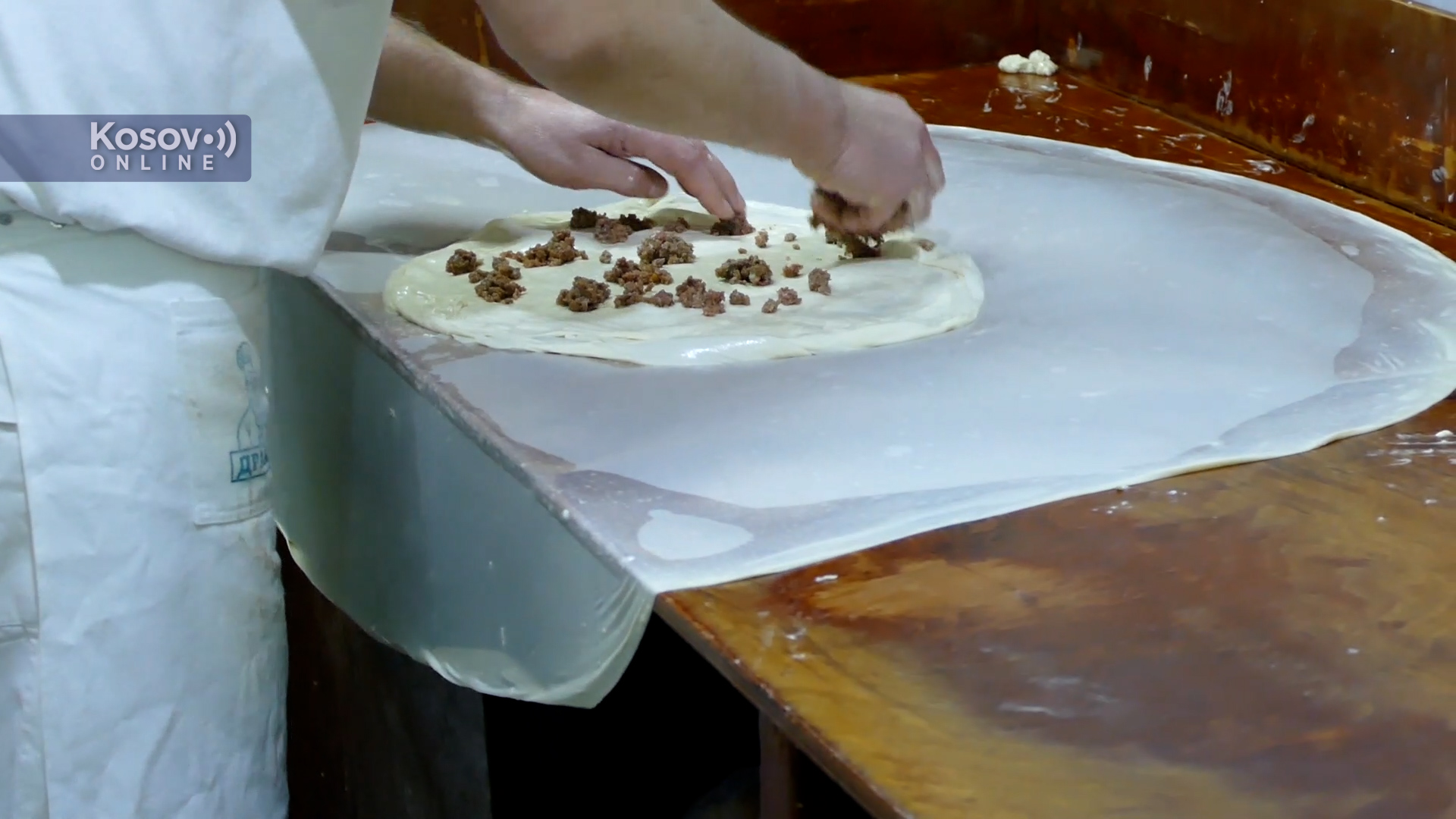
“From a young age, I have been in this dough, and it is by no means an easy job because it takes eight minutes for one baking tray of quality burek. Now imagine making a hundred trays. You need to knead the dough and let it rest. Two trays of burek go per kilogram of flour, that's the math. Two layers are placed first, then another, the filling is added, and it is topped with two more layers before baking. Thus, it is made with four layers and three percent salt, 200 grams of fat because it is preferable to be greasier,” Grubanoski told Kosovo Online.
The tradition, he points out, is to eat burek hot "from the paper," with hands, not with a knife and fork as done today. Also, the full experience is when burek is "doused" with yogurt—to, as the baker says, "wash the stomach."
Grubanoski notes that today there are many varieties of burek, whereas in the past this specialty was made exclusively with cheese, meat, or plain.
“My father made burek with apples. Today the range has expanded; you have burek with ham, cheese, pizza burek, with cherries, with cabbage, with ham hock. At the Buregdzijada in Nis, I saw there’s a 'sexy burek' with banana and with Eurocream and with Plazma biscuits. People from Nis are excellent burek makers. There I saw burek with lamb meat. It's amazing what imagination does,” Grubanoski explained.
The recipe for burek, he points out, varies from country to country in the region.
In BiH, there is only burek with meat, while all other types are considered pies—pies with cheese, mushrooms, or other ingredients.
In Serbia, he says, different types of burek are made and it was once "poor man's food."
He joked that today it is a favorite treat of those wanting to regain strength after "nightlife."
“When you eat a quarter of a burek and drink a yogurt, you can drink five liters of water and be full all day. This specialty was good for the working class, for families with many members. But it is good today for those returning from 'nightlife' to quench the acid,” he said.
When it comes to champions in making burek, Grubanoski notes that Goranci are champions in making burek, but only after bakers from Serbia.
He adds that Macedonians have long "held the primacy" in making burek.
"Goranci make it with oil, we make it with lard. I've watched them a lot, they have very skilled hands. However, they did not take first place at the 'Pekarijada'. The first place was won by a biker from Cacak. You know, when he throws the dough, you could wrap yourself in it, it's really an art. Burek is an art, it costs nothing compared to the effort put in. In my time, burek makers from Bajina Basta dominated," Grubanoski stated.
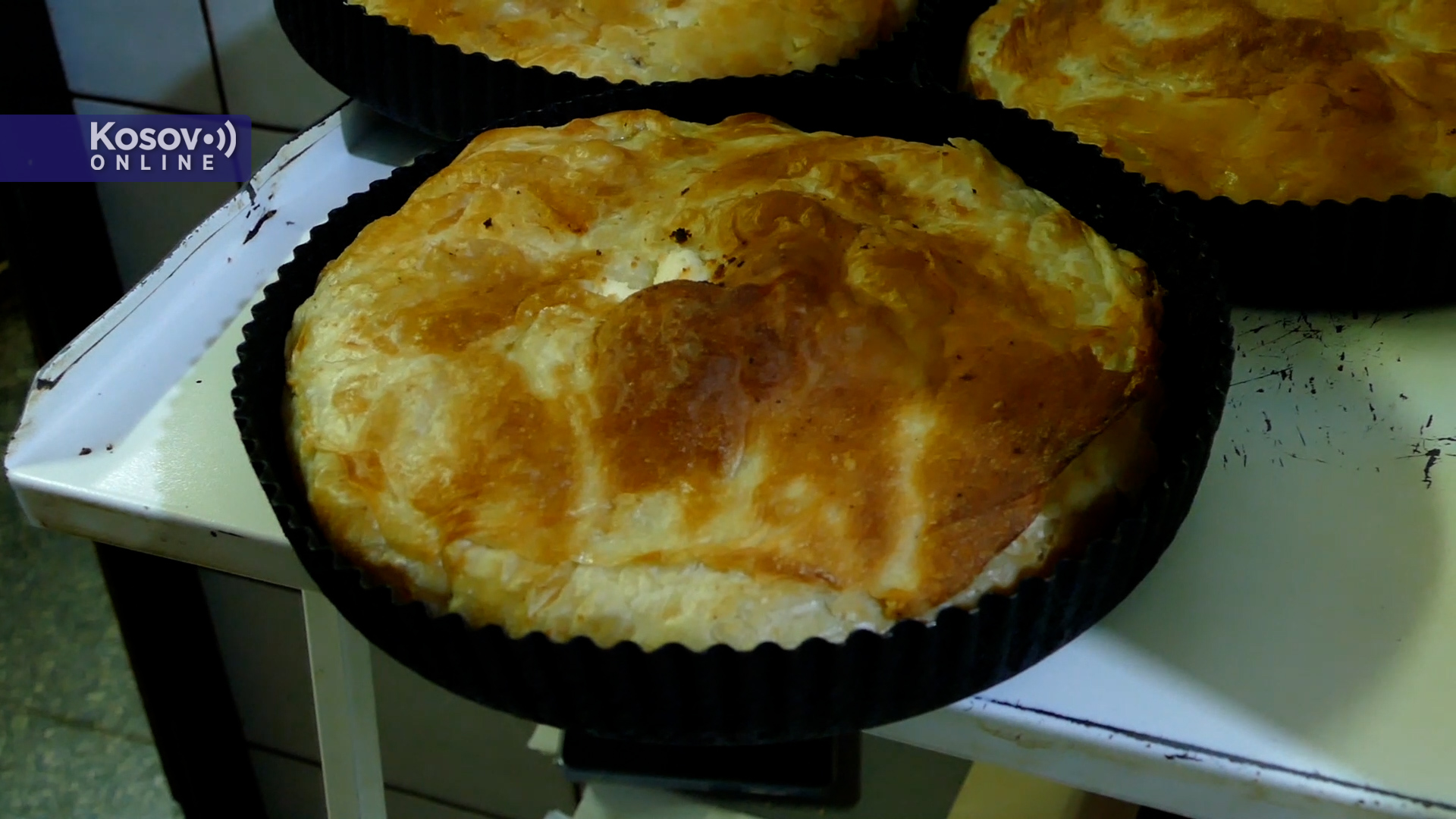
Burek, he explains, should crackle when taken in hand and the crust should be yellow.
He is convinced that Serbian bakers are ahead of their regional counterparts.
In Serbia, it is exclusively made with lard, and if it's with meat, then it is a mix of pork and beef with added spices.
"I don’t underestimate anyone. We are the greatest nation and in every bakery here you have a real burek. Today, everyone buys machines for making dough layers, but those are machines for pie that go around. That has nothing to do with burek, machine-made burek and handmade burek are 'sky and earth'," Grubanoski concluded.
A shop that sells real burek "can last and live," the baker concludes, noting that women are increasingly represented in the baking craft and will thanks to them survive.
However, in Kosovo, making burek is a male job while women are responsible for traditional Kosovo pies.
The president of the informal association "Tradition Through Centuries" Danijela Simonovic Mitic from Batusa near Kosovo Polje told Kosovo Online that the "queen among pies" is the pita prepec, which she adds is more complicated to prepare than burek.
"There is a big difference between burek and pita prepec. Burek is stretched from one layer of dough, spices are placed in one layer, then it is joined, folded, and placed in a baking dish, while pita prepec must be kneaded, the dough must rest. Once the dough rests, it is divided into two equal parts. From one part, seven dough layers are made, on the other side eight. One layer is thicker, the other thinner, then each layer is stretched, greased, folded, rests for 10 minutes and then the layers are stretched out. Layers are laid in the baking dish, one layer, then another, then spices are added, and it is baked. Pita prepec is more complicated than burek. Burek is usually made by men, they are masters in that, while Kosovo pies are usually made by women," Mitic explains.
Danijela has called on all young housewives to start preparing pies so that the tradition is not forgotten.
"I would tell young housewives to start preparing. They have had the opportunity to see how a Kosovo pita prepec is prepared, so let them try to make one," Mitic urged.
Burek master and owner of the burek shop "Beki" in Skopje, Bektesh Abdija, told Kosovo Online that his clients, besides burek with meat, cheese, and spinach, most prefer to buy the traditional Macedonian specialty, simit pogaca.
This traditional local bakery specialty is made when a piece of hot burek is placed into a bun or flatbread, which absorbs all the fat, making it a real treat for all lovers of a hearty and delicious breakfast.
For a good simit pogaca, it is most important that it be sufficiently greasy, while for quality burek, as the baker says, appropriate flour, skilled hands, and a lot of love are necessary.
"It's a tradition, simit is greasier and is put in a flatbread. The flatbread absorbs the fat. This is a tradition from old times. People specifically come to us for simit pogaca, but they also come for burek with meat, with cheese of course, and spinach of the same quality. The taste of burek is the same, both simit and burek have the same flavor, but you still have to do the job with love," Abdija said.
He emphasizes that anyone who wants to make an original burek must not skimp on ingredients.
Flour, he says, is the main ingredient and it is a priority that it be of good quality; otherwise, the recipe for burek will not succeed.
"The original recipe for burek works if you dedicate yourself, if you work with love and with quality materials, simply put, if you do not skimp, it will turn out to be a quality burek. We make burek with meat, cheese, and spinach. Traditionally, as it is done everywhere in Macedonia," the baker explains.
In Skopje, he highlights, the traditionally most sought-after are the burek with meat and simit pogaca.


Although burek is a regional specialty, he is convinced that Macedonians are champions when it comes to recipes.
"In Bosnia, there is burek, in Serbia, there is good burek. It exists in Turkey too, but it's not the same. The famous influencer from Serbia, Paqito, happened to be here and heard from people that there is quality burek and tried it himself, was convinced of it, and thus announced that there is good burek here. So, taste is still in first place. A very popular influencer who tries burek across the region has declared you one of the best in the region, and that is a great success. Always, if you are dedicated to your work, you will be popular. As long as you don't do your job properly, you won't be popular," concluded Abdija. Goranci are widely known for making quality burek. One of them, Nexhat Bahtijari from the village of Radesha in the municipality of Dragas, has been making burek in Strpce for over 20 years, on which many generations have grown up.
He has dedicated his entire life, he says, to catering, and he inherited the recipe and skill from his father and grandfather.
The bakery craft is, he emphasizes, hard but profitable work.
"From a young age, I learned the craft from my father, grandfather. We've been in the private sector, in catering, all our lives. I worked in Pristina for a long time, I came here as a displaced person, stayed here for twenty years and was very well received. I also had a cevapchichi place, a grill, and finally a burek shop, hardship drove me to it, it's a tough job," Bahtijari told Kosovo Online.
According to him, good quality flour is primarily essential for making good burek.
Bahtijari mixes several types of flour available to him for making burek: Austrian, German, Hungarian, Kosovar, and flour from Serbia.
For the dough, he also uses water, oil, and salt. Once the kneaded dough has rested overnight and "rested well," it is rolled out in the morning.
"I usually knead it in the evening for the next day, and that's the best way; it can also be kneaded in the morning, but then it's harder, it doesn't rest, and it's essential for the dough to rest. Everything has its time; it cannot be rolled out when you want, but when it lets you, that's when it opens up," Bahtijari shares his experience.
He says that making burek is a craft characteristic of the Gorani people and they do it with "merak" (passion or zeal), which sets their burek apart from others.
Bahtijari himself has decided to make a "leaner" burek and is convinced that this attracts customers.
"The most important things are a good master and good flour and dough. My burek is leaner; everyone makes it greasy, which I don't like. Here they are used to this kind of burek. They tell me that such burek can't be found anywhere else, not in Belgrade, Nis; they say they crave this burek," emphasizes Bahtijari.
Burek is made with meat and cheese, while for those who fast, it is made with cabbage and spinach. On order, it can also be made with potatoes and leeks, the baker from Strpce points out.
Unfortunately, as he notes, fewer and fewer young people want to engage in the baking craft.
He claims that he will remain loyal to it as long as his health allows, and he hopes that someone will follow him whose burek the locals will enjoy.
"It's tough, no one wants to engage in this craft anymore. It's good to know, wherever you go you can work and earn. This is a sought-after job that will never disappear. Only young people who are driven by hardship want to work, otherwise, those who are wealthier do not. In my family, I am the last generation doing this," concluded Bahtijari.
Edlira Camaj, a baker from Albania, told Kosovo Online that Albanian burek makers create the tastiest specialty in the region.
According to her, a love for the baking craft, skill, and quality ingredients are why Albanians are leaders in the region in making burek. "Here we make the best burek in the world. And I have the best clients in the world. Burek is made from flour, water, oil, butter. It's a bit of a demanding job, but when done with pleasure, it looks good. In my opinion, the difference compared to others in the region is that we have very good raw materials. Original flour, cheese, butter, spinach. That's why the burek becomes tasty. Also, we make it with love," Camaj said for Kosovo Online.
She says she learned to make burek at a pastry shop where she worked, but other family members also helped her.
She has been in the baking business for 24 years and, as she emphasizes, does it with love.
"I am satisfied because I do this job with love. It is also good from an economic standpoint. It's a tough job. I come to work at four in the morning. In the summer, I come to work a bit later because there is less work. Everything is done by hand. We use some machines, but most of the work is done by hand. Burek dough layers are opened by hand," Camaj pointed out.
As she emphasized, the best-selling burek is with fresh cheese.
In second place is spinach burek, followed by meat burek.
Camaj explains that during preparation, a mixture of flour, salt, and water is first kneaded, then left to thicken and turn into dough.
"It should take about an hour for the dough to be ready, although that depends on how well you've done the job," she notes, adding that for burek, only one layer of dough is stretched or "opened.
0 comments