
Kurti's wrong argument: The CSM is much more multi-ethnic than all of Kosovo
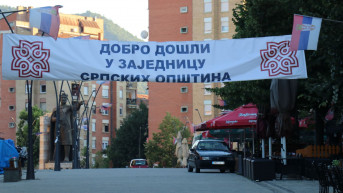
Prime Minister of Kosovo, Albin Kurti, as the main argument against the formation of the Community of Serb-majority Municipalities, which is an obligation of Pristina from the Brussels Agreement, cites its mono-ethnicity, and at the same time points out that Kosovo is multi-ethnic with 93 percent of the Albanians. The facts, however, say exactly the opposite, because in the municipalities where the Serbs are the majority in Kosovo, a significant percentage of the Albanian and other population lives, especially in the municipalities of Novo Brdo, Gracanica, and Strpce, which would make the CSM a far more multi-ethnic environment than the whole of Kosovo.
Journalist and writer, Zivojin Rakocevic, who is the president of the Association of Journalists of Serbia and lives in Gracanica, warns in a statement for Kosovo Online that when someone like Kurti talks about percentages, it is an announcement of danger and engineering.
He points out that the percentages in Kosovo have been incorrect for 70 or 80 years, that is, there are no reliable data on either the Albanians or Serbs.
"Kurti, like Franjo Tudjman at the time, sees that a certain percentage of the Serbs will not harm his ethnocracy. We are playing with some imaginary figures in which the authorities in Pristina are trying to say - you are gone. The basic reports that, for example, come from Peja are - there are no Serbs - there is no problem. And that is the essence," Rakocevic emphasized, pointing out that the question for Pristina and the international community was whether this was normal, natural, and democratic.
For Rakocevic, there is no doubt - Kosovo is a perfect monoethnic society, in which there is no place for other and different people, not even for those who think a little differently from the ruling totalitarian ethnocratic ideology.
"Kosovo is the ruin of any idea of multi-ethnicity. It cannot accept Dragica Gasic in Djakovica, the one and only. It cannot accept that she, like every other citizen, buys herself groceries. You cannot talk about multi-ethnic Kosovo when a policeman at the crossing says that you are entering Kosovo and you should know Albanian. It looks like some kind of camp guard," Rakocevic said.
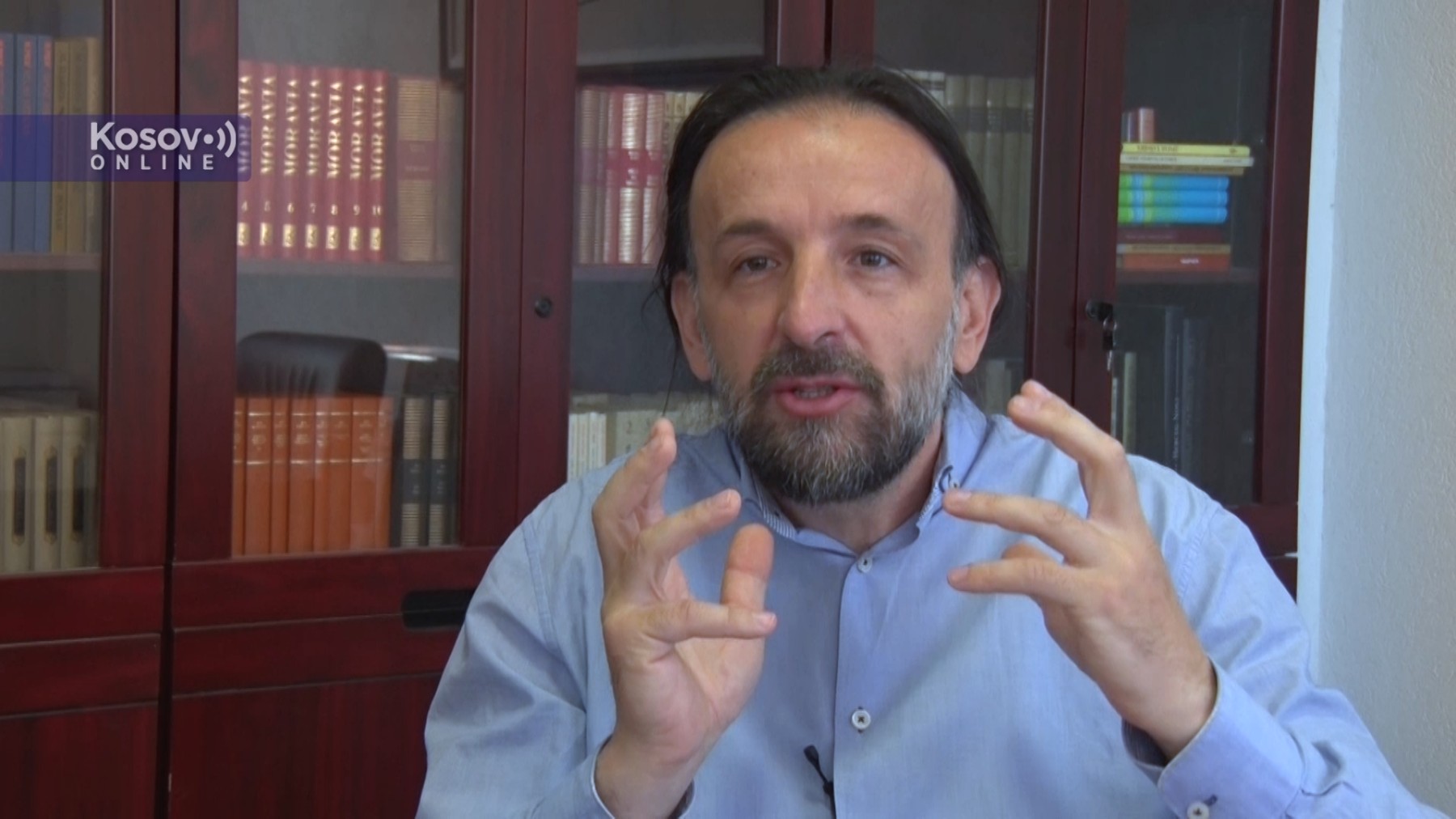
He points out that true multi-ethnicity has persisted precisely where the Serbs are the majority, so the multi-ethnicity of the Community of Serb-majority Municipalities is also real, and unquestionable.
Rakocevic: Serbs have lived without freedom for 23 years
"And this is, unfortunately, a process in which some of our environments become multi-ethnic under pressure and the ethnic structure changes, and where Albanians lived in most cases they still live today. It is not a problem that Albanians are sitting in a cafe in Gracanica and speaking Albanian, but the problem is that 10 kilometers from there you will not find Serbs in a restaurant who will sit and speak Serbian - that is almost non-existent," Rakocevic states.
He adds that multi-ethnicity in Kosovo is maintained solely thanks to the international community and Belgrade.
"If there was no Belgrade, in the next 20 years, there would be no multi-ethnic Kosovo, so Belgrade supports and keeps multi-ethnicity alive in Kosovo," Rakocevic emphasized.
When asked if the CSM would help the Serbs get the rights guaranteed by Ahtisaari's plan, Rakocevic points out that we cannot discuss the promised rights, but that the Serbs must immediately get the widest possible form of autonomy, because they lived without freedom for 23 years.
"You cannot offer far-reaching rights to someone who does not have freedom and force him to sign it, knowing that you will never implement any document that you decide does not suit you. The CSM is something that could provide a minimum of freedom within the ghetto where the Serbs live and what should protect our ghettos. But that must happen now and immediately, not by signatures and promises, because of which we live the way we do," Rakocevic said.
Gogic: Kurti's ethnic exclusivity
For analyst Ognjen Gogic, Kurti's statements about multi-ethnicity are cynical, contradictory, and unconvincing, so it is not clear whether he is guided by ethnic or civic principles in his politics.
Gogic points out for Kosovo Online that Kurti's political platform is based on ethnic exclusivity, so he advocates for the ethnic rights of Albanians and their right to unite in one large Albanian national state, and when he seeks these rights - he seeks them according to ethnic criteria, while, when he rejects the demands of the Serbs, he appeals to the civil principle.
"Kurti's attitude towards this issue is very selective, and that's why it sounds cynical when he says that Kosovo is multi-ethnic, and then he himself says that over 90 percent are Albanians. Kurti cannot claim the right to Kosovo on an ethnic basis, and then not give the Serbs rights on an ethnic basis in Kosovo itself," Gogic points out.
He stated that ethnic cleansing of the Serbs and non-Albanians had been carried out in Kosovo, so it was cynical to talk about multi-ethnic Kosovo, adding that it should be borne in mind that the share of other communities that could never return had also been reduced.
Gogic also points out that Kurti makes different arguments to reject the CSM, claiming that it is mono-ethnic, but at the same time, he is looking for the formation of similar communities in Serbia for Albanians or Bosniaks, according to the ethnic principle.
"He asks for something and rejects it with the same arguments, and it can't work that way," Gogic noted.
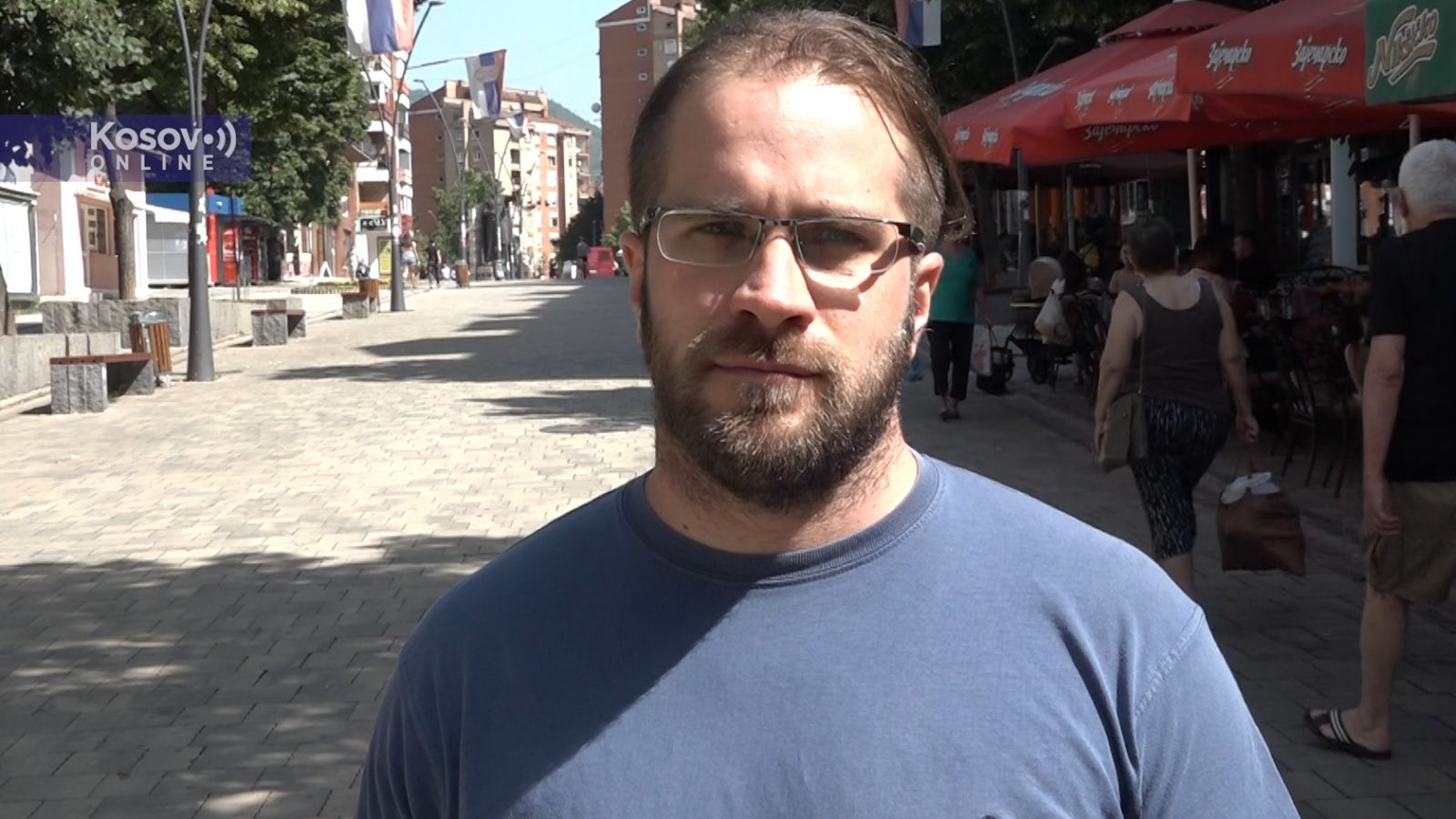
He also said that the "real" name was the CSM - Community of Serb-majority Municipalities, which made it clear that the Serbs were not an exclusive minority in them, but that other people also lived there.
"Northern Mitrovica, Strpce, Novo Brdo, and Gracanica also have a significant percentage of Albanians and other minority communities, which means that, just as those municipalities are multi-ethnic, the Community would also be multi-ethnic, only that in its case there is a special focus on ensuring that through it the rights of the Serbian community are protected," Gogic said and reminded that according to Ahtisaari's plan, 10 municipalities in Kosovo had been defined as municipalities with a Serb majority.
Gogic also notes that Kurti ignores the fact that the largest number of municipalities in Kosovo are mono-ethnic, but only Albanians live in them, and not only are there no Serbs, but there are also no other communities, Roma people, Bosniaks, Turks...
"Kosovo has been completely ethnicized so that he would now dispute the protection of the Serbs on an ethnic basis," Gogic underlined.
In practice, he says, the protection of minorities has not been achieved, because there is no will to do so, while the institutions of Kosovo are weak and cannot even guarantee the rights of Albanians, let alone the Serbs.
"The CSM would contribute a lot, and it is necessary, but not sufficient. In addition, it is important, and I remind you that the Serbs also live outside Serbian municipalities, primarily in Metohija, and those municipalities would remain outside the CSM. They just need protection, so that they would not be exposed to emigration and disappearance. That is why, in addition to the CSM, it is necessary to implement what has already been promised in the protection of their rights," Gogic pointed out.

0 comments