
Macron angered Pristina: How realistic is Vjosa Osmani's threat to completely end the dialogue?
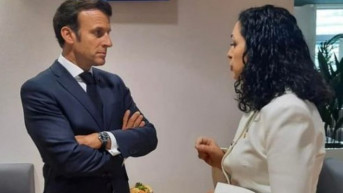
Vjosa Osmani's statement that the dialogue with Belgrade would be "dead" if the decision on visa liberalization for Kosovo were to be blocked, after French President Emmanuel Macron hinted at it as a possibility, the interlocutors of Kosovo Online consider the result of the frustration caused by the long-term delay of this privilege for the holders of the Kosovo passports, but they do not rule out the possibility that the Albanian political leaders in Pristina will really take radical steps if the visas remain in force after January 1, 2024.
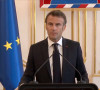
French President Emmanuel Macron said that the visa policy would be reviewed if Belgrade and Pristina did not behave responsibly, and analysts estimate that this warning is primarily addressed to Kurti's Government because it is directly responsible for the security and political crisis in the north in municipalities with a Serb majority.
The President of Kosovo, Vjosa Osmani, could not remain silent to Macron’s statement, and sharply retorted that stopping the planned visa liberalization for Kosovo would be a way to "kill the dialogue forever".
In this way of communication of Osmani with the French President, the opposition parties in Kosovo saw a new confrontation with the "allies", judging that this statement harmed the position of Kosovo, but also that Kosovo was powerless to threaten anyone.
Dragisa Mijacic, coordinator of the National Convention on the EU for Chapter 35, tells Kosovo Online that it is not surprising that Vjosa Osmani commented on the statement of French President Emmanuel Macron, and considers her words an emotional reaction that is the product of frustration caused by the long-term delay in visa liberalization for Kosovo passport holders.
Mijacic also states that due to its internal problems with illegal migrants, France has for many years been one of the biggest opponents of visa liberalization for Kosovo passport holders, but also against the further expansion of the European Union. Hence, as he says, Macron's statement can be viewed doubly - as a message to the authorities in Belgrade and Pristina that they must fulfill their obligations, but also a message to the domestic public that France still remains firm in its positions and conditions related to migration policy and enlargement.
"Macron's statement particularly resonated in Pristina because the citizens of Kosovo have been waiting for visa liberalization for a long time, where any announcement of the withdrawal or postponement of the decision to cancel visas causes social and political problems. In this regard, it is not surprising that Vjosa Osmani commented on Macron's statement in a way that can bury the dialogue between Belgrade and Pristina. This emotional reaction is the product of frustration caused by the long-term delay in visa liberalization for Kosovo passport holders, which directly affects all sections of the population. On the other hand, Macron's statement can also be considered a product of frustration at the failure to fulfill the obligations assumed from the Freno-German Agreement and the inability of the European Union and the Quint countries to convince the Government of Kosovo to implement the three-point plan for de-escalating the situation in the north of Kosovo and create the conditions for the formation of the Community of Serb-majority Municipalities," Mijacic points out.
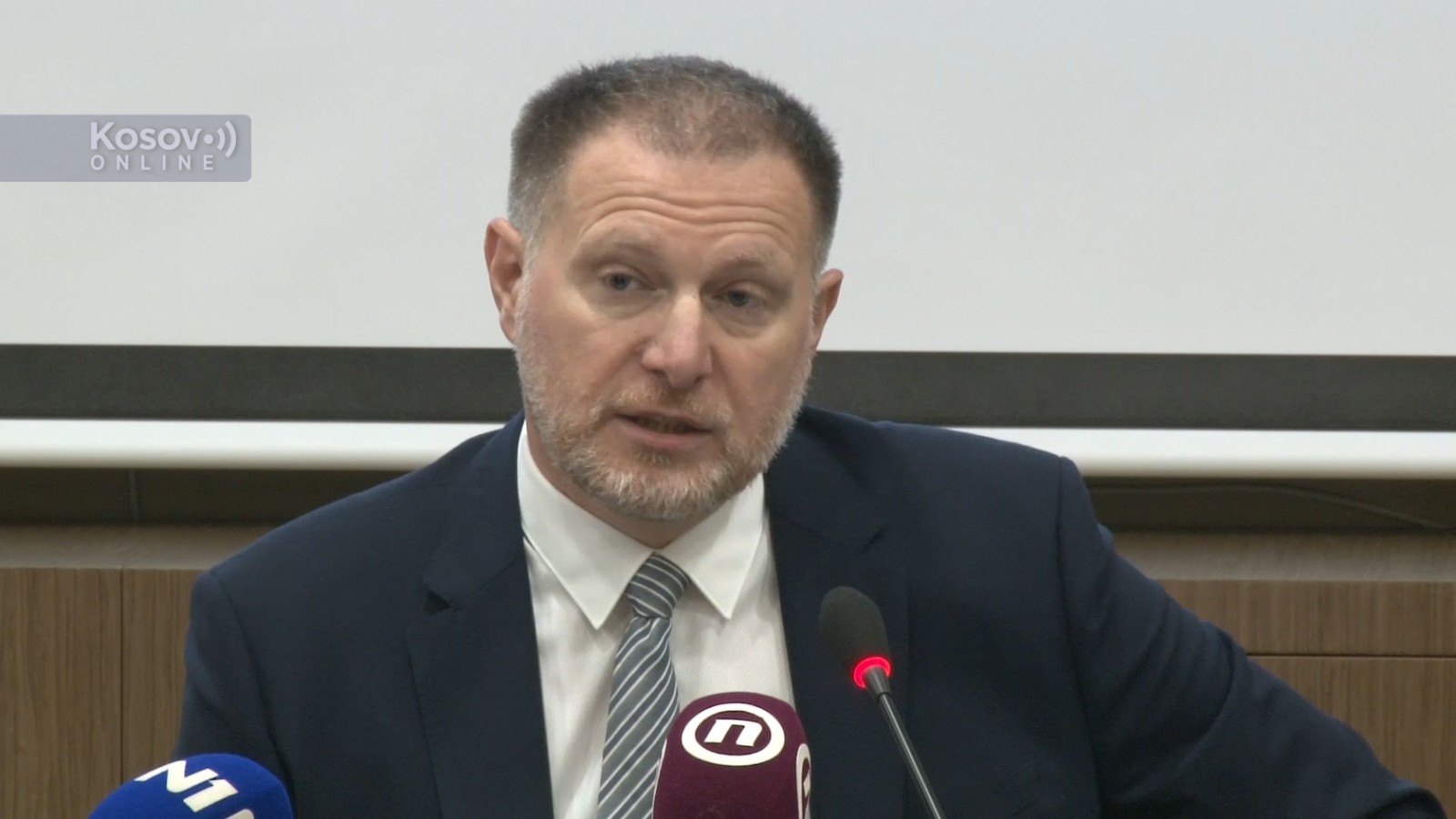
He reminds that the European Union has already introduced a set of measures against the Government of Kosovo.
"If they do not produce concrete results in the coming weeks, it is certain that the package of sanctions will be extended to other areas, including the possibility of postponing the decision on visa liberalization. The latter would be a big defeat not only for the Government of Kosovo but also for the credibility of the European Union; it would certainly cause violent reactions in the Kosovo public and would have a negative impact not only on the dialogue but also on the support for the reform process leading to EU membership. However, the European Union and the USA are united in the position that the Franco-German Agreement must be implemented at any price, therefore, Macron's threats should be taken very seriously and the implementation of the obligations undertaken in Brussels and Ohrid should be started in order to avoid further sanctions and conditions that will affect ordinary citizens the most," Mijacic says.
Our interlocutor points out that in their statements, Kosovo officials emphasize their commitment to European integration and the Euro-Atlantic partnership every day, and that the best way for them to move from words to actions is to fulfill the obligations they have assumed and thus show credibility and responsibility, which is the essence of the President Macron’s statement.
Analyst Allen Meta tells Kosovo Online that he believes that suspending or delaying the process of visa liberalization could cause major problems, to the extent that the current leaders of Kosovo could even take the step of suspending the dialogue.
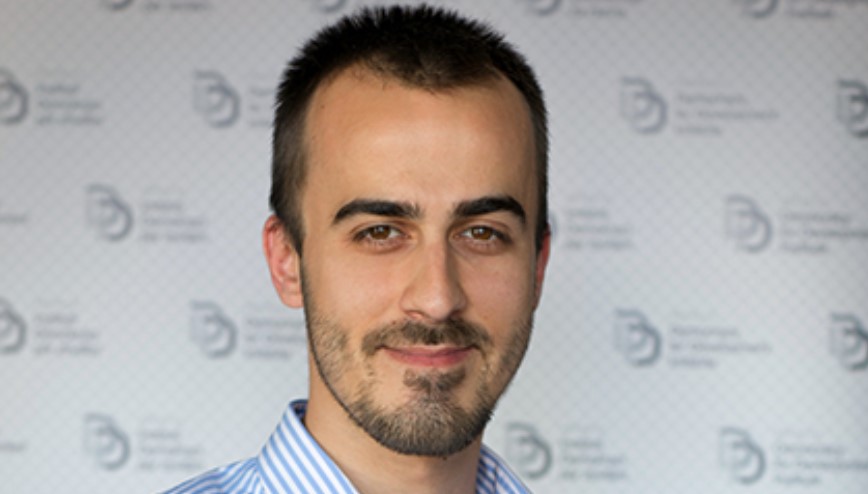
"The long delay of the visa liberalization process through various demands was completely unfair to Kosovo, and something like that would have an absolutely negative and direct impact on the citizens of Kosovo. I believe that suspending or delaying the liberalization process could cause major problems, even to the extent that the current leaders of Kosovo could take the step of suspending the dialogue," Meta says, but he also emphasizes that he does not believe that there will be a suspension of visa liberalization or even an interruption of the dialogue.
He estimates that the whole of Europe, not just Macron, does not want another conflict on the European continent, which is why they expect the continuation of the dialogue to be the only alternative.
"As a consequence, it is expected that there will be threatening statements for one side or the other so that they do not engage in adventures that would endanger the peace process in the Balkans. The long wait for visa liberalization is undoubtedly difficult for the citizens of Kosovo, and usually, they target those points that disturb the citizens the most," Meta says.

0 comments