
Normalization or confrontation, what are we closer to and what does it mean
Miroslav Lajcak, the European Union's representative for the Belgrade-Pristina dialogue, stated during his visit to Kosovo on Thursday that there are two paths: normalization or confrontation. According to the assessment of Kosovo Online's interlocutors, this message indicates that the security situation in northern Kosovo is truly difficult and that there is a lot of incendiary material for which the European Union has no answer, meaning that the international community is powerless in finding solutions to the accumulated problems.
Lajcak spoke about the options of normalization or confrontation in front of journalists when asked whether the situation in the north could escalate after the swearing-in of Albanian mayors in four municipalities. As he pointed out, the EU wants to fully focus on normalization and avoid any escalation, which, he emphasized, is not in anyone's interest.
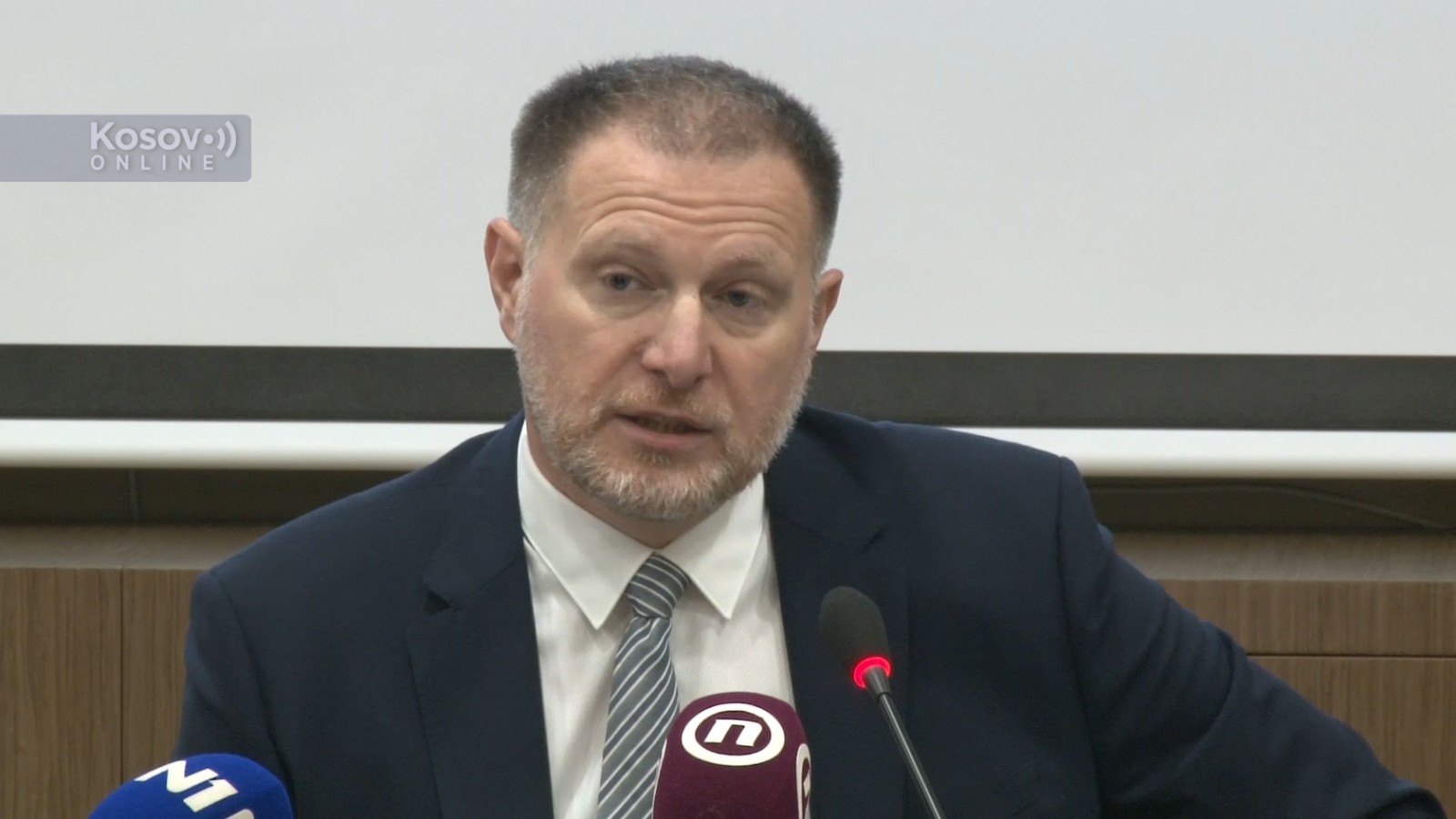
Dragisa Mijacic, the Coordinator of the National Convention for Chapter 35, says that mentioning the possibility of confrontation in northern Kosovo by Miroslav Lajcak should be taken very seriously.
"We have not heard such assessments from Lajcak and other representatives of the international community before, which indicates that the security situation is truly difficult and full of challenges, but also that the international community, including Lajcak himself, is powerless in finding solutions to the accumulated problems. It is also concerning that Lajcak mentions both confrontation and normalization in the same sentence, alluding to the problems in the implementation of the recently reached Agreement on Normalization," Mijacic stated.
He adds that Lajcak's words once again show that there can be no normalization without resolving the crisis situations in northern Kosovo, which were naively disregarded during the negotiations in Brussels and Ohrid.
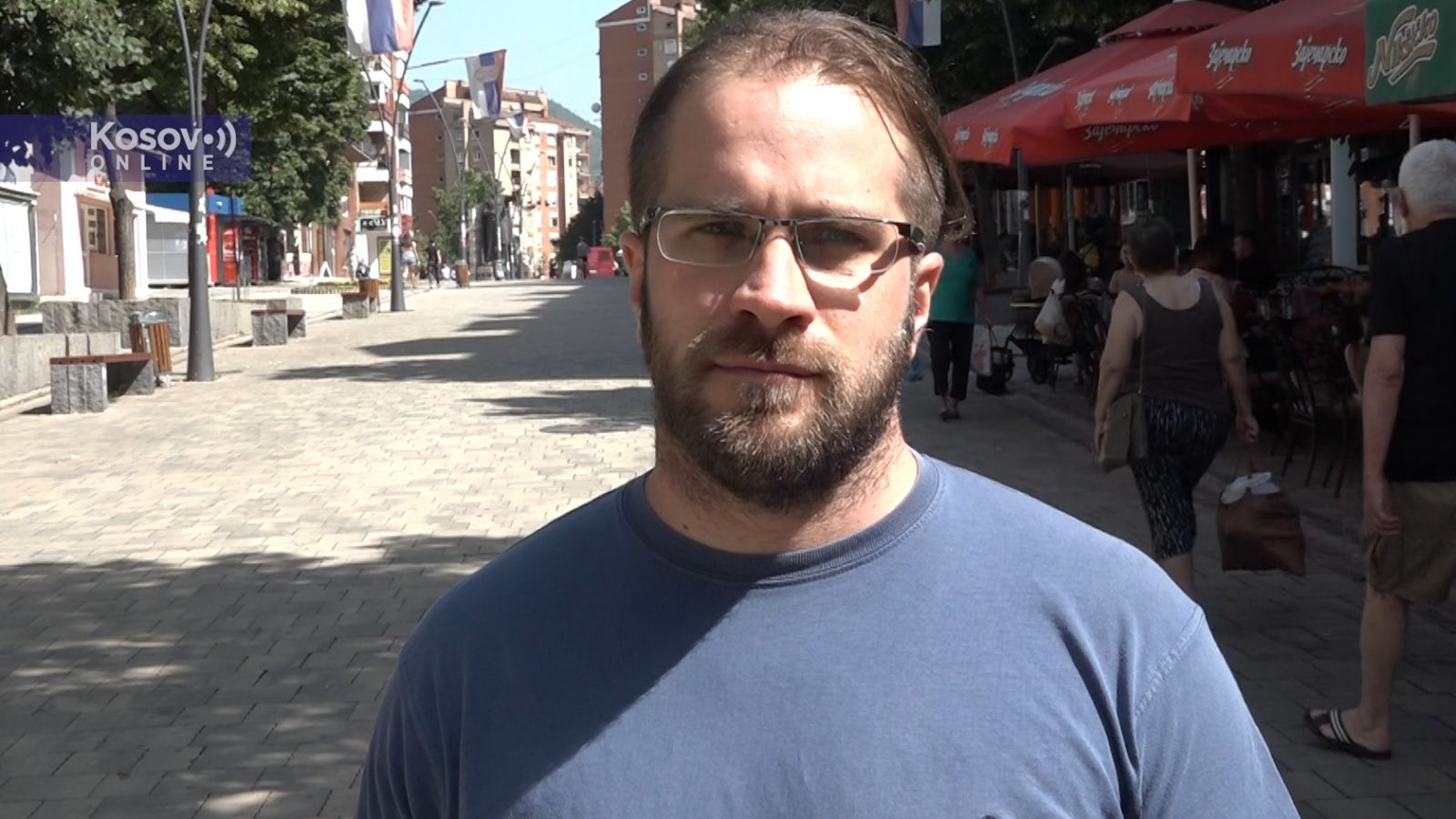
Political scientist Ognjen Gogic says for Kosovo Online that Europe is aware that there are risky questions to which it has no answer and which can lead to new conflicts. He also states that the relations between the two sides go in cycles, in the sense that there are shorter periods of cooperation and dialogue, which are followed by periods of crises and confrontations.
"This is the lawfulness in those relations. We had agreements in Brussels and Ohrid that were supposed to guarantee better relations, and then a few months later, we are talking again about crises and possible confrontations," he noted.
He adds that the predispositions for confrontation primarily exist in northern Kosovo.
"This primarily refers to the elections that were recently held there without the participation of Serbs and the formation of new government institutions that are illegitimate because they are supported by a small number of people living in the north. An attempt to take over those municipalities in this way will encounter significant resistance, which is a security risk. Secondly, some measures that are currently announced, such as the opening of the bridge over the Ibar River, are also risky. So, there is a lot of incendiary material for which the European Union has no answer," Gogic points out.
According to him, the statement by the EU's special representative, Miroslav Lajcak, confirms this, as he expresses concern about the situation, but it also confirms what Josep Borrell said, that they acknowledge the existence of risks they cannot influence.
On the other hand, Gogic notes that Pristina is attempting to resolve these issues by increasing the number of special police forces in northern Kosovo, which actually deepens the distrust of both sides.
"In addition to all this, there is the story of expropriation in Leposavic, which further complicates the relations and the situation, as well as the issue of license plates that has not yet been resolved. All of this indicates that there are many sources of instability and contentious issues on the ground that can lead to serious confrontations, barricades, or even gunfire. Europe is well aware that these risky issues have no answer and can cause new conflicts," Gogic believes.
Our interlocutor also assesses that the normalization of relations as such has never been on the table and adds that we can rather speak of stabilizing the relations between Belgrade and Pristina.
"During the past year, in summer, autumn, and winter, we had those so-called crises in northern Kosovo, with barricades and situations where shots could be fired. What happened in Brussels and Ohrid was supposed to stabilize those relations. Normalization implies a long-term solution to the relations. It is one of those terms that are floating in the air without anyone knowing what they actually mean," Gogic concludes.


0 comments