
Political change or abstention – Are young people in Kosovo losing trust in elections?
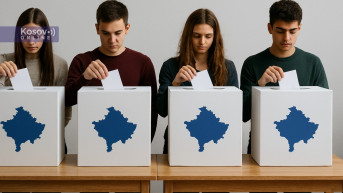
During the previous two election campaigns, the leader of the Self-Determination Movement and caretaker Prime Minister Albin Kurti promised young people solutions to economic and social issues, as well as a fight against corruption. However, due to unmet expectations, young people have lost trust in the electoral process, experts from Belgrade and Pristina told Kosovo Online. They assess that, for this reason, low turnout is expected among this age group in December, as young people increasingly see their chances for a better life abroad rather than through political change.
Written by: Jelena Novakov
Between 25,000 and 30,000 new voters will gain the right to vote by 28 December, while between 2021 and February this year around 126,000 young people voted for the first time—only six percent of Kosovo’s population—which raises questions about whether youth can significantly influence election outcomes.
According to a Friedrich Ebert Foundation (FES) survey, an average of 45 percent of young people voted in previous elections, meaning their political participation remains relatively low. Their priorities for the upcoming elections remain unchanged, centering on labor market opportunities and the fight against corruption.
Yet, given the relatively limited tangible results by the previous Self-Determination government regarding youth issues, interviewees warn that young people rarely turn to other parties; instead, they opt for abstention and seek better opportunities abroad.
Between 2021 and 2024, more than 142,000 people emigrated from Kosovo due to economic difficulties, many of them young. Visa liberalization has allowed them to stay abroad for up to three months, where some work illegally.
Unmet Expectations
Political scientist Ognjen Gogic believes that Kurti did not fulfil the promises he made to young people, which not only reduced support among this age group but also led many to disengage from elections entirely.
“One of the reasons Kurti became such a dominant figure in Kosovo’s political life was that he addressed young voters most effectively in 2019 and again in 2021. Research conducted during this generational shift showed that young voters were decisive in those elections and largely supported Self-Determination because they believed it would bring change compared to the traditional parties formed in the 1990s, often linked to the KLA, and which were viewed as responsible for corruption and institutional stagnation that prevented young people from finding employment,” Gogic said.
Kurti’s messages at the time, he adds, promised to unblock institutions, fight corruption, and eradicate it—creating opportunities for young people to get jobs.
“These promises were not fully met, so by 2025 support for Kurti among young people declined; however, they did not turn to other parties. Instead, they disengaged. As a result, youth participation in the 2025 elections dropped,” he said.
Gogic notes that young people primarily care about employment, but the labor market cannot absorb them. There are not enough opportunities, so the only parties they might support are those they believe will genuinely fight corruption.
“For young people, the main concern is how to leave Kosovo. This applies to all communities—not only Albanians, but also Serbs, as well as Gorani and Bosniaks. Visa liberalization in 2024 made it even easier for them to leave for short-term stays of up to three months, working legally or illegally, and seeking permanent employment abroad,” he said.
He added that young people are more focused on leaving Kosovo than on politics, and that low youth turnout should be expected because they do not believe the political situation can change in ways that address their needs.
“The institutional crisis seems to have demotivated all voters, as shown by lower turnout in the October local elections compared to the parliamentary elections in February, and even lower turnout in the November second round. The declining turnout trend is most visible among young people. Parties may be retaining traditional voters, but they are failing to attract young voters who are less invested in politics. They will likely be even less able to rely on youth support in the upcoming parliamentary elections,” Gogic concluded.
Young People Have Lost Trust in the Democratic Process
Dušan Borisavljevic from the Youth Center Gracanica agrees that young people have lost trust in the electoral process and that elections no longer represent what they imagined democracy to be. He does not expect large youth turnout on 28 December—especially not among minority communities.
Borisavljevic said that everything that happened after the February elections left the impression that the process was not serious.
“For months, the authorities failed to produce any positive outcome from those elections—no improvement to daily life or quality of life. I fear that young people, especially those from minority communities, will again vote in small numbers,” he told Kosovo Online.
He stressed the importance of young people and minority communities turning out in larger numbers and supporting those they believe are best suited to represent their interests.
“We hope for the best, but expect the worst,” Borisavljevic said.
Clear Communication Needed
Pristina-based activist Marigona Shabiu warns that many young people will not vote on 28 December without credible informational outreach, clear communication about why these elections matter, and concrete answers from parties to economic and social issues. She noted that this age group is generally disappointed with politics and does not believe that elections will change their living conditions.
“First-time voters and young people across Kosovo increasingly tell researchers that their most urgent concerns are tangible, everyday issues: access to decent jobs, quality education, reliable healthcare, and opportunities to stay in Kosovo instead of feeling forced to emigrate. Many see unemployment, low wages, corruption, and nepotism as key obstacles to their future. Therefore, economic reforms, transparency, and social services are at the top of their political priorities. Surveys and interviews from 2024 and 2025 suggest that many young people lean toward parties that promise real change on these issues, particularly those with anti-corruption platforms and narratives of social mobility,” she said.
Shabiu noted that higher youth mobilization is possible but remains uncertain because youth turnout in February 2025 was only moderate, indicating persistent challenges.
“Young people often abstain due to disappointment with politics, lack of trust in institutions, belief that voting does not change their living conditions, poor information about where or how to vote, complicated logistics, work or university obligations, transportation issues, and general election fatigue—especially with three election cycles this year. Observers in 2025 also reported practical problems: many voters could not locate their names or polling stations, which discouraged participation,” she said.
Turnout Differences Among Youth
She added that she expects significant differences among various groups of youth—those with higher or secondary education, urban vs. rural, and between young men and young women.
“Young people with higher education tend to be more engaged, better informed about political debates, and more attuned to issues such as governance, rule of law, and institutional reform. Those without higher education prioritize immediate economic needs—jobs, wages, stability—and may react more strongly to promises of economic relief or employment opportunities, making them more vulnerable to clientelistic or localized political appeals,” she said.
Gender also plays a significant role. Reports show that women are underrepresented in campaigns and face structural barriers that reduce their participation.
“Young women often face limited outreach, traditional expectations, and fewer campaign messages addressing their issues. Their turnout may remain low unless political actors engage them specifically on topics like education, healthcare, or access to opportunities. Reports from the 2025 campaign show that women were underrepresented among campaign participants,” she explained.
Differences between urban and rural youth are also significant, she added.
“Urban youth are generally better connected to information, media, and civil society networks, making them more aware of political choices and more likely to vote. Rural youth often face practical barriers—transportation, fewer polling stations, limited targeted engagement, and more localized concerns—which affect how and whether they vote,” Shabiu said.
What Do Young People Say?
A Kosovo Online survey shows that young people nevertheless believe it is important to vote in the upcoming elections to express their political views and bring change.
“I will vote in the December elections. It’s important because we must choose wisely and I think we need change,” said Genc.
Amisa, a 20-year-old student, also said she would vote, and that she believes young people in Kosovo do have a future.
“I think it’s very important to vote and express our opinion,” she said.
Sabit, a young man of Kosovo Albanian origin living in California, said all Albanians in Kosovo should vote, think carefully, and push for change. He called on caretaker Prime Minister Kurti to invest more in hospitals.
“I want to say one thing—if Albin Kurti somehow sees this, I hope Kosovo will invest in hospitals. You see millions going into hotels and similar projects, but I think Kosovo must invest in hospitals and improve them,” he said.
Dijar, who now lives in Germany, also said he will vote on 28 December.
“I will vote. This is important for me. We must choose our leaders,” he said.



comments