
The role of Athens for the future of the Balkans: What will be on the "menu" at Mitsotakis?
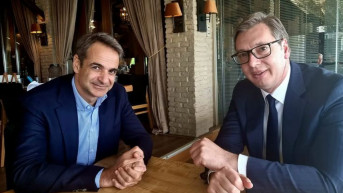
By gathering European and regional leaders tonight in Athens, at an informal dinner organized by Greek Prime Minister Kyriakos Mitsotakis, which will be attended by Aleksandar Vucic and Albin Kurti, Greece wants to position itself as one of the important factors when it comes to the situation in the Western Balkans, especially in the normalization of relations between Belgrade and Pristina, the interlocutors of Kosovo Online point out.
Those familiar with this topic point out that these ambitions of official Athens come as a response to the strengthening of Turkey's influence in the region, but also to the threat of the "Greater Albania" project, which was particularly revived during Kurti's recent visit to Tetovo and Skopje.
Although the meeting in Athens has been two decades since the Thessaloniki Summit where the European Balkans was promoted, which is why High Representatives of the European Union, President Ursula von der Leyen, and President of the European Council Charles Michel, are coming to the capital of Greece, it is almost certain that on the "menu" of the dinner at the Mansion "Maximos", in addition to European integration, other "hot" issues in the region, above all Kosovo could be found.
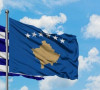
Relations between Athens and Pristina in recent months have been marked by frequent meetings between Greek and Kosovo officials and Greece's reticence during the vote in the Council of Europe on Kosovo's request to start the process for membership in that organization, which has once again brought up the question of whether official Athens will change its position and recognize Kosovo.
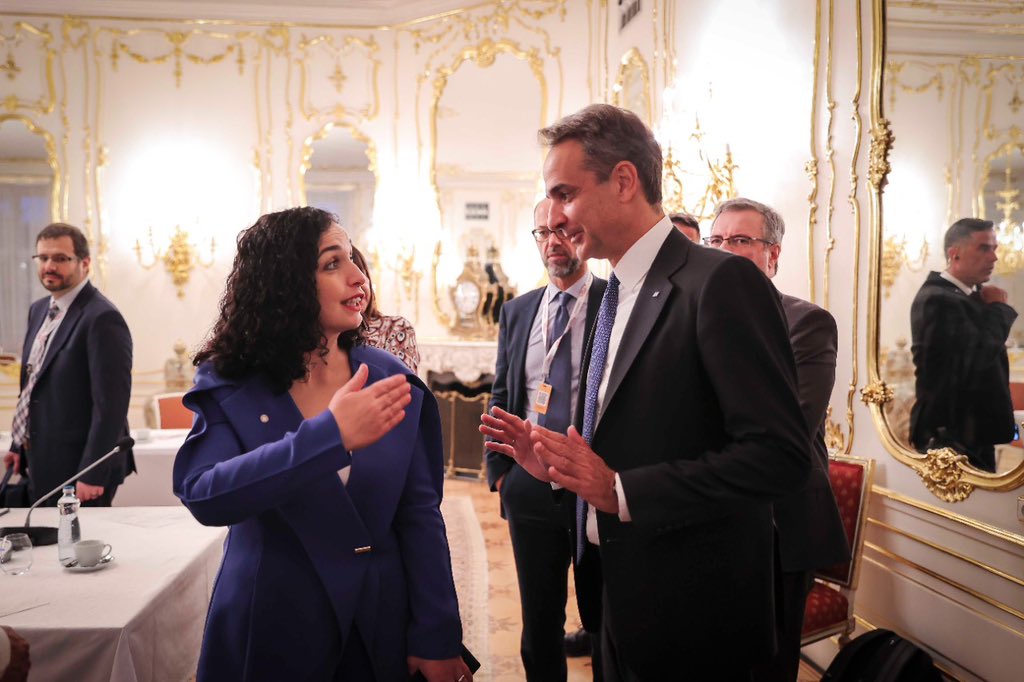
The messages of Prime Minister Mitsotakis and the new Greek Government were clear - that this position would not change.
Diplomat Zoran Milivojevic is of the opinion that, although Greece is considered the "weakest link" among the five EU countries that do not recognize Kosovo, it will not change that position. Milivojevic tells Kosovo Online that the new Mitsotakis Government was clear that there would be no U-turn in Greek policy.
"Greece, above all because of Cyprus, has every reason to adhere to the international principles of sovereignty and territorial integrity in protecting its national interests. What happened in North Macedonia during Kurti's visit, the promotion of a "Greater Albania" is only a plus in support of this policy of Athens. Due to developments in these areas and some nationalisms, it is important to stick to principles. For Greece, the Cyprus issue and relations with Turkey are a priority," Milivojevic says.
The fact that Kurti will be at the meeting in Athens, he points out, indicates that there will be an attempt to once again underline the EU's interest in de-escalation and the return of dialogue based on the Ohrid Agreement.
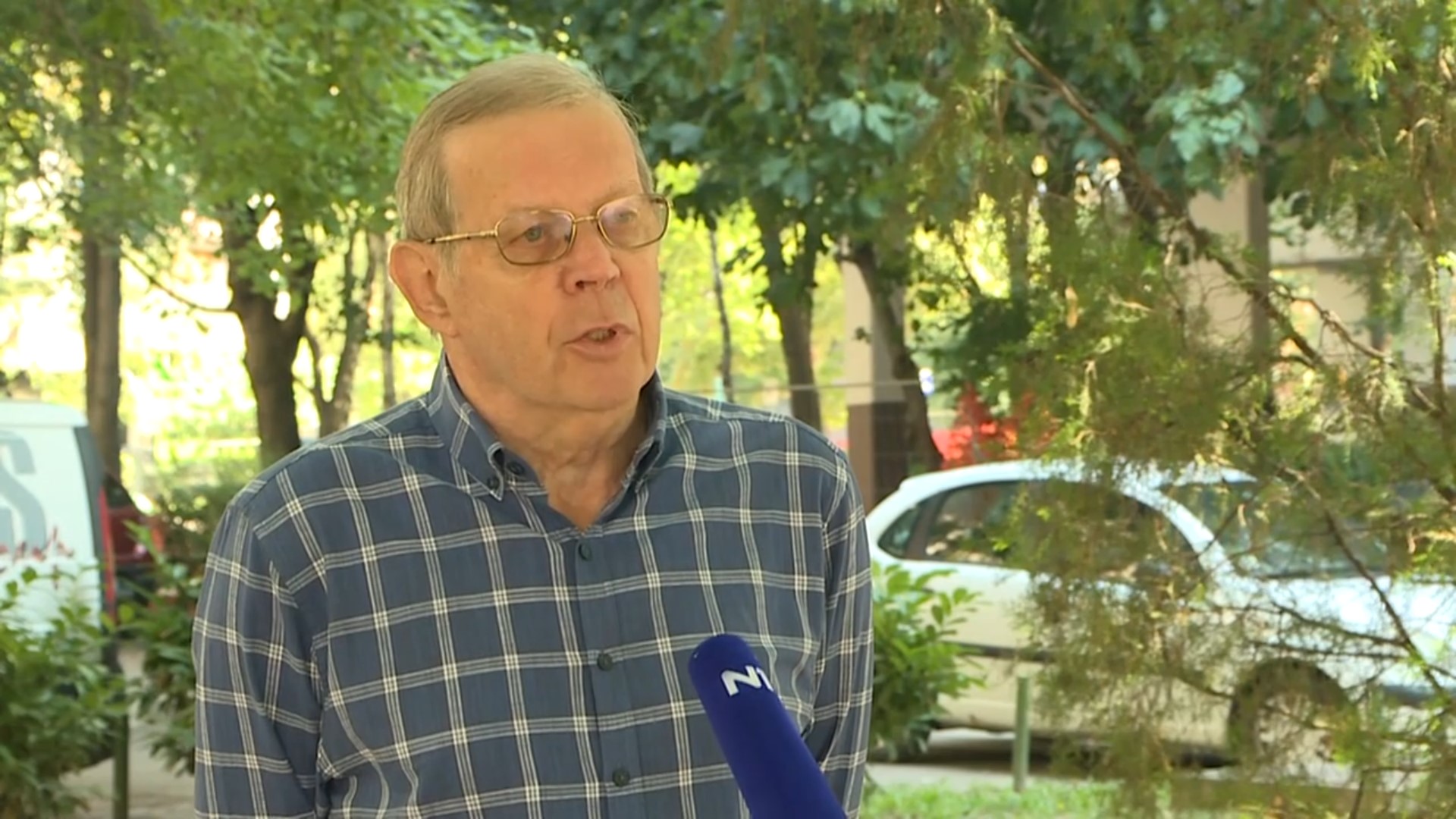
"Greece's interest is to affirm its position, it is a key country in the south of Europe as an EU member, and this is Athens' attempt to regain the influence it had at the time of the Thessaloniki Summit. In the meantime, Greece got into problems; now it is the most indebted EU member and this is an attempt to affirm Greece as a member of the EU and as a country that has a special role here. It is, after the election, Mitsotakis' new policy, to return Greece to the level of an influential factor. Greece is hosting tonight's meeting based on a harmonized European approach to the Western Balkans, including the Ohrid Agreement, which was supported and accepted by all 27 EU countries. So, the issue is not the recognition of Kosovo, but the European plan supported by Greece," he says.
On the other hand, he continues, Greece has an interest in returning to the stage in the region and in relation to its rival Turkey.
"Greece is in a more inferior position compared to Turkey; Turkey is bigger and a regional power and its influence in these areas is also very present. There is also a third dimension, Greece is a country that is quite close to Washington and the US sees the function of Greece through strengthening its influence in countering the influence of Russia and China, in suppressing the `TurkStream’,'' Milivojevic says.
When it comes to the developments in Kosovo, Milivojevic expects at the meeting in Athens the affirmation of all those positions of the EU regarding the de-escalation of the crisis in the north, with a clear message that the solution of the Kosovo and Metohija issue, on the platform of Brussels, is seen as a condition for progress in European integration. There is new pressure on Serbia, along the lines of equating us with Kosovo, by calling for the two sides to do what is required of them. According to Milivojevic, they will demand from the Serbian side that the Serbs unconditionally participate in the new elections. We will see if they will mention the Community of Serb-majority Municipalities.
He also indicates that Serbia's position will not change, namely de-escalation, the withdrawal of the Kosovo Police from the north, the release of the arrested Serbs, the disempowerment of Albanian mayors, the cessation of repression, and the imposition of political solutions by force, with full compliance with the Brussels Agreement and the CSM.
"All the demands of the Serbs in Kosovo must be taken into account. For now, there is no de-escalation, and the moves that Pristina is taking do not fundamentally go in that direction and do not create space for a peaceful solution and the continuation of the dialogue. And the continuation of the dialogue implies a return to the original state, the total fulfillment of the Brussels Agreement, because it is a condition for the Serbs to return to the institutions, to participate in any political process. They must be guaranteed normal, elementary human rights, the right to life, and a normal living. That means elections, dialogue, but not under conditions dictated by Pristina," he says.
Milivojevic believes that the Serbs will not fall into the trap of entering the process imposed by Pristina, of going to the elections, and thus giving legitimacy and legality to the violent behavior of the Pristina authorities.
He expects that at the commemoration of the 20th anniversary of the Thessaloniki Summit, the European perspective will be repeated on a familiar basis and the EU's interest in keeping the Western Balkans high on the agenda.
"That is the first thing we will hear, that the EU sees the Western Balkans in its community, that the enlargement is not a 'dead letter' on paper. The second question is what will happen from it," our interlocutor says.
It points to another dimension of the gathering in Athens, if, as announced, Ukrainian President Volodymyr Zelenskyy will also come.
"That would be a confirmation of the most important criterion for European integration at the moment, which is the relationship toward Russia and Ukraine, and the sanctions against Russia. And in this sense, we should expect pressure on Belgrade. The second dimension, if Zelenskyy comes, is an attempt by Washington and the West, given the role of the US in Greece, to further affirm the Ukrainian issue through those regional gatherings and to exert pressure on this region to definitively round off the story regarding relations with Russia, bearing in mind that Serbia and Bosnia and Herzegovina have not imposed sanctions on Moscow," Milivojevic concludes.
Professor from the University of Novi Sad, Rastislav Stojsavljevic, tells Kosovo Online that Greece's initiative in the direction of events related to Kosovo should be viewed in the context of what happened during Kurti's visit to North Macedonia when the Greater Albania project was promoted.
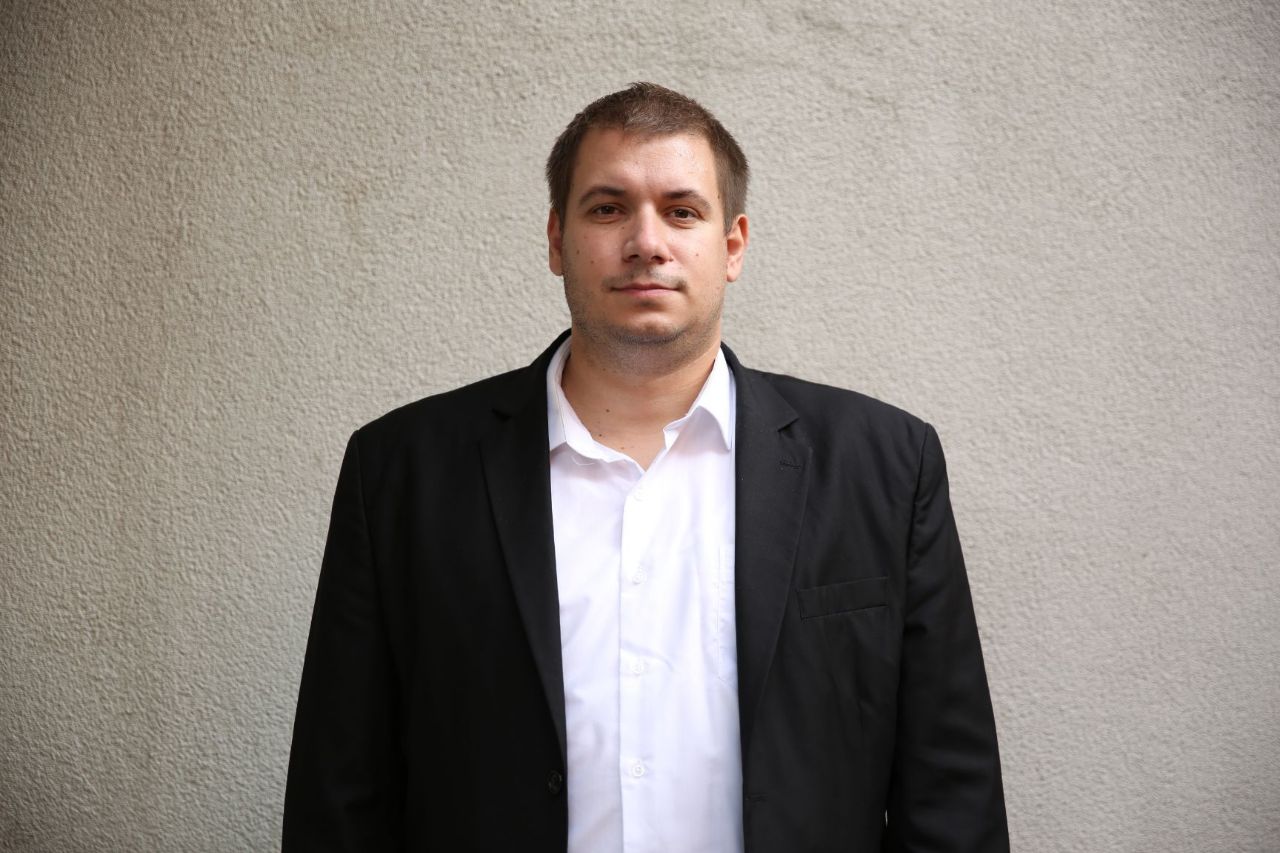
"Greece knows very well that this project also threatens its territory, especially Epirus, where a significant number of Albanians live. Kurti's goal is a 'Greater Albania’; the independence of Kosovo is only a waypoint towards that. Greece recognizes this and may be the only one that reacts and is looking to act proactively, in order to protect its northern borders," Stojsavljevic says.
He also points to the "Turkish factor" to which Greece, by assuming a mediating role when it comes to Kosovo, wants to respond.
"After receiving a new mandate, Erdogan is getting even closer to the West. Greece is watching all of this carefully and is trying to strengthen its influence in the region. It should be recalled that the Turkish contingent of soldiers has arrived in Kosovo and is now the most numerous in the KFOR camp; official Ankara is arming the so-called Kosovo Security Forces. I believe that official Athens is watching all of this very carefully," the Professor points out.
He does not expect any great achievements from the meeting in Athens when it comes to progress in the dialogue between Belgrade and Pristina. He points out that Pristina, for its part, in the previous months did not fulfill practically anything that it accepted and committed to in the Agreement from Brussels and the annex from Ohrid, even though all EU members stood behind it.

comments