
The situation after the failed elections in the North: Are there winners and who are the real losers?
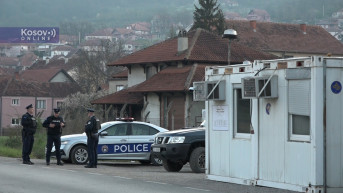
Among the Albanian parties that, based on the results of the extraordinary local elections, will be in charge of leading the four Serbian municipalities in the north of Kosovo, according to the opinion of the interlocutors of Kosovo Online, there are no real winners. They believe that democracy suffered the biggest defeat, while the citizens of the north of Kosovo stand to lose the most due to the new situation.
According to analyst Dusan Janjic, after, as he says, illegitimate elections, there are actually no winners, and international representatives, primarily Germany and France, have created an image of "false optimism and progress."
"Everyone lost. The fact that Germany and France can temporarily say 'Here we got back at Serbia' for I don't know what, probably for the election of Jakov Milatovic as the President of Montenegro, does not work in reality. They led to the election of people as mayors who will never perform that function and will deepen the institutional and security vacuum," Janjic told Kosovo Online.
The elections, he believes, were a kind of conflicting measure unilaterally withdrawn by Pristina, with previous support from the Quint, and it is good for Belgrade and the Serb List that this situation leads to the completion of the formation of the Community of Serb-majority Municipalities and a repeat of the elections.
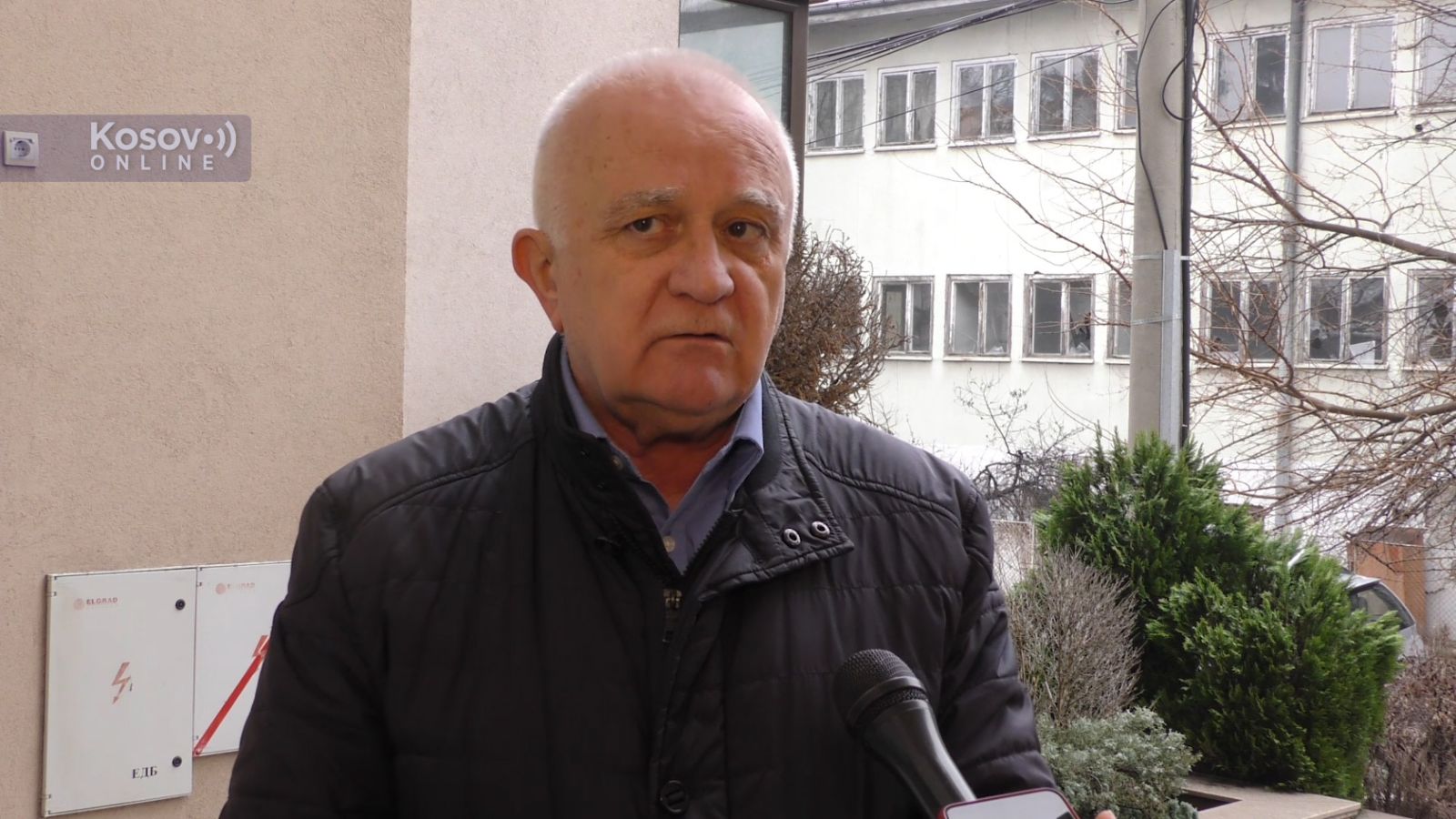
With the arrival of Albanian representatives at the head of four municipalities, as Janjic points out, a buffer zone has been created in which the new mayors will not be able to perform their functions on the one hand, while on the other, tensions on the ground will increase.
"There will be problems in the financing of administrative and other work at the level of municipalities in the north because it is in the hands of the mayor. We have seen that they are ready to abuse those instruments for the political discipline of the Serbs and the promotion of their Self-Determination and PDK parties. This can be seen from the decision on the bridge, and the changes to the flags... The citizens of the north of Kosovo lose the most. The election was a zero-scoring game. And that is not a positive, but a negative zero, because it raised the spiral of the crisis to a new level and now the crisis is no longer political, but, first of all, security and reduced to the struggle for military-police control of the territory," Janjic states.
Coordinator of the National Convention for Chapter 35, Dragisa Mijacic, tells Kosovo Online that the elections showed that Albin Kurti won in his intention to copy Slobodan Milosevic. According to him, the extraordinary elections in the north of Kosovo primarily served for the Pristina authorities to show that they can organize elections in the north despite the boycott of all the political subjects of the Serbs who live in the majority in that area.
"In those elections, Albanians were elected who do not have the democratic legitimacy to represent the majority community. We had the same situation in the 1990s when Milosevic organized elections in municipalities with a majority Albanian population, also with the presence of armed policemen. The elections showed that Kurti won in his intention to copy Milosevic. As for the decisions that will be made by the new municipal authorities, their implementation will depend on the level of tolerance of the international community to the repression of the Kosovo state apparatus on the residents of these municipalities, but also on the behavior of the local community. In any case, the extraordinary elections are a defeat for democracy and as such will not contribute to the strengthening of trust between the central authorities and the local Serbian community in the north,” Mijacic says.
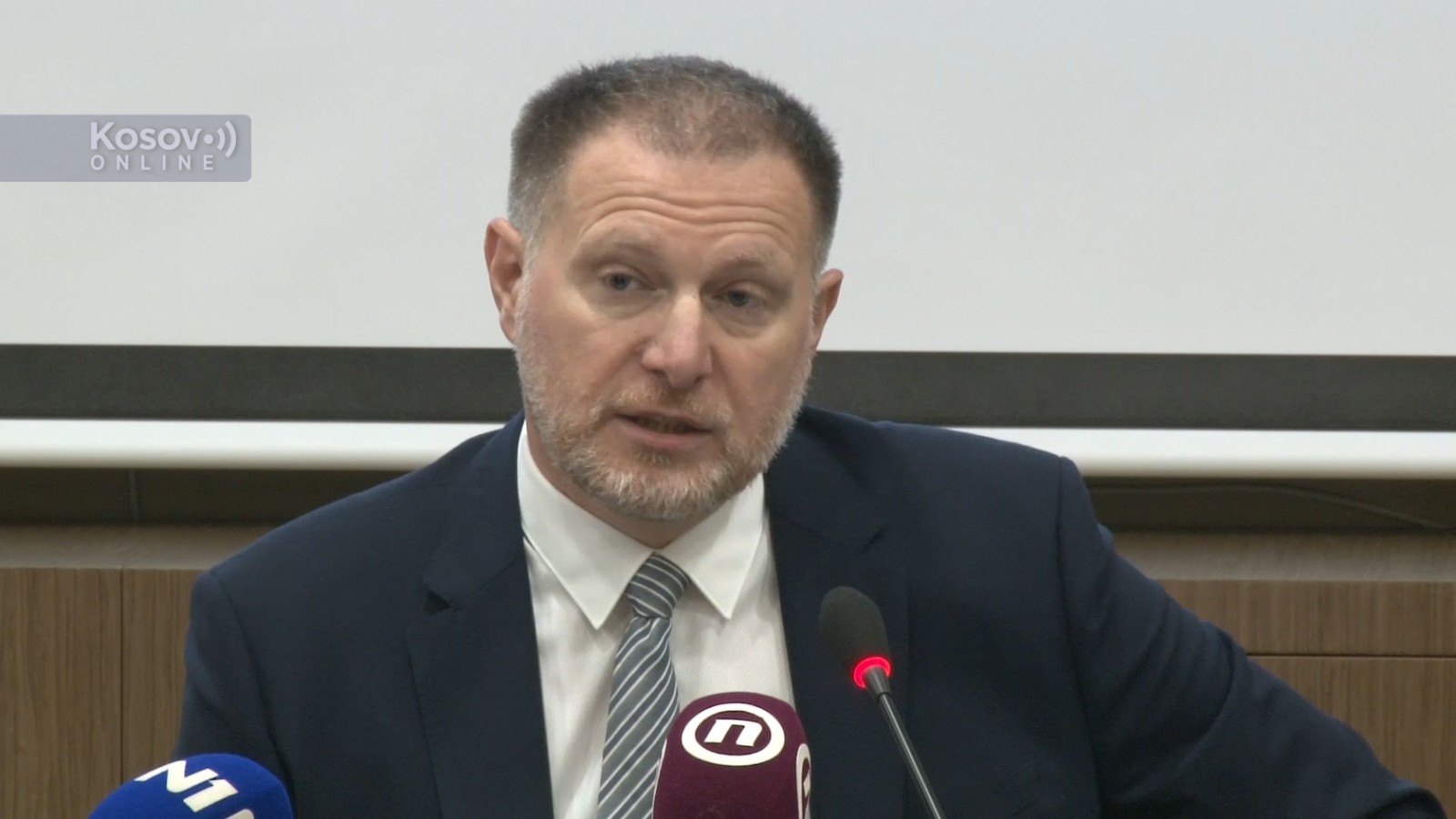
The new mayors of North Mitrovica, Leposavic, Zvecan, and Zubin Potok are from the Democratic Party of Kosovo and Self-Determination, and Mijacic says that although they formally won, they do not have the legitimacy to rule these municipalities.
"Therefore, it is a Pyrrhic victory. As there will be no democratic control of their work, the longer they are in those places, the greater the probability of reckless spending of budget funds. In the north, there was already a similar situation from 2008-2013, and then Albanians managed municipal budgets in the north, mostly spending money on infrastructure projects in their villages, ignoring the needs of the majority population. The longer this situation lasts, the bigger the problem will be for the Government of Albin Kurti," Mijacic believes.
Political analyst Fadil Lepaja tells Kosovo Online that it is not possible to talk about the victory of the Albanian parties, but also about the victory of the Serbs, who boycotted the elections.
"I do not agree that it is a victory for the Albanian parties, nor a victory for the Serbian parties that boycotted the elections. It would be a victory for the Serbian community if warlike and undemocratic parties are replaced by civil, democratic, and European-oriented parties and politicians who will find a common language with their fellow citizens, become a bridge of cooperation between Kosovo and Serbia, and really represent the interests of citizens from the Serbian community in local and central institutions in Kosovo," Lepaja says.
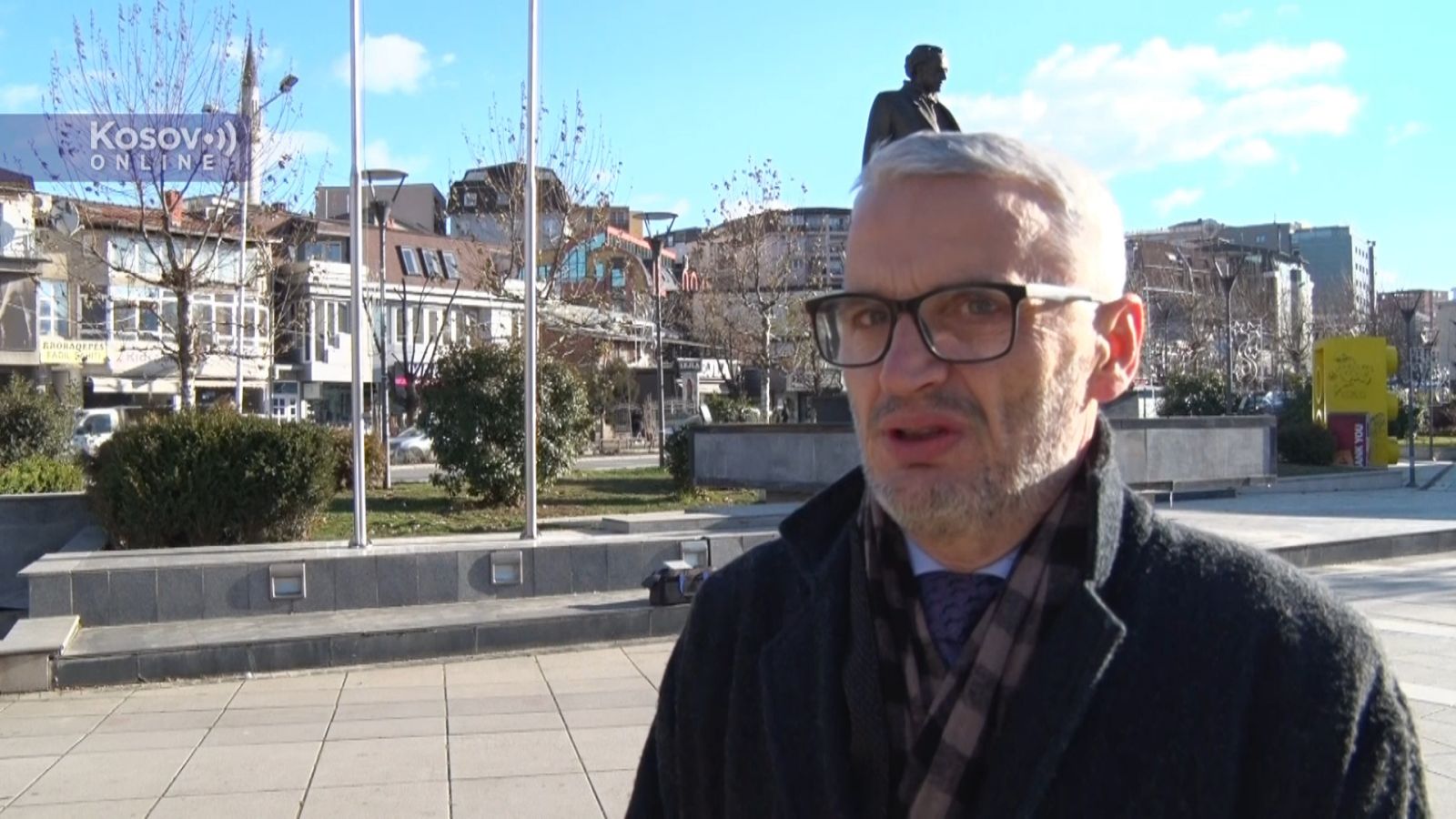
He assesses that "the boycott as pressure on the Kosovo government and the international community was rejected, that the results of the elections were recognized by all, and that it would be wise for Serbian politicians to avoid tensions and aggressiveness and to work to create the conditions for new elections as soon as possible where people who will best represent the interests of the Serbs and other citizens in these municipalities, in local institutions in Kosovo and in the Assembly of Kosovo, and to be represented proportionally in all institutions, as provided for by the Constitution and laws of Kosovo, will be candidates."
"European Kosovo and European Serbia will easily find a solution if they do not fall under the influence of non-European and illegal structures and interests," Lepaja says.

0 comments