
What is needed for normalization of the life of Serbs in Kosovo, how far are we from that?
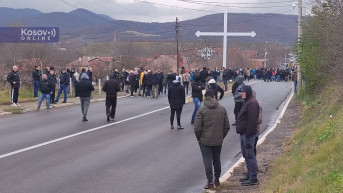
Serbs in Kosovo have been waiting for more than two decades for the conditions in which they live to normalize. Arrests, injuries, mistreatment, robberies, institutional violence are phenomena that they face almost every day. Despite the fact that a dialogue on the normalization of relations between Belgrade and Pristina has been held in Brussels for 10 years, according to the interlocutors of Kosovo Online, Kosovo Serbs still do not have a normal, peaceful and safe life.
According to writer and journalist Zivojin Rakocevic, democracy is what is urgently needed for normalization of the life of Serbs.
However, in Kosovo, democracy is not even in its infancy, believes Rakocevic, so it is impossible to predict what the normalization of life would look like.
"Ethnocracy reigns, that is, the supremacy of one people over another people, the supremacy of one way of life over another way of life, and we are actually prisoners of the idea that Albanians can and must rule us," Rakocevic points out.
He explains that without basic human rights, normalization of relations cannot be expected.
"The essence of the life of Kosovo Serbs boils down to one single word, ''patience'' and ''waiting for freedom'', that is, the development of a minimum of democratic relations. Anyone who has lived through these 20 years in his life has realized that there are forces that make everything he has meaningless, which poses him questions to be or not to be, the forces that tell him what he should be. The forces that dictate whether he is allowed to speak his language and which administration he belongs to. We have come to a paradoxical situation when we talk about normalization, and Kosovo joined UEFA , FIFA, Serbia was restrained when it was entering the Olympic committee, and today questions are being asked whether two villages, in the Serbian ghettos, can play an ordinary football match on a field. And we are shaking from the fact that someone will be found and arrested, because the local soccer teams are playing a game at the lowest possible level," says Rakocevic.
He adds that when you reach that level, you realize that these processes are destructive.
"And that these processes actually say the following - Kosovo Serbs have had one thought for 23 years: "leave us alone, if only for a little bit. Leave us in our ghettos, let bygones be bygones, let us develop our freedom," adds Rakocevic.
Rakocevic points out that in Kosovo, the normalization of relations is the search for a model to take a group's collective and personal sense of freedom. According to him, Serbs cannot expect normalization, because they are forced to "pay the administration that kills them".
"Who cares about a ghetto community on Shar Mountain, and why would all the forces turn against it, and why would that man shoot a child, while his dad pays taxes for that bullet that was fired into his child. As the bullet ended in Jovanovic the other night, paid from his pocket. And this is a new paradox in which we cannot expect normalization, because we are forced to pay the administration that is killing us," concluded Rakocevic.
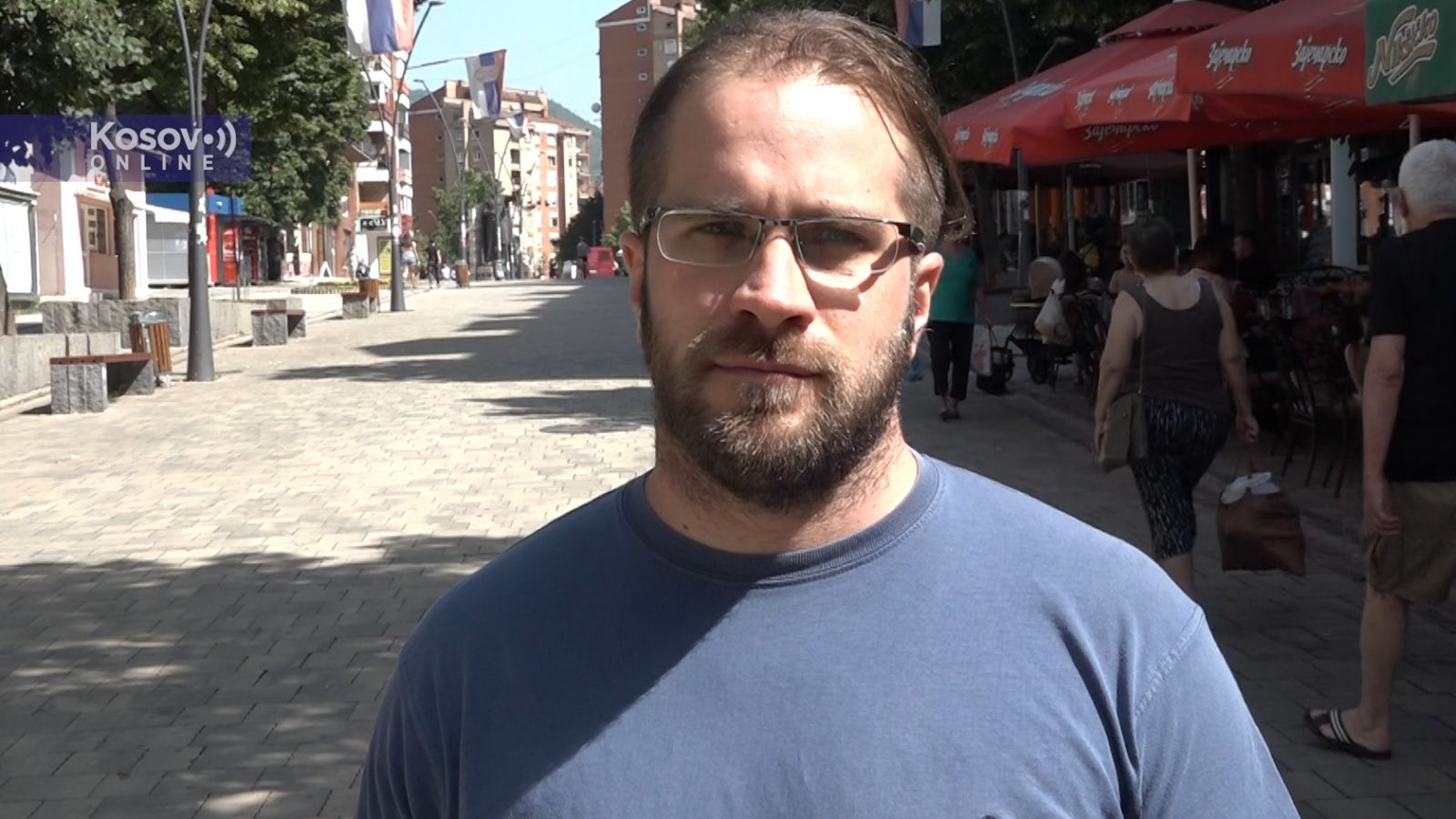
Political analyst Ognjen Gogic says that the Serbs in Kosovo live in a provisional state, that they do not know what the new day will bring them.
"The main problem with people that I hear and see is that uncertain future. That people cannot plan their lives, because they have no idea in which order they will wake up. There is a general feeling of uncertainty in the sense of what the future holds, in which system they will wake up, what rules will apply, they constantly live in a state of provisionality, and at the same time there is a threat of physical violence, and in such a situation you can't help being anxious," says Gogic.
He points out that the position of Serbs in Kosovo will not improve until the status regarding the governance of Kosovo is resolved.
"Until then, everything is actually a house of cards," says Gogic.
When you go a little deeper, adds Gogic, there are differences from place to place where Serbs live.
"We have a division between Serbs north and south of the Ibar River. However, I believe that we should have a division between Serbs who live in municipalities with a Serb majority and those who live outside those enclaves, villages and hamlets in Kosovo Pomoravlje, in central Kosovo and Metohija, where we don't have a single Serbian municipality. What they all have in common is the economic situation," says Gogic.
He emphasizes that the normalization of the life of Serbs in Kosovo is a long way off.
"We are very far from the normalization of life for Serbs, as time passes it seems that there are fewer chances to improve the situation, to create conditions for a better life that would motivate people to stay," concluded Gogic.


0 comments