
Why are PDK, LDK, and AAK unable to oppose Kurti?
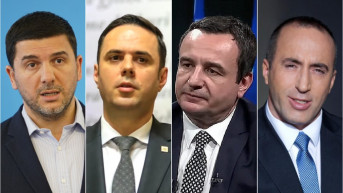
Representatives of the opposition parties in Kosovo are looking for ways to oppose the policy of Prime Minister Albin Kurti, which, according to them, is leading Kosovo into isolation, but for now, they have no way to threaten his position.
As reported by Gazeta Express, the opposition did not have enough votes for the possible overthrow of the government through a vote of no confidence.
Member of the Democratic Party of Kosovo Xhavit Haliti says that currently, the influence of the opposition parties on Kurti is very small.
"As far as I have seen, the opposition is not interested in starting any kind of protest in order to oppose the policy of the Government of Kosovo. Another option is for others to help us compensate for the votes so that the government falls," Haliti says.
He adds that in the case of the collapse of Kurti's government, the formation of new institutions would take several months.
The leader of the Democratic League of Kosovo, Lumir Abdixhiku, announced the idea to start articulating a common opinion, to oppose the "policy of confrontation between the Government of Kosovo and historical allies".
As Abdixhiku himself said, representatives of society from all areas, including political parties, would be invited to the meetings in order to inform them and discuss the LDK's plan for overcoming isolation and crisis.
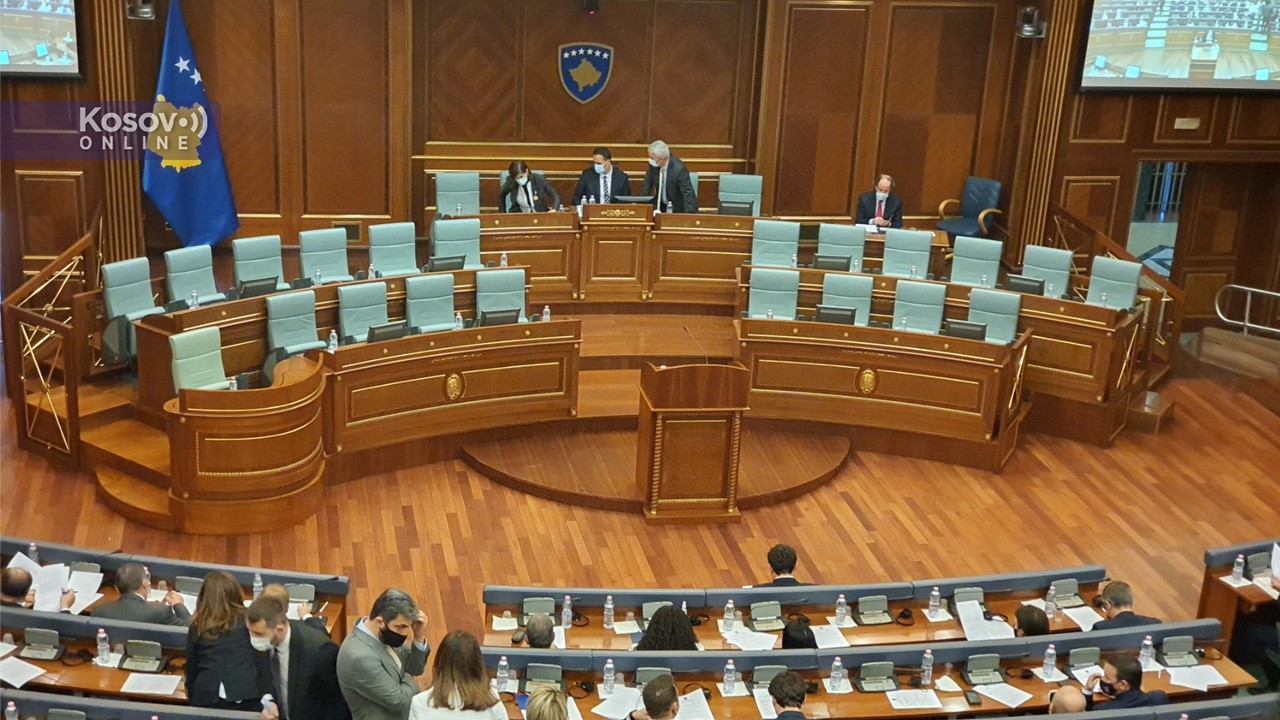
LDK Vice President Lutfi Haziri says that this initiative aims to prove that the people of Kosovo are pro-European and pro-American and will remain so, despite the fact that his government is "damaging relations with Western partners".
"We firmly believe that at this level the opposition should join the initiative of the president of the LDK and continue to move in this direction," Haziri says.
Haziri also highlights doubts about the success of a possible vote of no confidence in the government.
The president of the Alliance for the Future of Kosovo, Ramush Haradinaj, presented the idea of a vote of no confidence in the government of Albin Kurti at the beginning of June, calling it "the right solution".
He expressed a similar position two days ago, saying that "today's proposal for the removal of Albin Kurti is of national interest." He invited the opposition, as well as government representatives, to join him.
Member of Parliament of the Alliance for the Future of Kosovo Time Kadrijaj says that the opposition is aware that without the help of MPs from the ruling coalition, the vote of no confidence in Kurti's government cannot be successful.
"We can organize debates; we can organize round tables, an opposition front. Maybe protests are an alternative, but there is still no such commitment," Kadrijaj says.
Analyst Agon Maliqi says that the opposition parties are in a difficult situation because for them the whole context is a "political trap".
"This is particularly problematic if calls for the overthrow of the government continue. Due to the number, if you look at the math, the votes of the Serb List will also be needed. In this context, the opposition is in a big dilemma and politically in a slippery situation," Maliqi says.
He, however, assesses that the opposition should, just in case, prepare for extraordinary elections, if the government judges that it needs a new mandate - either for the current course or for a course that leads to compromises.
In such a situation, adds Maliqi, the opposition must be ready to go to the elections with a common platform for the technical mandate and with a common candidate for Prime Minister.
"I think the opposition is powerless with the number it has now. It is powerless because of the dominance and hegemony that Prime Minister Kurti has in public opinion, especially around the topics of the north and negotiations. But I think it is not completely powerless if it works together and cooperates with elements that could be dissatisfied within the existing majority.
In this context, the opposition has room for maneuver to dictate the course of events," Maliqi says.


0 comments