
Why does the Management Team for CSM bother Albin Kurti?
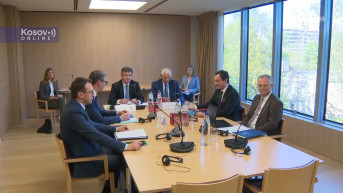
Just a day after the Draft Statute of the Community of Serbian Municipalities was presented in Brussels, on May 2, Kosovo Prime Minister Albin Kurti dissolved the Management Team, and because of that move, which was also condemned by the European Union, there can be no further negotiations and it is now up to the EU to force Pristina to stick to the letter of the agreement, according to Kosovo Online interlocutors.
Already on the evening of May 2, after the last round of dialogue at the highest level, it was clear that Albin Kurti did not want to accept the proposed Draft Statute of the CSM. A day later - the Management Team was replaced, and analysts point out that Kurti is not fundamentally bothered by the Management Team, as much as he is bothered by what they proposed, because he does not want to form the CSM.
After that move by Pristina, there was a reaction from Brussels, and the EU spokesperson Peter Stano said that the management team must function until the adoption of the Statute of the CSM.
That is why it is now the EU's task to ensure compliance with the agreement, which it is the guarantor of, and to ensure the continuation of the dialogue.
The former president of the Executive Council of Kosovo and Metohija, Zoran Andjelkovic, points out that the only truth is that the CSM Statute should be made based on the agreements from 2013 and 2015 and that, based on those agreements, it is within the competence of the Management Team.
Since Albin Kurti is trying to avoid the obligation to form the CSM, he is trying to challenge the Draft Management Team that was presented on May 2 in Brussels, claiming that this document is not in accordance with the Constitution of Kosovo.
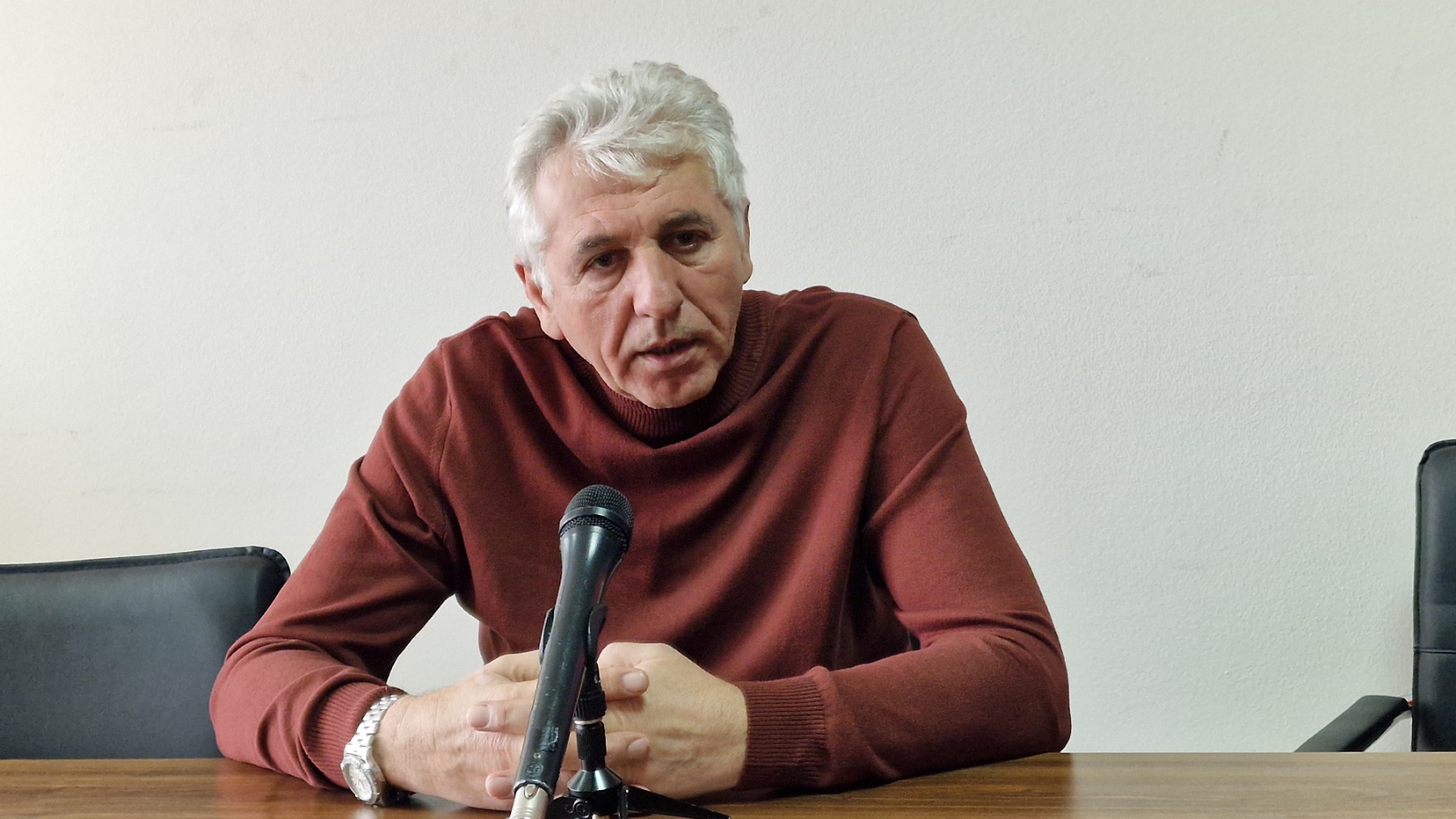
"Kurti pretends to be silly and pretends that he doesn't know about 2013 or 2015. He was trying to plant a story that, first, he doesn't want any CSM, and then that they should propose some kind of statute that is in line with their so-called by the constitution. It is clear that it should be done according to what was signed in 2013 and 2015, and that it should be done by the Management Team, which was authorized to do so in 2015," Andjelkovic said.
He believes that what was agreed in 2013 and 2015 in 22 items bothers Pristina, because it ensures the functioning of the CSM.
Kurti would like, Andjelkovic explains, for the CSM to be in fact "a platitude with a name", without essentially having any authority, nor the ability to ensure safety, peace, security, nor the preservation of the language, alphabet, schools, hospitals and everything that is Serbian belongs to the people of Kosovo.
Kurti, he says, is not fundamentally bothered by the Management Team, but what that body has proposed bothers him, given that it conflicts with his idea of the CSM.
"He is against the Management Team, because not only is the presented draft not in his favor, but it is contrary to his thinking, which is against the formation of the CSM," Andjelkovic assesses.
When asked what can be expected from the continuation of the dialogue, given that the spokesperson of the European Commission, Peter Stano, said that by dismissing the Management Team, Pristina violated the agreement, Andjelkovic states that it is now up to Kurti and the EU to see how they will implement what was signed and what guarantees are given.
Kurti, he says, can dismiss his part of the Management Team, but that means he is working directly against what was signed in Brussels in 2013 and 2015.
"It's more Brussels' problem than Kurti's, to implement what they guaranteed and signed," Andjelkovic says.
He adds that it is part of the international obligation that there should be representatives of Serbs in the Management Team, who are responsible for participating in the drafting of the CSM Statute and that Kurti cannot dismiss them.
"It is not a matter of Albin Kurti's personal desire, because if it was, he would never have formed the Management Team, which is officially the proposer of the statute according to those documents," Andjelkovic said.
He notes that the dismissal of the Management Team and the disruption of the process of formation of the CSM will directly affect the dialogue, so that there will be no further negotiations.
In Pristina, they were mistaken, Andjelkovic points out, if they thought that by dismissing the Management Team, they prevented or avoided the need to form the CSM with the 22-item powers stemming from the Brussels Agreement.
When asked what can be expected from the EU, bearing in mind how they have behaved so far, Andjelkovic pointed out that he would like the opposite of what he expects to happen and for the international community to take measures that will force Kurti to implement what was signed.
He reminded that until now, the Quint has not condemned Kurti's moves when it comes to attacks on Serbs and undertaking all possible activities for the ethnic cleansing of Serbs from Kosovo, which is why he fears that he will not do much even now.
"I would like them to deny me, for me to be wrong and for Brussels to take measures that will force Kurti to implement what he signed and accepted in Brussels, and not to reward him with a candidacy for the Council of Europe and the like," Andjelkovic said.
Lawyer Milan Antonijevic says for Kosovo Online that the position of the European Union regarding the Management team for the CSM is completely legitimate and correct, while Albin Kurti, by disbanding the Management team, has shown that he is not cooperative and that he represents a party that is fundamentally not in favor of dialogue.
With his actions, he believes, Kurti has shown that he does not follow the path of building trust both towards the Serbian side and when it comes to mediators.
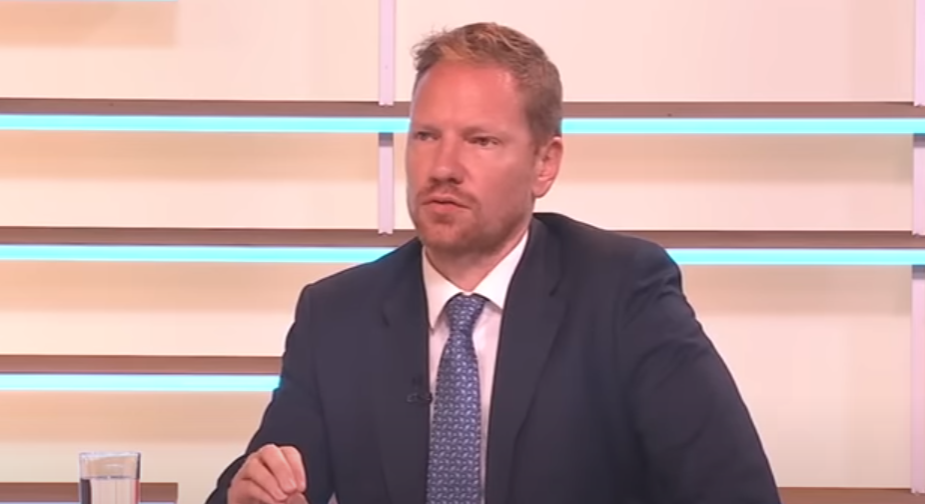
"I really think that on the side of the European Union there is a desire for reconciliation in the Western Balkans, and it is the same in this case. They do not take sides, but stick to the Brussels Agreement. And when you try to disqualify them in any way, as Kurti is doing at the moment, it is not correct and does not speak of trust in those who are mediators", Antonijevic assessed.
He believes that, when it comes to the formation of the CSM, the EU is committed to finding a solution that will benefit the Serbian community in Kosovo on the one hand, while on the other hand it will bring closer the positions of Belgrade and Pristina.
The European Union, he points out, in the context of the dialogue, is not on anyone's side and does not advocate the interests of either Kosovo or Serbia, but rather talks about human rights, about the rights defined by the Brussels Agreement, about the establishment of autonomy in the north of Kosovo, and that's all as he says, it goes in the direction of respecting the rights of those who live in Kosovo.
When asked why the Management Team for the CSM bothers the Prime Minister of Kosovo, Antonijevic emphasizes that Kurti's attitude indicates that he does not want the dialogue to continue and to take responsibility for his obligations.
"If you don't want a dialogue, then you will dissolve everyone who wants to contribute to that dialogue. Europe wants to take responsibility for that dialogue, Serbia wants to be at the negotiating table and be constructive, and everyone who has any good intentions must appreciate that. Every negative move by Pristina should be condemned even more clearly," said Antonijevic.
Speaking about Pristina's uncooperativeness, he also referred to the tragedies that befell Serbia last week, strongly condemning the Kosovo media that politicized the suffering of eight pupils and the guard of the Belgrade school "Vladislav Ribnikar".
He says that such irresponsible reporting on unfortunate events in Serbia and connecting those tragedies with events from the past indicates non-solidarity, lack of empathy and understanding for the Serbian people, which significantly complicates the implementation of the agreement and the realization of Pristina's obligations.
He also warns that the reporting from Pristina about the tragedy in Belgrade, which "leaves a bitter taste", further complicates the relations between the two sides in Kosovo, as mutual trust and security are undermined.
"I looked at some reports and they really don't go in the direction of building trust. I would like Pristina to approach the suffering of these children in Belgrade in a different way and that we don't have coverage of that massacre in which it is compared to anything that happened in the past. We, now, in the entire region have to develop empathy. I think it should be the duty of the public services in Pristina as well, so that the story in the school does not turn to anything other than the suffering of the eight children and the guard who tried to protect them", Antonijevic pointed out.
He harshly condemned all those who reported on the tragedies in Belgrade and Mladenovac in an inappropriate manner, as well as those who are involved in politics in Kosovo and made irresponsible statements.
A prerequisite for reconciliation and normalization of relations, political and economic, is to show humanity and solidarity in difficult life circumstances, Antonijevic concluded.


0 comments