
Ivanovski: States should be ready to introduce more serious measures in the fight against the energy crisis
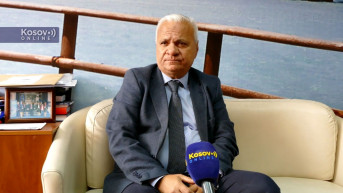
Professor Zoran Ivanovski from the University in Skopje said that the Government of North Macedonia is taking initial measures to cushion the price shock and mitigate the consequences for citizens, as well as for the overall economy. According to him, if necessary, countries should be prepared to introduce stricter measures, including limits and price fixing for energy products, as well as restrictions on the quantity that can be purchased.
“We are witnessing that the Macedonian government has opted for the first measure, which is reducing duties. All with the aim of cushioning the price shock as much as possible and mitigating the consequences that are most severe, primarily for the standard of living of citizens, and certainly as a cost input for the entire economy, which will then be reflected in a higher inflation rate. The second measure is intervention from fuel oil reserves, also to help ensure electricity supply in the same context. So, this is an initial set of measures. The government is cautious regarding measures and is proceeding step by step. Some suggest that it may be late and that it could have acted earlier, however it is clear that the government wanted to see in which direction the crisis would move and whether it had the potential to end sooner than expected,” he told Kosovo Online.
Ivanovski states that he expects price increases at the global level, and that countries should accordingly prepare to introduce both milder and stricter measures, such as price caps and bans on refueling in other countries.
“What is already obvious is that at the global level we can expect an increase in energy prices and that all countries should gradually prepare for such a situation. The range of measures goes from milder ones, such as organizing daily life within countries, reducing fuel use, working from home, using public transport and similar measures, reducing speed in traffic, to more serious fiscal interventions – reducing fuel duties or introducing price limits and fixing prices. There are also the most directive measures, such as banning refueling for foreign citizens, limiting quantities, the odd-even system and similar. All of this aims to prevent speculation and the activities of the gray economy. However, measures in the domain of fiscal interventions are better, given that rising fuel prices also increase public revenues, so the state can reduce tax rates without jeopardizing fiscal sustainability. At the same time, this mitigates the price shock that directly affects citizens’ living standards, but also indirectly spills over into higher prices of goods and services. The risk of rising inflation should also be taken seriously,” he assessed.
As another possible measure, Ivanovski mentions reducing excise duties and controlling fuel prices, but warns that this can lead to shortages.
“This is already a generally accepted fact for which all countries are preparing, and coordinated measures will be sought, including from monetary authorities. However, due to the nature of inflation, a more significant response should come from fiscal authorities. As I said, this is an initial measure, and it can be followed by additional ones, such as reducing excise duties and even VAT, and ultimately controlling fuel prices, which can lead to shortages, the least desirable option. Another important issue for citizens is not only the price, but also the security of supply,” he said.
According to him, countries should focus on policies that will ensure continuity of fuel supply.
“Alongside measures to preserve price stability and lower inflation, countries should make good projections and pursue responsible policies to ensure continuity of fuel supply. Because perhaps the more important question is whether there will be fuel in the long term – people will somehow manage with the price. A shortage of fuel has a direct negative impact on all economic flows and can lead to even more serious negative developments in the national economy,” Ivanovski noted.
Asked whether the measures of the North Macedonian government will have an effect, Ivanovski said they will certainly mitigate part of the price shock.
“We cannot say they will have no effect, because they mitigate part of this price shock. Another question is whether it could have reacted earlier – then the savings would have been greater and the effects stronger. Still, this is a clear signal to economic actors that the government is monitoring the situation and that its priority is to mitigate the impact on citizens’ living standards,” Ivanovski concluded.



0 comments