
Stanic: Every measure regarding fuel prices affects the budget, no major impact on citizens expected
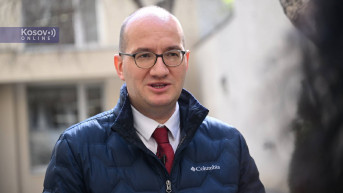
Assistant Director of the Sector for Strategic Analyses, Services, and Internationalization at the Serbian Chamber of Commerce, Bojan Stanic, told Kosovo Online that there are no completely successful measures in the fight against the energy crisis, as such price controls affect the state budget. Still, he notes that, apart from a slight increase in prices, the current situation does not significantly affect citizens, adding that no major changes are expected in the coming period.
“There are no completely successful measures, given that they are reflected in certain costs in the budget. On one hand, Serbia has banned oil exports, and on the other, it has reduced excise duties it collects from petroleum products in the budget. On a third front, there is also consideration of calling for certain savings by the population and the economy,” Stanic said.
He pointed out that this is something already happening in Europe, and that citizens in certain EU countries are being encouraged, among other things, to reduce speed and not use private cars unless necessary. He added that in Germany, specifically, a measure has been introduced under which fuel prices can increase only once during the day.
“What is crucial is how long this situation will last. It will particularly affect countries that depend on imported energy sources, which is practically all of Europe, as it does not have sufficient domestic production. However, what is important is that the stability of the economy has been ensured, and prices have risen slightly due to the reduction in excise duties. (...) It should be emphasized that there are measures that mitigate the situation, but they certainly carry certain costs, which primarily affect the state, that is, the budget, which will ultimately be reflected in a budget revision and an increased need for borrowing,” he said.
Stanic said that one should not speculate on how long the war in Iran will last or what the consequences of a potential prolongation of the conflict will be, and that it is important to take into account that this is an external factor.
“There should be understanding that this is an external factor. It is not a matter of deficiencies in the internal system, except for the natural one – we do not have oil. The fact is that, on the other hand, we now have a favorable situation in that we will likely sign a short-term agreement with Russia on the supply of natural gas, which will certainly be cheaper than gas purchased on the market. Much will also depend on how the situation with NIS develops, that is, whether the purchase and transport of oil via the JANAF pipeline can continue,” he said, adding that the situation also depends on the positions of MOL and OFAC.
According to him, apart from a slight increase in prices, the current situation does not have a major impact on citizens, and he added that no significant changes are expected in the near future.
“In the coming period, the situation is expected to remain relatively stable. However, changes are possible if a prolonged war and further escalation occur, for example, if infrastructure facilities are hit, if there is a greater spillover of the conflict into neighboring countries, or if there is a more lasting blockade of the Strait of Hormuz. In that case, there will certainly be a further increase in prices on the international market,” Stanic assessed.
According to him, in that scenario, prices would have to rise regardless of any potential abolition of excise duties. He added that the current situation is far from an extreme level where a barrel of oil would cost around 200 dollars. If such a situation does occur, Stanic said the state would be forced to allow price increases in line with the market, with certain limitations, as well as to introduce savings measures and prioritize consumption.



0 comments