
Serbian Chamber of Commerce: Due to the ban on the export of goods from Serbia to Kosovo, the damage is around 150 million euros
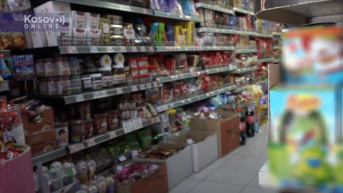
The Serbian economy has incurred damage of around 150 million euros due to the ban on the export of goods to Kosovo from June 2023, when it was introduced, until January 1, 2024, Aleksandar Radovanovic, the Head of the Center for Regional Cooperation at the Serbian Chamber of Commerce stated, N1 reports.
He stated for Beta that the authorities in Pristina had prohibited the import of all goods on June 14, 2023, and already on July 8 of the same year, they had allowed the import of the necessary goods.
"They saw that when they introduced the ban, that decision had significant consequences on the Kosovo economy; they cut off their own supply chains for raw materials and semi-finished products. They realized they needed machinery and equipment for production and allowed the import of the necessary goods," Radovanovic said.
He added that the ban on importing goods from Serbia, starting from July 8, did not apply to raw materials, semi-finished products, mineral fertilizers, machinery, equipment, and animal feed.
Everything intended for further production, such as raw materials, can be imported from Serbia, but finished products for further sale cannot.
In June 2022, the value of exported goods from Serbia was 40.7 million euros, and in the same month of 2023, the export value fell to 16.7 million euros, a 59% decrease.
The export from Serbia in July 2022 was valued at 45 million euros, while in the same month of 2023, it amounted to only 17 million euros, a 62% decrease.
In August 2022, the exported goods were worth 45 million euros, and in the same month of 2023, it amounted to 21 million euros, a 52% decrease.
The exports from July to November 2022 amounted to 177.5 million euros, and in the same period of 2023, it was 83.4 million euros, a 53% decrease.
Radovanovic said that international companies with facilities in Serbia and contributing 40% of finished product placements in exports were suffering significant damage.
"These companies cannot export food, beverages, hygiene products, chemical products, everything found in consumer markets," Radovanovic said.
He stated that Serbia imported steel, iron, fresh fruit, plastic, leather, drinks, ethanol, and wood pulp from Kosovo.
The import value for the first ten months of 2023 was 37.1 million euros, which is a 15.6% decrease compared to 2022.



comments