
State Department on Kosovo: Tensions with Serbia hinder investments, ban on Serbian goods a problem
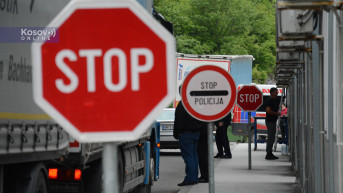
Ongoing tensions with Serbia, combined with a small market and limited regional integration, are the most significant obstacles to attracting foreign direct investment (FDI), states the State Department in its Business Climate Report on Kosovo. The report also notes that Pristina's ban on Serbian goods has caused confusion among importers and negatively impacted foreign companies. Despite requests, the Kosovo government has not explained how this ban has mitigated security threats. The decision by the Central Bank of Kosovo to abolish the use of the Serbian dinar is also criticized.
The report highlights that Kosovo has taken measures to improve the investment climate, with the government working to simplify business registration and reduce bureaucratic barriers. However, economic growth and productivity remain constrained by structural issues, including a large informal economy, reliance on remittances for consumption, and high unemployment rates among women and youth.
"A small but growing domestic market, limited regional integration, and ongoing tensions with Serbia continue to be the most significant barriers to attracting FDI. Sometimes volatile economic policies of the Kosovo Government, political interference in the economy, and limited public-private dialogue also pose challenges for investors," the report states.
It is recalled that the Kosovo Government, citing security concerns, banned the entry of finished products of Serbian origin into Kosovo in June last year.
"The ban caused significant confusion among importers and negatively impacted companies owned by foreign entities in Kosovo due to supply chain disruptions. Despite repeated requests, the Kosovo government has not provided any explanation of how this ban alleviated security threats. The Kosovo government also did not provide an administrative solution for business registration issues that threatened the closure of several businesses and one media house," the report states.
It is also pointed out that the Central Bank of Kosovo adopted a revised Regulation on Cash Operations just one month in advance, severely restricting access to Serbian financial support for Serbian and other ethnic minority communities.
The report adds that CBK data shows that the net inflow of FDI to Kosovo amounted to 816 million euros last year, compared to 732 million euros in 2022. According to the data, real estate transactions and leasing have the largest share in FDI, followed by financial services and energy. The information and communication technology, infrastructure, and energy sectors are growing and are likely to attract additional FDI in the coming years.
The State Department also notes that Kosovo's laws and regulations are in line with international standards for supporting and protecting investments, but enforcement remains weak.
It is noted that Kosovo has a flat corporate tax rate of 10%, and with the help of the US government, the Commercial Court was established in August 2022, with the goal of resolving business disputes fairly, efficiently, and predictably.
"Legal, regulatory, and accounting systems in Kosovo are aligned with EU standards and best international practices. Large companies are required to adhere to international accounting standards. Investors should note that despite regulatory requirements for public consultations and the establishment of an online platform for public comments, some business groups complain that regulations are adopted with little substantive discussion or input from stakeholders," the report criticizes.
It is stated that investors are attracted to Kosovo's young population, low labor costs, proximity to the EU market, and natural resources. Additionally, global supply disruptions caused by the COVID-19 pandemic have sparked increased interest from some companies to use Kosovo as a production base, as it provides preferential access to products entering the EU market through the Stabilization and Association Agreement (SAA).
Summarizing the findings, the State Department assesses that Kosovo, with an estimated population of 1.8 million people, has an emerging market economy, noting that Kosovo's economy has shown "significant resilience" in light of global and regional shocks, including the pandemic, Russia's invasion of Ukraine, and rapid increases in commodity prices.
They add that the IMF and the World Bank forecast Kosovo's GDP growth of approximately 4.0% this year but point out that foreign direct investment remains limited, and remittances from the diaspora still constitute a significant part of the gross domestic product.

0 comments