
Sentic: All allegations of human rights violations are addressed with the utmost attention
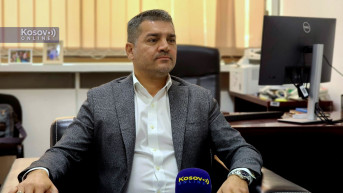
The Institution of the Ombudsperson treats all human rights violations with the highest level of attention, stated Deputy Ombudsperson Srdjan Sentic in an interview for Kosovo Online. He noted that during the previous year alone, 110 complaints were submitted by members of the Serbian community, of which 86 were accepted for review.
Sentic explained that complaints from the Serbian community mostly relate to issues of security, property rights, discrimination, the Law on the Use of Languages, employment, healthcare and social protection, as well as access to official documents.
He highlighted that in the span of just one month, the Ombudsperson’s Office received close to 200 individual complaints concerning child allowance, in which, as he emphasized, discrimination was established. A recommendation was sent to the Ministry of Finance and Transfers of Kosovo accordingly.
What are the most common forms of discrimination faced by the Serbian community in Kosovo? How many complaints has the Ombudsperson received over the past year from Serb citizens, and what do they relate to?
According to both local and international organizations, the Institution of the Ombudsperson is regarded as one of the rare institutions with the highest degree of integrity and public trust. In the past year, we received approximately 1,410 complaints from citizens, 110 of which came from the Serbian community. Of those, 86 were accepted, and they cover a wide range of issues—from security and property to discrimination, language rights, employment, and access to healthcare and social services. One of the most pressing topics this year, although not part of last year’s report, concerns child allowance. As you know, we recently issued a report and sent a formal letter of recommendation to the Ministry of Finance, Labor, and Transfers, highlighting the discriminatory treatment—particularly against Serbian children. From mid-January to mid-February alone, we received around 200 individual complaints, alongside submissions from civil society organizations and parents’ associations. Our team of legal experts analyzed these complaints thoroughly, referencing the Constitution, legal standards, and rulings of the European Court of Human Rights in Strasbourg, ultimately determining that discrimination had occurred. We then issued recommendations to the Ministry on how this issue should be addressed.
How does the Ombudsperson cooperate with institutions to improve the rights of non-majority communities, especially Serbs?
We work closely with all relevant institutions. I would particularly highlight our cooperation with the Office of the Language Commissioner. We have a productive partnership focused on the right to use one’s language, which is a legally protected aspect of non-discrimination. Given that the Ombudsperson is an independent institution with constitutional status—unlike the Commissioner’s Office—we assist in publishing reports and recommendations. One of our latest recommendations, issued in December 2023, urged the Government and Assembly to review all legislation, including the Constitution itself, due to inconsistencies in translation between Albanian and Serbian.
You mentioned the issue of language rights violations. Is this still a widespread problem, and where is it most prevalent?
As we have stated in our recommendations, this is a significant and ongoing issue. Language is not merely a matter of communication or legal provision—it is a core component of identity. We approach this issue with utmost sensitivity, as it relates not only to the rule of law but also to the fundamental human dignity of every citizen.
There have been frequent arrests of Serbs on war crimes charges. Does the Ombudsperson monitor these cases?
Yes, we monitor all such cases and review complaints submitted by citizens. As an institution, we also initiate procedures ex officio when necessary.
In recent months, there have been reports from women in northern Kosovo regarding incidents of sexual harassment by Albanians. Has the Ombudsperson addressed this?
Yes. The Institution of the Ombudsperson regularly meets with civil society organizations and women's associations, including women and girls who have experienced sexual harassment directly or indirectly. We treat this issue with the utmost seriousness and demand that relevant authorities do the same. The fact that the Ministry of Justice has recently become involved, and that the police have adopted a specific operational plan, shows that this issue is now being recognized as a serious problem requiring urgent attention. As mentioned, we’ve held multiple consultations with victims and advocacy groups, and we believe this issue requires immediate action.
What is the level of representation of Serbs in Kosovo’s public institutions?
As early as 2010, when I led the Office for Community Affairs, we published a study on the employment of non-majority communities in public institutions. At that time, we identified significant issues across all levels of government. Today, the situation remains much the same, with many public institutions either lacking Serb representation altogether or employing very few Serbs or other non-majority members. This must be urgently addressed, as the Constitution of Kosovo explicitly mandates equitable and proportional representation of all communities at all levels of governance.
Are there any obstacles for Serbs in accessing public services, and what has been done to address these issues?
We have received numerous complaints from citizens regarding access to public documents. As an institution, we address each complaint with due diligence, analyze them appropriately, and issue reports. This is reflected in our annual reports. We urge all institutions to treat such matters with special care—especially when citizens have no alternative means of access.
Were any complaints submitted following the closure of institutions in northern Kosovo due to restricted access to basic rights?
So far, the Ombudsperson’s Office has not received any complaints from institutions or individuals following the closure of certain institutions in northern Kosovo.
0 comments