
Terras: The Serbian community in Kosovo is not at risk, but it is certainly facing challenges
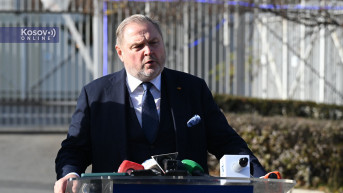
The European Parliament's rapporteur for Kosovo, Riho Terras, emphasized in an interview for Kosovo Online that the Serbian community in Kosovo is not at risk, but that is certainly facing challenges. He also said that both Belgrade and Pristina are expected to implement what has been agreed upon.
Terras recently called for the lifting of EU measures against Kosovo, noting that the European Parliament's position has been very clear on this matter from the beginning.
"The former High Representative of the EU, Borrell, assessed that Kosovo has delivered on the requirements formulated by the EU in June 2023 and recommended lifting of the measures. Now this is on the table of the Council – all EU 27 need to agree, which obviously is a challenge. The Parliament's position is and has been very clear from the beginning – the measures are unnecessary and unfair," Terras says.
How to revive the dialogue? Do you expect the Community of Serb Municipalities to be formed during your mandate?
The facilitation of the Dialogue is the job of the EUSR for the Dialogue – Peter Sorensen has just started, I believe his vast experience and background will contribute to the revival of the Dialogue. The Association of Serbian Majority Municipalities continues to be a key cornerstone of the Dialogue but I do not have the crystal ball to set the deadline.
You called on EU members that have not yet recognized Kosovo to do so – do you think that is realistic?
Here, I would say that this decision is the prerogative of each EU Member State but it is the majority of the Parliaments view that we need to move on with the recognition. There have been some minor positive signals with that regard like Spain's decision to recognise Kosovo passports.
Do you think the Serbian community in Kosovo is at risk?
Not at risk. But certainly facing challenges. Constructive attitude from Belgrade and Pristina and readiness to address these challenges in the EU facilitated Dialogue is the way ahead.
We have recently seen the closure of Social Work Centers in northern Kosovo, as well as statements from the EU and the US that it should not have been done in such a way – but the centers have remained closed. Do such moves harm the dialogue and is there anything the EU could do to open these centers?
As I just said: a constructive attitude by both, Belgrade and Pristina, is the right way ahead; the modalities of the closing of Serbia-run structures in Kosovo need to be agreed in the Dialogue, to make sure that negative consequences for people on the ground are avoided.
How fragile is the security situation in Kosovo? In recent weeks, there has been a lot of talk about the possible withdrawal of US forces from Kosovo – how would that affect security?
Stable but fragile. There have been talks but these are hypothetical talks. I personally believe that there is a strong commitment from NATO to continue the deployment and co-operation with the EULEX and Kosovo Police. This was the essence of the message by NATO Secretary General Mark Rutte last week as well.
What do you expect from Kosovo and what do you expect from Serbia to do in the coming period when it comes to fulfilling the obligations from the dialogue?
Working in good faith is the basic principle to get success in the dialogue and achieve real engagement and results. By both sides, Belgrade and Pristina. Implementation of what was already agreed.
In order to receive money from the European fund for the Western Balkans Growth Plan, should Kosovo, in addition to implementing reforms, also have a constructive relationship in the dialogue with Belgrade? Should Kosovo receive these funds (once payments begin) if Pristina does not make any progress on the issue of forming the CSM?
The Dialogue-related conditionality of the funding refers to both Kosovo and Serbia. Expectations are clear and they are clearly communicated to both parties.

0 comments