
Kesic: There is no genuine pressure on Kurti because they let him make the CSM as he wants

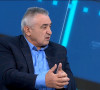
Political analyst Obrad Kesic said that the pressures from Washington and Brussels on Albin Kurti to form the CSM did not seem sincere to him, because, he said, they essentially suggested that the Community of Serb-majority Municipalities in Kosovo would be made according to their own measure, and not according to the accepted obligations from the reached agreements.
"My opinion is that two things are happening here. That the US pressure on Kurti is rhetorical, for the public, because behind the scenes, if you look at the context of that pressure, you see that it is not really a strong pressure, because they tell him in advance - 'You say how you will define the CSM. It will be as you see fit. In other words, I think this is what Brussels and the US are saying - you will get everything you ask for and you yourself will define what rights the Serbs will have,'" Kesic told Kosovo Online.
He added that since the mediators gave Kurti the opportunity to define himself what he meant by the CSM, then it was not really pressure.
"If they don't want to stick to what has already been agreed, and it has been agreed that it must be broad autonomy; an administration that decides all significant areas of daily life; if the Americans suggest in advance to Kurti that he will decide how much autonomy that will be, then that is neither sincere nor legitimate. It is legitimate that the rights of the Serbs are not protected through the goodwill of Pristina, because we know that there is no goodwill there, but they must be protected in accordance with what has already been agreed with international law and the UN Security Council Resolution," Kesic emphasized.
The way the matter was now set, he added, seemed absolutely unacceptable.
"The second thing is that Kurti's behavior is not rational, he does not see that they give him everything he asks for. Or maybe the internal political situation between the Albanian political parties is so tense that he must not give in, even symbolically, because he would lose power," Kesic believes.
He assessed that it had been very good that the President of Serbia, Aleksandar Vucic, had decided to go to the parliamentary debate on the issue of negotiations on Kosovo, adding that the whole society, the church, activists and the non-governmental sector should be included in that discussion.
"And especially the people who live in Kosovo and Metohija must be included much more directly; those who live in those municipalities that the CSM would consist of. Such a discussion can only be useful," Kesic said.
He also expressed the opinion that it would be necessary to define what was the national interest of Serbia in relation to Kosovo because until now there had been no such thing.
"When I say that it is defined, I mean that a clear position should be taken, not only regarding the general idea, which has already been reached in the agreement with Brussels and Washington, that there should be a CSM, but we should know the general position of what to do. Are we returning sovereignty and territorial integrity; are we fighting for the status quo; are we fighting for division? That discussion must take place, so that we can reach a consensus about it and so that we all know how best to reach that desired result," Kesic pointed out.

0 comments