
Compilation of the Week
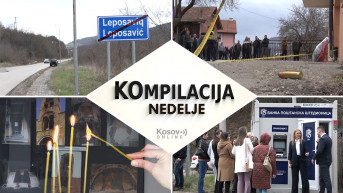
And if we were to compile a two-decade compilation, one day would cast a shadow over all the others. So it is in the week commemorating the March 17 Pogrom. Another blend of emotions, defiance, doubts, logical and absurd actions. Another Compilation of the Week in Kosovo.
Ne mogu do novca, pa novac mora do njih. Ili da se bar sa meštanima Kosova bankomati nađu na pola puta. To nije rešenje, kažu oni koji su se odmah uputili ka novim ekspoziturama. Ali je put barem upola lakši.
Isplata bez limita omogućula im je da podignu zaostale plate. Devetomesečna blokada uvoza robe, s druge strane sprečava ih da tim novcem kupe ono što žele i što im je neophodno.
They can't get to the money, so the money must come to them. Or at least let the ATMs meet halfway with the locals in Kosovo. That's not a solution, say those who immediately headed to the new branches. But at least the journey is halfway easier.
The unlimited payout allowed them to withdraw their overdue salaries. However, a nine-month blockade on importing goods prevents them from using that money to buy what they want and need.
"There's no economic logic, but there's political logic," Agim Shahini, President of the Business Alliance of Kosovo says, explaining the fact that everyone has been counting the losses for months, but the decision is not being reconsidered.
International representatives also insist on logic and good faith in resolving accumulated problems. European Union spokesperson Peter Stano once again emphasizes European expectations:
"The priority is for both sides to start implementing what they have committed to," Stano said ahead of visits by high-ranking international officials to Pristina and Belgrade.
What if there is neither good faith nor willingness? We didn't find out when those visits ended, but we did hear some rustling. The US Special Envoy Gabriel Escobar explains the strong connection and support that Kosovo has in the US.
"Our relationship has some challenges at the moment," Escobar says, acknowledging that there are currently clouds over that harmony.
It was a silent but effective warning this time. On the same day, the Government of Kosovo made a decision to register the property of Visoki Decani Monastery in the cadaster. Some assess that Escobar's visit brought Kosovo closer to the Council of Europe more than any previous effort. While waiting for the implementation of the property decision, it seems that a balance is being struck for the domestic audience. Some analysts interpret the action of removing signs with Cyrillic names of places in northern Kosovo in this context.
What we knew, and confirmed this week, is that 20 years are not enough for memories to fade or fears to dissipate. Some only remember the Pogrom on March 17th. Others remember it every single day.
"Kosovo Polje was burning, our neighbors' houses were burning, and my soul was burning," Dragana Stanojevic recalls, who fled with her three underage daughters from death at that time. Today, she flees from memories and pain. But even on the journey towards nightmare-free dreams, there are obstacles and those who strive to ensure that the wounds never heal.
comments