
Kostic Sulejic: Kosovo and Albania are outside all arms-control frameworks
We cannot measure individual states in the region solely by military strength because some of them are part of collective security integrations. Viewed individually, however, Serbia has the largest population, the largest army, is reinstating compulsory military service, and has the most developed defense industry, with defense spending exceeding two percent of GDP. Croatia, Albania, North Macedonia, and Montenegro until recently had virtually non-existent defense industries. Due to regional cooperation mechanisms and the requirements set by NATO and the EU, they must increase production because they are members of security frameworks and integrations. These are very weakly developed defense industries, and Serbia has nothing to fear—nor can their association threaten Serbia. Their systems are being integrated into NATO and cannot be viewed separately from that context. Kosovo is also arming itself with the aim of fitting into the NATO security framework. There was an idea for it to become a member of the Partnership for Peace; the problem, however, is that some states do not recognize Kosovo, which would prevent it from becoming a full member, said Marina Kostic Sulejic, Senior Research Fellow at the Institute of International Politics and Economics, in the Context podcast.
The Context guest explains that security in the Western Balkans is a complex issue because the region operates within three security frameworks. The first is NATO, the second the European Union, and the third sub-regional arms control.
“NATO members must meet certain requirements, such as defense-spending targets or participation in missions. In any case, they are within a security framework called NATO, and their armaments must be viewed in that context. On the other hand, we have Croatia, which is an EU member, and certain obligations arise from that membership,” Kostic Sulejic said.
The third framework, she explains, is the Dayton Peace Agreement, which ended the war in Bosnia and Herzegovina, and whose military dimension is the Agreement on Sub-Regional Arms Control.
“It has concentric circles, with Bosnia and Herzegovina at the center, for which confidence- and security-building measures were established. Each subsequent circle is defined in relation to preserving peace in Bosnia and Herzegovina. The second circle is among Croatia, Serbia, and Montenegro, which have a joint consultative commission—a mechanism to consult on security issues. Thus, an arms race does not have to arise; it can be controlled if there is political will,” Kostic Sulejic explained.
Outside that mechanism is Kosovo, because it is not recognized by Serbia and because it was envisaged as a demilitarized zone.
“The biggest problem is Kosovo’s armament outside any framework in the Western Balkans. Everyone is increasing capacities within some security framework; only Kosovo and Albania are outside any arms-control regime,” the Context guest emphasized.
She estimates that Kosovo has reached 90 percent of its plans on the path toward transforming the Kosovo Security Force (KSF) into an army, with the transformation scheduled to be completed by 2028.
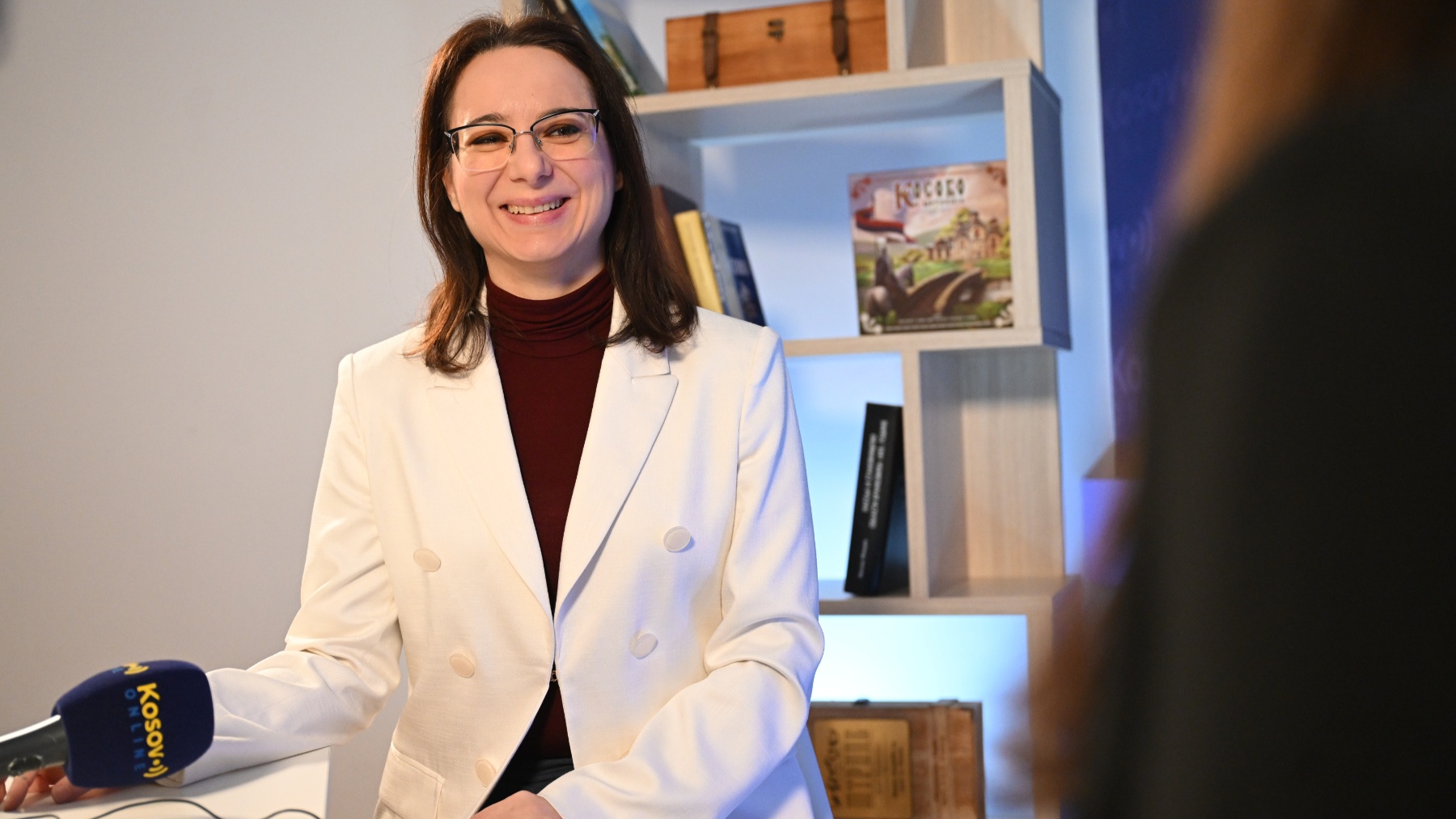
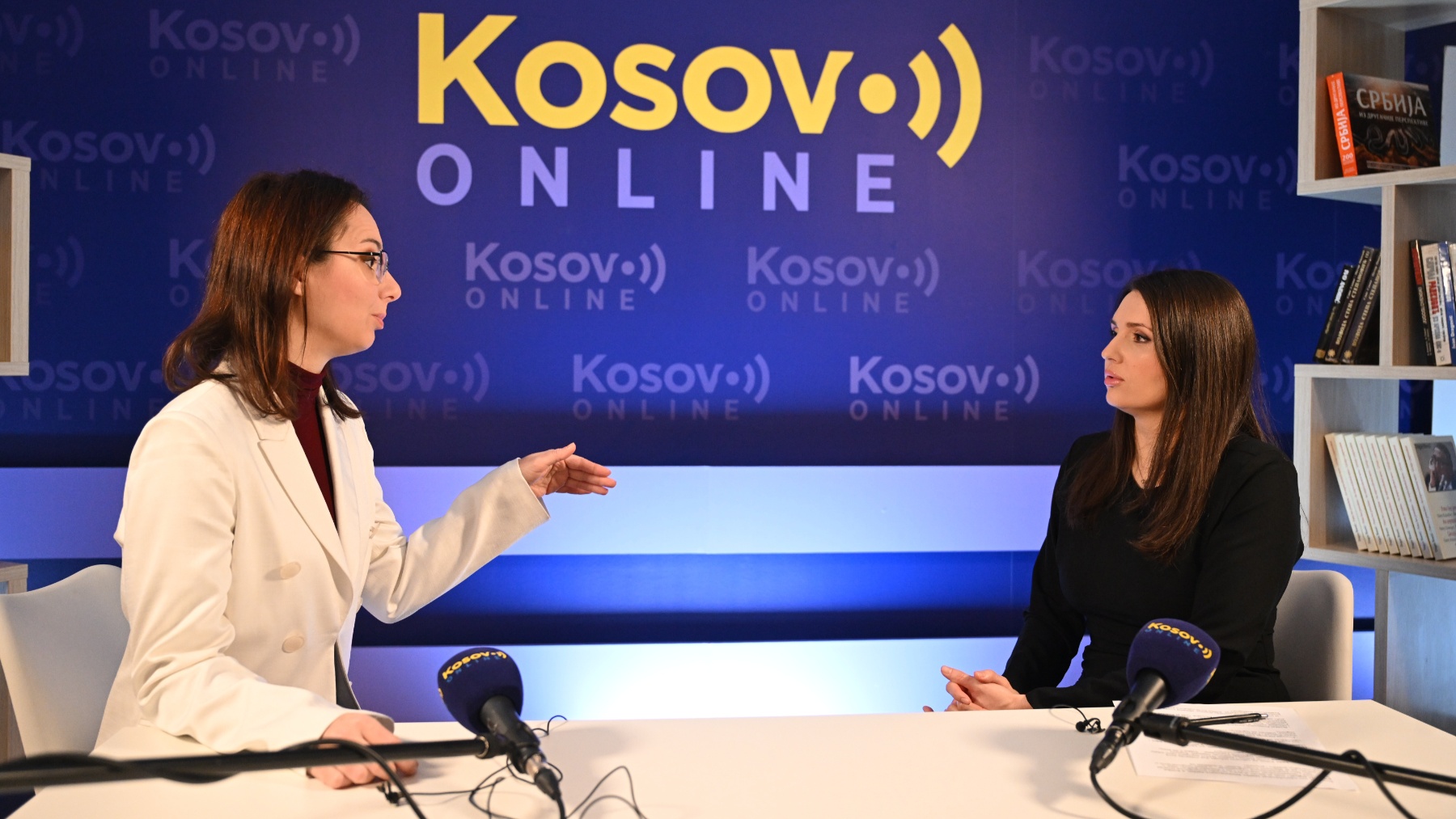
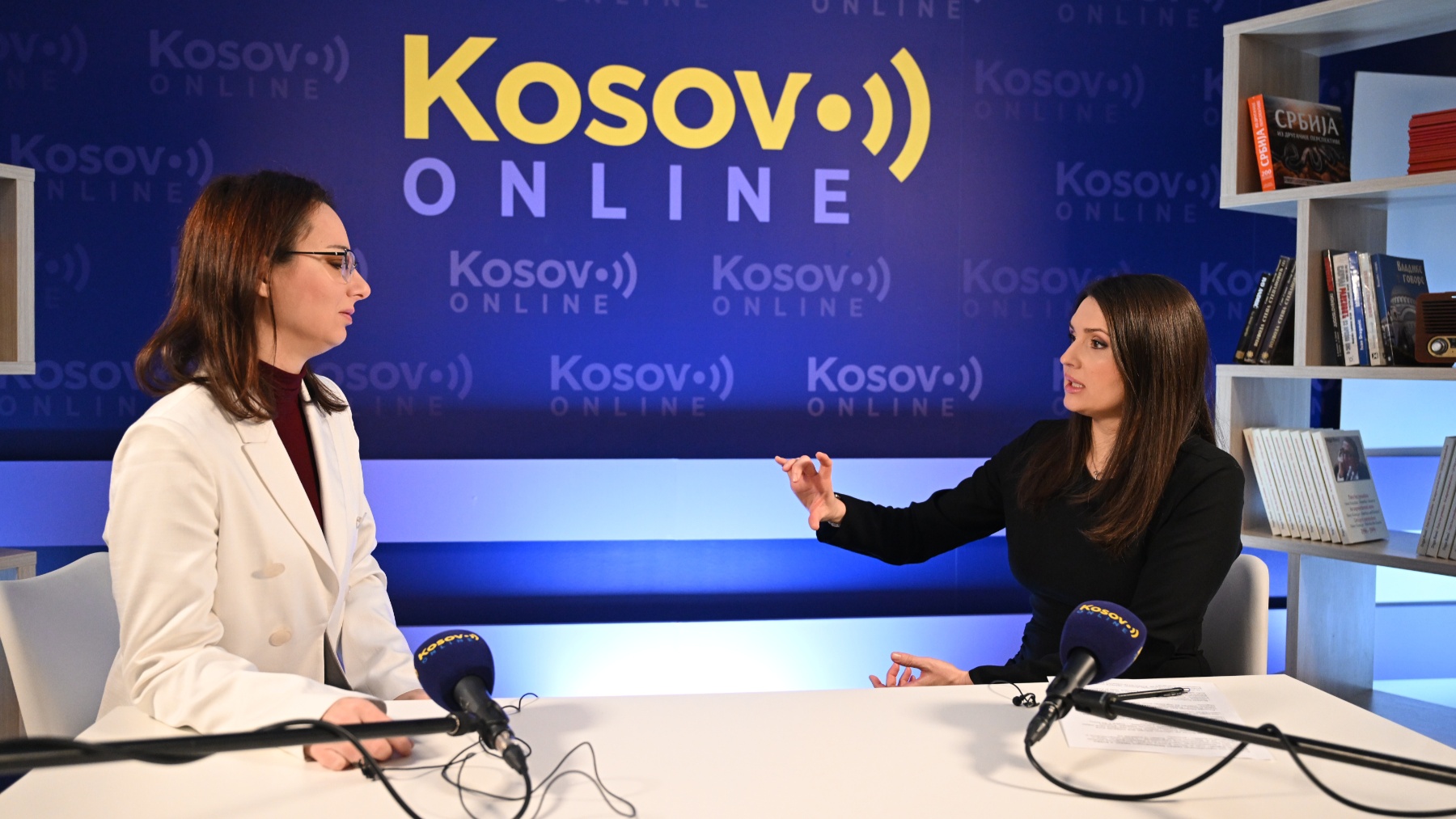
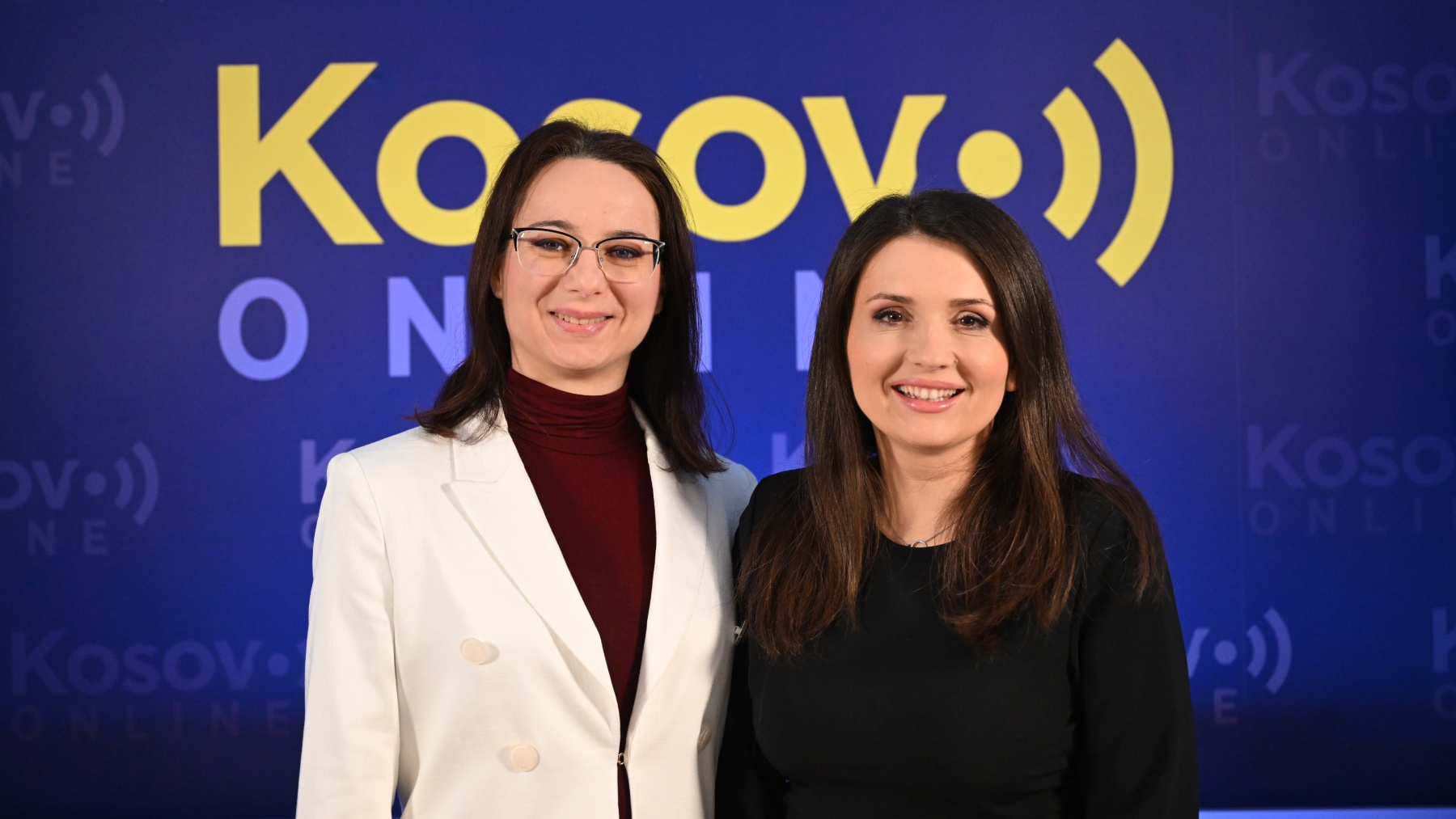
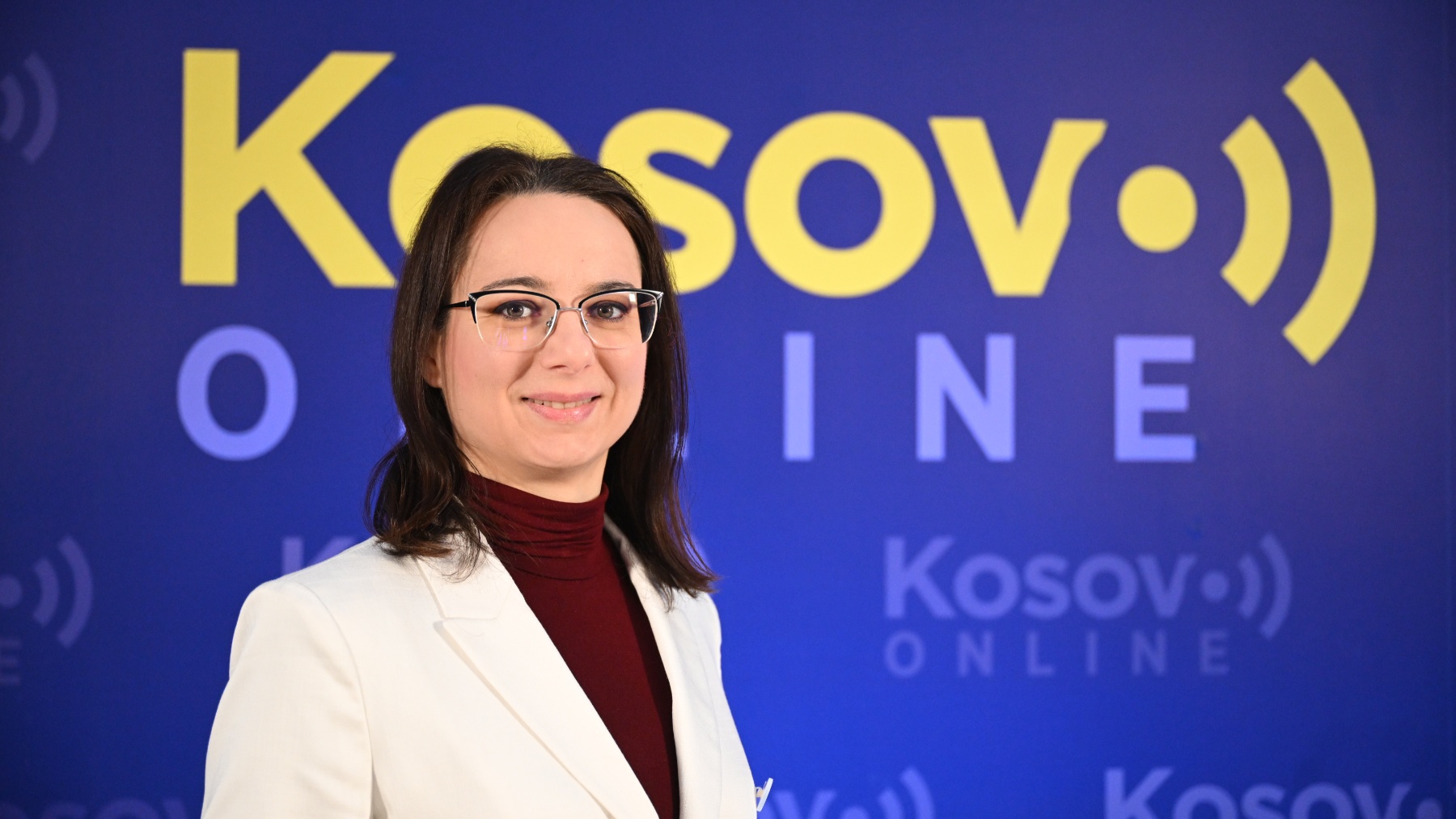


“Kurti himself stated that they have more than 23 types of new weapons and that they have exceeded their plans. They are being intensively armed by the United States and Turkey, without regard for the aforementioned frameworks. From the United States they received Javelin anti-tank missiles; they procured drones from Turkey; they have anti-drone systems and plan to acquire air-defense capabilities,” Kostic Sulejic said.
She noted that the issue of developing Kosovo’s defense industry was raised only after Kurti came to power.
“They plan to produce armored vehicles, with components potentially manufactured in Kosovo, Albania, and Croatia, as envisaged by a trilateral agreement. Kosovo also plans its own drone production. Its defense industry is only just beginning to develop,” Kostic Sulejic assessed.
She added that the region is predominantly arming itself through procurement from the United States, France, Turkey, and Israel, and that the trend of acquiring U.S. weaponry has increased since the outbreak of the Russia-Ukraine conflict.
“There is no longer any purchase of Russian weapons in the region. Whatever Russian weaponry remains in stockpiles dates back to the Soviet period. Serbia is an exception, as it continued to purchase from Russia later on. Russia has been completely pushed out of the European market, much of which is now being taken over by China,” the Context interlocutor said.
Regional security, she said, is part of the Israeli-Palestinian and Russia-Ukraine conflicts, and the build-up of military capacities aims to ensure ammunition supplies for Ukraine.
“At this moment, the region is not arming because of us, but because of Ukraine. Also, Israeli influence is very important in the region, and we are part of that story. On one side there is the U.S.–Israeli axis; on the other, the Russian-Iranian axis. What we are witnessing is the displacement of Russian-Iranian influence,” Kostic Sulejic explained.
Despite the strengthening of U.S. influence, the Senior Research Fellow at the Institute of International Politics and Economics does not rule out the withdrawal of U.S. forces from Kosovo. This, she said, means that options for Kosovo’s self-sustainability without U.S. forces are being considered.
“The consequences concern security guarantees in this region, many of which are tied precisely to the U.S. presence. There are two key flashpoints—Bosnia and Herzegovina and Kosovo—and in both cases they are closely linked to U.S. capacities. One effect of such a scenario would be a greater role for Turkey as a protective factor for Muslims in the Balkans,” Kostic Sulejic said.
She concluded that it is essential for a heavily armed region not to turn against itself and descend into war—something that might suit certain segments of the defense industry.
The full appearance of Marina Kostic Sulejic on the Context podcast can be viewed in the accompanying video

comments