
Ljubisa Mijacic: The solution for Gazivode is joint management

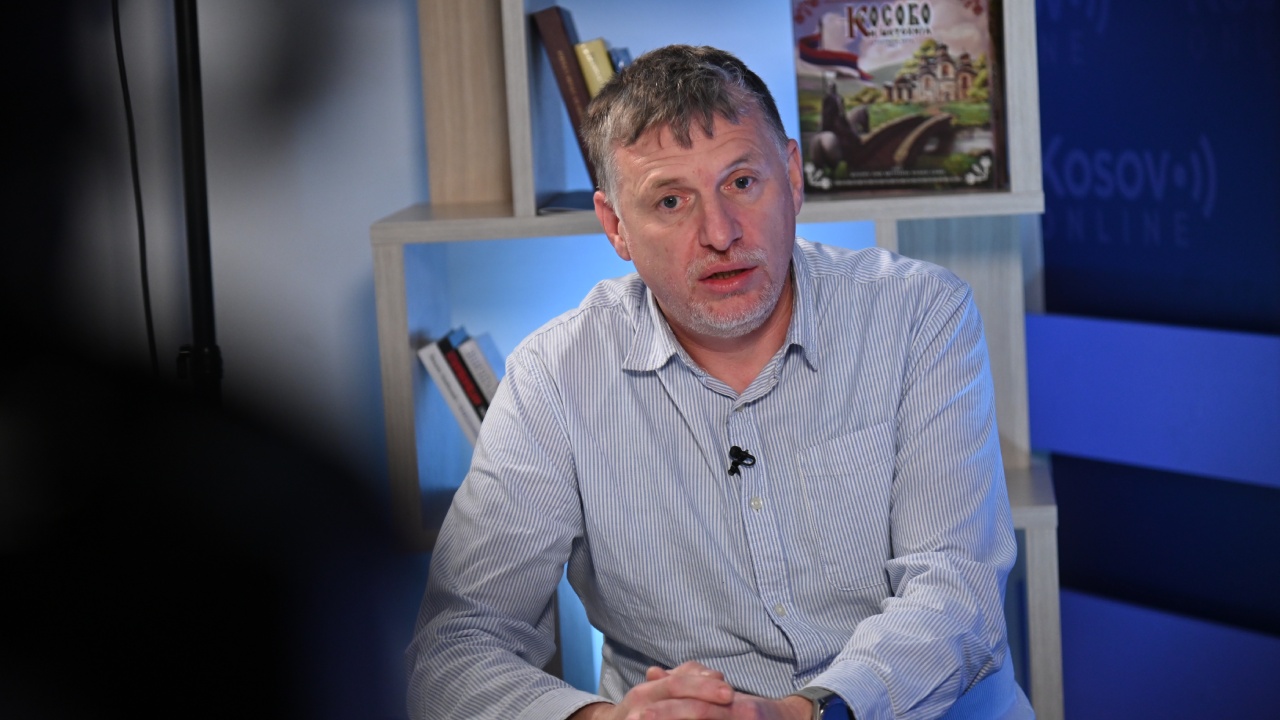
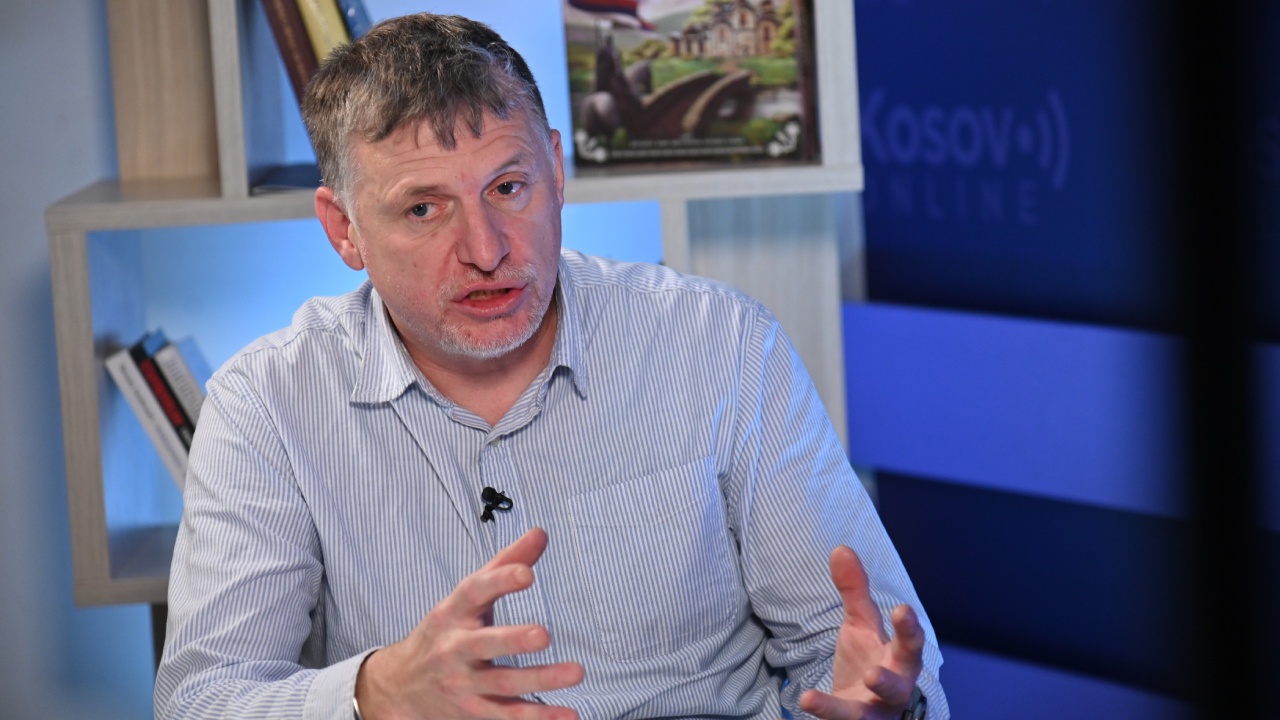
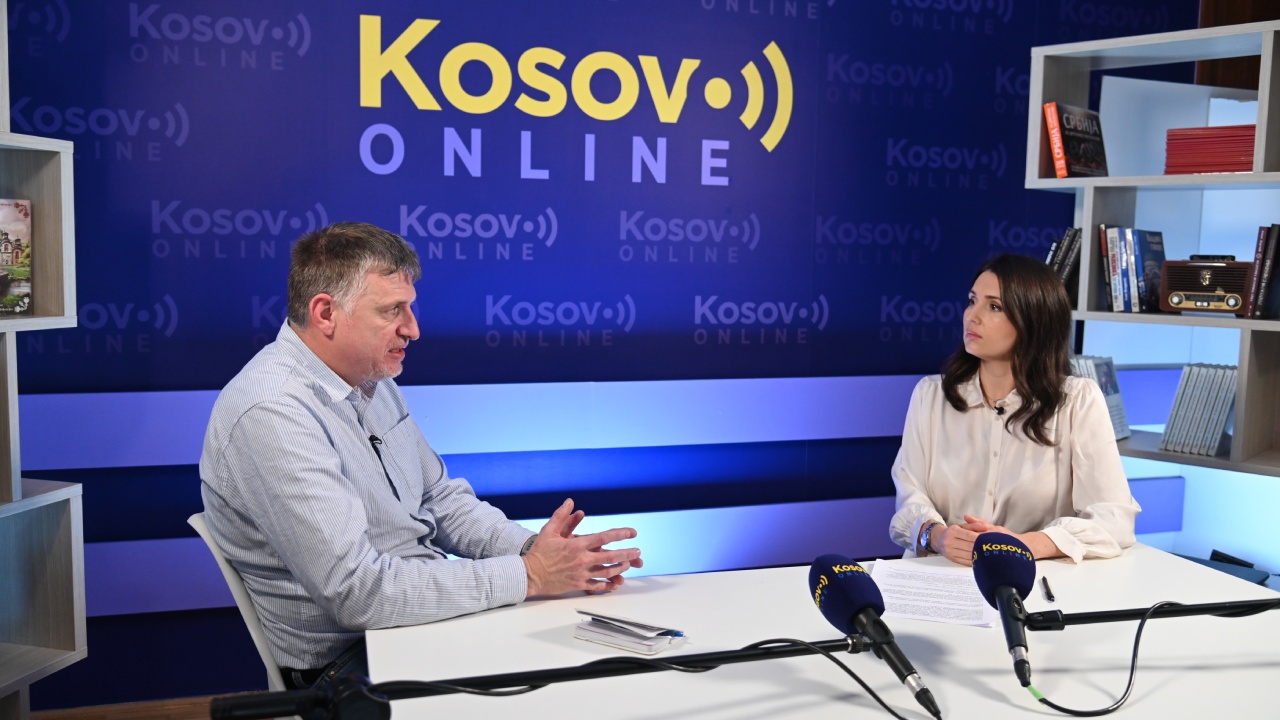
“This will be the century of water, and water scarcity may become a trigger for conflict. The Ibar used to be a domestic river; now it is an international one and is becoming a conveyor belt for transferring problems. When it comes to Gazivode, we have a perfect allocation of resources with one supplier and one user. If no agreement is reached, both sides lose. If a quota system and integrated basin management were agreed upon, stability in the water supply for central Kosovo would be ensured, and an investment-friendly environment would be created. In circumstances like these, with threats posed by climate change, we face an alarming threat to Kosovo and its economic sustainability. If the inflow of water into Lake Gazivode is cut in half, Kosovo’s economy grinds to a halt,” said Ljubisa Mijacic, an expert on environmental resources, speaking on Context.
Lake Gazivode is the most important water resource in Kosovo, accounting for 70 percent of all accumulated water. The guest of Context points out that the true resource is not the lake itself, but the Ibar River basin.
“The lake is filled by the watershed that begins at the springs below Hajla in Rozaje, Montenegro. It flows through the municipalities of Tutin and Novi Pazar, enters the reservoir at Ribarice, and the dam is located in the municipality of Zubin Potok. This reservoir holds 370 million cubic meters of water, which is meant to control peak consumption in central Kosovo. Up until 1984, it was built together with the Ibar–Lepenac canal and redirected toward central Kosovo to supply thirsty industry and population. This means resources were redirected to central Kosovo, on which the entire economy rests. For this reason, Gazivode is of essential importance for the sustainability of Kosovo’s economic systems,” Mijacic explains.
Numerous municipalities, including Pristina — home to one-third of Kosovo’s population — depend on water from Gazivode. Without that water, neither the Obilic thermal power plant, heavy industry, nor the Trepca facilities could function, Mijacic notes.
“But new activities are also thirsty, and the amount of flowing water is becoming increasingly scarce and insufficient. It is a limiting factor for Kosovo’s economic development, and my assumption is that, alongside energy, it is one of the main obstacles to Kosovo’s economic growth. In addition to the investment insecurity caused by non-recognition and risks to investments, there is another part of the problem — an energy and resource problem,” the Context guest stresses.
Accounting and Competencies
One of the biggest issues in relations between Belgrade and Pristina is precisely Gazivode, and both sides claim the same — the lake is ours. Ljubisa Mijacic stresses that, financially, there are no unknowns.
“There is a World Bank loan of €45 million, but that accounts for only 20 percent of the investment value. The remaining €203 million was provided by the federation through the Development Fund for Underdeveloped Republics. The World Bank’s audit report clearly states this. The lender distributed the funds through the Bank of Kosovo, and the borrower was the newly established company Ibar–Lepenac. The same report specifies how construction progressed, how Ibar–Lepenac failed to operate and generate revenue at the projected rate, and how the federation paid the loan installments. Serbia assumed part of the World Bank debt through succession. Yes, the Bank of Kosovo took over the funds, but it is crystal-clear who paid the installments and who assumed and repaid the debt. The hypothesis that Kosovo — which always depended on the federation or the republic — financed the construction does not hold,” Mijacic explains.
He adds that at this moment Belgrade has no direct authority over Gazivode, which is managed by the company Ibar–Lepenac, established for the purposes of the project and the loan.
“The management of that company functioned until a few years ago in an oligopolistic form — the public company Ibar in the Serbian system and Ibar Lepenac in the Kosovo system. Odd as it may sound, cooperation was excellent — but to Serbia’s detriment, because Serbia paid for the reconstruction of facilities and personnel, yet collected no revenue. Ninety percent of all facilities and capacities are located in the municipality of Zubin Potok, while Ibar–Lepenac distributed and billed for water without any costs. Still, coordination and cooperation were at the highest level, because keep in mind that a hydroelectric plant cannot be turned on and off like a switch — it has to be synchronized and fed into the energy system. Thus, even in this oligopolistic system of non-cooperation and disagreement, the Gazivode reservoir operated safely, efficiently, and effectively. Today, unfortunately, that is no longer the case,” says Mijacic.
Nature in the Hands of Politics
Nevertheless, Serbia controls the upstream basins and sub-basins of the Ibar and could theoretically redirect the river flow and empty Gazivode — a claim often heard in public. Mijacic considers this possible in principle, but he opposes it.
“The upper course of the Ibar is under Serbia’s jurisdiction and control, because Gazivode’s birthplace is Ribarice. This is a real, credible threat and a sensitive topic for Kosovo, which does not have a resolved issue of water resources. That is why it is illogical to me that Kosovo insists that this problem not be discussed, even though it is in Pristina’s best interest to establish a cooperative system. I am not advocating scenarios of redirecting water or establishing hegemony — I oppose them. I support integrated basin management,” says our interlocutor.
The Washington Agreement and ‘Lake Trump’
Gazivode has never been the subject of negotiations in Brussels, except as part of the broader property issue, and it is in Pristina’s interest to raise the topic before Belgrade does, Mijacic emphasizes.
“Belgrade behaves far more responsibly because it does not go public with assertions that it could take control. We must find cooperation models at an institutional level — perhaps not at the level of two governments, but at the level of two agencies,” Mijacic says.
He believes the most favorable starting point is the Washington Agreement, which addresses Gazivode in point 7:
(Both sides agreed to work with the U.S. Department of Energy and other relevant U.S. government bodies to conduct a feasibility study for the sharing of the Gazivode/Ujmani lake as a reliable source of water and energy supply.)











“The sensitivity of this topic for Kosovo is shown by the fact that the government in Pristina was on the verge of falling because of point 7, and Ramush Haradinaj withdrew his representative from signing the agreement. This shows the latent threat the topic carries and its political cost. I would advise Belgrade to continue acting constructively. The Washington Agreement offered a roadmap to reach a solution. I do not know how interested the revived Trump administration and his former associates — still active, especially Grenell and Kushner — will be. We will see to what extent the agreement will be revived or revised, but the problem remains. We must talk about it,” Mijacic notes.
Although Gazivode is one of the biggest obstacles in Belgrade–Pristina relations, both sides were briefly united on one point. Following the U.S. initiative and the Washington Agreement, both the Serbian and Albanian sides agreed that the lake should be named Lake Trump.
“That folklore is interesting. First they said — we have no idea, we don’t want to talk about it — and in the end everyone supported naming it Trump,” Mijacic recalls.
Dangerous Games
At the end of October, Mokra Gora mountain and Lake Gazivode were placed under protection, a decision announced by the Minister of Environment, Spatial Planning, and Infrastructure in the technical mandate, Hysen Durmishi. Commenting on claims that this is one of the most important decisions for nature protection in Kosovo, Mijacic says the consequences could be far-reaching.
“Consequences for the sustainability of the community and the ecosystem, because the government can issue a decree designating who can be the managing authority — and the manager will not be the municipality. This raises questions of jurisdiction: what if a municipality cannot build a transformer station for a village without the manager’s permission? This touches the key problems and fears of the Serbian community. I sincerely hope the new government will annul this decision as arbitrary and that new leadership will not be built on narratives of establishing hegemony in the northern municipalities by stripping local self-governments of their competencies,” Mijacic concludes.
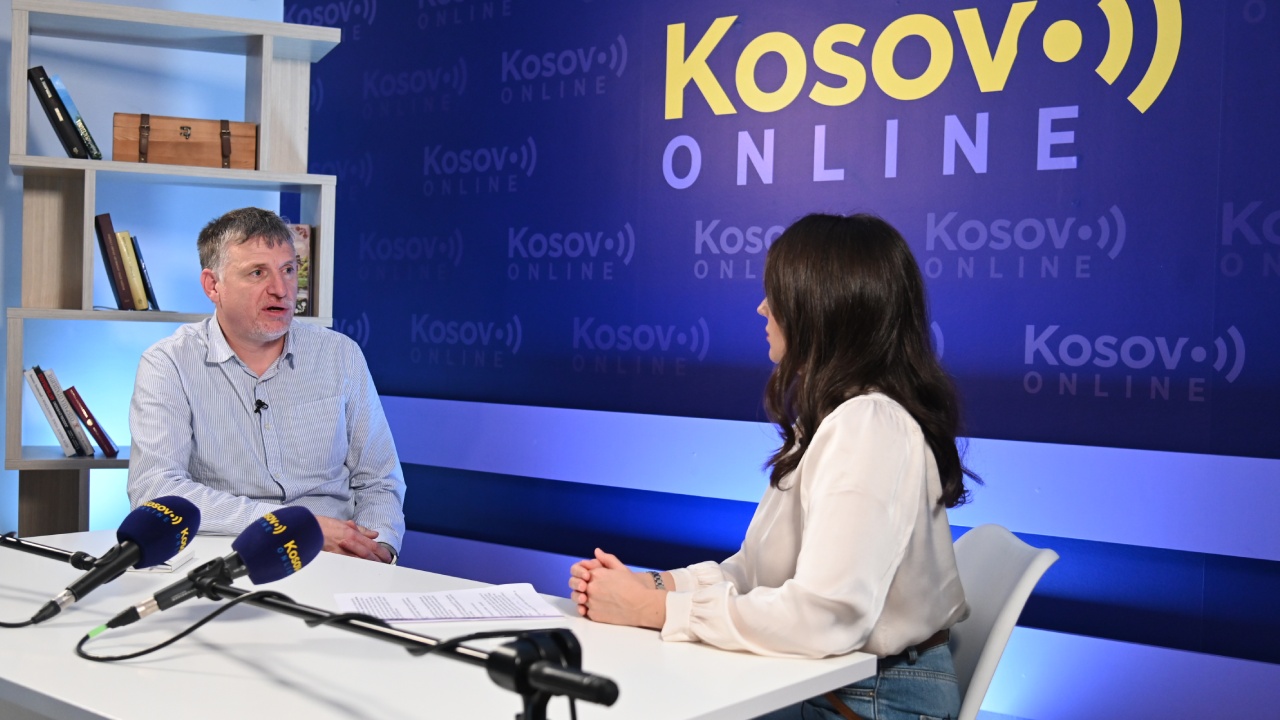
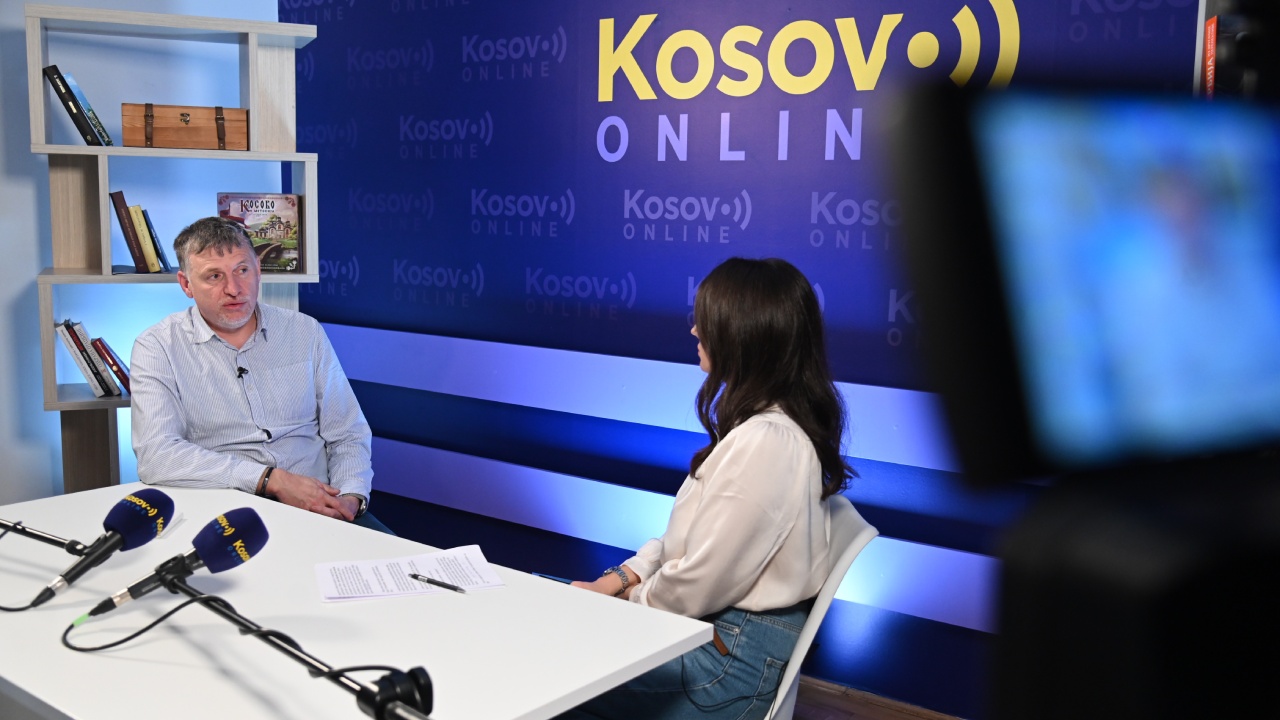
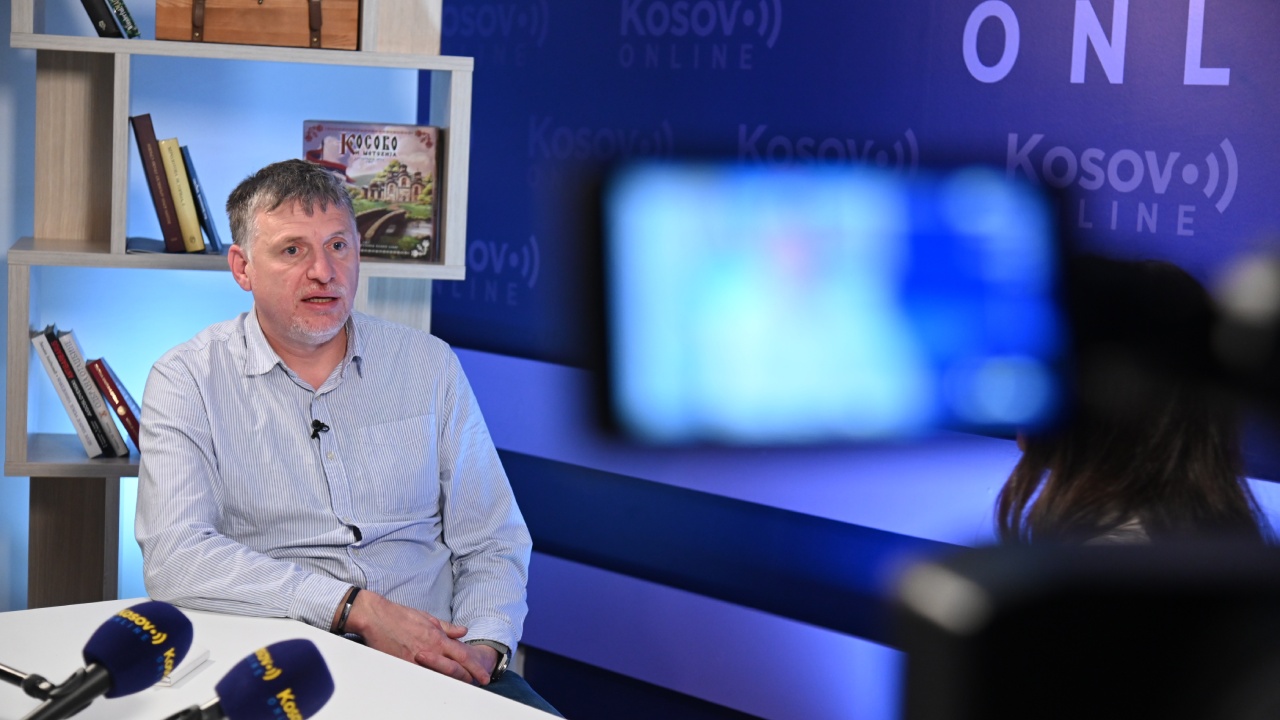
The full conversation between Ljubisa Mijacic and Dragana Biberovic can be viewed in the video attached.



comments