
Radonjic: We live and function under pressure
I would point out one good and one bad piece of news from Kosovo. One of the worst is that the Serbian population in the north has decreased by 30 percent—people are emigrating en masse after the takeover of municipalities by Albanians and the deterioration of their status. On the other hand, I would highlight the highest birth rate among Serbs around Gracanica when considering all regions inhabited by Serbs, from Banja Luka to Belgrade. There, it is natural and normal for women to have five children, and that’s why each year on Vidovdan, the “Mother of Nine Jugovic” award is presented, which is admirable. The primary school “King Milutin” in Gracanica has 1,300 children, and then you think—there is hope, said Predrag Radonjic, director of the National Theatre in Pristina with temporary headquarters in Gracanica, in the Context podcast.
He believes that most people do not have a realistic picture of life in Kosovo and that the media are largely responsible for that. He points out that there are still those in Kosovo who are planning their future and do not have backup apartments or homes.
“One of the tragic facts is that there are two stereotypical ‘drawers’ into which Kosovo Serbs are placed. They are either social assistance recipients and users of soup kitchens, or criminals exploiting the situation to fish in troubled waters. It’s as if the majority and the entire world in between these two extremes does not exist. And that’s 99 percent of the people who come to our plays. People ask me what life is like down there, and they already have a formed opinion and answer. If I reply with something that doesn’t align with that, they argue, so I avoid such conversations. Rare are the people who ask with an open heart to learn something, rather than to confirm their own prejudices. From ‘everything’s lost, we should give up’ to ‘we should take up clubs and fight.’ There’s the least empathy and rational reflection,” Radonjic said.
The institution he leads, he says, operates under pressure that grows stronger year by year. He believes that the ultimate goal of Pristina’s policy is to make the work of the theatre as difficult as possible or to eliminate its existence under the auspices of the Government of Serbia.
“We’re witnessing the shutdown of social protection institutions, the PIO fund, we see how directors of primary and secondary schools are being summoned for questioning. Given the history of attacks against us—not only from some colleagues in the theatre scene in Kosovo and Metohija but also from representatives of Kosovo institutions—we know that this will be something that will come onto the agenda,” said Radonjic.
Gracanica is not the only home stage of the Pristina Theatre, Radonjic explains. They perform in at least twenty locations across Kosovo, which is why the closure of this institution would be a major blow to the Serbian community.
“It certainly cannot be compared to the closure of a health clinic—that’s a basic necessity. But Churchill’s question comes to mind—what are we then defending? Culture may not be fundamentally existential, but that spiritual aspect of life is extremely important,” the Context guest emphasized.
The past theatre season was marked by three premieres: “The Performance of Hamlet in the Village of Mrdusa Donja”, the children’s play “Cinderella”, and “This Is Us”, a play based on the biographies of the actors from the Pristina Theatre. For the start of the next season, the “Kosovo Cycle” based on the motifs of epic folk poetry is announced.
“Despite all circumstances, it seems to me that the National Theatre in Pristina has never functioned better than it does now. Between the feeling of existential threat and the sense of mission, we chose to do what is our only way out—to work thoroughly, to produce content, to perform for the people in Kosovo and Metohija. To tour other parts of Serbia and present our work, which is an equally important factor contributing to the connection with Kosovo and events there,” Radonjic said.
Born in Uzice, he has spent most of his life and career in Kosovo. Still, he says it’s hard for him to explain to himself, let alone to others, what is currently happening.
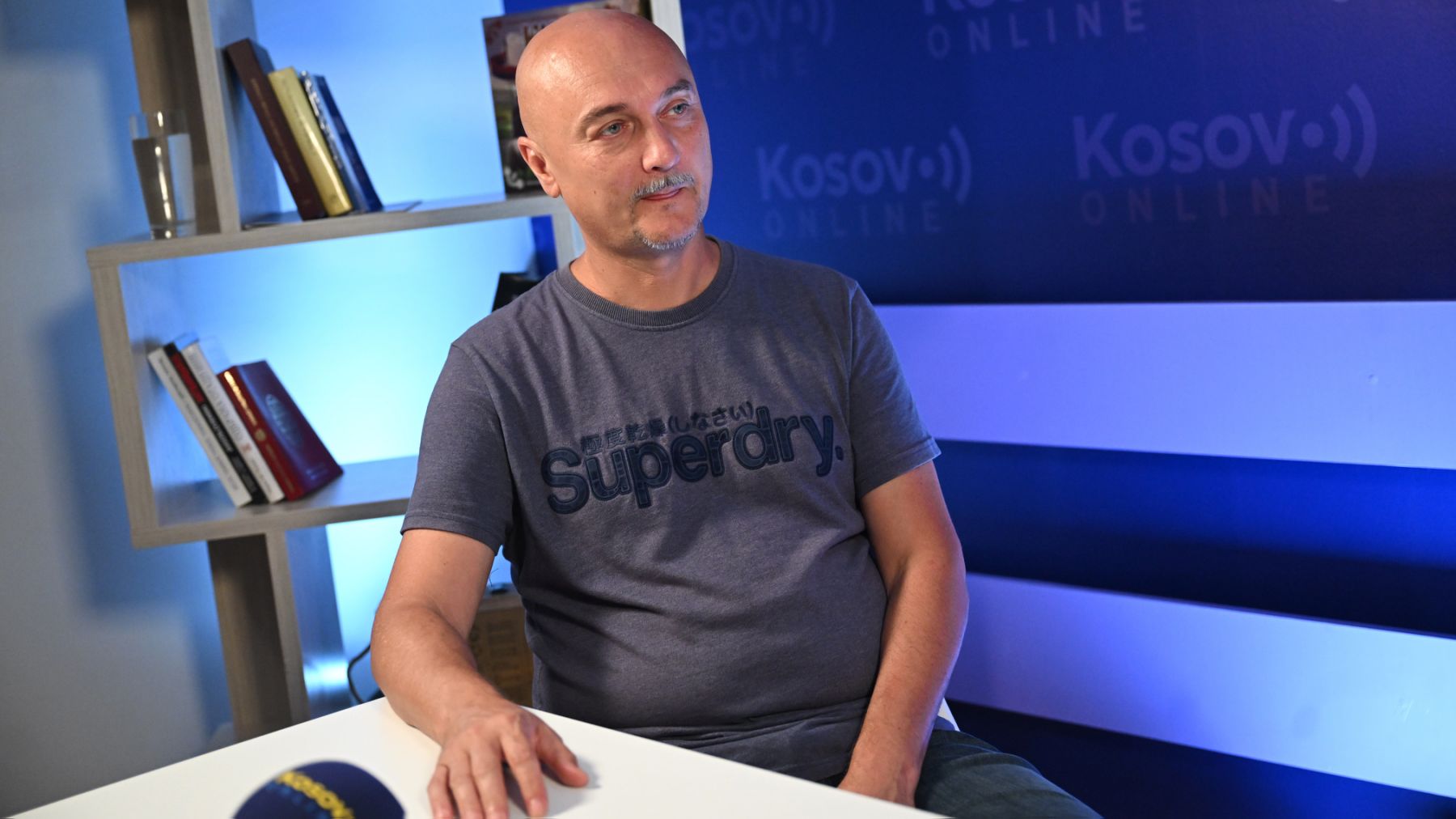


“Explaining the situation and the position of Serbs requires a broad, serious study, a kind of dedication and understanding of the historical background. How do you explain that people have dual ID cards, license plates, that those who married in 2005 in the Serbian system in Kosovska Mitrovica now have to remarry in the Kosovo system to obtain documents? It’s madness. People who can have documents from ‘two states’ actually have no rights and are currently the most endangered ethnic group in Europe,” believes the director of the Pristina Theatre.
He believes that Albin Kurti has created an atmosphere in which many believe that the “Serbian question” in Kosovo needs to be urgently resolved.
“It was the same for Serbs in Croatia during Tudjman’s era—that they must be reduced below five percent. Serbs in Kosovo and Metohija are very close to being reduced below that threshold, at which point they cease to be a political factor capable of influencing events. Kurti wouldn’t mind that symbolic number—he might even welcome being able to say that Serbs still exist in Kosovo. In his electoral base, Kurti is seen as a resolute politician who aggressively defends national interests, but for Serbs and partially for the international community, he is a man unwilling to engage in dialogue or compromise,” Radonjic stated.
The Context guest spent nearly two decades in journalism and helped found numerous local media outlets in Kosovo after the war. He is also the author of the film “The Agreement”, the first and only Serbian film made in Kosovo after 1999.
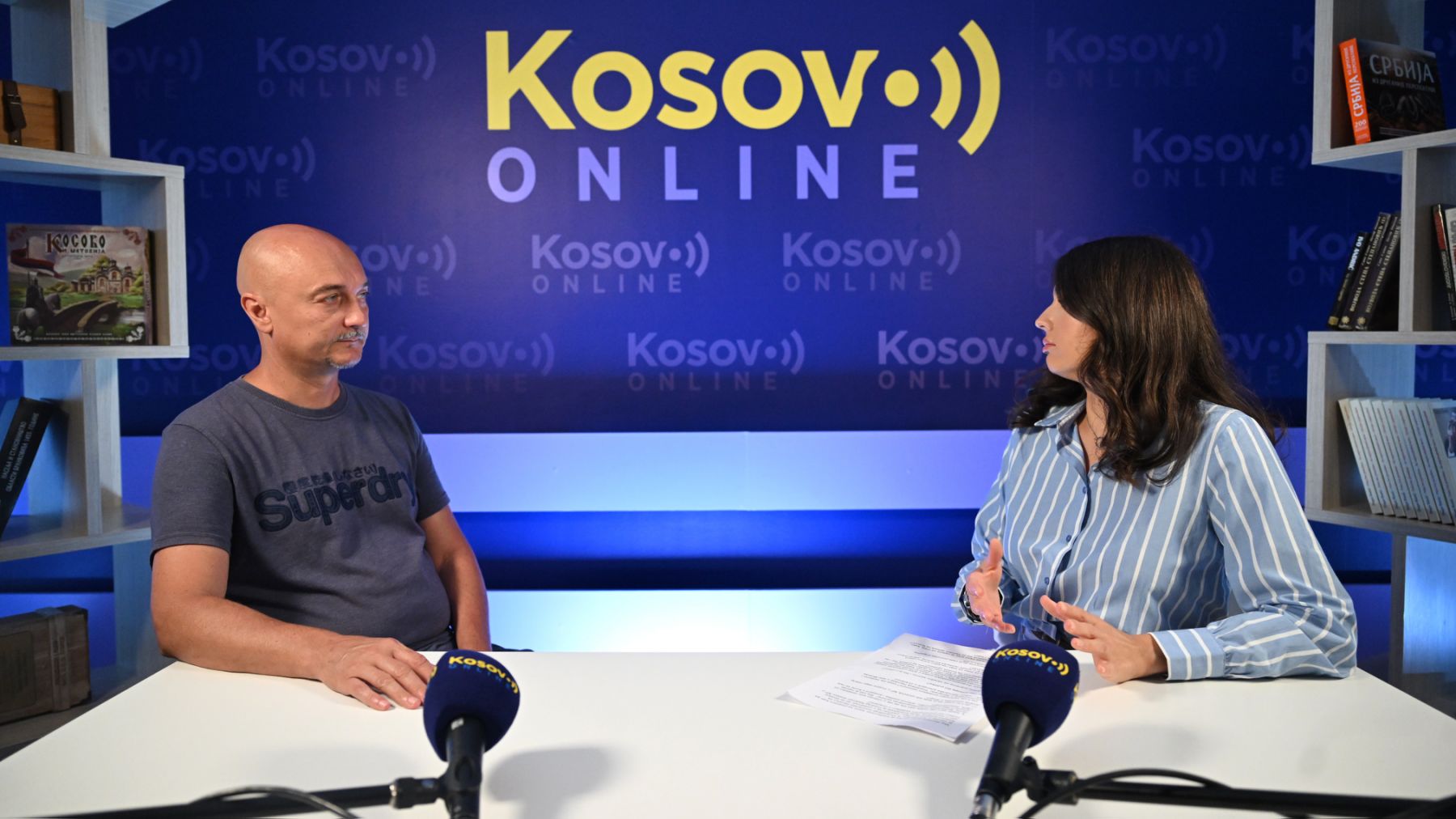
You can watch the full interview between Predrag Radonjic and Dragana Biberovic, in which he also spoke about anecdotes from the film’s production, in the video segment.


0 comments