
Stankovic Simic: The Pristina I remember no longer exists
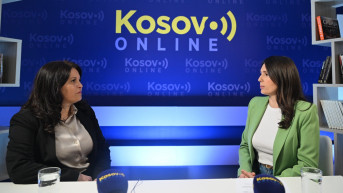
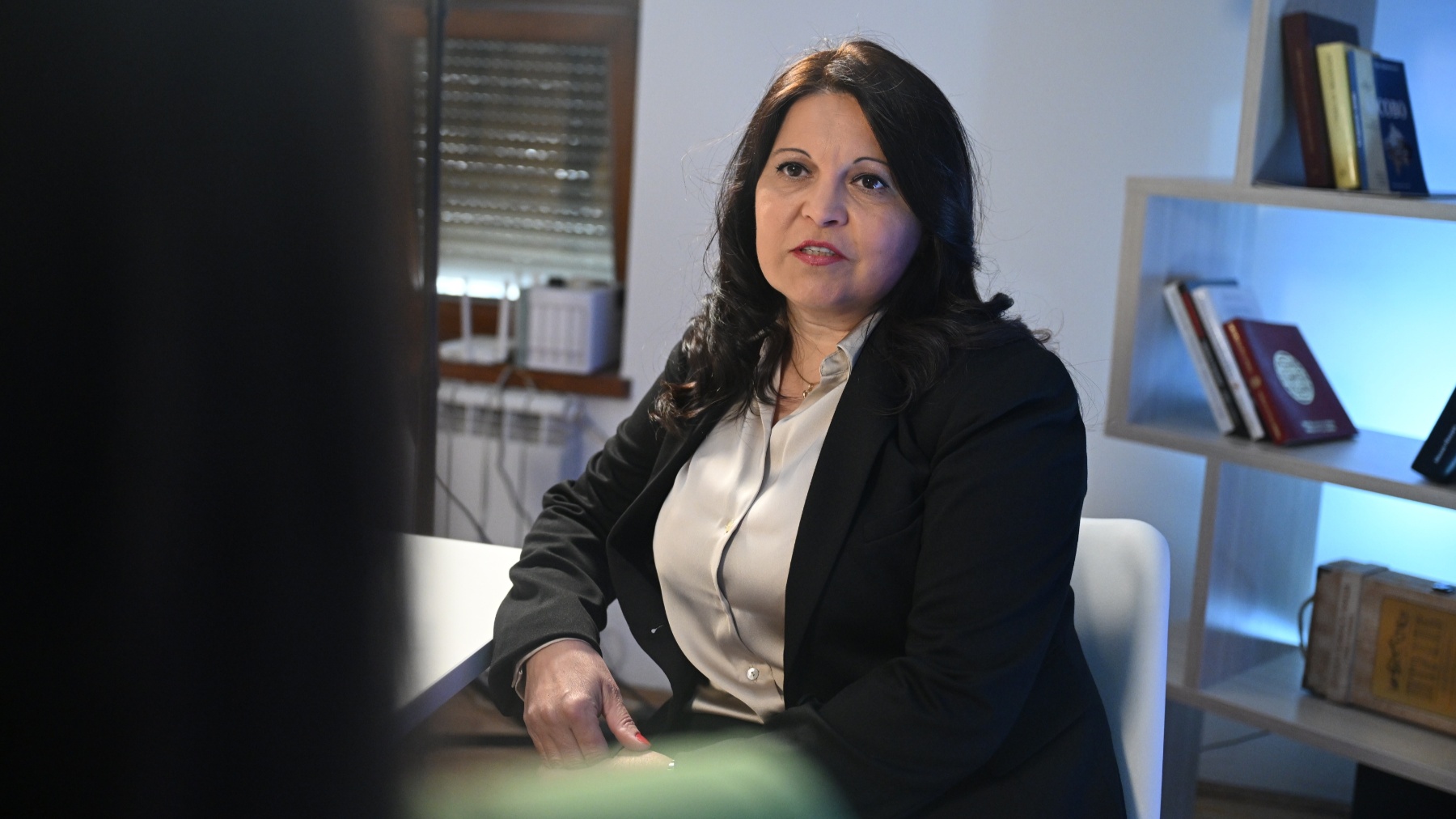
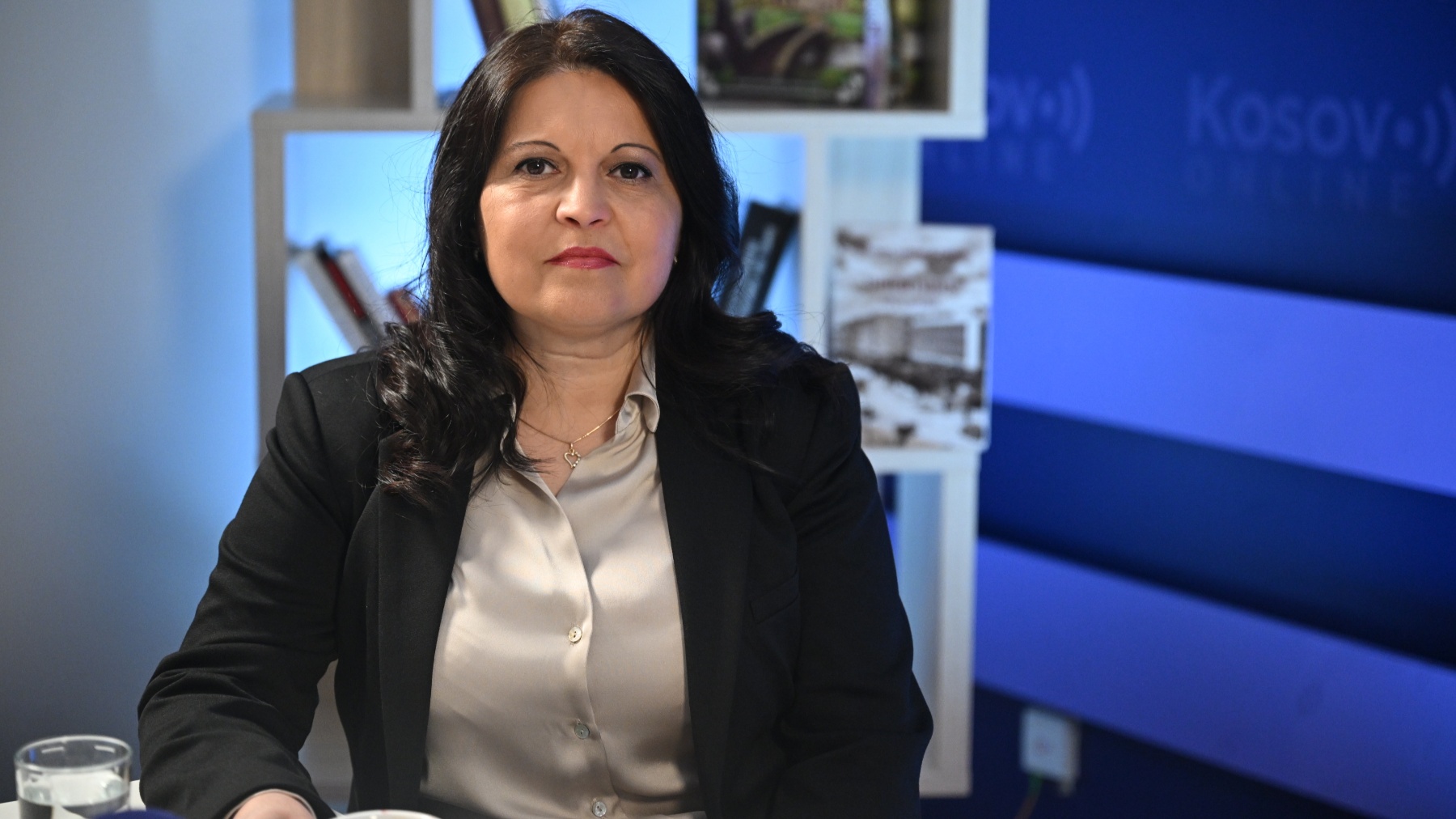
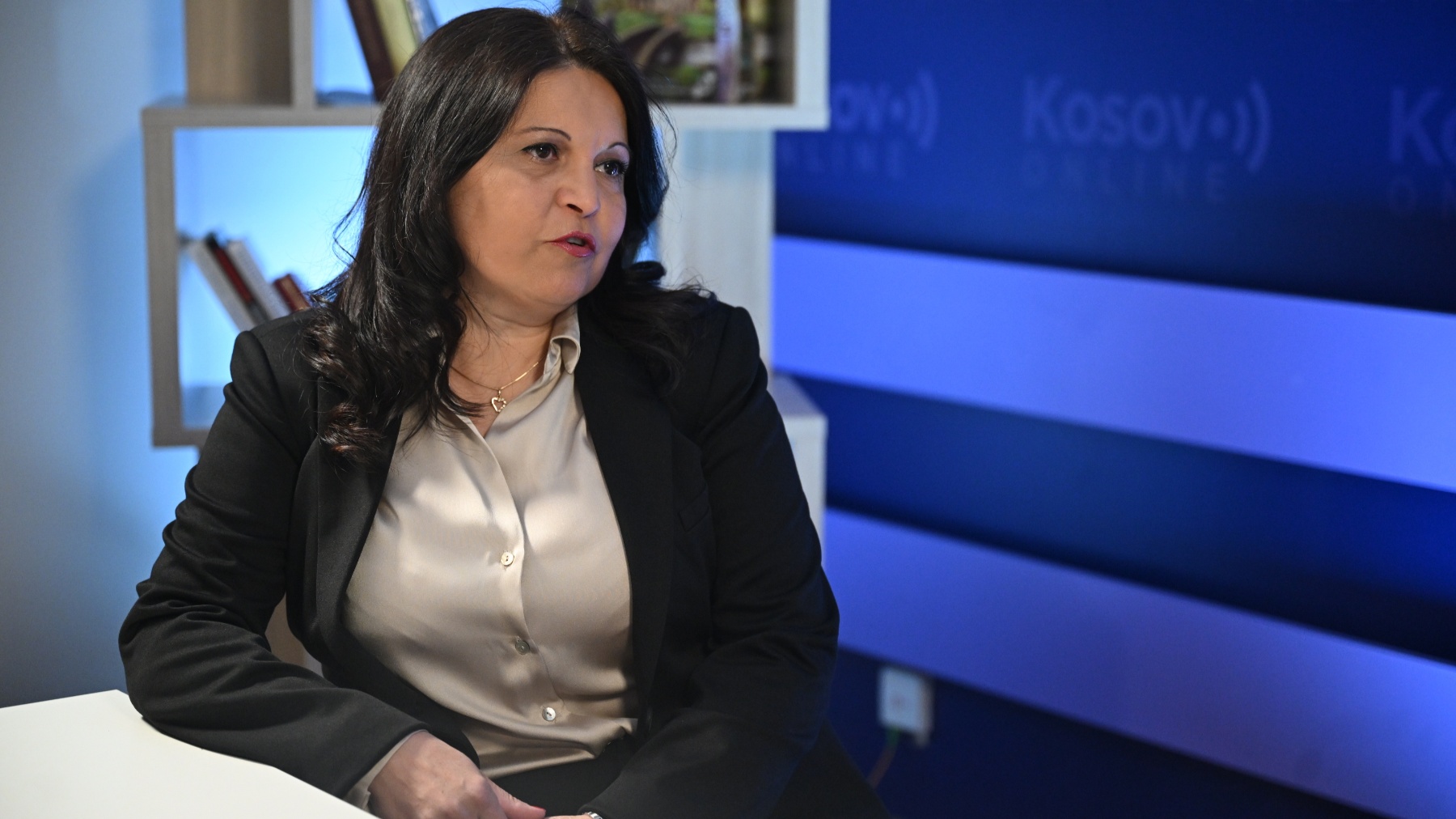
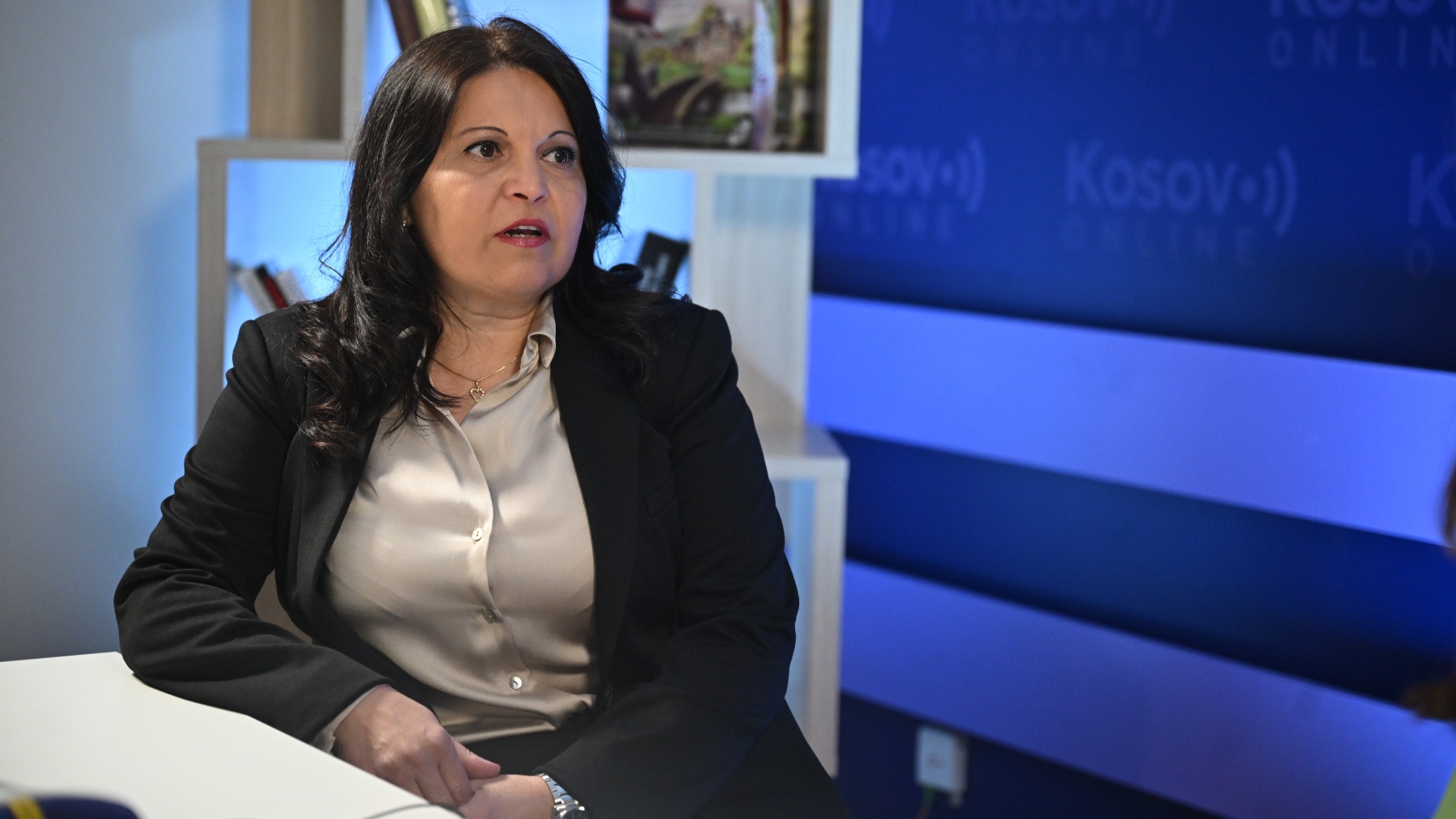
Two years ago, I wanted to show my children the Pristina I love and often tell them about. I couldn’t find my way around. I wasn’t even able to locate the school I attended, because everything has changed. There are many new buildings, monuments… It is no longer a city of narrow, winding streets, four-story buildings, and small houses with gardens. That contrast I remember—the intertwining of Ottoman and medieval—has also disappeared. This is not the Pristina I know and wish to remember, historian Natasa Simic Stankovic said while appearing on the KOntext podcast.
She was born and raised in Pristina and has lived in Belgrade since 1999. When asked whether she identifies as a “Pristinka” or “Pristevka,” she answers without hesitation:
“Always ‘Pristevka,’ even though it may be grammatically incorrect. That’s what we have always called ourselves because Pristina got its name from the Pristevka River. Sometimes we even find it offensive when people call us ‘Pristinci,’ just as when instead of ‘Kosovac’ they say ‘Kosovar.’ I always proudly say that I am a Kosovar woman by origin and I want everyone to know that,” the Context guest says.
Books Against Oblivion
She has written two books about her hometown—“Pristina Through Time” and “Pristina, My City”—in order to preserve memories from being forgotten.
“Some memories fade; some parts of the city I can no longer even recall. Life changes… I wrote the book so that memories would not fade, I wrote it for myself and for others, so that one city and one era are not forgotten. I would like young people to remember Pristina as their parents describe it to them. The real Pristina is multiethnic, lively, neighborly, sincere, traditional, yet at the same time modern,” Simic Stankovic said.
When the Linden Trees Bloom
Memories, she says, are often awakened by scents and small details.
“There is no one from Pristina who, in June, when they smell linden blossoms, does not think of their city. There used to be a row of linden trees along the promenade, the main street once called Marshal Tito Street, and later Vidovdanska. Memories are like drawers—when you open them, something is bound to jump out,” she notes.
She remembers her childhood and youth as a time of companionship and carefree living, but also as life within a community of different peoples.
“I lived without fear. With my mother and sisters, I visited Albanian neighbors during holidays, went to their weddings. Their customs were unusual to me, but that was precisely the charm of life in a multiethnic environment. All of that was beautiful in times of peace. Unfortunately, the 1990s changed everything,” she assesses.
Today, she says, she is no longer in close contact with Albanians from that period.
“We exchange messages in Facebook groups, but it is no longer what it once was,” she said.
Bombing and Life in Darkness
With both Serbian and Albanian neighbors, she spent the first days of the 1999 bombing in a shelter. She particularly recalls the beginning of the NATO campaign.
“The day began like any other. I went to work; we were not afraid because we were used to crises. Although we hoped there would be no bombing, around one in the afternoon we received news to go home. The city was in darkness for all 78 days. The first night was terrifying—at 7:45 p.m., the bombing of the area around Pristina began,” she says.
The most frightening day, she recalls, was April 7, when the city center was bombed.
“A bomb fell 200 meters from my apartment. The stadium, the Ministry of Interior building, the post office were hit… We lived in complete darkness, in fear and uncertainty, yet people still tried to live normally. All services functioned, the city was supplied—that was an illusion of normalcy,” she explains.
The Last Hope and the Arrival of Russian Troops
The signing of the Kumanovo Agreement, she says, brought relief that did not last long. She recalls June 12, when Russian troops arrived in Pristina and gave hope to Serbs who planned to remain in the city.
“That day, around 20,000 Serbs were in the streets of Pristina, welcoming the column of Russian armored vehicles with Serbian and Russian flags and banners reading ‘We are staying here.’ We believed that was our salvation. The celebration lasted late into the night, but it was the last peaceful night in the city,” she recalls.
After that, she says, chaos followed.
“Albanians who had fled began returning, but also some who had never lived in Pristina before. From my window I watched them breaking into cars, throwing people out of apartments… The dilemma arose—whether to stay or leave. If you stay, you risk your life. If you leave, you abandon everything,” she says.
The decision to leave Pristina was, she says, the hardest of her life.
“My husband was in Belgrade, while my parents and sisters remained. Leaving the apartment was terrifying—by then they had already begun breaking into the apartment below mine. I took one suitcase, thinking I was leaving temporarily. No one believed we would never return,” she said.
Although she still visits Kosovo today, she says it is no longer the same city.
“A city is made by its people. And the Pristina I loved no longer exists,” says Simic Stankovic.
The Secret of Zona Zamfirova
A special part of her work deals with lesser-known stories from the history of Pristina that have been suppressed over time or attributed to other places.
“When I started writing the book, I thought everyone knew that Zona Zamfirova was not from Nis. It turned out that was not the case, so I decided to tell that story in full,” she says.
As she explains, behind the famous literary character stands a real person from Pristina—Jevrosima Kijametovic, the daughter of a wealthy merchant Hadži Zamfir, known throughout the region, even as far as Thessaloniki.
“I wrote the story thanks to Dragan Lazic, an outstanding chronicler of Pristina. Conversations with him were a great inspiration for my book. The truth is that Branislav Nusic, while serving as consul in Pristina, heard the story about Zona and told it to his friend Stevan Sremac, asking him not to reveal that it was about Pristina, as it would have been a great disgrace at the time. That is why Sremac moved Zona to Nis,” she notes.
She adds that the real-life story of Zona Zamfirova did not have the romantic ending seen in the literary version.
“She was a sixteen-year-old girl of exceptional beauty, who fell in love with Maksim Gapic, the son of a well-known goldsmith. However, her father strongly opposed it. Although Maksim tried to abduct her, Hadži Zamfir kept his word and married her off to another man—a poor Aleksa Grbic,” she says.
After their marriage, their life unfolded far from the Pristina bazaar—first in Prizren, then in Urosevac, where they had five children.
“Her fate was not easy. Her husband died in 1913, leaving her a young widow. During World War II, she moved to Belgrade, where she lived for the rest of her life. She is buried at the New Cemetery, and her tombstone bears the inscription: ‘Here lies Zona Zamfirova,’” says Simic Stankovic.
Interestingly, she adds, the truth about her identity was revealed only in the mid-20th century.
“Everything would probably have remained a secret if her brother had not decided in 1952 to tell the story to journalist Misa Mijatovic. Later, Zona even watched a theater play inspired by her life, but according to family testimony, she was not satisfied with how she was portrayed,” she said.
Pristina Lives in Books
Speaking about her motivation for writing, she emphasizes that the aim was to preserve what is no longer visible.
“The real Pristina I speak of today can only be found in books. All of us who left have an obligation, in line with our knowledge, to leave a trace of the places we come from,” Simic Stankovic concludes.
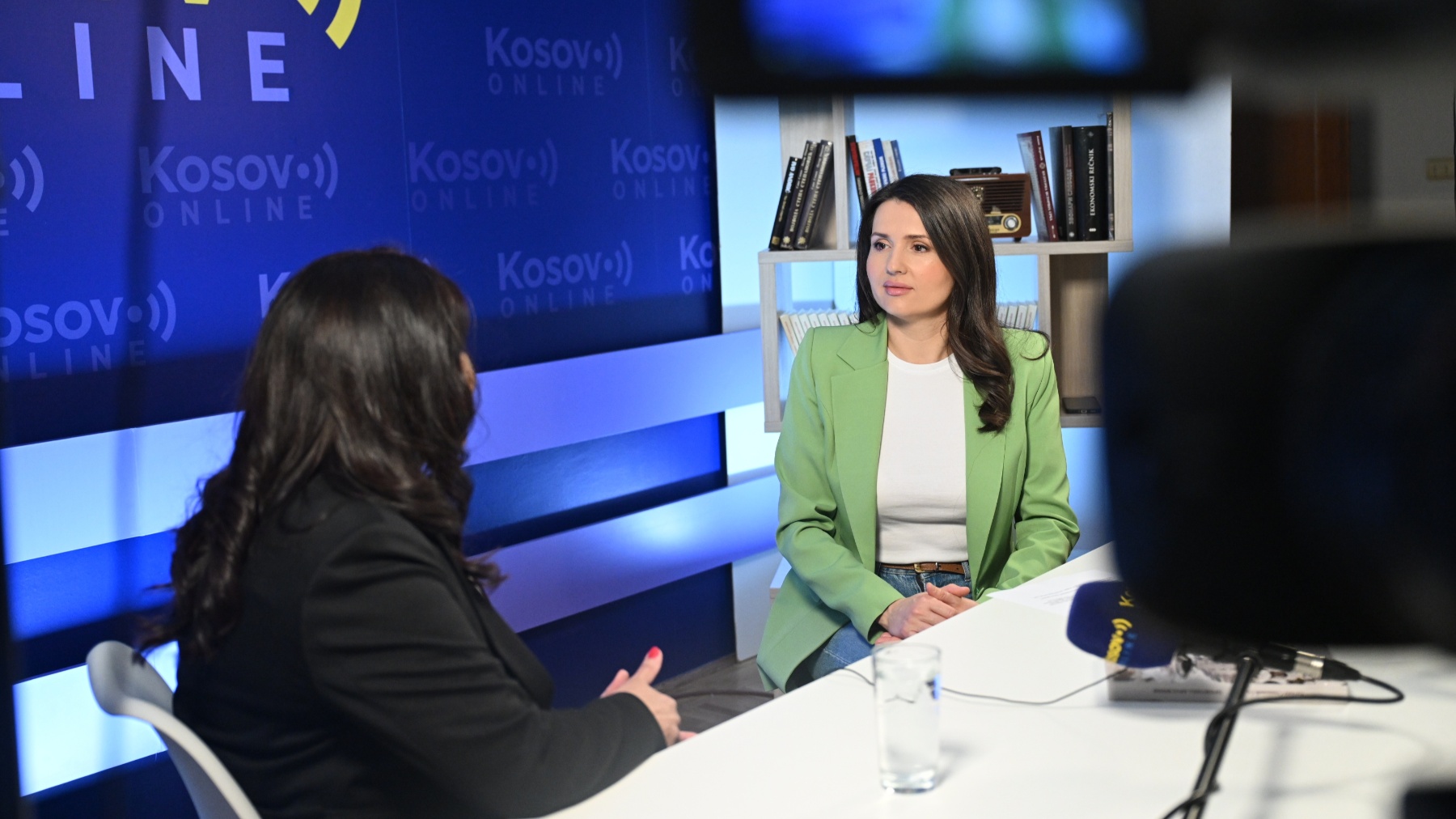
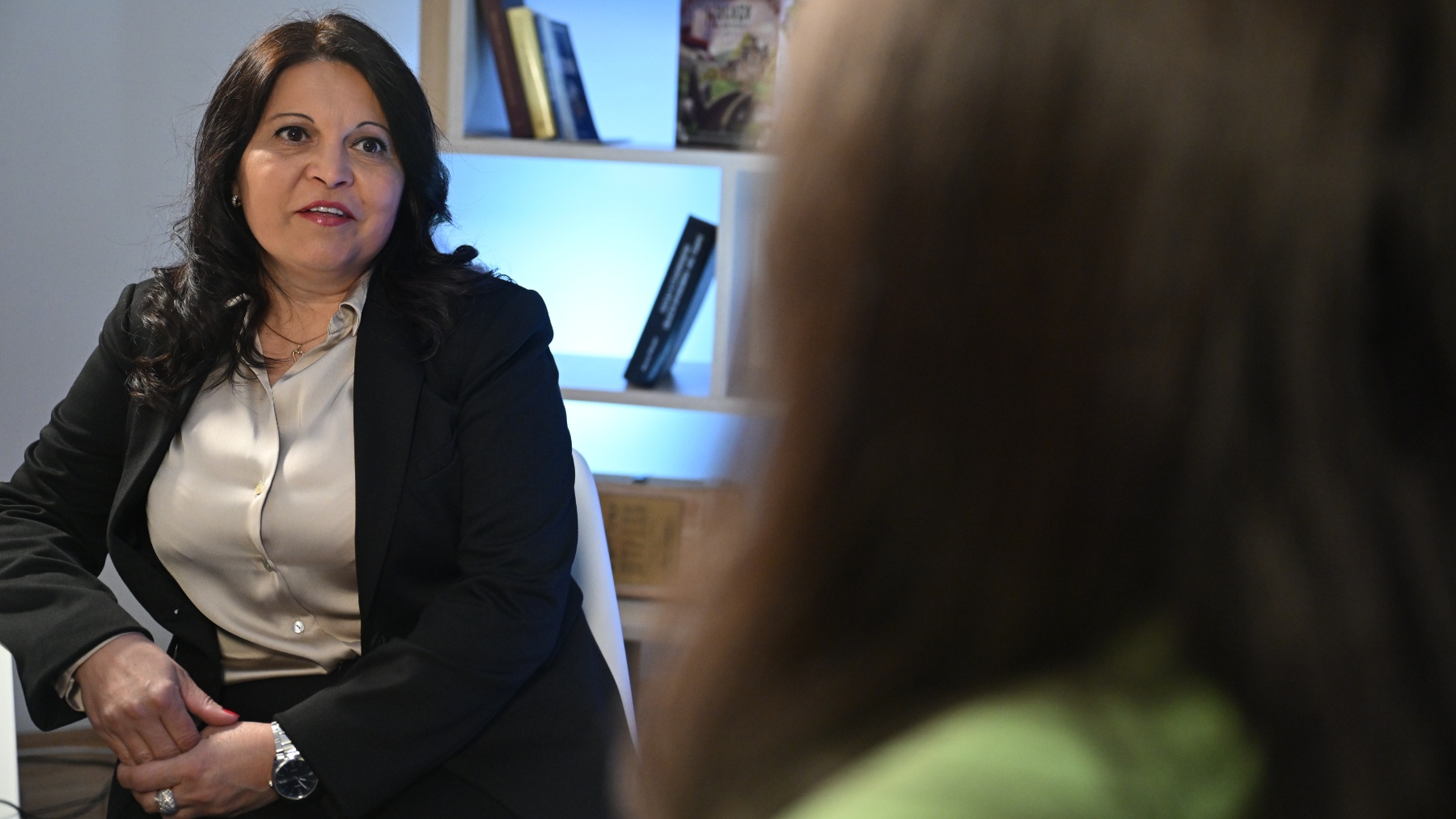
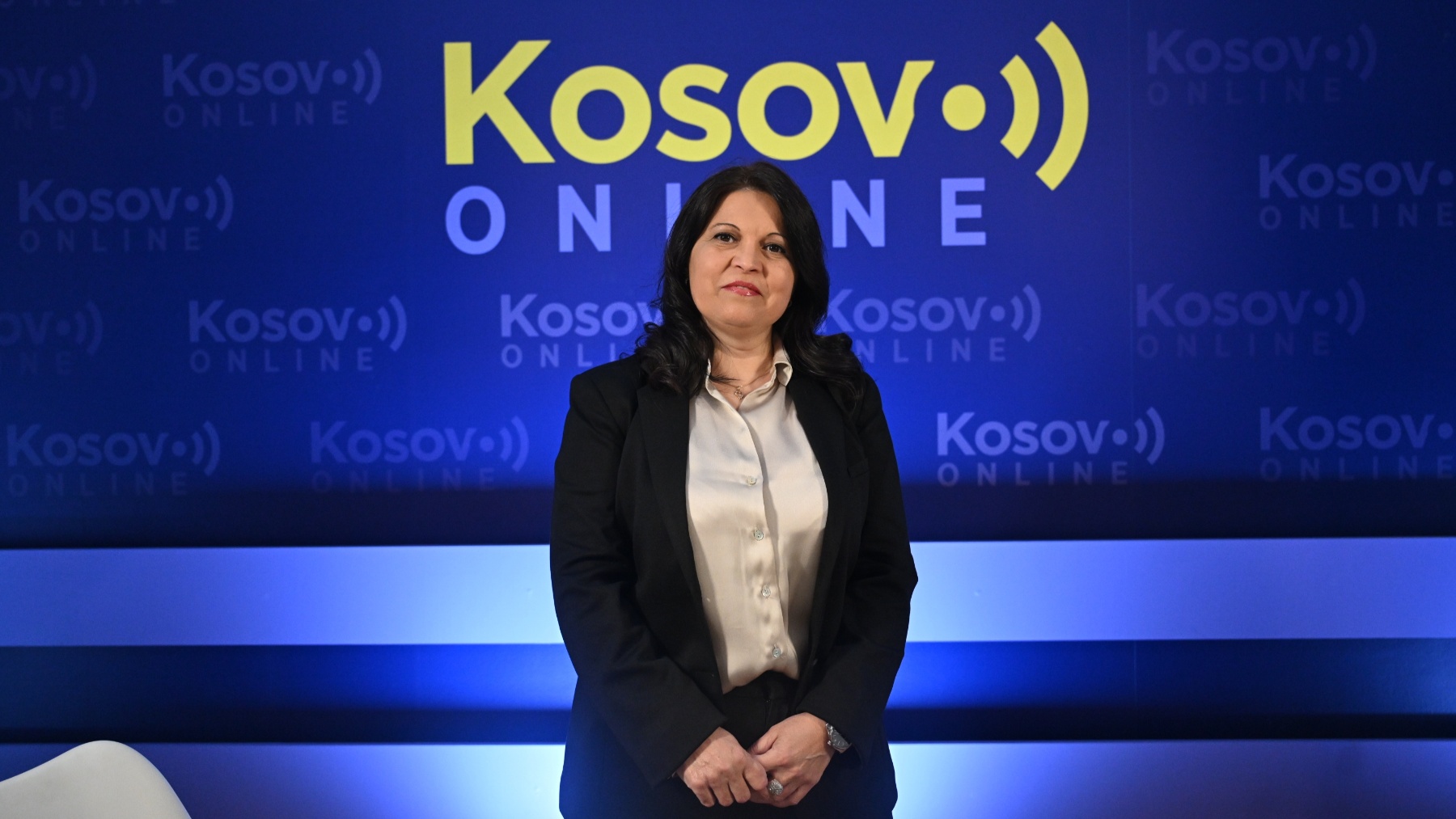
You can watch the full appearance of Natasa Simic Stankovic on the Context podcast in the accompanying video.








0 comments