
Summary of the Week 49
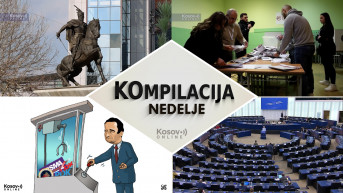
Who trusts whom, and how will it come back to them? These are the questions politicians are asking themselves, especially in the weeks when the future government is being decided. Another week has passed in anticipation of results and predictions about what will follow.
Everything revolves around trust, and that’s nothing new. If you have it, you can achieve anything. If you lose it, you’re on your own. That’s why, in recent weeks, statements about potential coalitions are being carefully weighed and analyzed.
"Experts from Pristina have pointed out the possibility of so-called MP defections after the elections," explains Milos Pavkovic from the Center for European Policy, interpreting Fatmir Limaj’s potential willingness to cooperate with any party.
With such shifts, the final truth about the elections remains uncertain. Few believe the issue can be resolved without external help.
Historian Stefan Radojkovic recognizes this and states, "Kosovo has been trying all along to return to the center of attention of the Washington administration."
However, some believe this could be a double-edged sword, especially those who have witnessed the gradual erosion of trust between Kosovo and the U.S.
"I believe that a possible visit by Grenell would have a significant impact on government formation in Pristina," says Nemanja Bisevac, an expert on Kosovo affairs.
According to analysts, those who hope most for external visits are those who trust them the most—currently, the opposition. However, university professor Nexhmedin Spahiu warns that some expectations may be unrealistic.
"They think Grenell will come and scare the minorities into not forming a government with Kurti," says Spahiu.
This week also brought a reminder that not all of Kosovo's hopes rest in one place. A message from France made that clear. Trust remains questionable, but the request could be placed on the agenda of the Council of Europe’s Political Committee. Analysts in Serbia ask: What has changed?
"Any concessions to him and granting a special status in the Council of Europe would be a personal reward for Kurti. And that would certainly encourage him to act even more radically than before," says Predrag Rajic.
Even without mutual trust, certain ambitions and goals can bring together completely unfamiliar people. This time, a boycott as a form of financial relief is spreading across the region.
"The purpose of the boycott is to fight for lower, fairer prices," says Dejan Gavrilovic from the Efektiva consumer association. However, citizens of Pristina remain unconvinced of the boycott’s effectiveness. They believe a higher force is needed.
"It's too expensive, we can't handle it. I don't know, may God help us," says one survey respondent.
Economists warn that achieving only half of a goal is not enough to restore trust.
The President of the Kosovo Business Alliance, Agim Shahini, clarifies: "We have the cheapest groceries in the Balkans. But we also have the lowest wages in the Balkans."
Restoring lost trust isn’t easy, but it is possible. The first step is understanding—without delayed translations and interpretations, as seen at almost every official event in Kosovo.


0 comments