
What does the increasing number of indictments against the Serbs for war crimes say about the state of the Kosovo judiciary?
What does the increasing number of indictments against the Serbs for war crimes say about the state of the Kosovo judiciary?
"There are judges and prosecutors in Kosovo who are honorable and honest, and who do their job in that way. However, abuses in the courts and the prosecution are a widespread phenomenon and often come at the expense of the Serbs, who are held in prolonged detention without evidence, and increasingly, with confusing and baseless indictments, they are charged with war crimes after 24 years".
Edited by: Milos Garic
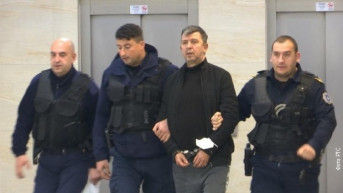
The case of Gavrilo Milosavljevic (63), a Serb from Istok, against whom an indictment for alleged war crimes was filed a few days ago after a year-long detention, is just one of numerous examples of the "peculiar" system under which Kosovo's judiciary operates today.
All residents of Istok, mostly Albanians, as the Serbs have long been expelled from this Metohija town, and conditions for their return are nonexistent. Therefore, all people there who know Gavrilo Milosavljevic know that he is innocent. However, this is a weak consolation for Gavrilo, as well as for many other imprisoned Serbs throughout Kosovo.
Dusko Arsic, Dragan Milovic, Zoran Kostic, Zlatan Arsic, Dragisa Milenkovic... The list of those arrested for "war crimes against the civilian population" in just the past few months is quite long. Lawyers complain that judges accept confusing, poorly drafted, empty, unprofessionally prepared requests for detention, outside the law, without facts, without evidence.
They say that the courts first arrest Serbs, and then seek "evidence", which doesn't necessarily have to be real evidence. It is enough for two witnesses to "remember" something after 20 or more years, which can be attributed to the arrested person, and judges eagerly accept it.
The logical question is - why would someone do that?
This brings us to the main point of this already-established judicial practice, which reveals two key motives behind it.
The first is related to property. Instead of arresting the Albanians who seized Serbian property, and there are thousands of such cases, the courts accuse the Serbs who want to regain ownership of their homes and land. This permanently prevents these people from asserting their property rights and, in the process, sends a clear message to many families about the consequences if they consider returning.
The second reason is political. Indictments for war crimes against the Serbs provide a new "credibility" to the authorities in Pristina for reiterating the narrative of genocide, launching further attacks against Serbia, and allocating significant funds for new "institutes and investigations of war crimes".
The high-security prison in Grdovac, a village near Podujevo, was built in 2014 with funds from the European Union and is primarily intended for the Serbs. Currently, there are around 80 of them here, with at least half facing charges of alleged war crimes.
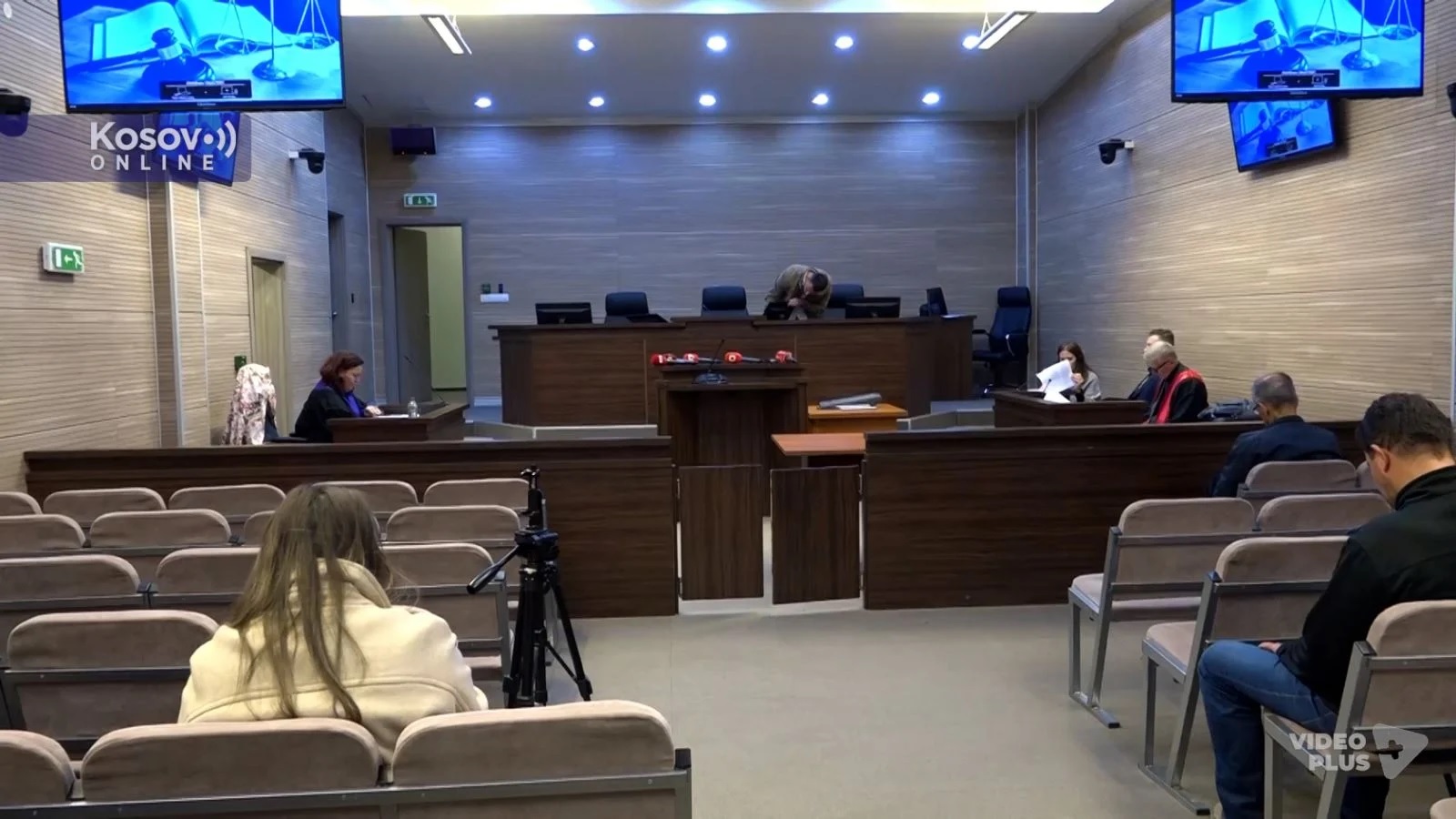
Lawyers representing arrested Serbs in the unequal struggle for the rights of these individuals point out that it is evident that the intention of the Pristina authorities, with the help of international partners, the financiers of this prison, is to fill the cells with as many defendants as possible, even without any material evidence.
To make matters worse, everyone knows the background of this story, and certainly, international representatives, whose job description includes preventing abuses of Kosovo institutions and working to defend the rule of law. However, their reaction is lacking.
Proceeding by automatism
Lawyer Jovana Filipovic from Gracanica, speaking to Kosovo Online, says that it is not natural for alleged war crimes to be reported in Kosovo after more than 20 years, and one can conclude that there is an intention to intimidate the Serbs living in Kosovo, as well as those displaced, in case they wish to return.
"First and foremost, when we talk about war crimes or any other crime committed not only in Kosovo but anywhere, we must be aware that we all strive for criminals to be punished, and no victim can be left without rights, and we should not pretend that we do not to see a situation that is happening. However, in Kosovo, the first reports happen after 20 or more years from the moment when the crimes allegedly occurred. It is reasonable to ask how it is possible for someone not to report crimes for so many years and allow the perpetrator to move freely when it is natural to report any offense, even one that carries a lesser penalty", Filipovic notes.
According to our interlocutor, special attention must be devoted to indictments for alleged war crimes, and it should not be allowed to proceed in an automated manner in such cases.
"With so many non-governmental organizations and pressure from all forces, for an offense to remain unreported and be documented for the first time after 23 years truly raises questions about the background of all this. We know that for the past two years, constant arrests have been happening, resulting in the initiation of investigations and the imposition of further detention measures. Then, indictments are brought. It is problematic why this is happening after so many years, and the only conclusion is that it is intimidation, aiming to prevent anyone who has already moved away from the territory of Kosovo from returning. Also, the survival of the population that still lives and works in these areas is called into question. Special attention should be paid to these indictments, and all circumstances should be considered, rather than proceeding automatically. In other words, the detention measure should not be abused, and eventual judgments should not be reached without valid evidence", Filipovic added.
She emphasizes that the judiciary in Kosovo must remain immune to public influence and make decisions solely based on the existing laws.
"As for the entire judiciary, we cannot speak in general terms. We know that some judges and prosecutors are honorable and honest, and also do their job without succumbing to influence. However, all of us living in the territory of Kosovo may have had some family problems or been exposed to circumstances, making it challenging to be completely objective. What we have seen so far are judgments that we can assume may not have been thoroughly considered. Whether someone is subjective, whether it is us, or whether there was subjectivity on the part of the court, we don't know, but we must appeal to the court to remain immune to public influence. When the courtroom doors are closed, political, media and public influence should stay behind those doors, and judgments should be based solely on the law", Filipovic points out.
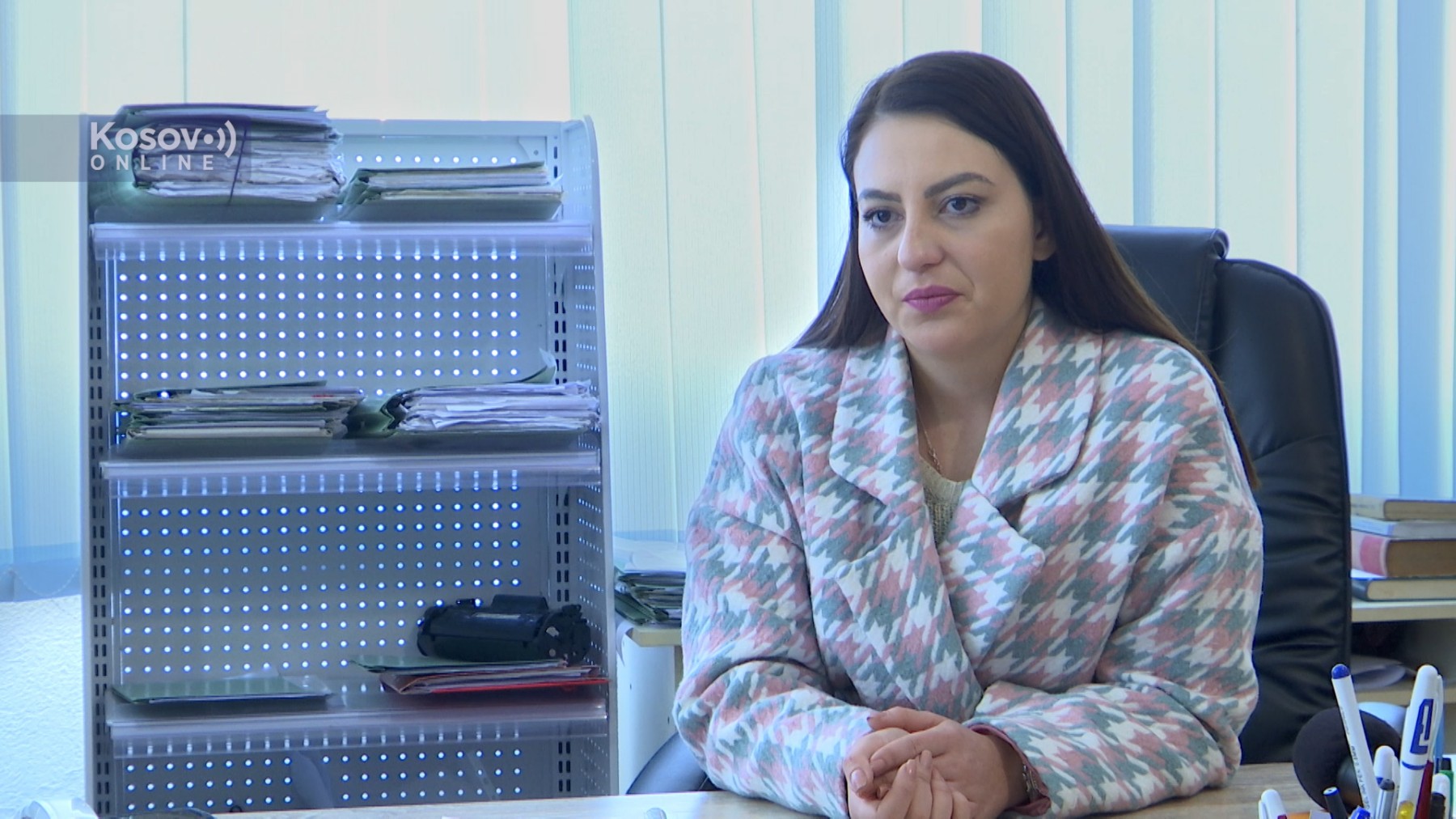
She warns that indictments for war crimes create divisions in Kosovo's society, with Albanians "welcoming" indictments against the Serbs, while, on the other hand, the Serbs in Kosovo fear them because they are aware that they represent a form of intimidation.
"The Albanians, of course, view this positively because trials are held for alleged crimes committed against that part of the population. However, individuals of Serbian nationality see it as a mechanism to further displace them from the territory of Kosovo", Filipovic concludes.
The modern world does not remember anything like this
Prominent lawyer Goran Petronijevic, formerly a judge in Peja, warns that the unresolved state-legal status of self-proclaimed Kosovo brings a series of irreparable anomalies in all aspects of life.
"In addition to the lack of territorial and national sovereignty, one of the biggest problems is the complete absence of a tripartite division of powers into legislative, judicial, and executive. This state-legal orphan is nurtured in the incubator of the West, where, instead of breathing oxygen, one inhales white powder. The sources of functioning of confused competencies of the three branches of power are located in foreign embassies, naturally from Western neo-liberal globalist countries. The modern world does not remember such a protectorate, as has been established in the southern Serbian province, and its quarter-century duration. Laws are made by foreigners, courts are formed by foreigners, and they are executed formally by quasi-institutions of Kosovo, again after pressing a button in one of the aforementioned embassies", Petronijevic emphasized.
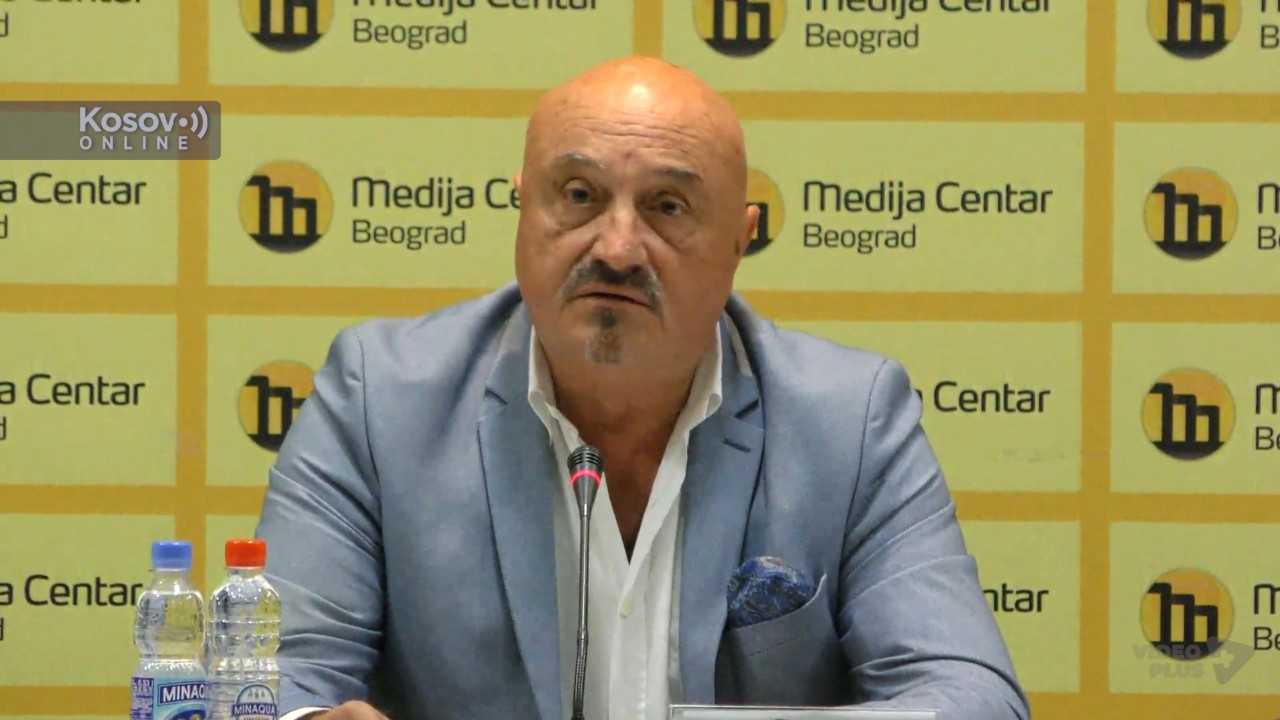
He adds that all of this is "a wolf in sheep's clothing of pseudo-democracy of the neo-liberal type".
"A facade of normalcy. A true Balkan tavern at dawn, where it's impossible to distinguish who's running the show. Unfortunately, it seems that in the self-proclaimed Kosovo, only the Serbs and the occasional non-Albanians are not. They pay with the most expensive currency in the history of human existence - freedom! Western globalists in Kosovo and Metohija tirelessly practice their proven strategy of replacing rights with rules. Rules are once again devised in embassies, and formally introduced into illegal circulation by Kurti's 'administration'. One of these rules is that Kosovo courts are completely independent of the common people, rights, and justice, and entirely subservient to the quasi-executive power, which, in turn, is under the control of foreigners. If any Serb seeks any of their, even basic human rights, or, heaven forbid, their confiscated property, the button on the printer of appropriate indictments, prepared in the form of templates, is pressed", Petronijevic explains.
He very illustratively speaks about how the application of the law looks in the courts in Kosovo.
"You are Petar Jankovic, you are over 45 years old, well, that means war crime. Just tell us where your property is so that we know where you are and what crime you have committed. Sign here, but not in Cyrillic, no one understands that anyway. And you, young man, Mitar Petrovic, were you the 99th in line? Yes, but your father must have been a criminal for sure. Give us a statement, maybe you're here for some criminal reasons. And again, the printer of indictments, organized crime. It's of no use to defend yourself in court. Because why would the prosecutor pursue you at all if you are not guilty and why you specifically? The explanation that it's just because you are a Serb or because you came for your property, the courts qualify as hostile propaganda. And so, Kosovo judiciary fulfills one of its main functions - implementing ethnic cleansing in Kosovo and Metohija, but 'by the law', Petronijevic concludes.
Since 1999, about 70 people have been convicted of war crimes in Kosovo by domestic and international institutions, as recently reported by Radio Free Europe. From 2000 to 2008, war crimes in Kosovo were investigated by the United Nations Mission (UNMIK), while since 2008, the European Union Rule of Law Mission (EULEX) has been responsible for war crimes investigations. This mission handed over documents to the Kosovo prosecution and local courts in 2018.
However, even the EU acknowledges that the Kosovo judiciary is in a very poor state.
In the latest European Commission Report, Kosovo is assessed to be in the early stages of developing a functioning judicial system. Limited progress has been achieved, which, in the language of the European Commission, represents a poor assessment. Kosovo received the same assessment in the fight against corruption, which, as stated in the document, continues to be a cause for concern.
There are no indications that things will improve soon.



0 comments