
A wound that doesn't heal: How important is it to remember the pogrom and the sufferings, and why are the Serbs resented for that?
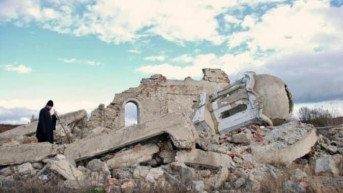
"Dignified sorrow, refusal to forget and neglect, along with persistent insistence on truth, constitute the readiness of the nation to never allow events like those of March 17th and 18th, 2004, to happen again."
Edited by: Milos Garic
On the day when Serbs commemorate 20 years since one of the most severe tragedies in recent history, some difficult questions regarding the Pogrom in Kosovo on March 17th and 18th, 2004, still remain unanswered, indicating that we haven't moved far from the horror that occurred then.
We have never received an answer to the question of how it was possible for 60,000 rampaging Albanian extremists to swiftly and systematically carry out the thorough destruction of hundreds of Serbian homes and dozens of churches and monasteries across Kosovo in the presence of a large number of international representatives, especially security structures of the most powerful Western nations and KFOR units on the ground, leaving behind devastation, ashes, dead, wounded, and deserted villages to which displaced people have not returned to this day.
There is no good explanation for the complete failure of the UNMIK mission during those days, for erroneous assessments, cowardice, the covering up of facts, and evasion of responsibility. It is particularly difficult to accept the fact that the instigators and organizers, as well as numerous perpetrators of the crimes committed, have never been identified and brought to justice.
After 20 years, perhaps that's why we have the situation where Kurti's Self-Determination Movement released a shameful statement yesterday, repeating old lies and once again completely denying the primitive and monstrous behavior of Albanian extremists, disregarding the scale of their rampage and the consequences they produced.
And, even more unbelievably, representatives of Western politics, who have already made significant mistakes in dealing with Kosovo over the past 25 years, these days want to reward the current government in Pristina with accelerated membership in the Council of Europe. They want to reward the very same ones who, along with their sympathizers and followers, burned Serbian homes and monasteries on March 17th and 18th, 2004, and who for eight years did not allow the ownership of the land of the Decani Monastery to be returned to it. What is happening with Europe today?
Who is bothered by the memory of Serbian victims?
Some answers we will never get, but since that is the case, it is important to see what Serbian society and the state can and must do regarding this severe injustice. This certainly includes not allowing forgetfulness and neglect, insisting on the truth, being ready to do everything to prevent anything similar from ever happening again, dignified mourning, and proper remembrance.
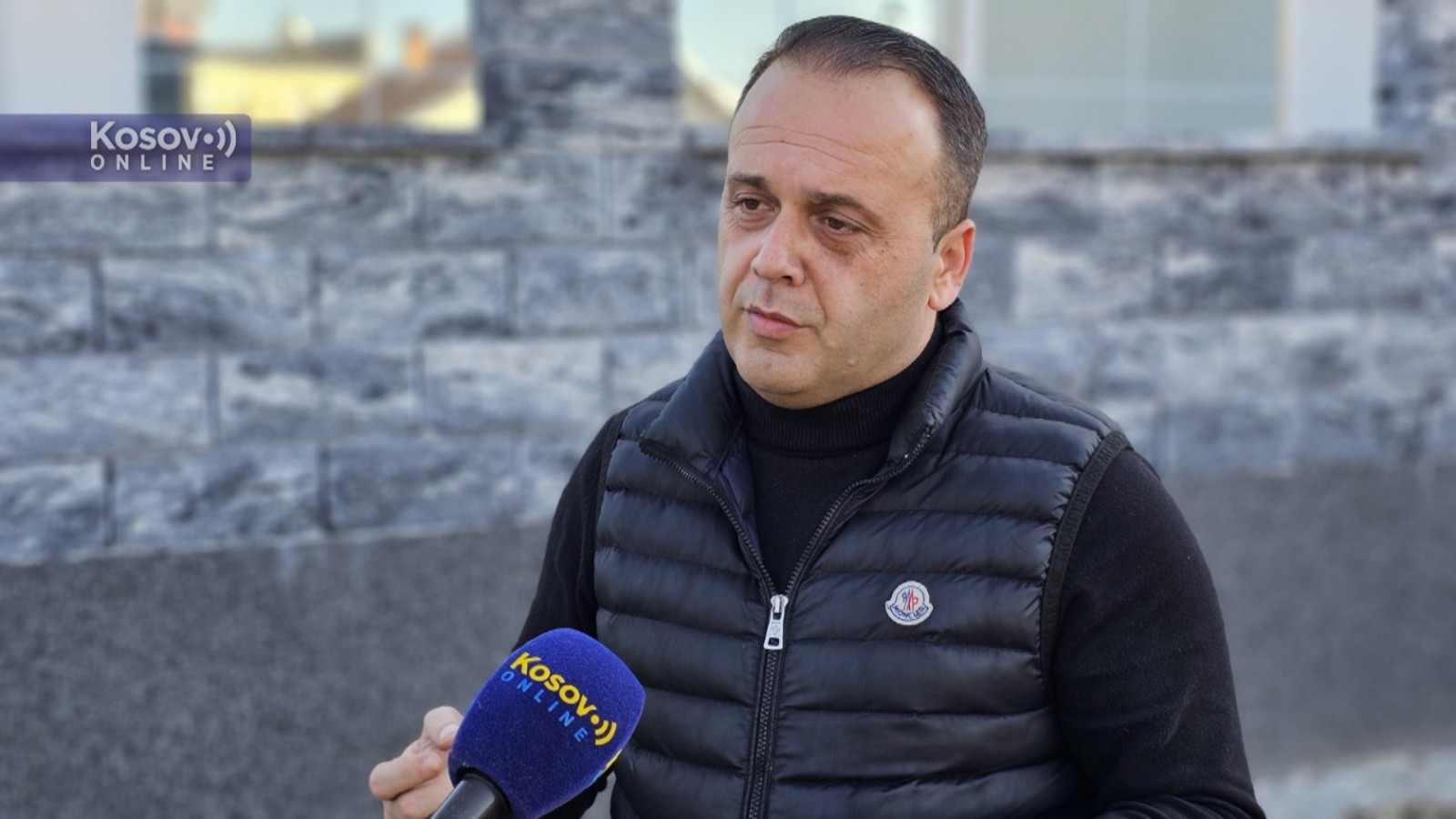
Historian Aleksandar Gudzic from Gracanica emphasizes the importance of collective memory of the most significant events of every nation.
"A nation is a community of memory and sentiment, said Ernest Renan. What defines us Serbs is the memory of great victories, but also great defeats and sufferings. Serbs, in their collective memory, cherish the memory of the Battle of Marica, the Battle of Kosovo, and the Great Migrations of the Serbs, but also of great victories. The Pogrom on March 17th, 2004, will certainly occupy a place in the collective memory of Serbs as a great tragedy in modern history. The suffering of ordinary people, but also the suffering of Serbian cultural heritage. Nine Serbs were killed, 4,000 were expelled, and 34 churches and monasteries were destroyed, some of which are masterpieces of Serbian and world medieval art and architecture. Those who seek to minimize our victims, which simultaneously testify to the failure of their mission and Kosovo as a project of the independent state of the West, criticize our memory and reminder," Gudzic concluded for Kontekst.
The culture of memory represents a key element in preserving collective memory, especially when it comes to tragedies and victims, agrees Jovana Radosavljevic, Director of the New Social Initiatives.
"However, the lack of government programs actively working on facing the past, taking responsibility for committed crimes, excommunicating those convicted of war crimes from public space and public functions, together with the absence of a constructive narrative from political representatives, leads to a distortion of the culture of memory. This opens the door to manipulations, revision of history, and deepening the gap between conflicting parties. In the attempt to prove that their side is the 'victim' and often that the atrocities of the other side are greater, respect for the victims is lost," Radosavljevic believes.
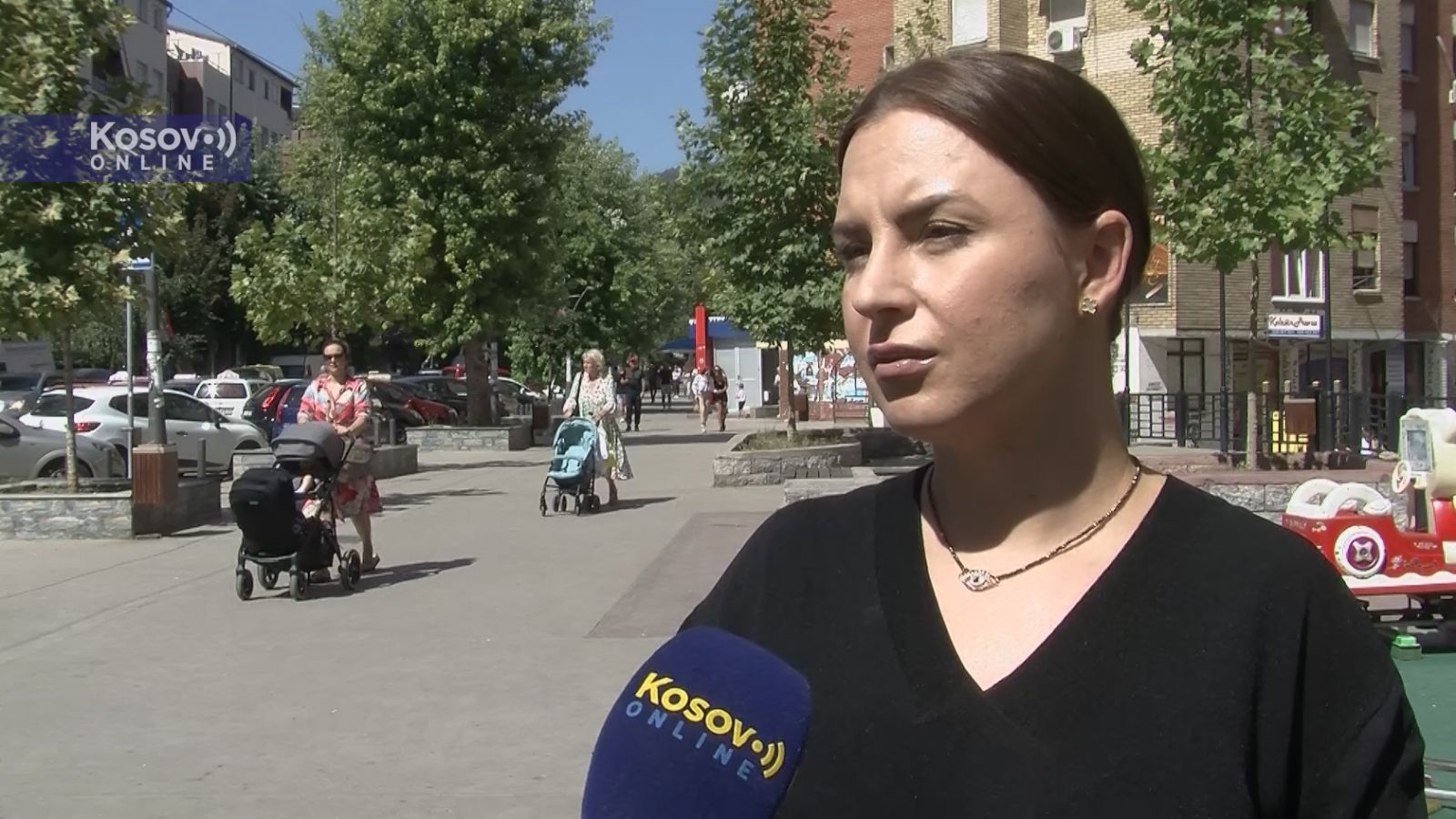
For Kontekst, she states that on the 20th anniversary of the March Pogrom, which deeply marked interethnic relations between Serbs and Albanians, it becomes imperative to focus on finding paths and creating an atmosphere that will prevent a repetition of March 17th.
"I cannot agree with the notion that the Serbs are blamed for remembering the suffering and victims. What is resented is the denial of the victims of others, as well as the glorification of war criminals in the public sphere. This does not imply neglecting or diminishing the importance of our victims; on the contrary, painful moments from the past are an inseparable part of our collective identity. We will best honor the victims by holding those who committed crimes accountable, while simultaneously building an environment where such things can no longer occur," Radosavljevic points out.
Writer and journalist Zivojin Rakocevic from Gracanica says that the Pogrom on March 17, 2004, is above the culture of memory because it encompasses an entire civilization and a whole life.
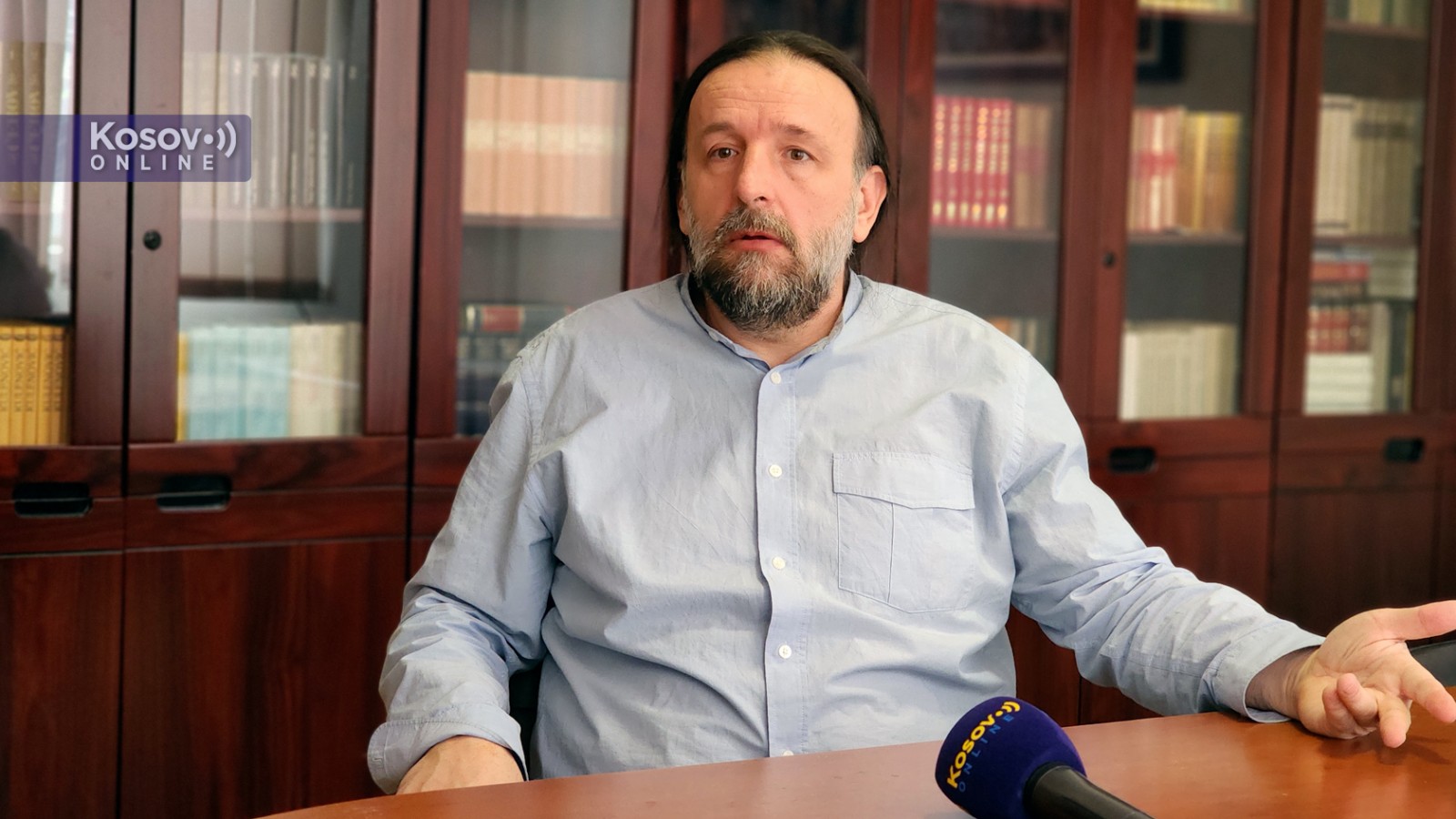
"His significance is such that, unfortunately, we are involved and poured into it, and, from a distance of 20 years, we see that it has become one of the most tragic events in our modern history. It encompasses thousands of events and is the strongest symbol of Kosovo and Metohija after the bombing. The Pogrom has become life itself, and its truths are a part of the testimony about us, there is no need for anyone to blame us or for us to hesitate in our testimony before the world and others. Only firmly rooted in truth, spirit, and culture can we deserve the respect of others and those different from us," Rakocevic conveyed to Kontekst.
Award for the Persecution of the Serbs
Prominent and often cited Serbian journalist and columnist Ljiljana Smajlovic highlights the double standards in approaching the commemoration of tragedies and the memory of victims in conflicts in the former Yugoslavia. In a written statement for Kontekst, she states:
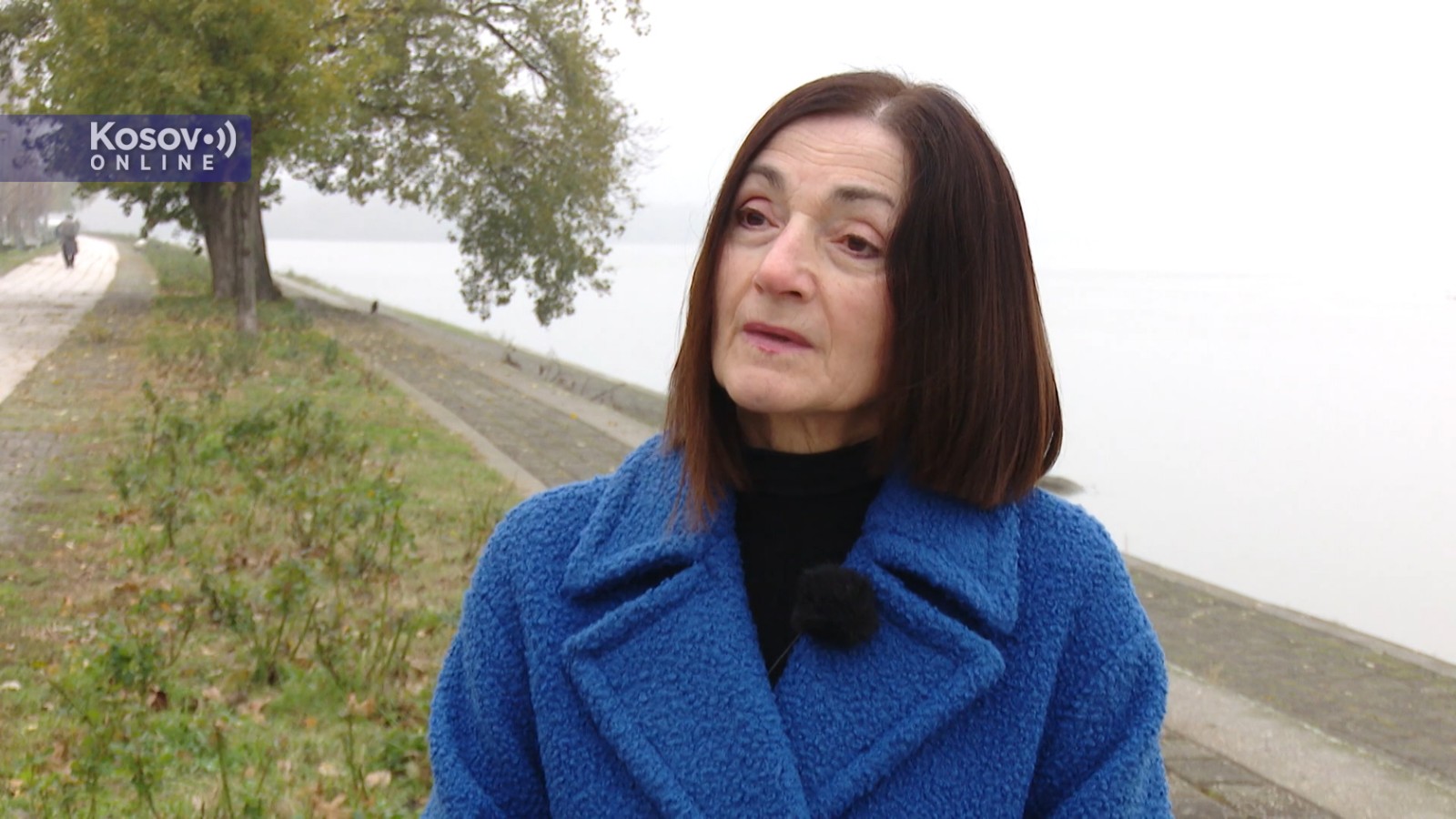
"All nations that hold themselves dear cultivate a culture of remembrance for their heroes and their victims. There is no dispute about that, and there is no need for discussion. But we Serbs must not forget the lengths to which our enemies and opponents have gone to force us to forget or at least underestimate our sacrifices. A major political and propaganda campaign was launched in 1989 against the procession of the relics of Prince Lazar through Serbian lands in former Yugoslavia. The political elites of the SFRY mocked this as crudeness and the rampage of Serbian nationalism.
Similarly, the burial of victims of Ustasha terror in Herzegovina was politically discouraged, only to have an international outcry arise at the beginning of the civil war in Croatia against the "Serbian self-victimization" and "toxic fascination" with Serbs who perished in genocide in Croatia and Bosnia and Herzegovina. The excuse was that World War II had ended "long ago" and that Serbian memory of the genocide was inappropriate, improper, and dangerous for inter-ethnic understanding. This was the political narrative for some forty years following the Ustasha genocide against the Serbs, in which hundreds of thousands of our compatriots perished.
It will soon be 40 years since the start of the civil war and the dissolution of our former homeland, and the West and our once fraternal peoples have since taken a radically different stance towards the victims of the wars in former Yugoslavia. Speaking about Serbian victims is still considered distasteful, but all other nations are encouraged to nurture a "culture of remembrance" for their war victims in the Yugoslav secession wars, while Serbs are mostly demanded to acknowledge the mass killing of Bosniaks after the fall of Srebrenica as genocide, in accordance with the ruling of the Hague Tribunal, and to accept and acknowledge guilt for all the suffering after the armed rebellion of KLA terrorists.
And when it comes to the pogrom of the Serbs in Kosovo in 2004, we must not forget something very important. Kosovo Albanians, KLA veterans, and their political leaders were rewarded for that Pogrom by the West abandoning the policy of 'standards before status' and deciding that Pristina no longer had to harmonize its political and legal standards with European ones before resolving Kosovo's status. The logic was: that Albanians would harass Serbs less if they were not frustrated, nervous, and distrustful about Kosovo's final status. The status of the province must be resolved as soon as possible, so the Serbs will be safer.
We must never forget this. Western countries rewarded the mass violent 'ethnic cleansing' of the Serbs from Kosovo just four years later. This fact is of historical significance equivalent to the knowledge that we were bombed in 1999 without the permission of the Security Council and in violation of the UN Charter," Ljiljana Smajlovic emphasized.

comments