
Muca: Open Balkan reduces business costs and increases the opportunity to gain work experience
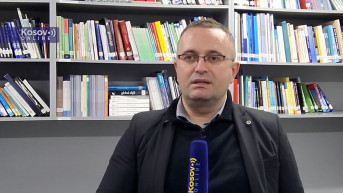
The open labor market of the Open Balkan, which allows free movement of workforce from one country to another without bureaucratic obstacles, reduces business costs and increases the opportunity to gain work experience from multiple countries in the region. All these components contribute to unifying the way of work, which will further facilitate cooperation among countries in the region, and thus, it contributes to Albania in many aspects, Erion Muca, a professor at the Faculty of Economics and an expert in labor and employment from Tirana, says for Kosovo Online.
According to him, Albanians now have the opportunity to combine work and tourism.
"The benefits for Albania from removing barriers in the labor market are numerous. First, the open labor market of the Open Balkan is connected with the movement of employees from one country to another without bureaucratic obstacles that reduced interest in movement within the region regarding work issues. If it weren't for Open Balkan, this would have negatively affected the lack of a workforce in our countries and reduced the productivity of many companies. Workers would settle for minimum wages in their countries or would be left without a job. Second, the possibility of finding a job in other countries increases the independence of employees and reduces business costs. Today, the time needed for employees to find a job or for companies to find employees has been shortened. Third, a very important element is the opportunity for employees to gain experience from multiple countries in our region. This not only allows employees to develop professionally but also helps unify the way of work, thus facilitating regional cooperation and helping employees progress in their careers," Muca says.
As he notes, many sectors in Albania lack a workforce, but three are key.
"The sectors of our economy that are in dire need of employees are various manufacturing and processing industries. The demand for employees from these companies has significantly increased. Agriculture also needs a workforce, especially in agro-agriculture and fruit growing. The third sector of the Albanian economy in need of a workforce is the intellectual work sector; qualified, educated workers are needed. We need to create shared experiences for this category of professionals as well," Muca evaluates.
He mentions that Albanians mostly used to seek employment in Western European countries, but today, the potential of the regional market through the Open Balkan is growing and opening up new opportunities for them.
"Albanians want to move to countries in the region to secure new job opportunities, at different levels and with interesting differences in salaries for the same type of work. Certain jobs can be financially better evaluated in regional countries than in Albania. Our employees want to benefit from new work experience, new work cultures, or with greater intensity, which will be useful for them when they return to Albania. This would help progress a specific sector of the economy in the country. Another interest that our employees have in going to regional countries is combining work with tourism, to see another country, society, to get acquainted with another culture. All of this expands the horizons for work and the lives of employees," Muca concludes.


0 comments