
Alija: I believe the indictment in the Racak case will be based on statements by victims and eyewitnesses
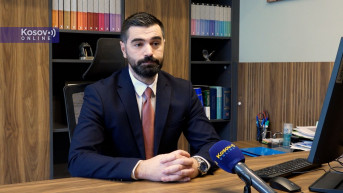
Lawyer and associate of the Humanitarian Law Center in Pristina, Amer Alija, told Kosovo Online that the indictment of the Kosovo Special Prosecution, filed on December 30 last year against 21 suspects charged with the crime in Racak, has not yet been made public and still needs to be published in the Official Gazette, after which it will be known exactly who the defendants are and on what evidence the charges are based.
According to Alija, the indictment of the Special Prosecution was filed in absentia because the defendants are not available to the Kosovo authorities.
“All we know, and what is public, are only the initials of the suspects. In the coming days, in accordance with the law governing criminal procedure, the court and the prosecution should publish the summonses and the indictment on their websites,” our interlocutor points out.
He emphasizes that in nearly 90 percent of cases, the evidence on which indictments for war crimes are based consists of statements by victims and statements by witnesses.
“I believe that this indictment will also be based on statements by victims and statements by witnesses who were eyewitnesses or who have information related to the event that occurred on January 15, 1999,” Alija says.
He adds that the Law on Trials in Absentia has been in force since 2023 and that since then the prosecution has filed more than 20 indictments against members of Serbian forces suspected of participating in war crimes, that several cases have been initiated, and that trials have begun before the Basic Court in Pristina.
“We still do not have final verdicts. A second-instance decision is expected in the case of Cedomir Aksic, who was convicted in absentia. He was also convicted of a murder that occurred in Racak in 1999,” he says.
Trials in absentia, he notes, are a new challenge for Kosovo’s judiciary. He points out that trials in absentia are also conducted in the region, that such cases exist in Croatia, and that this practice has also begun in Serbia.
“Personally, I am not in favor of trials in absentia, because the Law on Trials in Absentia provides that at any moment when someone is arrested, they have the right to be tried in their presence. Creating two procedures, two proceedings against defendants for the same factual situation, I think will not have an effect or bring satisfaction to victims. However, since this is provided for by law, then prosecutors, judges, and all parties to the proceedings must respect the law and do their job as prescribed by law,” Alija states.
On this day in 1999, a clash occurred in the village of Racak near Urosevac in which 45 Albanians lost their lives, and the case was used two months later as a pretext for NATO’s bombing of the Federal Republic of Yugoslavia.


0 comments