
Andric Rakic: Opposition believes it cannot gather large numbers of people to a protest
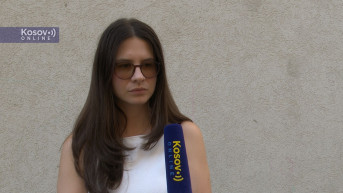
Milica Andric Rakic, Executive Director of the New Social Initiative, believes that opposition parties in Kosovo will not call on citizens to protest over the institutional deadlock, despite having announced that they would, because they are aware that the turnout would not be large, which would further trivialize the issue of the blockade.
Andric Rakic said that citizens are bothered by the fact that the institutions are deadlocked, but that they will not blame Self-Determination alone for this.
“I assume that their assessment is also that, at this moment, they cannot bring a large number of people together for a protest. Self-Determination had this problem to some extent as well. When they began protesting against corruption in 2015, they gathered 2,000 to 3,000 people. It was only when they added the Community of Serb Municipalities to the mix of protests against corruption that the protests became more massive. And this opposition cannot, so to speak, mobilize people around any Serbian issue in the way Self-Determination was able to do at that time. The institutional blockade is too abstract for citizens to become sufficiently concerned about it. That is why I believe the opposition is saying this because it thinks it should call for protests, but on the other hand, it does not dare to actually do so, because they probably also assess that there would not be many people there and that this would trivialize the issue. It is not that people are not bothered by the institutional blockade, but they will not necessarily blame Self-Determination alone for it, nor will they necessarily take to the streets specifically because of this,” Andric Rakic told Kosovo Online.
Andric Rakic said that even if protests were to take place, they would not have much impact on Self-Determination leader and Kosovo's caretaker Prime Minister Albin Kurti.
“As for Kurti, I do not expect him to fall. Even if there were greater public pressure, even if there were serious protests, I do not believe he would change course. He would probably look at it from the perspective that he knows Kosovo's society is polarized, and that however many people are on the streets protesting the institutional blockade, there are just as many people at home supporting the institutional blockade. So I do not believe it would have any impact on him,” Andric Rakic said.
She also believes that the lack of cooperation among opposition parties is a partial obstacle to a larger protest.
“Certainly, if they came together and jointly called for a protest, they would have a greater impact. That said, the region has generally not had an atmosphere for quite some time in which political actors can bring large numbers of people to protests. When protests become large-scale, it is generally because non-party actors are calling for them. In other words, we are witnessing a period in which political actors can motivate a very modest number of people to turn out for elections, and this is clearly a regional problem, or not necessarily a problem, but it is a problem for the opposition in the sense that they no longer have the mobilizing capacity that once existed among opposition parties,” Andric Rakic said.

0 comments