
Artan Muhaxhiri: Kurti cannot rely on old assets; everything depends on opposition reform
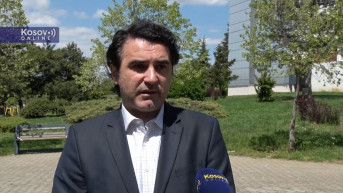
Political analyst Artan Muhaxhiri told Kosovo Online that Kosovo Prime Minister Albin Kurti will not be able to rely in the upcoming campaign on the advantages he had in previous elections, including populism and tensions in northern Kosovo, warning that everything will depend on the opposition’s ability to reform.
“Unfortunately, we are heading into another round of elections, which is a pity. Political leaders were unable to find normal and reasonable alignment, alliances, and agreements in order to avoid new elections. The problem is that these will be very sensitive elections, because Prime Minister Kurti is no longer in the position he was in before. After six years in power, even his populism has begun to fade,” Muhaxhiri assessed.
According to him, Kurti will no longer be able to play the same cards as before, while emphasizing that the opposition remains passive.
“We see no energy from the opposition, no new plans or strategies that could challenge Kurti’s power. One new element that could be interesting, Muhaxhiri notes, is the possible entry of former president Vjosa Osmani into the electoral race,” he said.
He added that this could somewhat alter the balance and vote shares, but that the opposition needs change.
“That could somewhat shift the balance and percentages (of votes), but everything will depend on new energy and reforms within the opposition—how many new professionals and people they can bring into their parties—because Kurti remains unchanged. He cannot accept new professional resources due to the policy pursued by Self-Determination,” Muhaxhiri stated.
He emphasized that everything depends on the opposition’s willingness to change the narrow circles around party leaders who make all key decisions.
“They must change if they want to become more competitive,” he assessed.
Speaking about Albin Kurti, Muhaxhiri stressed that he has not achieved major successes in projects, the economy, infrastructure, or international relations. For that reason, he believes Kurti will rely on distributing financial assistance to citizens, while the diaspora will also remain his electoral base.
“He will try to return to his old, well-known tactics of providing financial aid to the people—pensioners, children. The diaspora has always been a large part of his electorate, as he is very popular there. The diaspora can influence up to 10 percent of the vote, while among poorer voters, €200, €300, or €500 before elections can make an impact,” he pointed out.
According to him, these are the only ways for Kurti to secure votes, as he lacks a new strategy.
“Northern Kosovo was a major card in previous elections, but now, if the situation there remains calm, I think he will not be able to politically capitalize on it. We do not see major projects in northern Kosovo that could influence the electorate,” Muhaxhiri said, reiterating that everything will ultimately depend on the opposition.


0 comments