
Baraliu: Albania-Kosovo relations not at a satisfactory level due to Rama-Kurti relationship
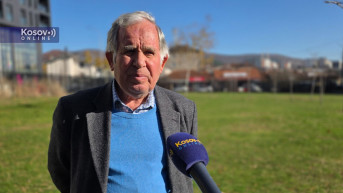
Pristina-based Professor of Constitutional Law Mazlum Baraliu believes that official relations between Pristina and Tirana are not at a satisfactory level, primarily because of differing political positions and the relationship between the two prime ministers, Edi Rama and Albin Kurti.
“It cannot be said that there is adequate political cooperation, although cooperation does exist in other areas, particularly the economy, trade and other sectors. When it comes to political positions, the two prime ministers appear to have different views on certain issues. That is why, in recent years, we have not seen particularly close relations, even though Self-Determination, together with other political parties, leads the government in Pristina, while Edi Rama has a large parliamentary majority in Tirana and governs independently. Relations have not reached the level they should have between two countries aspiring to European integration,” Baraliu said.
Asked whether Kosovo Prime Minister Albin Kurti was more inclined toward Albanians in Bujanovac, Medvedja and Presevo than toward Albanians in Albania, Baraliu said he did not believe such an assessment was justified.
“No, I do not believe that is the case. This is primarily a matter of personal and perhaps psychological attitudes, but such a relationship cannot be identified from a social and political perspective. It appears to be more a matter of ideological reasons and the differing personal views and political orientations of the two prime ministers. I believe they should have an equal approach toward all Albanians. First and foremost, Tirana, under Article 8 of the Constitution of Albania, has an obligation to take care of the position and fate of Albanians living outside the territory of Albania,” Baraliu said.
He further stressed that Albin Kurti should take care of Albanians in the “Presevo Valley,” regardless of who was in power in Serbia—his party or another political option.
“That concern should not extend only to the ‘Presevo Valley,’ but also to Albanians in Sandzak and other parts of Serbia. Belgrade was once the city with the largest number of Albanians in the former Yugoslavia. Even today, a large number of Albanians live in Serbia and have been present there for years and decades. I therefore believe that every government should take care of all citizens, regardless of their ethnicity—Albanians as well as members of other communities living in Kosovo, but also those living in Serbia,” Baraliu concluded.



0 comments