
Chollet in the US Senate: Neither Serbia nor Kosovo is implementing agreements; we are intensifying diplomatic activity
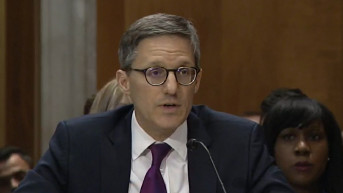
Senior adviser at the State Department, Derek Chollet, said today in an address before the Committee on Foreign Policy of the US Senate that neither Serbia nor Kosovo was currently implementing the agreements from Brussels and Ohrid, and that therefore the diplomatic activity of America and the EU would be intensified in order to encourage both sides to do so.
At the hearing on the topic "Assessment of US policy for the Western Balkans", Chollet stated that the future of the region was a priority for the administration of US President Joseph Biden, but that one of the biggest challenges facing the region was the dialogue between Kosovo and Serbia.
Chollet said that for many officials of this administration, the issue of this region was also personal because they had been dealing with it since the breakup of Yugoslavia.
"The future of the Western Balkans is a priority for the Biden administration. For many of us, this is personal. Many of us have been dealing with this issue since the breakup of Yugoslavia. The Western Balkans remains the missing "puzzle" of peace. In the meantime, it is important that the region has a large potential, but they need our help to move forward," Chollet said.
He emphasized that the US fully supported the independence of Kosovo and its integration into international institutions, including the UN and the rapprochement of NATO and the EU.
He added that the US wanted to deepen its ties with Serbia and strengthen cooperation.
"The European integration of Serbia and Kosovo will not happen until they resolve their differences. That is why we support the dialogue under the auspices of the EU. There is an agreement on the path to normalization, it is a legally binding agreement, and both sides have undertaken to implement it. The agreement reached can be a turning point for Kosovo and Serbia, to benefit them and end the cycle of crises that has been going on for too long," Chollet said.
He also pointed out that the situation was still fragile and that political courage was needed.


comments