
Conference “Towards an Agreement”; Mijacic: New approaches are needed
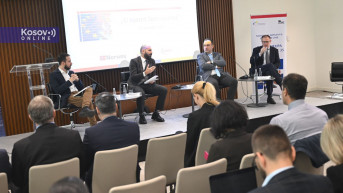
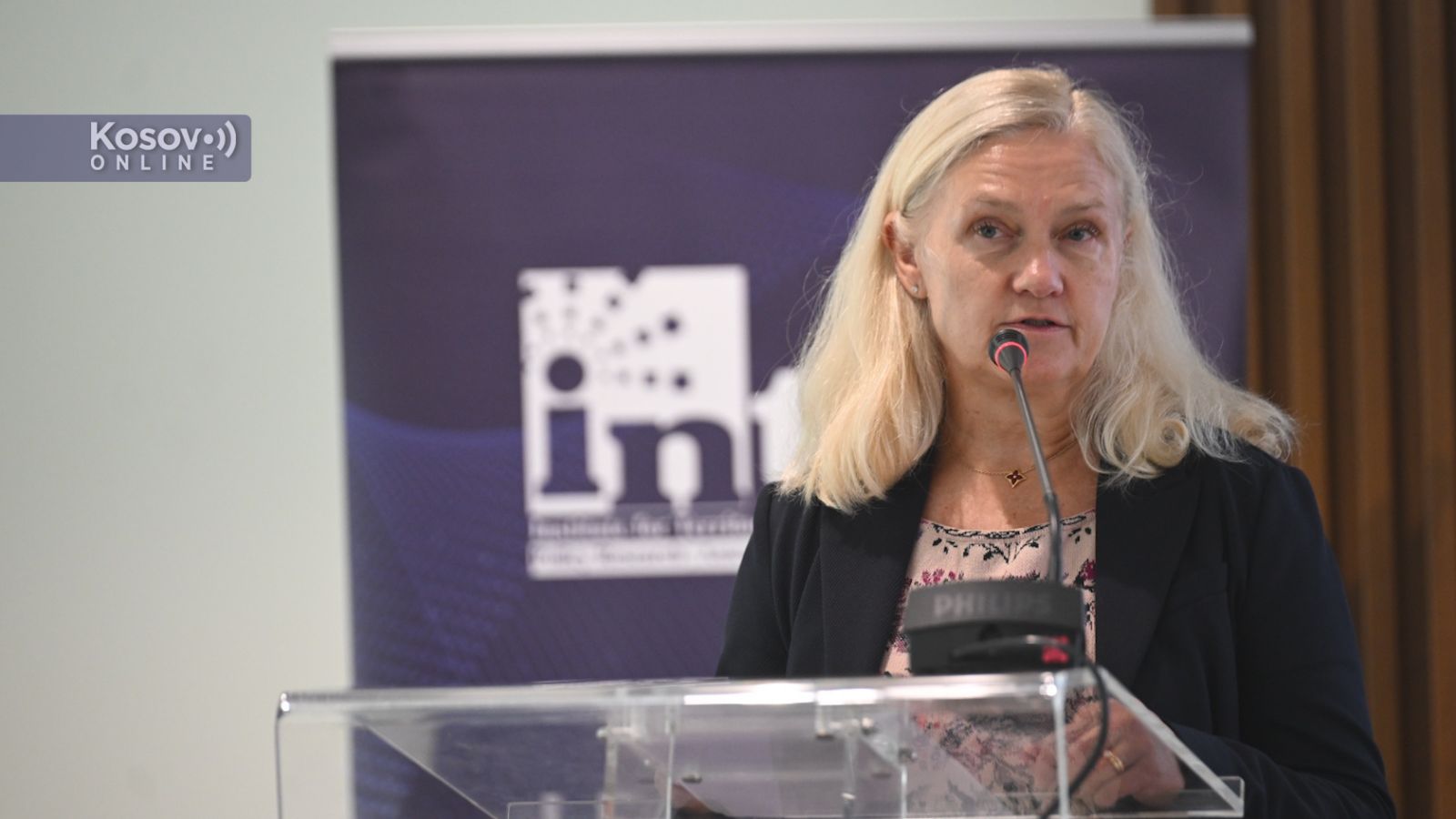
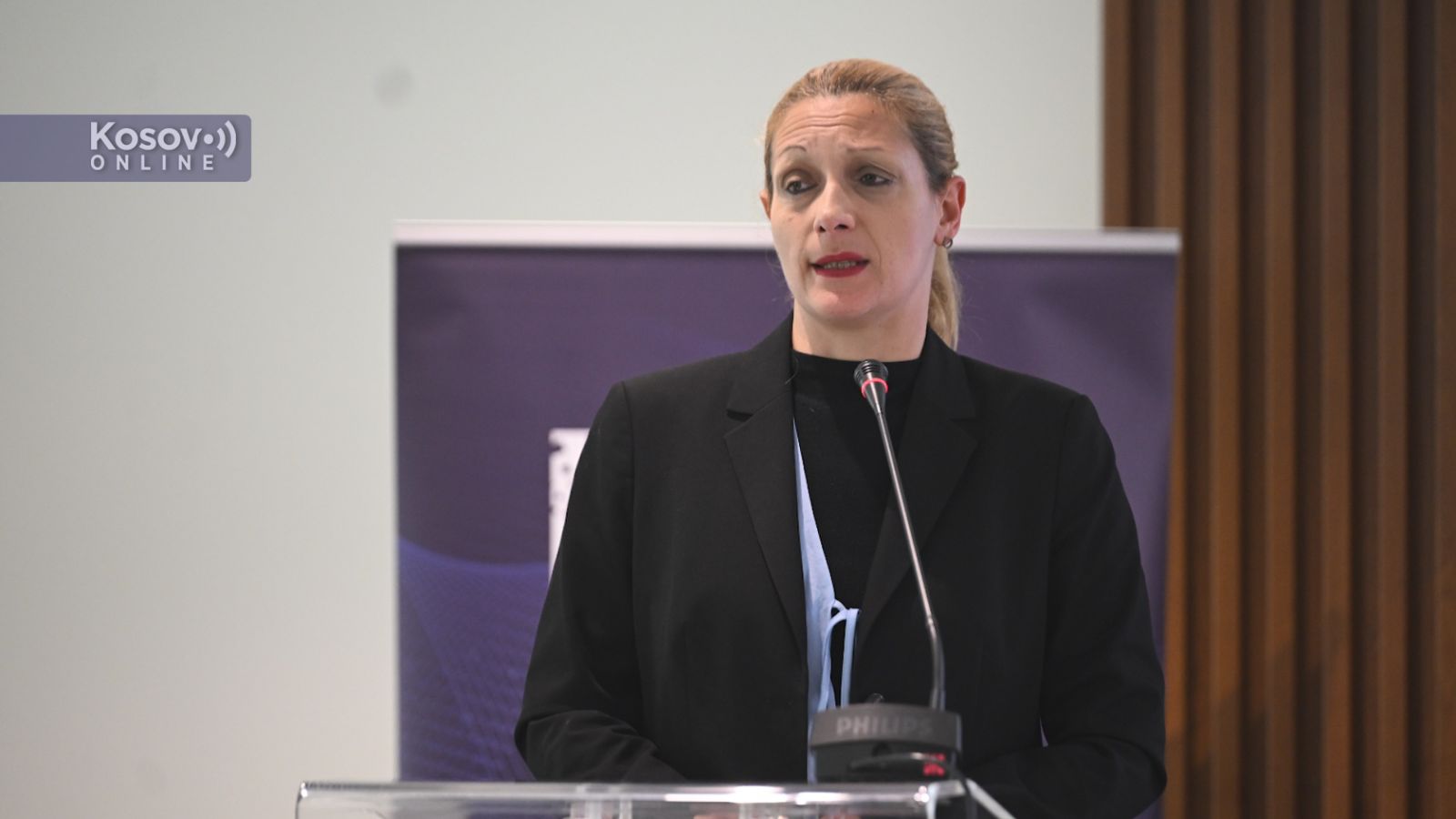
The Working Group of the National Convention on the European Union for Chapter 35 and the Institute for Territorial Economic Development (InTER) organized the annual conference “Towards an Agreement,” dedicated to the future of the dialogue between Belgrade and Pristina. Dragisa Mijacic, Coordinator of the Working Group for Chapter 35, assessed that new approaches should be considered, while the Ambassador of Norway to Serbia, Kristin Melsom, stated that the Serbian community must feel protected and highlighted as a problem the fact that Kosovo has still not established the CSM.
In his introductory remarks, Mijacic said that representatives of Serbia and Kosovo do not want—and often are not even able—to fulfill their obligations arising from the dialogue.
“Agreements exist, but their implementation is lacking. It is difficult to expect progress, and we must begin thinking about new approaches. Greater engagement from the international community is also necessary,” Mijacic said.
Bojana Selakovic, Coordinator of the National Convention on the European Union, said that the dialogue process had been rather non-transparent, and that the possibility of influencing the substance of the dialogue was limited, which led to the dialogue’s potential not producing full effects in terms of bringing the two societies closer.
“For all of us here, the priority should be the acceleration of European integration, because the European future of the region is the only sustainable solution for the Balkans,” Selakovic said.
Kristin Melsom, Ambassador of Norway to Serbia, said that Norway supports the EU-led dialogue and that there is no alternative to it.
“Norway stated that the 2023 Ohrid Agreement laid a good foundation for the future of this region. Norway supports the activities of Serbia and Kosovo aimed at achieving full peace. The Brussels Agreement was one of the most important steps, and the problem is that Kosovo has still not established the CSM. There is insecurity, and the Serbian community must feel that it is protected,” she said.
She added that the parties should communicate more and understand that normalization is not a victory for one side.
“Reconciliation is not weakness but wisdom. Peace requires patience, but also courage,” Melsom emphasized.
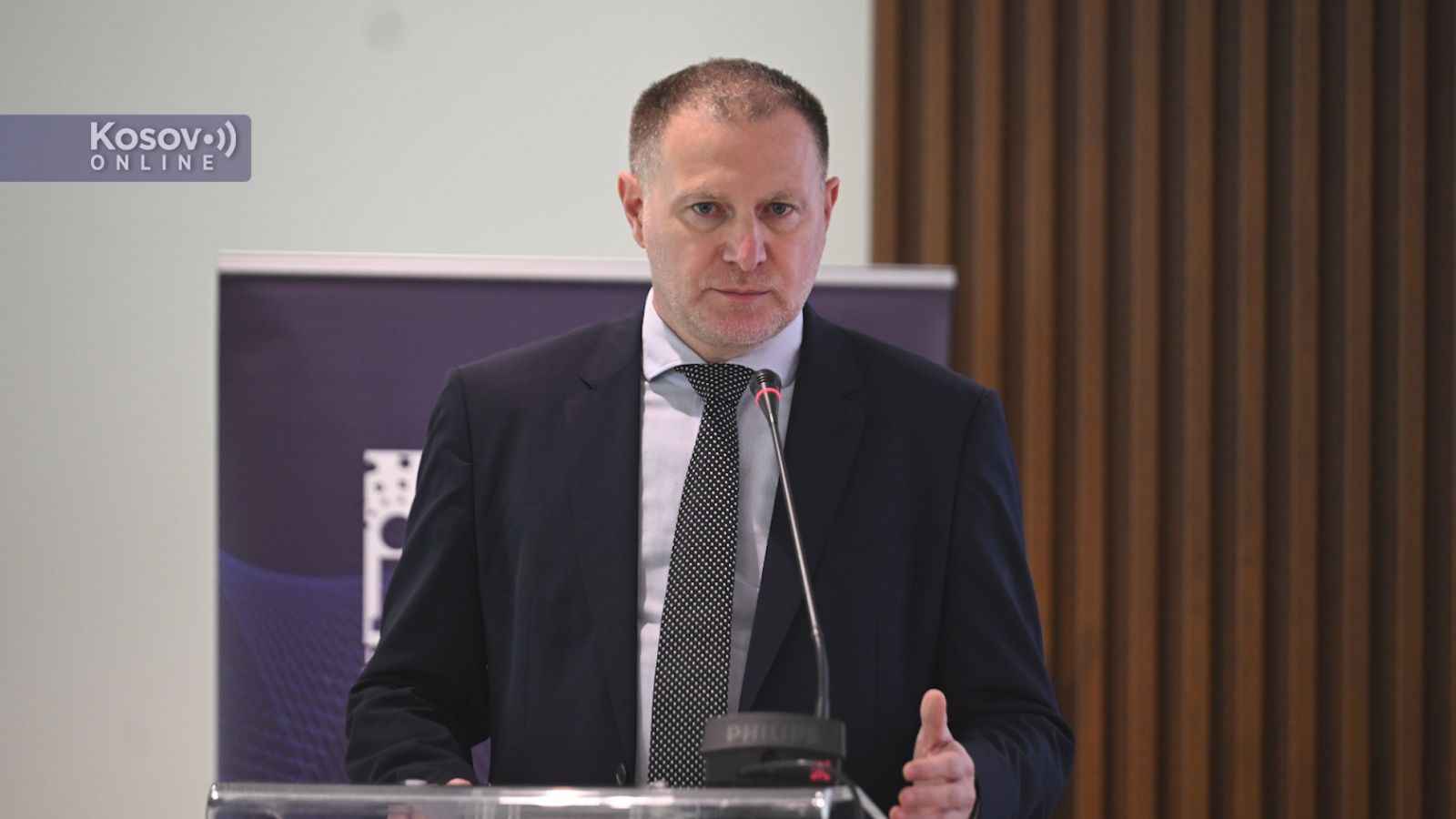
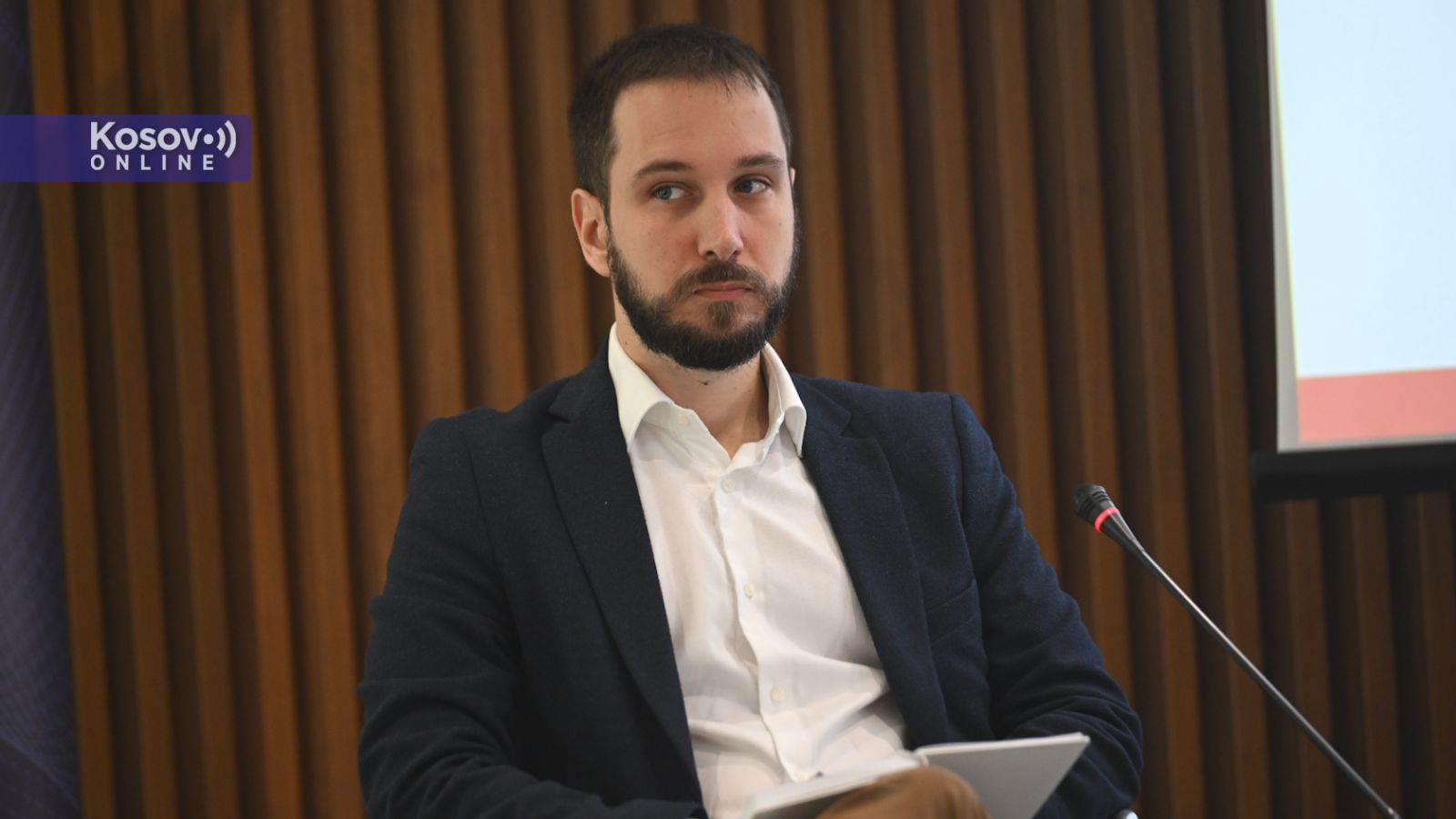
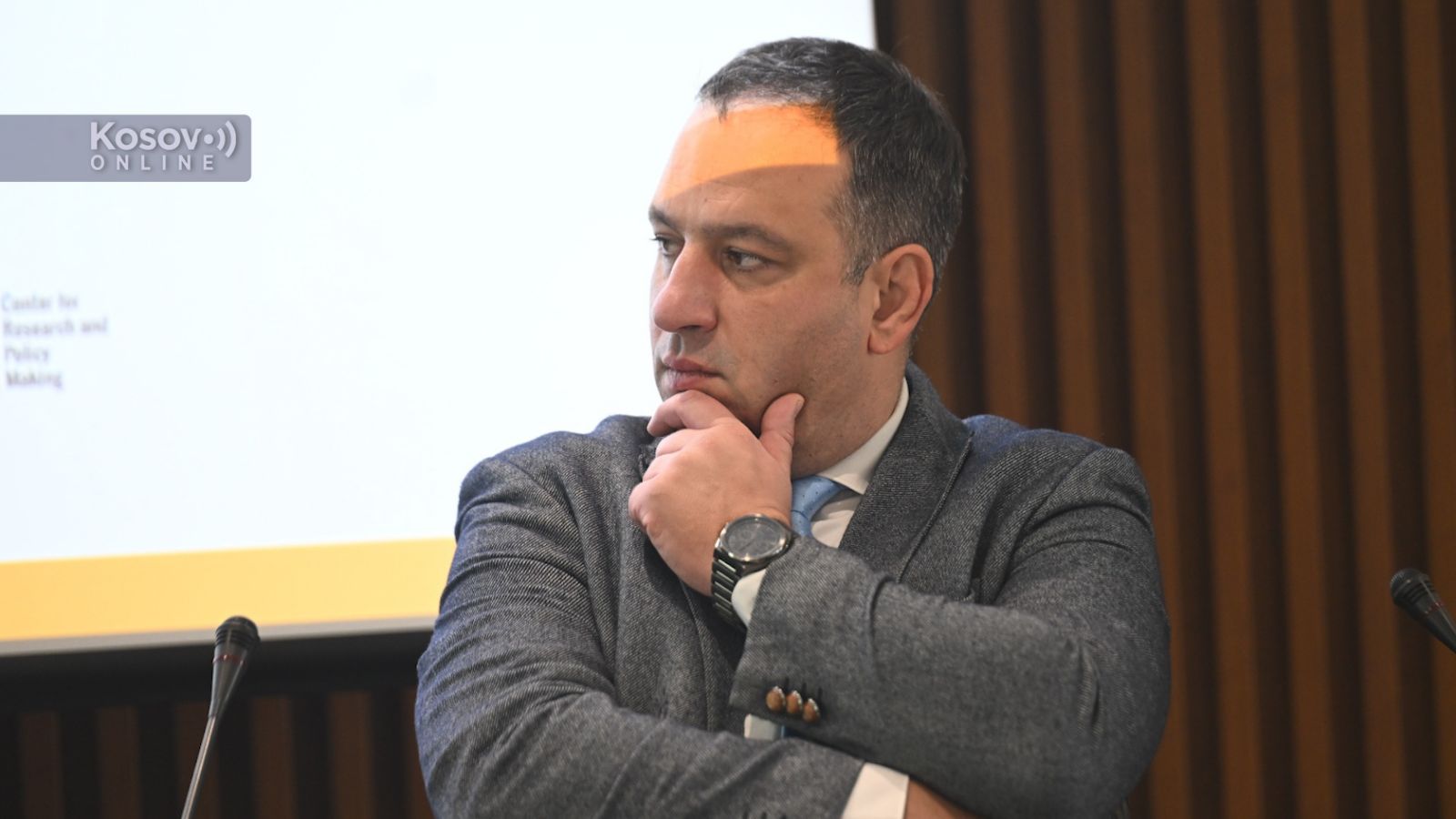
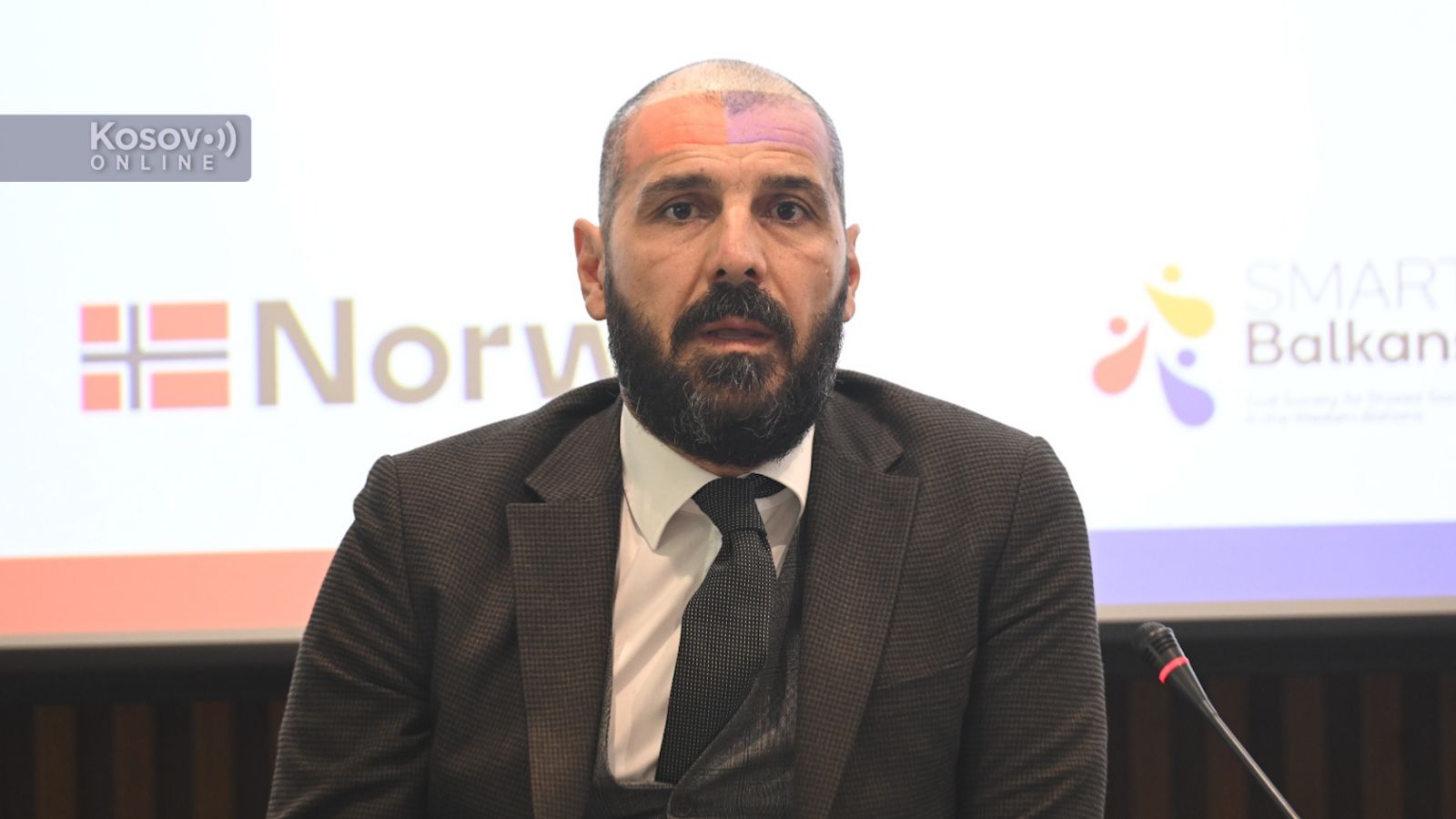
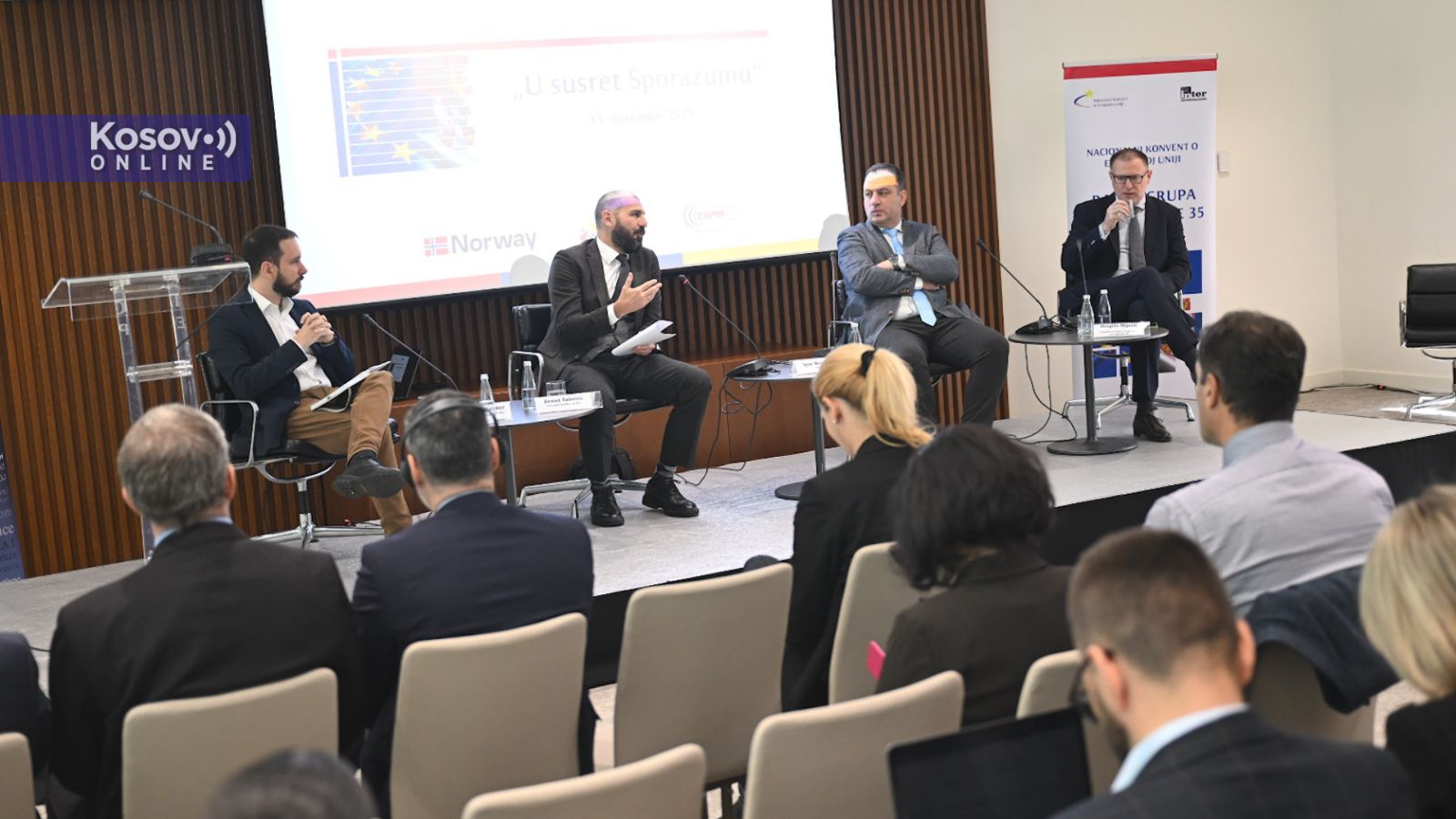
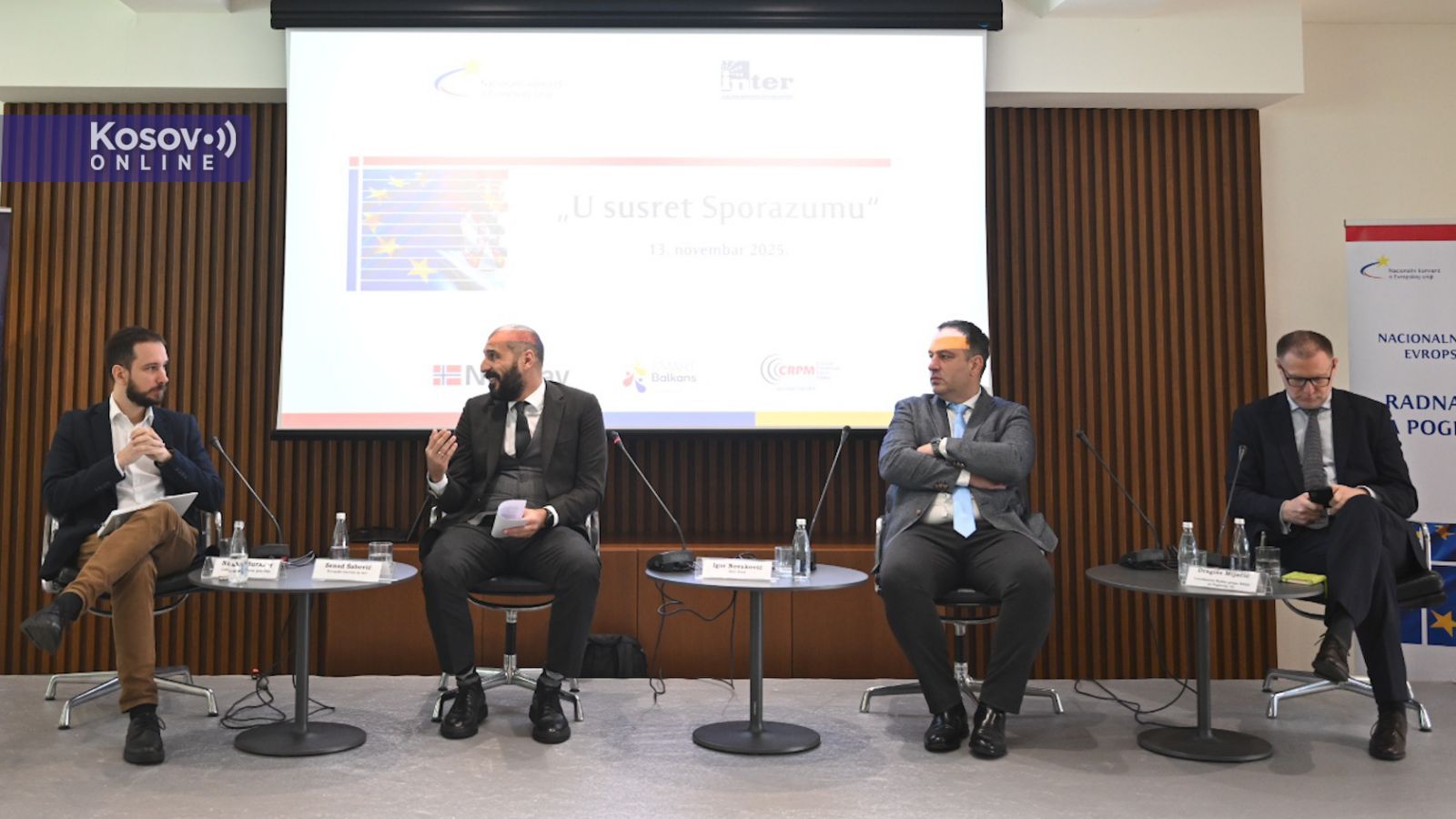
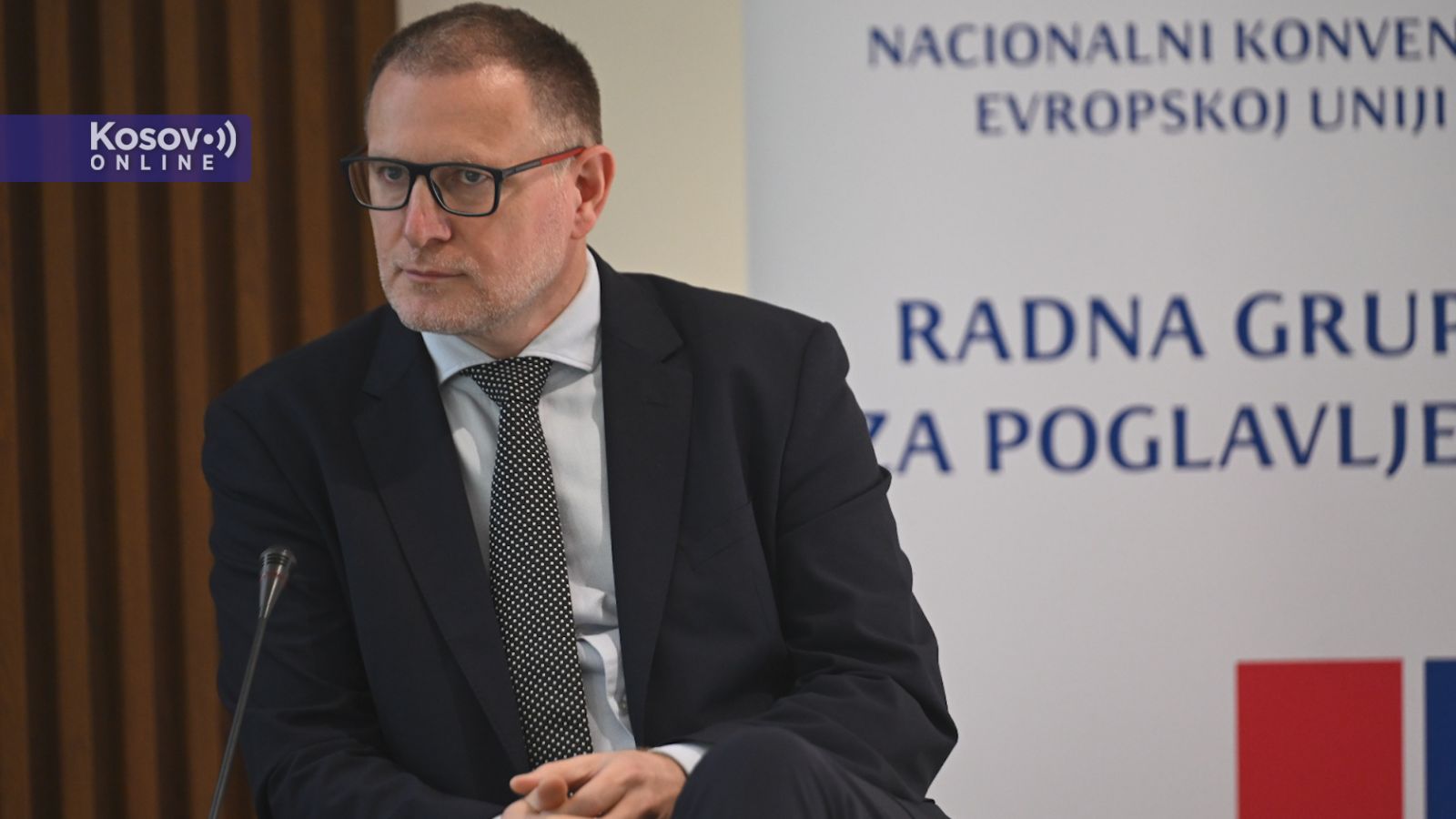


At the conference, which brings together representatives of civil society, institutions, and the international community, three thematic panels dedicated to the key issues of the dialogue process will be held. At the first panel, “Does the Dialogue Have a Future, Is There a Future in Dialogue?” Senad Sabovic of the European Institute of Peace also spoke.
Sabovic: The Future of Dialogue Depends on One Big “If”
Sabovic noted that the dialogue is in crisis and that the commitment of both the authorities in Kosovo and in Serbia is at its lowest level since the dialogue began. He said that the climate of dialogue had been replaced by a climate of tension.
“If the question is ‘Does the dialogue have a future?’—the answer is: yes, but with one big ‘if’: if the EU pushes the dialogue more forcefully and sets as a central theme the EU’s relationship with Kosovo and Serbia. The dialogue will have no future if we rely only on our societies and our governments,” Sabovic said.
In his view, it would send a bad message if the EU were to give up on the dialogue.
He believes it would be good for the EU High Representative Kaja Kallas to lead the dialogue in order to give new intensity to the process, and that a quarterly report should be submitted to the EU Council on who proposed what and what was accepted.
Sabovic further stated that in Kosovo the belief is growing that the EU—and the West in general—is unfair, because they believe that Kosovo has “a million mechanisms for protecting the rights of communities” while “rewards” are decreasing, and the West is lenient toward Serbia.
Mijacic: Sorensen Did Not Bring New Energy to the Dialogue
Representing the Institute for Territorial Economic Development (InTER), Dragisa Mijacic stated that dialogue is necessary because, aside from it, there are few possibilities to even partially normalize relations between the two societies.
“Dialogue is necessary for many reasons, because if it does not exist—there is no communication and we enter a dark tunnel from which it will be difficult to emerge,” Mijacic said.
He assessed that the dialogue has become more form than substance, as it does not fundamentally change anything regarding normalization or reconciliation.
“We need reconciliation, but we do not know what normalization means. We do not even know whether the dialogue is between holders of power, between two states, or between two societies. Is it the only platform for resolving issues of the Serbian people in Kosovo?” Mijacic listed some of the dilemmas surrounding the negotiation process.
He reminded that no agreement has been brought to completion and said we can be optimistic, but that such optimism is false. In his view, the arrival of Peter Sorensen as the EU representative for the dialogue has not brought special energy to the process.
“We expected a new approach, but it did not happen. It did not happen due to political circumstances in Belgrade and Pristina, but we also did not see new energy from Sorensen. Sorensen is dealing more with technical issues, while Kallas has not managed to organize a single meeting between Vucic and Kurti. There are many reasons for this, and Banjska is one of the major ones,” Mijacic said.
Envoys Neglect the Importance of the Kosovo Issue for Serbian Society
He added that former EU mediator Miroslav Lajcák introduced two principles into the dialogue that, in his view, were harmful: that nothing is agreed until everything is agreed, and the second—“in order to receive something, you must give something.”
“Both principles imply a trade-off that has brought us to the point where we no longer know the status of the negotiations nor their results. The key message today must be that we expect from the EU a greater involvement of all actors in the dialogue in order to achieve better implementation of the agreements,” he said.
He emphasized that the issue of normalization and the question of Kosovo are extremely important and sensitive for Serbian society, and that envoys who come usually overlook the importance of this issue for Serbian society.
According to Mijacic, Serbia lately does not have a clear policy either regarding normalization or the dialogue.
“We do not know the interests and priorities of the Serbian government in Kosovo,” he said.
Novakovic: A Tool for Gaining Internal Legitimacy
Igor Novakovic of the ISAC Fund assessed that the dialogue is more a tool for gaining internal legitimacy on both sides, through harsher opposition to the other side, than an expression of genuine willingness to resolve issues.
“There is no focused approach that would scan the situation on the ground, identify key challenges, and determine how to approach talks,” he said.
Novakovic noted that when agreements are reached, the actors who signed them behave either triumphantly or as if returning from a funeral. He added that there is no “rational transfer of what has been achieved and what the benefits are for the broader population.”
Misuse of Dialogue for Political Purposes
At the panel “Dialogue in Election Years,” Naim Rashiti of the Balkans Group for Policy stated that the dialogue is like a boat in the middle of the sea with many holes in it, and when new elections come, a new hole appears.
In Kosovo, however, as he said, no one wins or loses elections due to dialogue; rather, the narratives surrounding dialogue are manipulated.
“There is an ongoing misuse of the dialogue for political purposes,” Rashiti said.
According to him, the dialogue needs to return to where it started.
“Two people from Belgrade and Pristina do not constitute dialogue. In Vienna there was dialogue, when there were many more members of the delegations—this is called mediation. When it lasts two hours on the same chairs since 2011, dialogue becomes a bureaucratic process. If both sides involved more people, it would be something else. As it is, it is merely a protocol lasting several hours, in Brussels or elsewhere. This fundamental change is what we need,” Rashiti stated.
He believes the EU should promote a narrative of normality and work on the ground.
“What is normality? Having fewer tensions, normalizing trade, free movement, recognition of diplomas and baptism certificates—all this should become a task for both governments. These are the key points we must adhere to,” Rashiti said.
Igor Bandovic of the Belgrade Centre for Security Policy said that dialogue is not a priority in Belgrade; the priority of the regime is to remain in power, and the same could be said for Kosovo.
Since the collapse of the canopy structure, he said, Serbia’s foreign policy has been completely directed toward ensuring that the regime remains in power, and as long as it feels threatened, it will not deal with the Kosovo issue.
Pavkovic: A Refresh of the Actors Is Necessary
Milos Pavkovic of the Center for European Policies assessed that fatigue has occurred among all actors involved in the negotiations and that a refresh among those responsible for the dialogue is necessary. He also noted that there is not a single Serb from Kosovo in Belgrade’s negotiating team.
“Perhaps it is necessary to open the question of who the negotiators are and who represents us,” Pavkovic said.
He believes that there will be no progress in the dialogue until issues on the internal political level are clarified.
“Both the government in Pristina and the government in Belgrade are focused on internal matters, and the dialogue remains sidelined,” Pavkovic said.
Integration or Disintegration
At the panel “Integration or Disintegration – The Future of Healthcare, Education, Social Protection (Police and Judiciary),” Aleksandar Sljuka of the New Social Initiative said that the announcement of integrating institutions operating within the Serbian system is not merely part of the Kosovo election campaign, because many institutions have already been closed.
“What the Pristina authorities announced is indeed happening, and their statements are not empty threats—they must be taken seriously,” Sljuka emphasized.
He said that if the authorities wish to take over buildings—as in previous cases—local self-government has no ability to prevent such a form of “integration,” and that shutting down the education and healthcare systems, he warned, would raise the question of how many people from the Serbian community would remain living in Kosovo.
Miodrag Milicevic of NGO Aktiv pointed out that many questions related to the integration of healthcare and education remain unanswered, and highlighted language barriers and trust issues as major obstacles.
If some form of integration were to take place, he said, it would have to be done in accordance with internationally acceptable principles, but he believes that we are years away from that.
According to Sljuka, if there were good will in Kosovo to reintegrate Serbs into the institutions, not everyone could return, but the majority could. He added that there would likely be several categories of people who either could not or would not want to return to Kosovo’s institutions.
“Some people now meet the requirements for retirement, so they would not return, and perhaps there would also be vetting—whether they were involved in any contentious activities. In any case, this topic needs to be placed on the agenda,” Sljuka said.

0 comments