
Curcic: Costa’s visit to Belgrade is a clear message that Serbia is the most important country in the Western Balkans
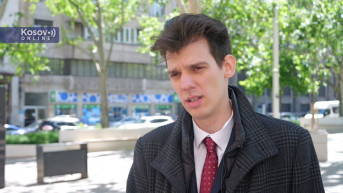
Petar Curcic, researcher at the Institute for European Studies in Belgrade, stated that the visit of European Council President António Costa to Belgrade and the messages he conveyed send a clear signal that Serbia is the most important country in the Western Balkans and that its European perspective is not in question.
“Costa had to come to Belgrade for the simple reason that Serbia is the most significant country in the Western Balkans. Since the purpose of António Costa’s tour as President of the European Council was to visit the region, Serbia could not be excluded, especially considering its influence on neighboring Western Balkan countries,” Curcic told Kosovo Online.
He added that it was important for the European Council to exchange views with the official representatives of Serbia.
“There was, of course, no agreement—particularly in the area of EU foreign and security policy and Serbia’s alignment with it. However, it seems they managed to establish a roadmap on other issues, especially considering the adoption of key media and electoral laws, which are important preconditions for EU member states to greenlight the opening of Cluster 3,” Curcic explained.
He emphasized that Costa sent a clear message during his visit that the EU wants Serbia as a full member.
“EU member states, especially France and Germany, have expressed their desire to see Serbia as a member of the Union. On the other hand, Serbia has stated in all its strategic documents that EU membership is a key priority. So, that is not in question. The conversation was about fulfilling the obligations undertaken in the negotiation process and alignment with the EU’s foreign and security policy—which is, in fact, part of that same process,” Curcic noted.
Commenting on Costa’s statement that the Belgrade–Pristina dialogue is among the “crucial” points for the EU, Curcic said that the process was never truly halted.
“These negotiations were never suspended. They go through various phases, and now we have a new envoy in the dialogue. Coordination is needed, and there were elections in Kosovo, all of which have slowed the overall process. But the talks will undoubtedly continue. In that sense, Costa didn’t say anything new—this was already known,” Curcic emphasized.
He added that during his Western Balkan tour, Costa will deliver important messages but also assess the individual challenges each country faces on its EU path.
“In the cases of North Macedonia and Albania, it is especially important to emphasize the commitment to enlargement. There are, of course, different dynamics at play. North Macedonia has a burdensome dispute with Bulgaria, while Albania has accelerated its negotiation process. I believe the message will be to encourage both countries—as well as Montenegro—to continue progressing. These countries don’t differ significantly in relation to what the EU expects, which is full alignment with its foreign and security policy. Ultimately, both Albania and North Macedonia are NATO members,” Curcic concluded.
President of the European Council António Costa met with Serbian President Aleksandar Vucic today, with a series of meetings with other Serbian officials scheduled to follow.
At their joint press conference, Vucic expressed gratitude for Costa’s visit and “the goodwill he brought to the discussions on Serbia’s EU accession.”
0 comments