
Dacic: Pristina constantly produces crises, the continuation of talks is not in sight
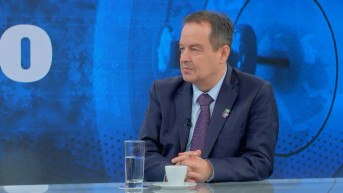
The Minister of Foreign Affairs of Serbia, Ivica Dacic, pointed out that Pristina waa constantly producing crises, so one could not even think that things calmed down permanently, and added that no new rounds of negotiations had been scheduled for the time being, Blic reports.
"The fulfillment of our conditions led to the removal of the barricades and that was a great relief for our people in the north of Kosovo and Metohija. But the tension remained, because Kurti constantly produces that tension, that's the only way they relate to the Serbs," Dacic said.
He pointed out that Belgrade had guarantees from international factors that Pristina would not allow any violence in the north, but there was no guarantee from Pristina that they would not try to do so.
"On the contrary, we know very well that all these years the provocations have never stopped, neither the arrests of innocent people, nor the intimidation with weapons," Dacic said.
Dacic also pointed out that Belgrade had absolutely no responsibility for any incident or crisis situation in Kosovo, and that any form of resistance to repression, which the Kosovo Serbs had shown, was their reaction to the pressure and violence perpetrated by Kosovo Prime Minister Albin Kurti and his police.
"That reaction is peaceful, civil, never violent, and it was an alarm and a call for help, because the lives of Kosovo Serbs were at risk," Dacic emphasized.
When asked if he expects the formation of the Community of Serb-majority Municipalities, since the US envoy Gabriel Escobar also says that this will happen, Dacic says that then they will force those who need to form the Community of Serb-majority Municipalities.
"Ten years of this nagging and analyzing, they let Pristina invent excuses, and the matter has been signed and decided. Their official representative signed and the EU signed. I see again some proposals to conduct negotiations on this again, I guess we need another 10 years to spend, and get nothing again", Dacic said.
He pointed out that the Agreement on the Community of Serb-majority Municipalities was very precise, that everyone who needed it had accepted and signed it, and they should also implement it.
"It is pointless to talk about any other things when a single part of the agreement concerning the Serbs has not been resolved," Dacic said.
Asked which of the five EU countries could give up and recognize Kosovo, Dacic says that Serbia knows that those five members of the Union are under great pressure for a long time, but that, from constant talks, he knows very well that their position remains unchanged.
"Each of those countries has its own internal reasons why it does not recognize Kosovo, it is not a matter of our request or someone's pressure. Some of them even say that they will not recognize Kosovo, even if Serbia recognizes it, which of course will not happen. At every opportunity, we thank Spain and Greece, Romania, Slovakia and Cyprus for such a policy, because it is a principled and friendly relationship towards Serbia, but first of all it is their internal matter", Dacic said.
When asked when the dialogue between the two sides was expected to continue, Dacic replied that there was no time in sight when new rounds of talks could be held.
"We will have talks with the representatives of the USA and the EU, with the representatives of some European countries, so in the conversation with them we will see what kind of dynamics can follow. It depends on them how further talks will proceed, on their power to force Pristina and Kurti to stop producing crises and return to talks. And, of course, to implement what was signed earlier," Dacic said.
Asked whether a solution can be reached in the foreseeable future, by 2024, he says that he does not like to give deadlines, because no one can determine that, especially now when the international situation is so complicated that any forecasting of deadlines is pure exhibitionism.
"We are here, we are ready for talks, and we talk to everyone all the time. If they want speed, great, we also want to solve problems. But we don't want a speed that will leave things unresolved, especially if it will harm some interests of Serbia", Dacic added.
When asked about Serbia's European path, he said that Europe has political reasons when it comes to someone's speed of accession, and as far as Serbia is concerned, it is the issue of Kosovo, although, as he states, they never say that openly.
"If there is any major progress regarding Kosovo, you will see how clusters and chapters open quickly," Dacic said.


0 comments