
Dialogue with Belgrade part of opposition parties’ election programs, but not of Self-Determination
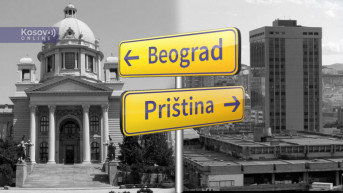
The three major Albanian parties that were in opposition during the previous mandate, the Democratic League of Kosovo (LDK), the Democratic Party of Kosovo (PDK), and the Alliance for the Future of Kosovo (AAK), have included dialogue with Serbia in their election programs and outlined obligations related to agreements reached so far and the results they expect from the process. This issue, however, is absent only from the program of the Self-Determination Movement, Koha writes.
For two of the four years during which the Self-Determination Movement led the government, as well as during 2025, high-level meetings were absent, while talks were conducted mostly at the level of chief negotiators.
Unlike Self-Determination, dialogue with Serbia is included in the programs of the Democratic Party of Kosovo, the Democratic League of Kosovo, and the Alliance for the Future of Kosovo.
The PDK has promised a coordinated, fair, and sustainable process. According to the party’s program, dialogue with Serbia is a complex test that requires prudence, internal unity, and full coordination with strategic allies.
“The PDK government will develop the dialogue in close coordination with the US and the EU, protect Kosovo’s sovereignty and constitutional order, and strive for sustainable and internationally applicable agreements. No dialogue process will be developed to the detriment of the state interest,” the program states.
The LDK has expressed in its program its commitment not to implement dialogue agreements that may be unconstitutional.
“The LDK commits to respecting international obligations, fully in line with the constitutional order of the republic, territorial sovereignty, and the unitary character of the state of Kosovo. Any internal organizational arrangement of Kosovo will have the Government of Kosovo as the owner of the process, and the Constitution must be the sole guide in the process. Agreements that violate the Constitution are neither recognized nor accepted by the Democratic League of Kosovo,” the program states.
According to the LDK, the dialogue with Serbia should end with mutual recognition.
“At every stage of the dialogue, the LDK’s position is unwavering, mutual recognition is the final goal, Kosovo’s territorial and constitutional integrity is not subject to negotiation, and any agreement should strengthen Kosovo’s international subjectivity, not weaken it,” it adds.
The AAK has pledged in its program to implement all agreements.
“A final agreement with mutual recognition would establish lasting peace in this part of Europe. Kosovo will fulfill its obligations in cooperation with allies, especially the US and the EU, with the sole goal of mutual recognition. Membership in all Euro-Atlantic structures is not only a right but also an obligation of this generation. We must do our homework, and during this mandate the focus will be on implementing Kosovo’s obligations in the integration process,” the party’s program states.
The AAK plan envisages active participation “in a formalized political dialogue in Brussels.”
“Cooperation with prestigious universities and entities known for offering economic and negotiation programs, with the aim of an impartial and expert assessment of achievements and challenges in the implementation of agreements reached so far, both technical and comprehensive,” the AAK program states.
Njomza Arifi, head of the Group for Legal and Political Studies, says that the party leading the government will be under pressure to implement all agreements and resume high-level meetings.
“Returning to the negotiating table with Serbia will be a kind of obligation for Kosovo because we requested and committed to implementing the Ohrid Agreement and its annex, and both the EU and international allies expect the future government in Kosovo to immediately engage in the dialogue process with concrete results,” she said.
According to her, the lack of results in the dialogue process this year is linked to the political situation in Kosovo and protests accompanied by tensions in Serbia.
“When decision-making is lacking, especially political decision-making, it is very difficult to talk about concrete results. In such processes, which are very complex and require political will not only from the government but perhaps also a broader consensus among parties that goes beyond partisan interests, because we consider the dialogue process to be a process of national importance for Kosovo,” Arifi said.

0 comments