
Atelier Ilic, guardian of tradition and art: After his father, knowledge, canvases and a love of painting remained
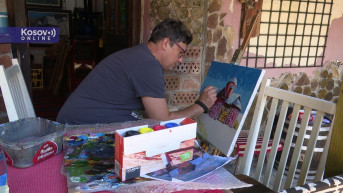
In the Ilic family, painting was never just a hobby. A love of canvas, colours and art was passed down from generation to generation, and today the story of creativity is continued by academic painter Marko Ilic, the son of Bane Ilic, one of the best-known artists from this region.
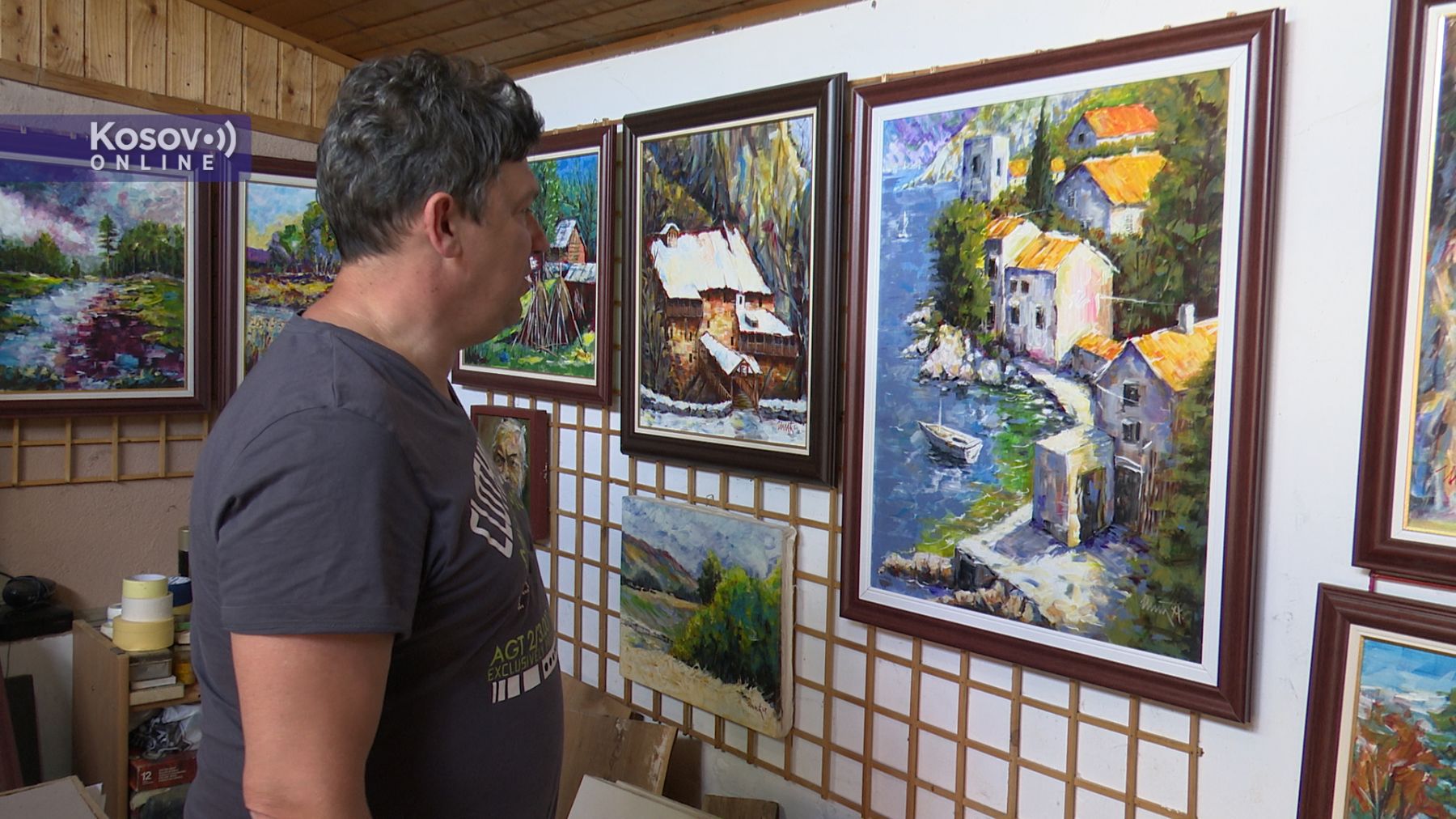
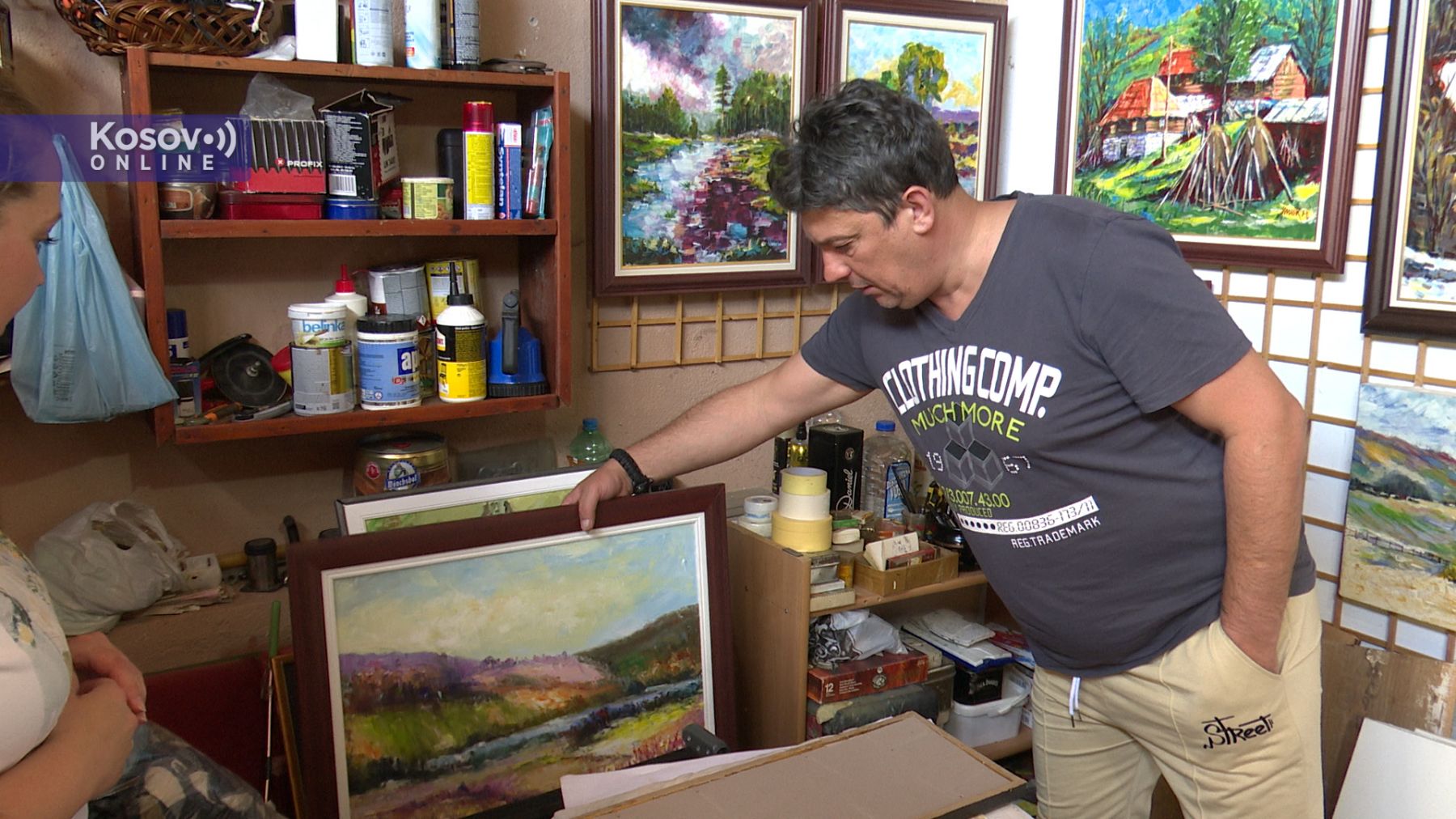
While the people of Zvecan still remember the lavish talent of Bane Ilic, his son Marko continues the family tradition and is preparing his solo exhibition. As he points out, although he was more involved in sports in his youth, growing up alongside an artist father determined his path in life.
“I was more involved in sports, but with my father, this was more of a hobby for me. When you do something, you always have paper and paints — in our home, that was always present. Then it really attracted me and, when I grew up a little, sometime in secondary school, the idea was born for me to enroll at the Academy. That is how it all began,” Ilic recalls.
His father, he says, was his greatest support, both in terms of knowledge and psychologically.
“That is how it began and, here we are, it has continued to this day. My brother also graduated from the Academy, and now his daughter, my niece, is also at the Academy. So, there is a family tradition of engaging in art. There is a lot of work at the Academy, but I still think I learned more from my father. Those little tricks, so to speak — mixing colours, choosing materials and similar things — that is priceless experience I gained from him. Of course, all credit to the professors at the Academy, but somehow I was closer to him, so it was easier for him to point out mistakes and say everything honestly, without embellishment. I think it is precisely thanks to him that I have come this far and achieved what I am doing today,” Ilic says sincerely.
In addition to painting, Marko also works on icon painting on wood, which he says requires far more precision and discipline.
“That technique is somewhat different from painting. Painting still requires more freedom, while in icon painting everything has to be precise and in accordance with the canons. You cannot invent something of your own there, change colours or introduce elements that do not belong to that tradition. And that attracts me very much. It requires far more precision, but I manage to combine it with painting. I also do woodcarving. My brother and I have somehow divided things between us — he does watercolours, and I paint on canvas, so we do not do the same things,” he said.
As he notes, painting represents for him a kind of escape from everyday life and a space in which he finds peace.
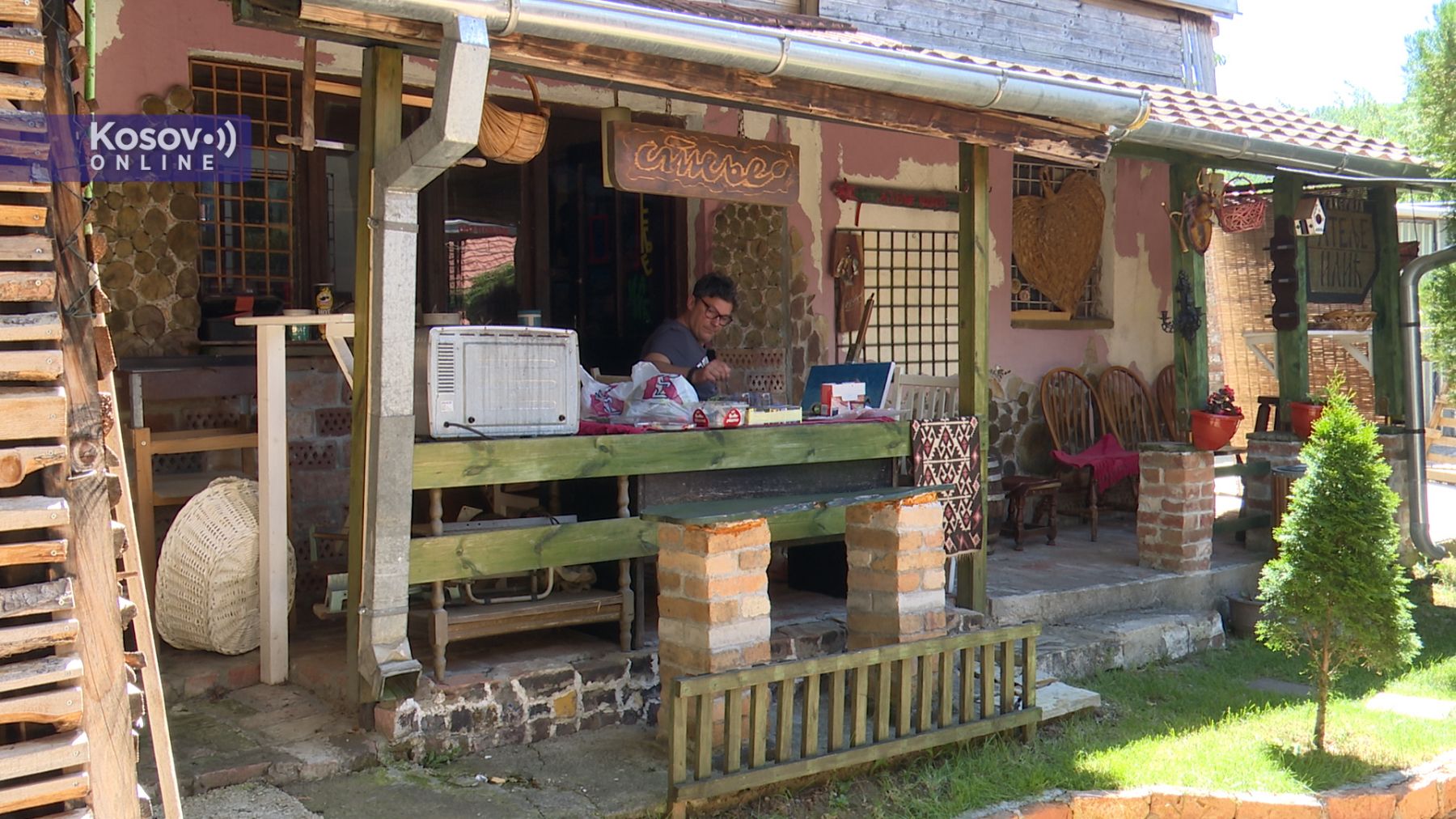
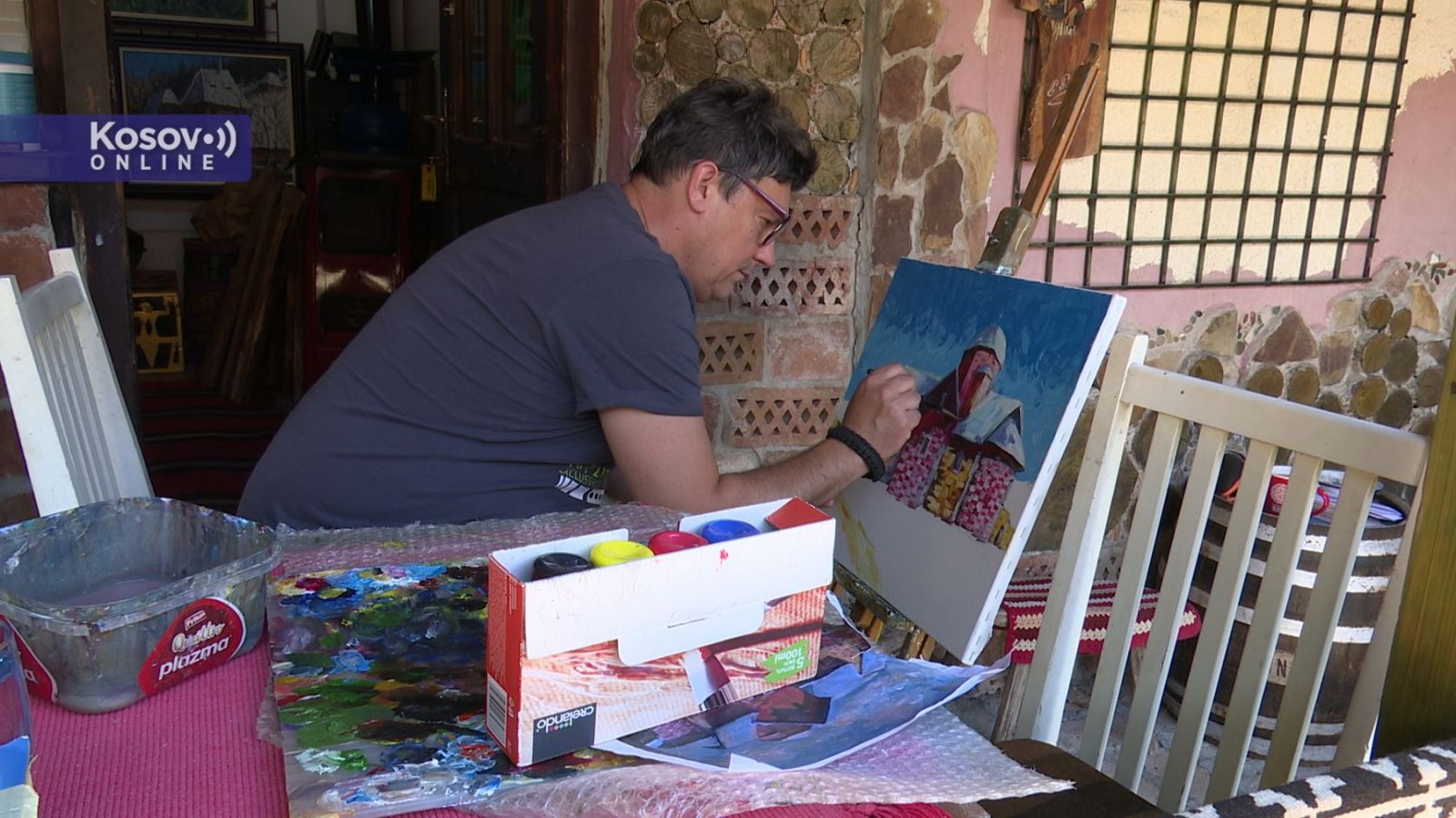
“It represents an escape from this gloomy reality. You really feel beautiful, elevated and peaceful, especially when you work in nature and when you are alone with it. Everything I do actually reflects my interests — nature, the sea, snow, mountains, churches. These are things that interest me in life anyway, so in a way I complement myself through painting. It fulfils me. I would not say it is my hobby, because it is my profession, but it is an incredibly beautiful profession that gives you more than you give to it,” Ilic says.
Ahead of the exhibition that is being prepared, he points out that most of the works will be presented in acrylic technique, although he also works in oil and on wood.
“At this exhibition, which I am putting on, I am mostly presenting works done in acrylic, but I also work in oil, as well as on wood. Several such works will also be exhibited. I have been using acrylic lately because it dries faster. However, oil is still more plastic and it seems to me that it gives a better result. The composition appears richer, and the plasticity of the painting itself is more pronounced. On the other hand, acrylic is very rewarding to work with, and most of these canvases were done precisely in that technique,” our interlocutor explained.
When it comes to working in wood, he most often uses walnut, which he considers the most suitable material for woodcarving and painting.
“I use walnut exclusively. Walnut has a beautiful structure and colour, and that is why I particularly like it. I mostly work on walnut, although it sometimes happens that I use cherry or plum, that is, types of wood that have an interesting colour and texture. I work in a special technique in which I slightly burn the wood so that it gets an antique look. It is mostly walnut. It has proven to be the best both for woodcarving and for painting on wood,” Ilic says.
He is also engaged in pedagogical work, as an art teacher at Branko Radicevic Primary School in North Mitrovica. He is convinced that talent in children can be recognised very early, but that love for art is decisive.
“Love is the most important thing in everything. If you do not have love for what you do and you do something merely for the sake of it, children see that immediately. Children are honest and it is very easy to recognise that in them. For a while, we tried to organise a painting school, but it took up a lot of our time, because of work, family and our own artistic work. As far as I know, there is a painting school in Mitrovica, but I think there is none in Zvecan. I always support children who want to engage in art. It is truly a beautiful profession. How profitable it is here depends on many factors, above all on the economic situation of the population. If someone has a small salary, they will not buy a painting because there are more urgent priorities. Still, it is a beautiful calling. Even if someone does not want to pursue art professionally, I recommend that they have it as a hobby. When a person has time to devote to art, it fulfils them. Like any other art,” Ilic says with conviction.
Speaking about the family tradition, Marko also mentioned his niece, who, after completing secondary art school in Kraljevo, continued her education at the Faculty of Arts in North Mitrovica.
“I really like the way she works, and her professors praise her a lot too, without any exaggeration. I have to say that it was much easier both for her and for us because we had a famous father. Today it is very difficult to build a career on your own, to deal with criticism and to make your way on the art scene. We already had a paved path that Bane had laid. Thanks to that, it was easier for us to enter the art world, to be invited to art colonies and exhibitions, and for people to come and buy our works. It is easier when people know about Bane, then about his sons, and now about his granddaughter as well,” Ilic explains.


The Ilic family considers the art colony and cultural event “Sokolica”, of which Bane Ilic was one of the founders, to be particularly significant. This year, the 30th jubilee colony will be held at the end of August, and a special exhibition dedicated to works on wood is also planned.
Ilic says that the decision to organise his first solo exhibition matured after his father’s death.
“Honestly, I got the greatest inspiration for this solo exhibition after my father’s death. I had many works, but I never managed to gather them all in one place. Some were given away, some were sold, and now I wanted to show that someone is continuing to work after him. Our friends, buyers and people who know us knew what we were doing, but the wider public generally did not. When you organise an exhibition, people see it, hear about it and become acquainted with your work,” he says.
He particularly singled out the combined technique of working with a palette knife and brush, which he learned from his father. Although he became acquainted with various painting techniques during his studies at the Academy, he emphasises that the experience of learning directly from his father was incomparably more valuable. He considers working with a palette knife extremely rewarding and close to his artistic expression, while he describes the knowledge and skills passed on to him by his father as priceless. It is precisely this inherited experience that remains an important part of his creative work today, and he considers the fact that his father was also his teacher a great privilege in life.
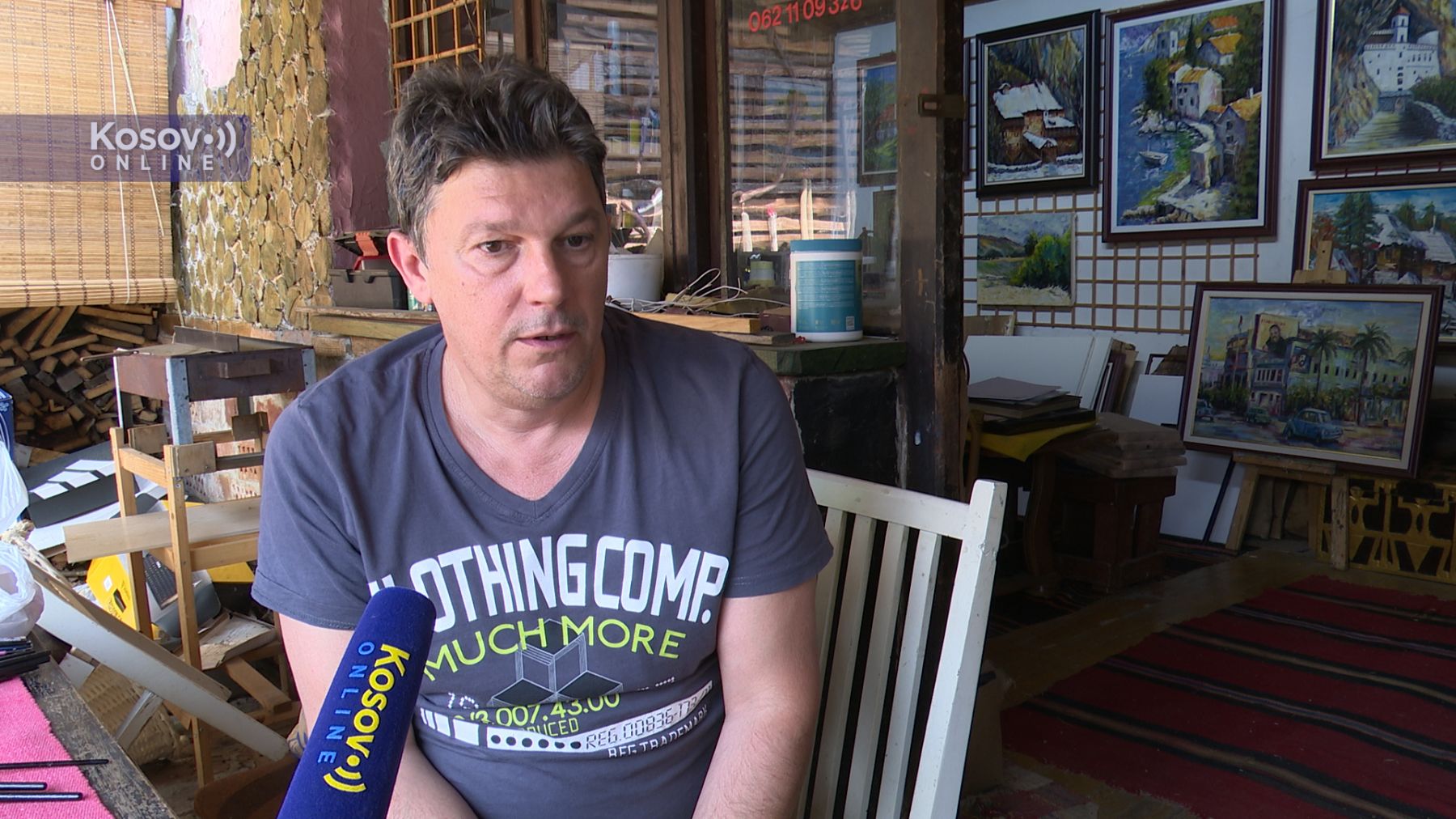
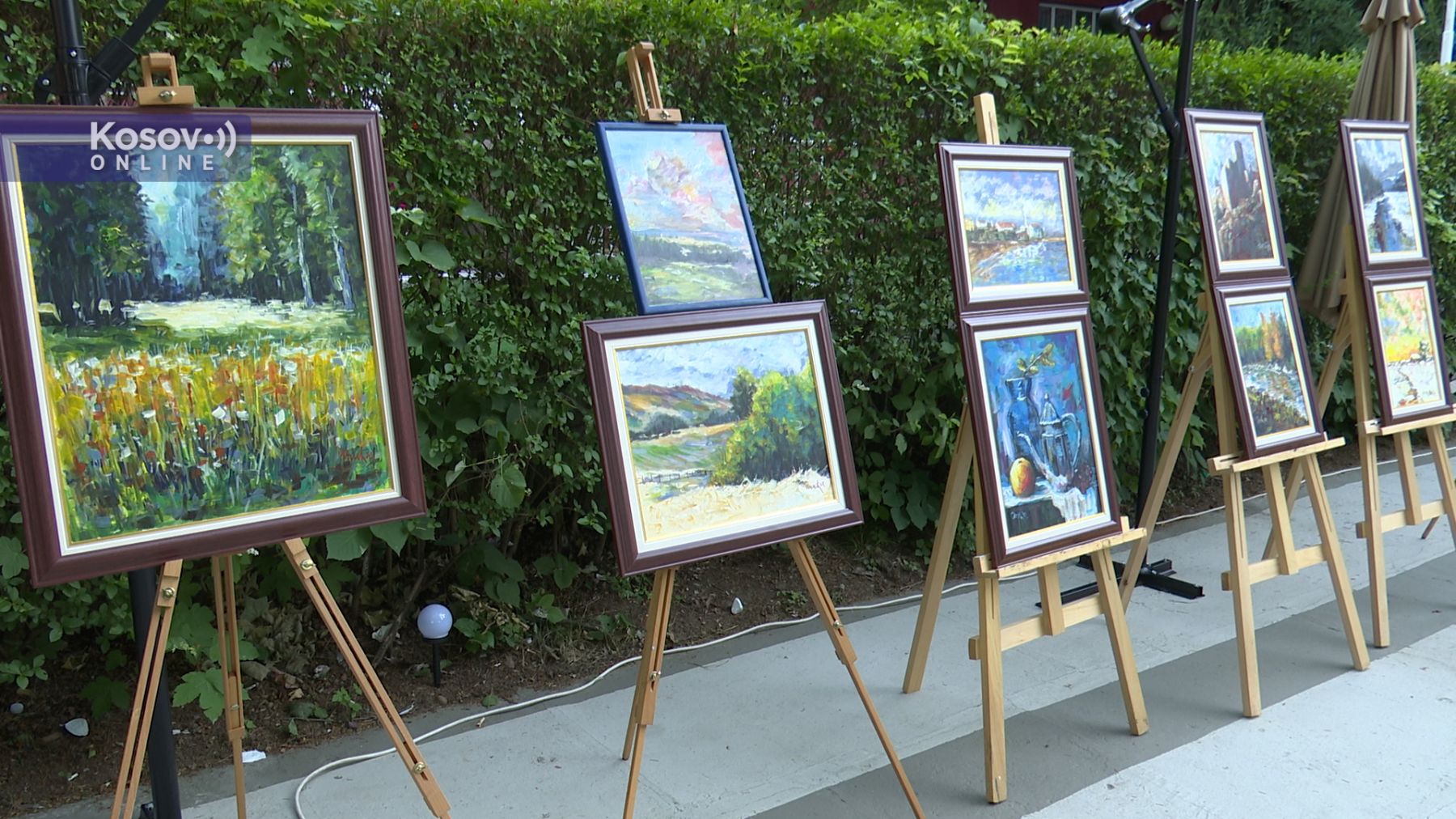
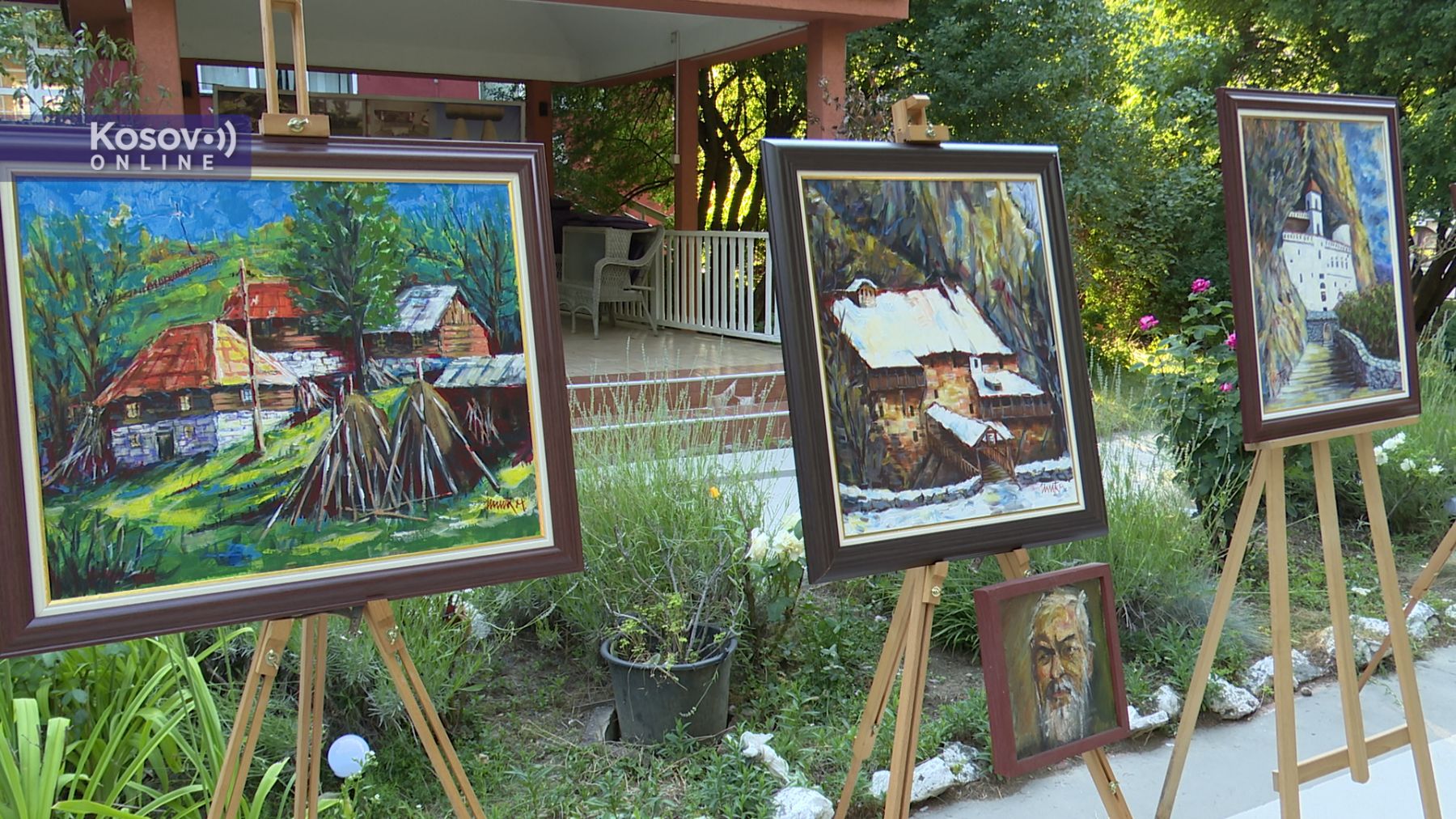
The exhibition was held in the garden of the Cultural Centre in Zvecan, where a large number of art lovers, friends and admirers of the author’s work gathered. In a pleasant atmosphere, visitors had the opportunity to view the exhibited works and become acquainted with the creativity of an artist who continues the family tradition.
The best confirmation of the artistic mark left by the Ilic family from Zvecan is the fact that it is almost impossible to find a home, business premises or institution in northern Kosovo, and beyond, that does not contain at least one of their paintings. Whether it is a work by Marko, Blažo or their father Bane, their canvases have been giving soul to homes for decades and bearing witness to a family tradition and talent passed down from generation to generation.


0 comments