
Djuric: Gandhi's struggle for peace will continue
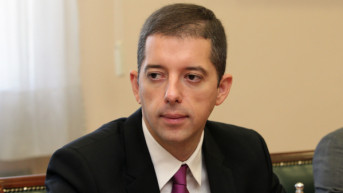
The Ambassador of Serbia to the USA, Marko Djuric, pointed out today that in recent days, Serbia had been leading a 20-day Gandhian struggle for peace.
Djuric told for TV Happy that the effect of the "peace barricade" was the release of the two contested Serbs and the obtaining of written guarantees represented a step towards improving the protection and position of the Serbs.
"From the Serbian side, this was Gandhi's 20-day struggle for peace. I would call the barricades peace barricades because that's what they were. If we look at their performance, let's not underestimate the fact that, as a result of brave protests, when people were physically threatened, the release of two imprisoned Serbs was achieved. More important than that is that today people do not return to us in coffins, and we managed to secure the release of two captured Serbs, and we also received written guarantees, which improve the protection and position of Serbs one step further," he explained.
Djuric pointed out that the peace barricades led to a joint statement by the EU and the US.
He called on the citizens to familiarize themselves with that statement, which says that "the USA and the EU, as the main protectors of the so-called Kosovo regarding the declaration of independence and everything else, declare that there will be no prosecutions and arrests of people for participating in the peace barricades".
"We need to take into account what this means for the legitimacy of the barricades, which Pristina called terrorist and the people who participate in them terrorists. Let's see what the reaction is to the agreements that have been reached - protests against Kurti, announcements of blockades. The decision to release Pantic and Nedeljkovic is called high treason," Djuric added.
He pointed out that the statement of the USA and the EU represents a new legal and political reality regarding the right of Serbs to barricades and peaceful protests.
"In addition, the improvement of the guarantee is related to the presence of the Kosovo Security Forces, and for the first time we have an official document of KFOR, i.e. NATO, addressed to everyone, that there will be no presence of Kosovo forces without the explicit approval and consent of the KFOR commander, who in the decision-making process must consult with legitimate Serbian representatives," he explained.
He called on the citizens to familiarize themselves with the details of the guarantees, which represent a significant improvement in the legal and political position compared to the period when it was based on the Thaci-Rasmussen document.
He said that the state team and President Aleksandar Vucic personally had a very complex task, because this time it was about people's lives. He pointed out that he listened when Dejan Pantic's wife, in tears of joy, thanked the president, and that it made everyone in the team feel a bit better during the difficult period they went through.
"That fight will continue," Djuric said.
He said that today the barricades started to be removed, since some of the proclaimed goals had already been fulfilled, and that the joint struggle would continue in the coming period.
"A certain small shift has been made. Unlike earlier periods when Kurti and others who committed serious crimes were released, today Serbia is united and fighting with its people for the release of the Serbs who were unjustly imprisoned," he said.
He said that of course there are concerns about Kurti's behavior.
"We all certainly have our concerns about Kurti's behavior. Don't think that any of us are naive about Kurti's intentions, because he is a dangerous and unstable man," Djuric said.
He said that looking from Washington, he clearly saw what Kurti had been trying to do since February of this year, when the escalation of Pristina's unilateral moves had began.
"Kurti uses the tragedy in Ukraine to put pressure on the Serbs, builds bases in the north, starts incursions, shifts, persecution. He wants to abuse the crisis in Ukraine and push Serbia into an artificial conflict with the West. He knows that at this geopolitical moment it is favorable for his idea, but tragic for Serbia," he pointed out.
Asked if Washington saw this as well, Djuric said that Serbia was intensively talking with the political ambassadors of the USA.
"You have to understand that our daily struggle is to refresh the image of Serbia. Many in the USA last heard of Serbia in the 90s. We explain to the entire US political class how Serbia has transformed, how the circumstances in the region have changed. Serbia only wants a "fair deal" for the people of Kosovo, to live in a normal way in good relations with our Albanian neighbors, and certainly also with the USA, with which we have 140 years of relations," he explained.
Djuric reminded that our diplomatic-consular convention from 1881 was still in force, adding that there were only few countries that had such a tradition of relations with the USA.
"There are a lot of ups and downs, resentment on our part, but our national interest is to smooth and improve these relations," he said.



comments