
Djuric: I informed Valtonen about the difficult situation of Serbs and other non-majority communities in Kosovo and Metohija

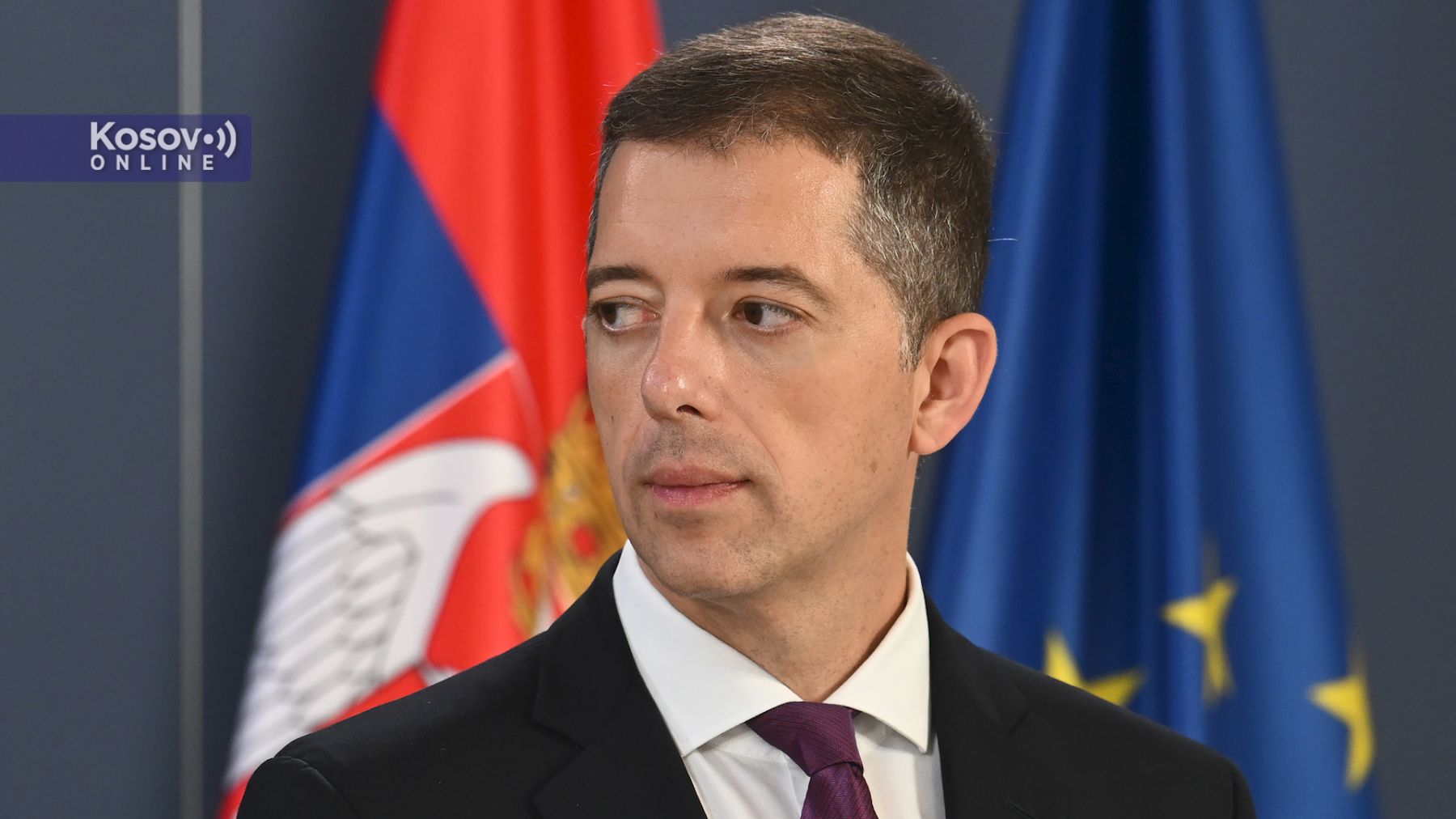
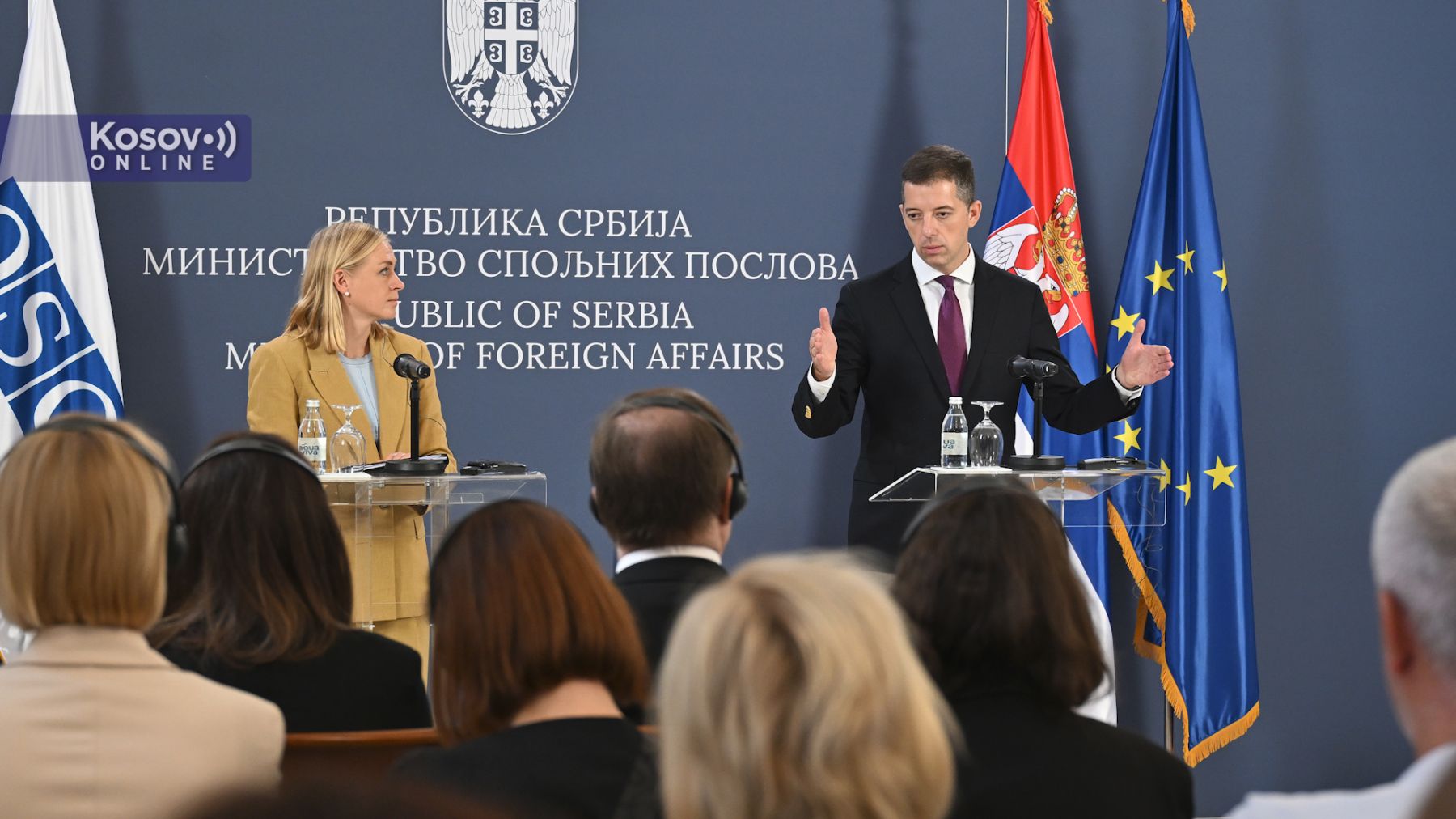
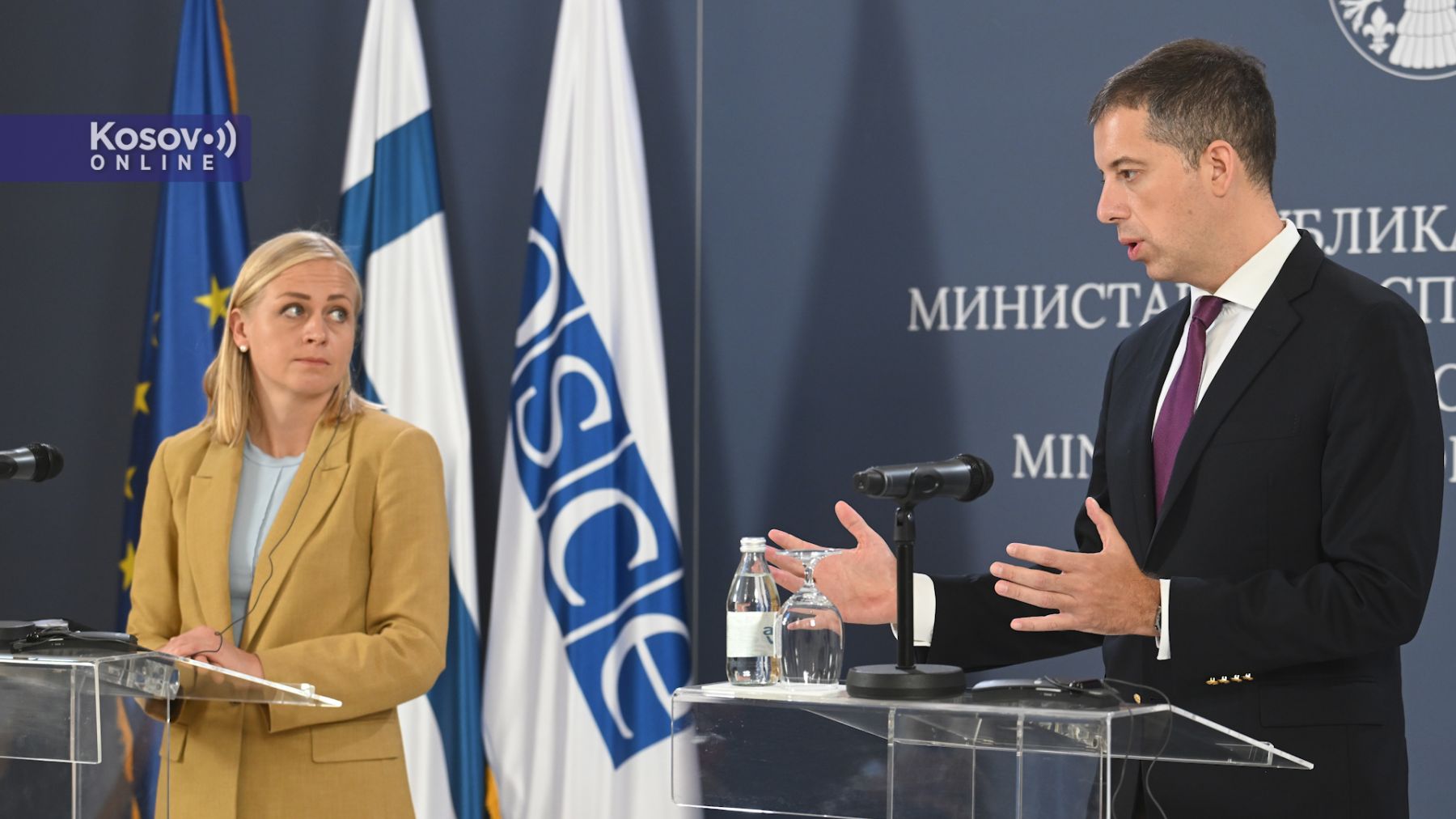
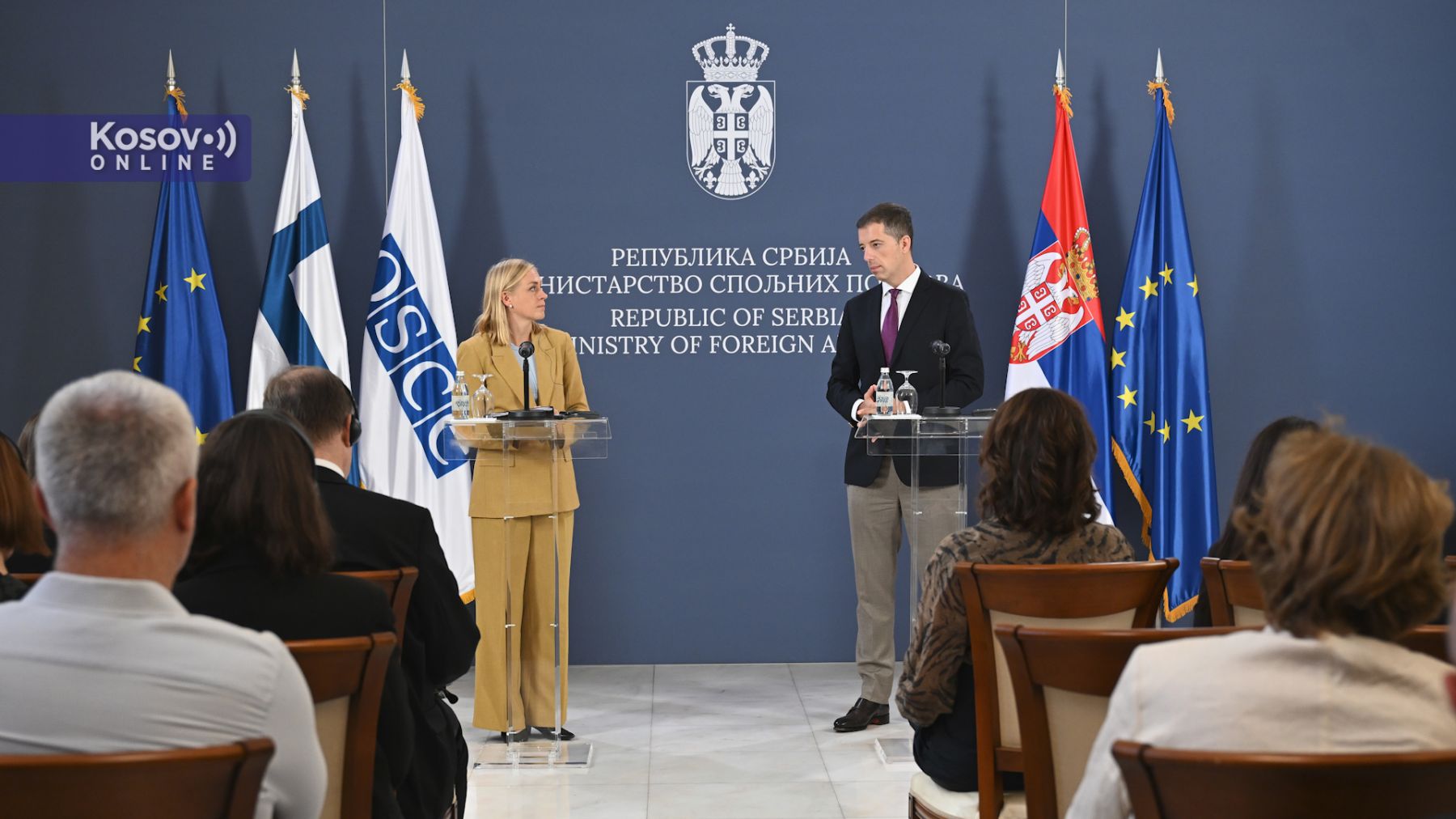
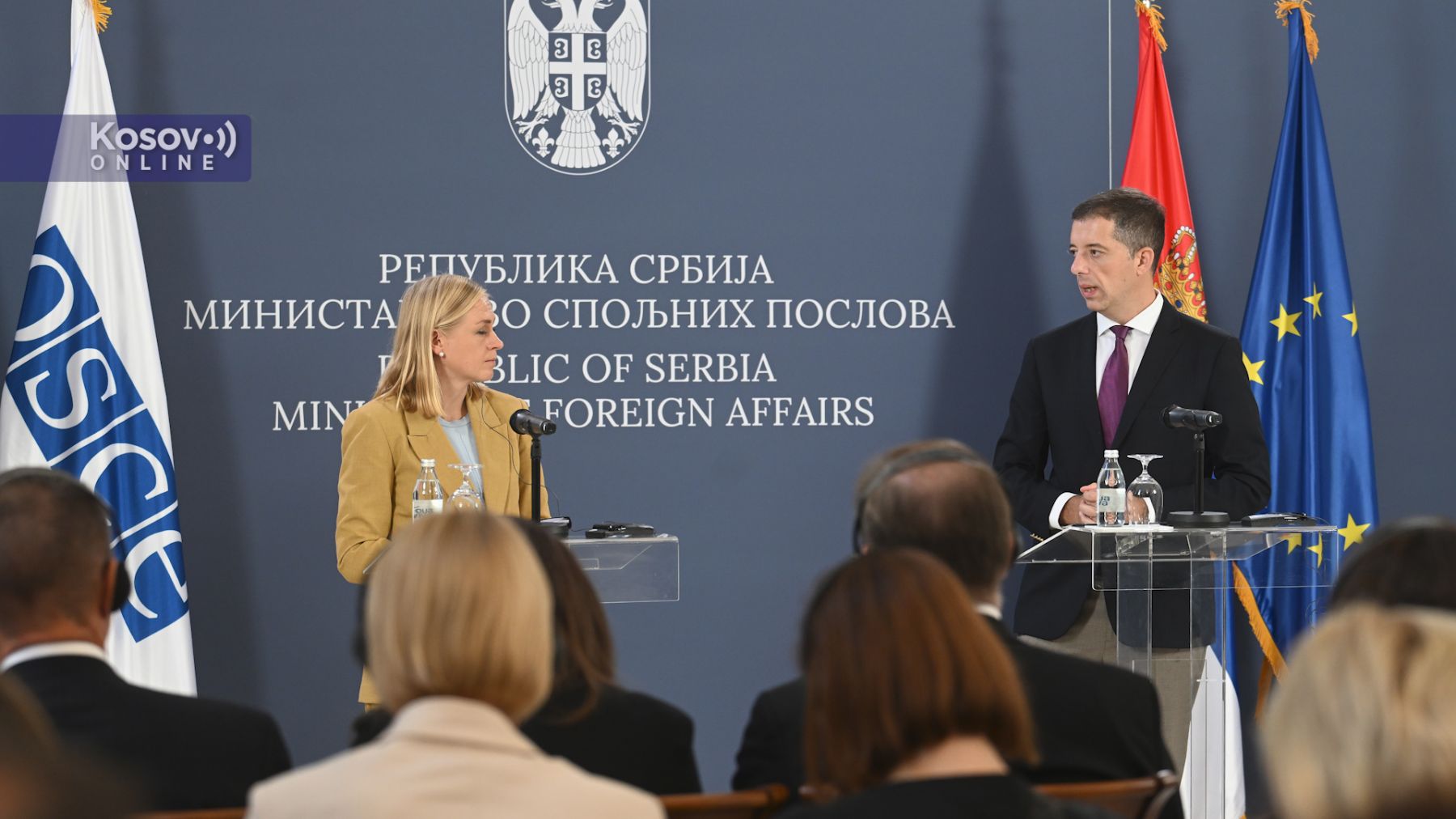
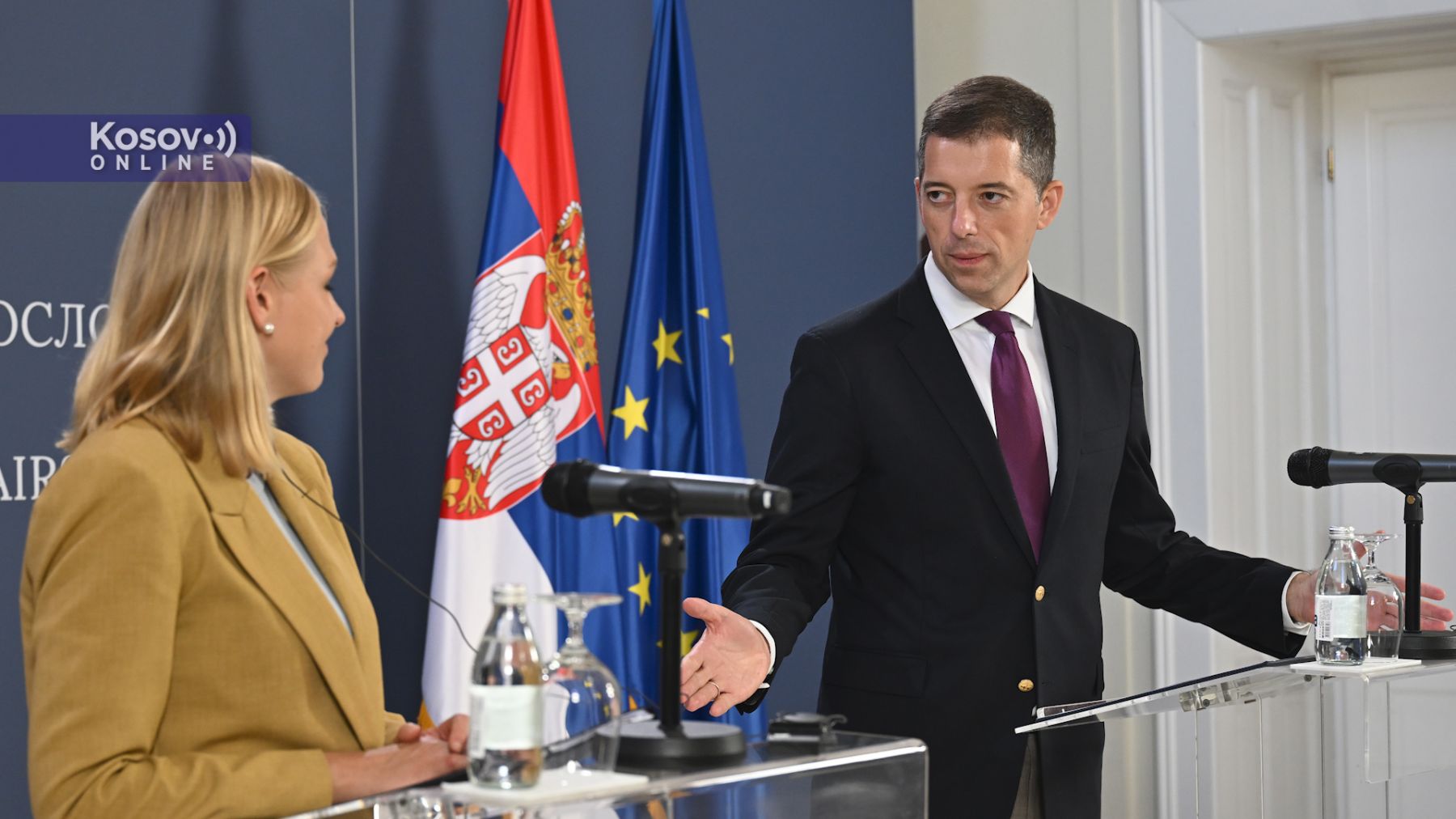
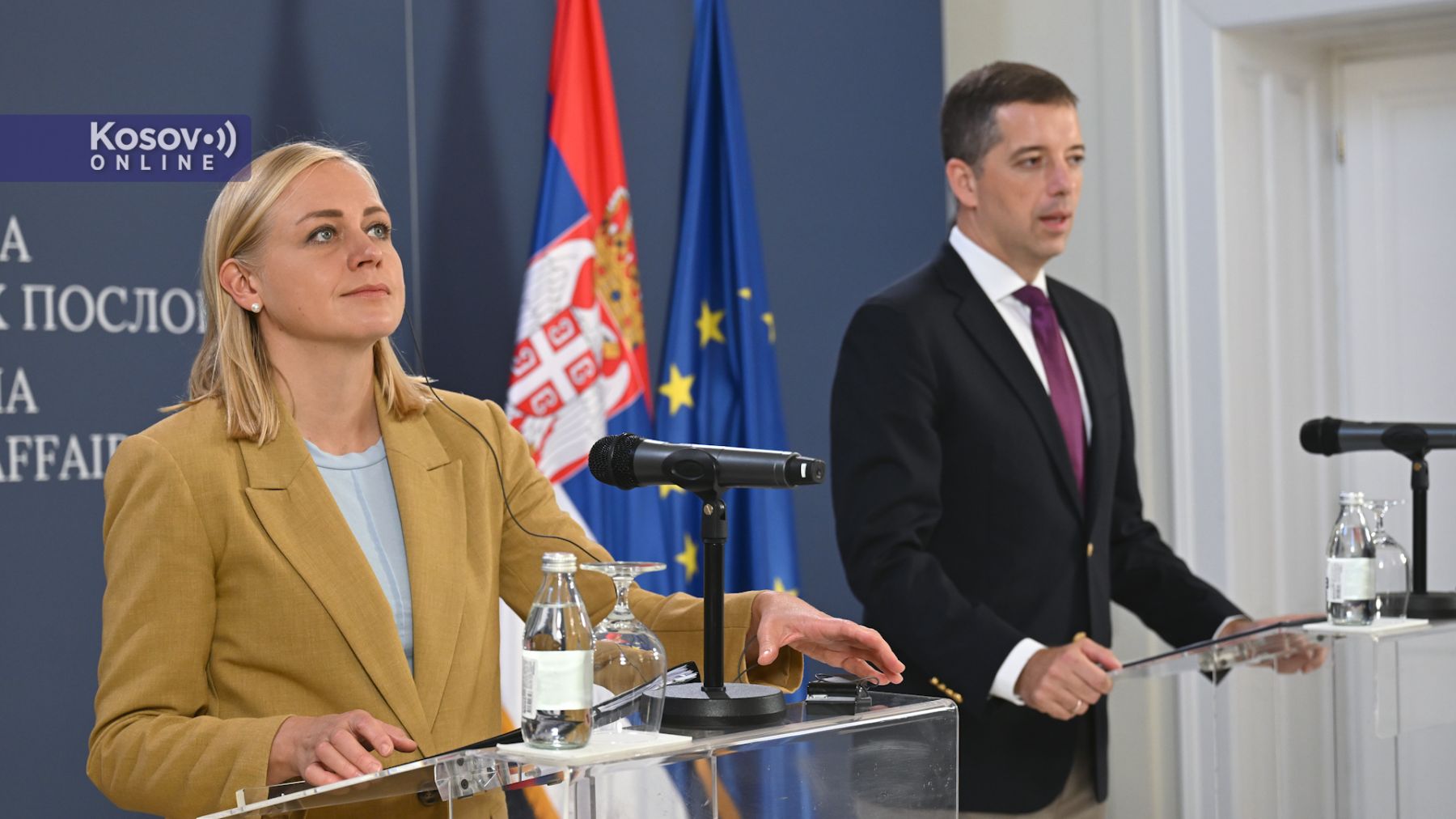
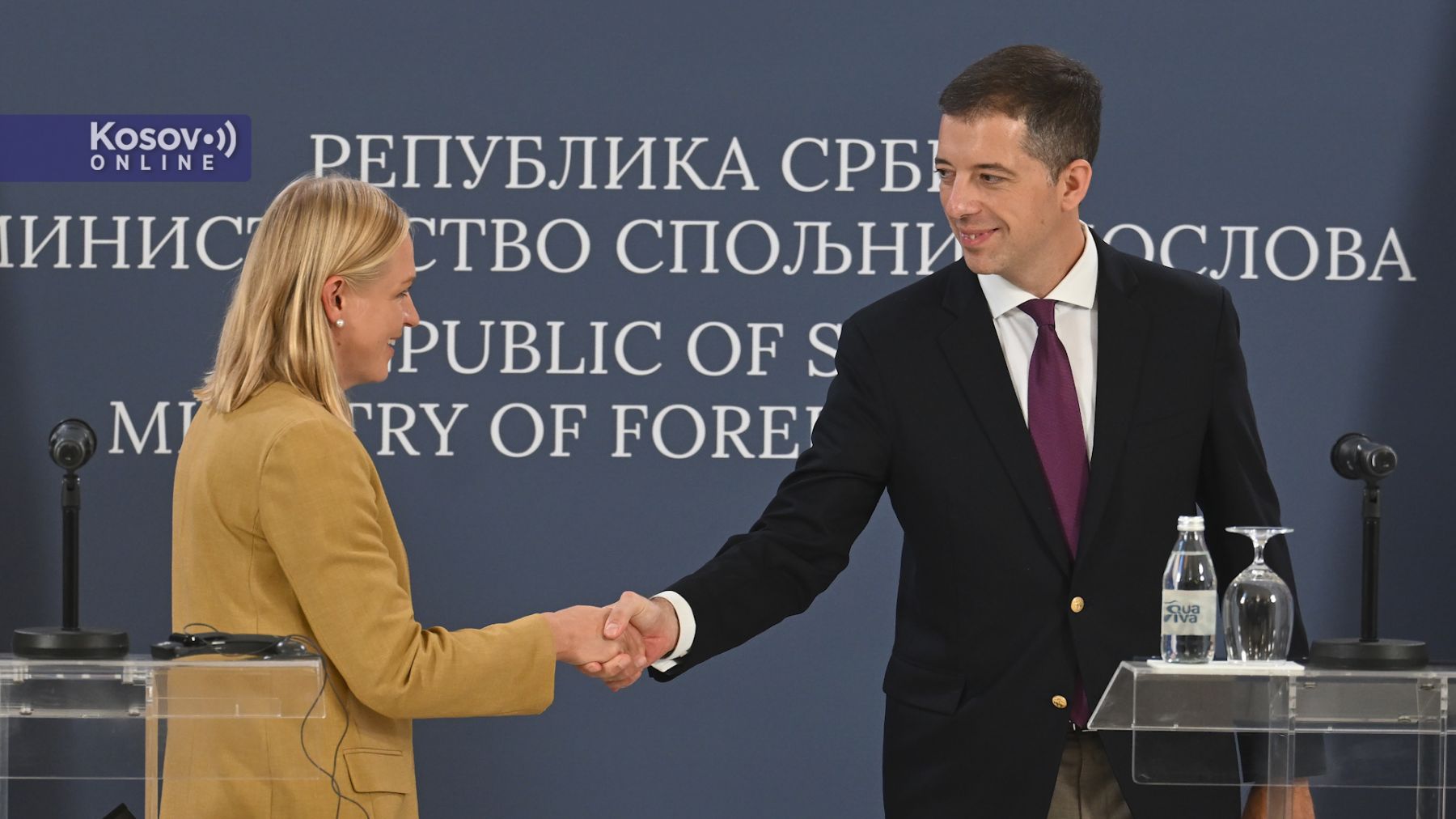
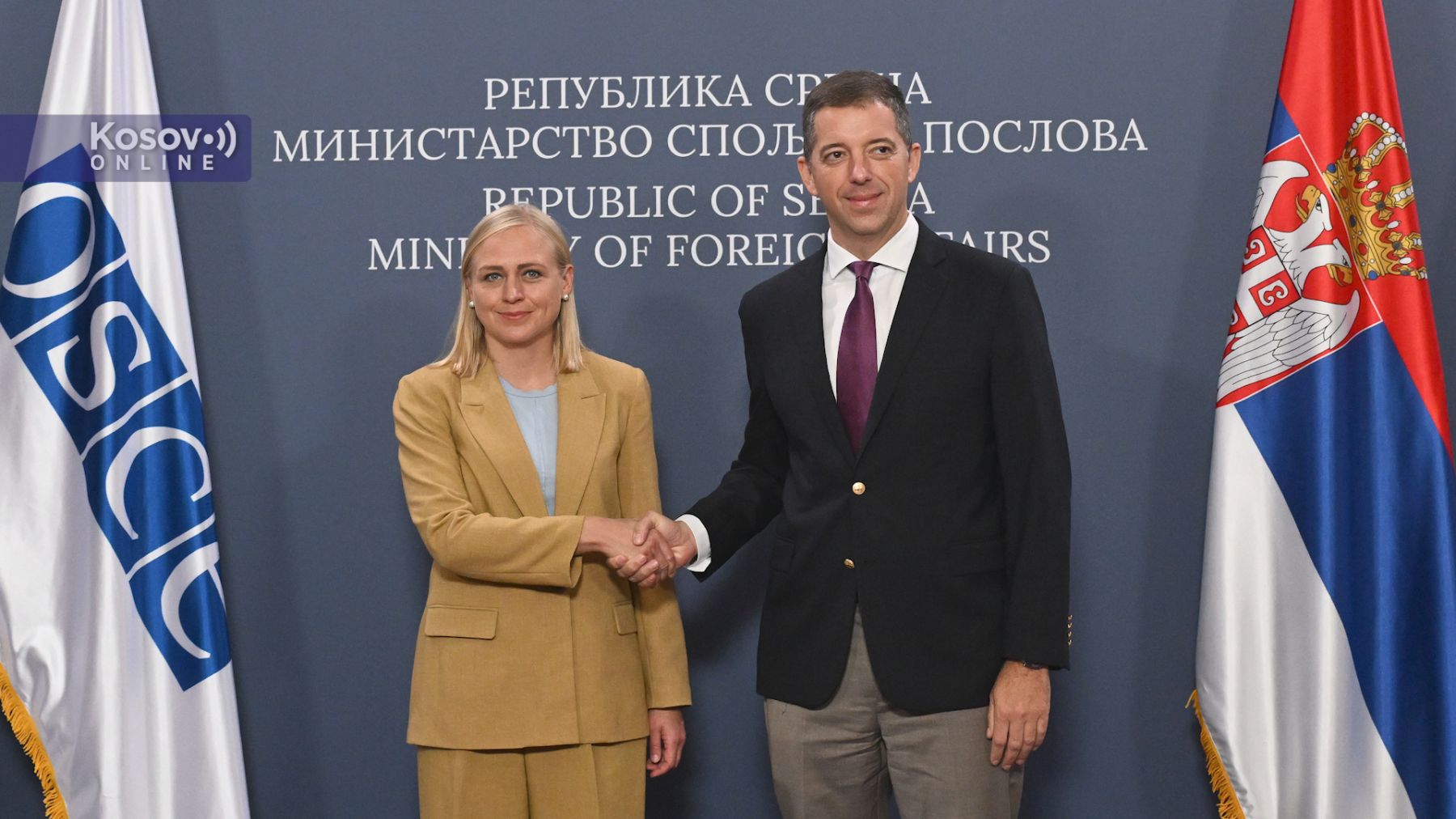
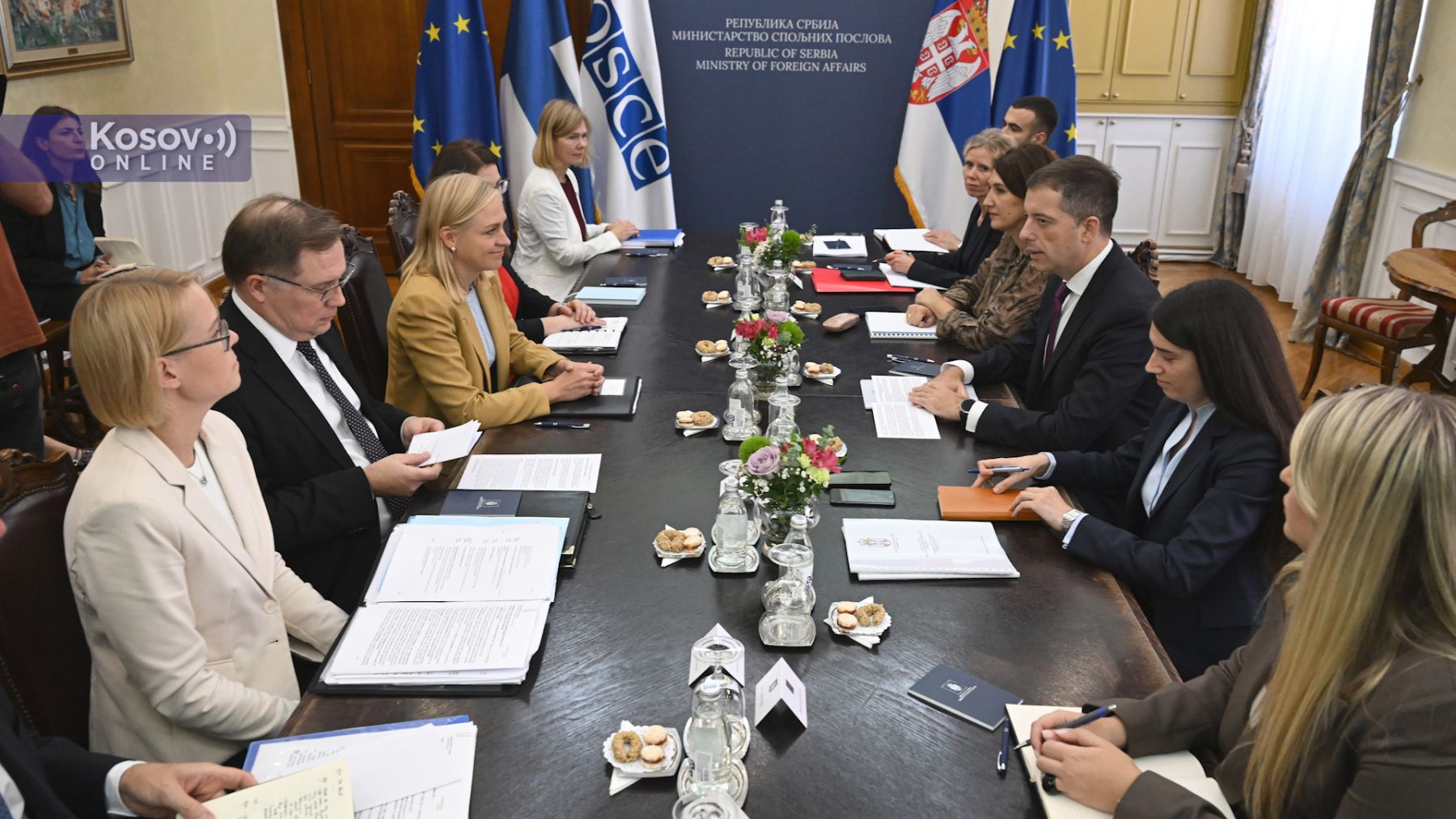
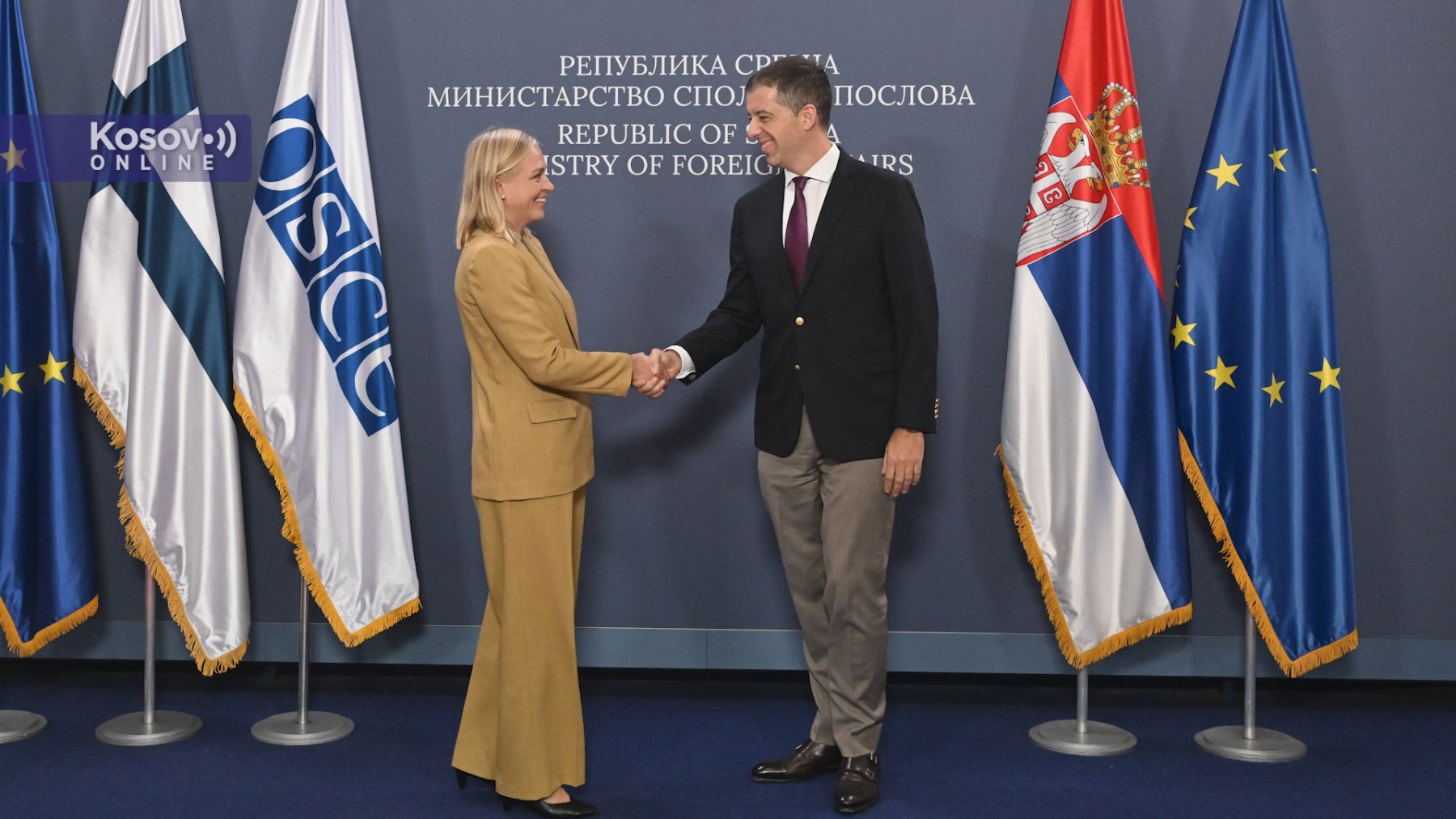
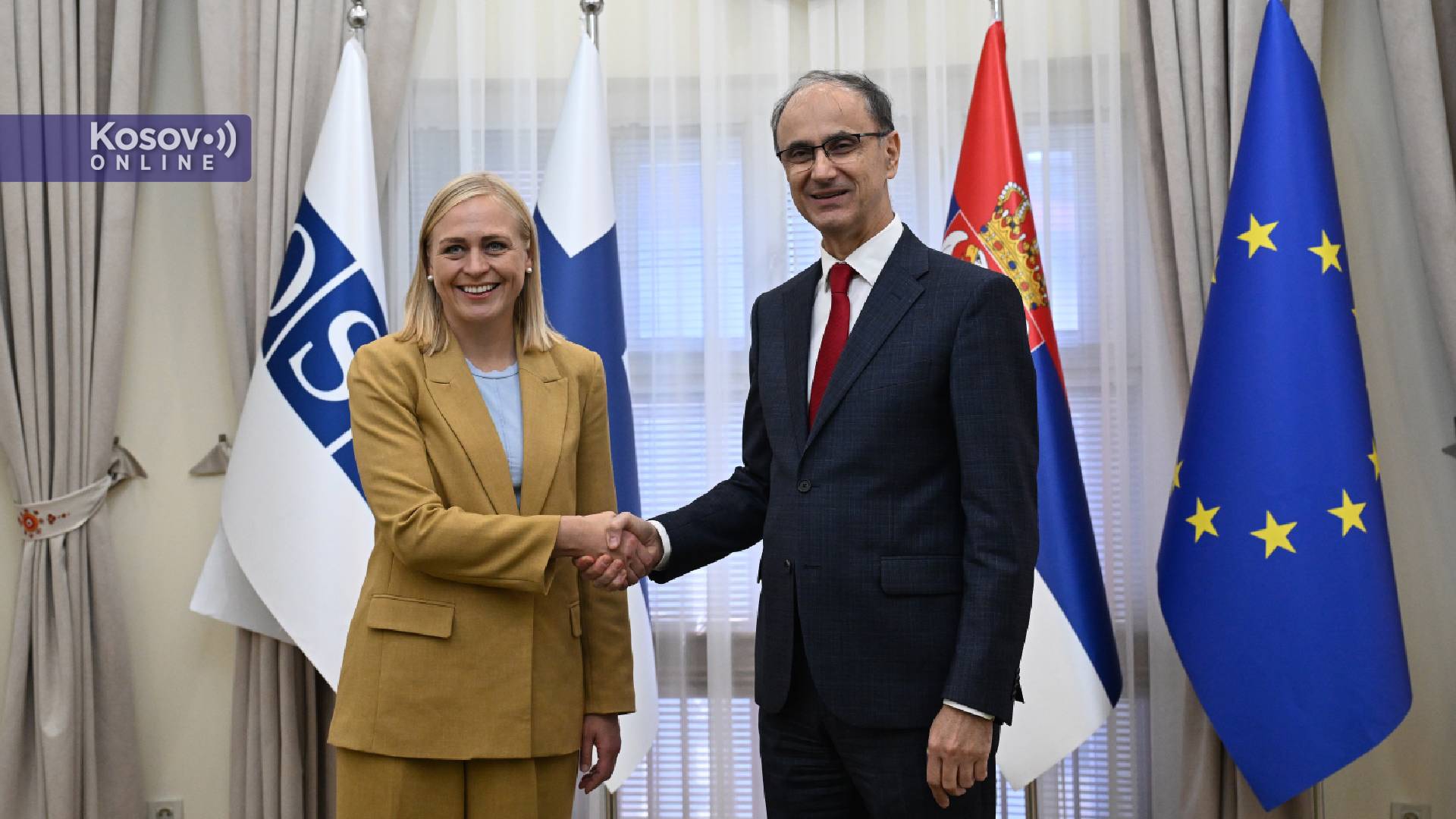
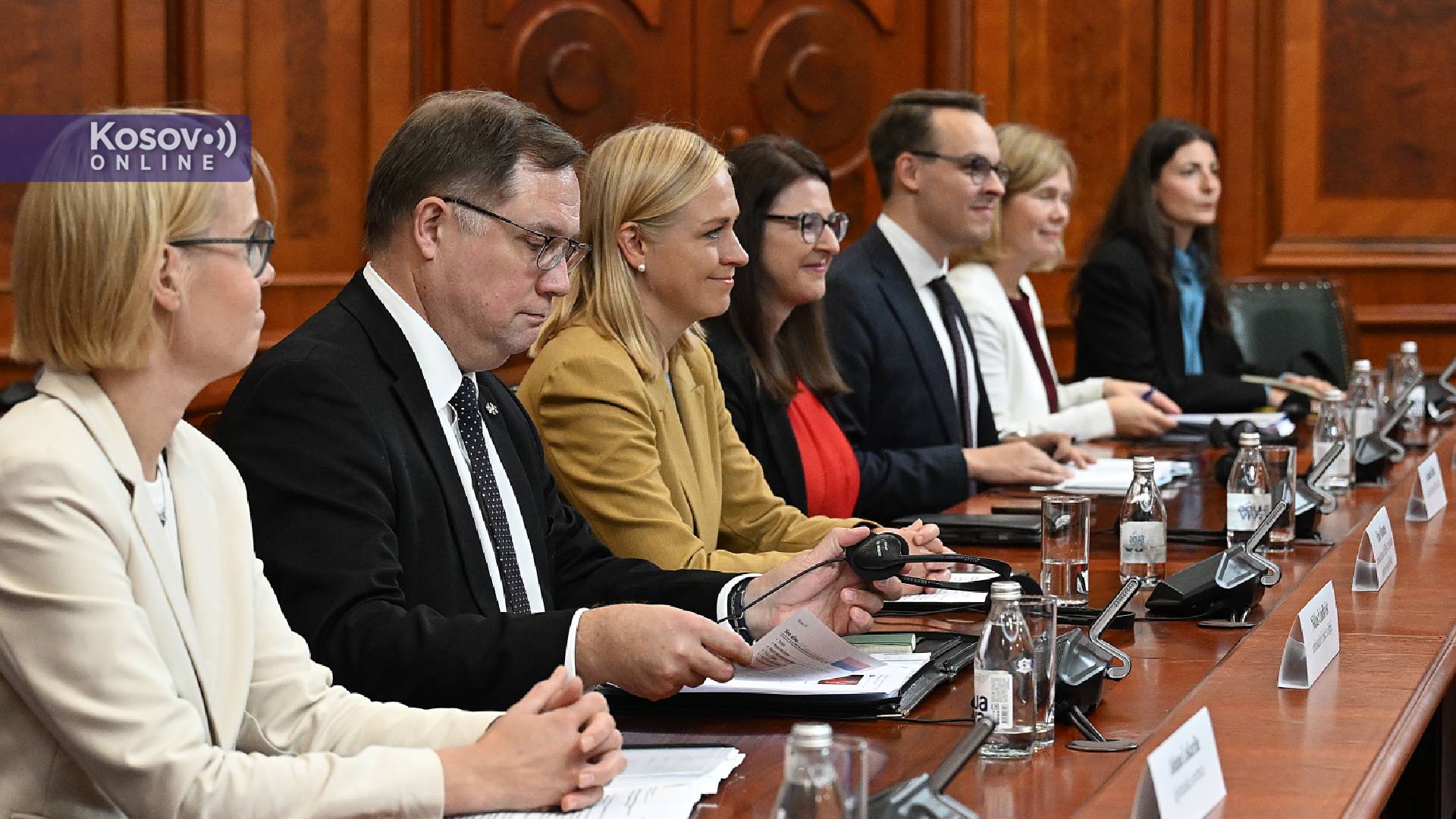
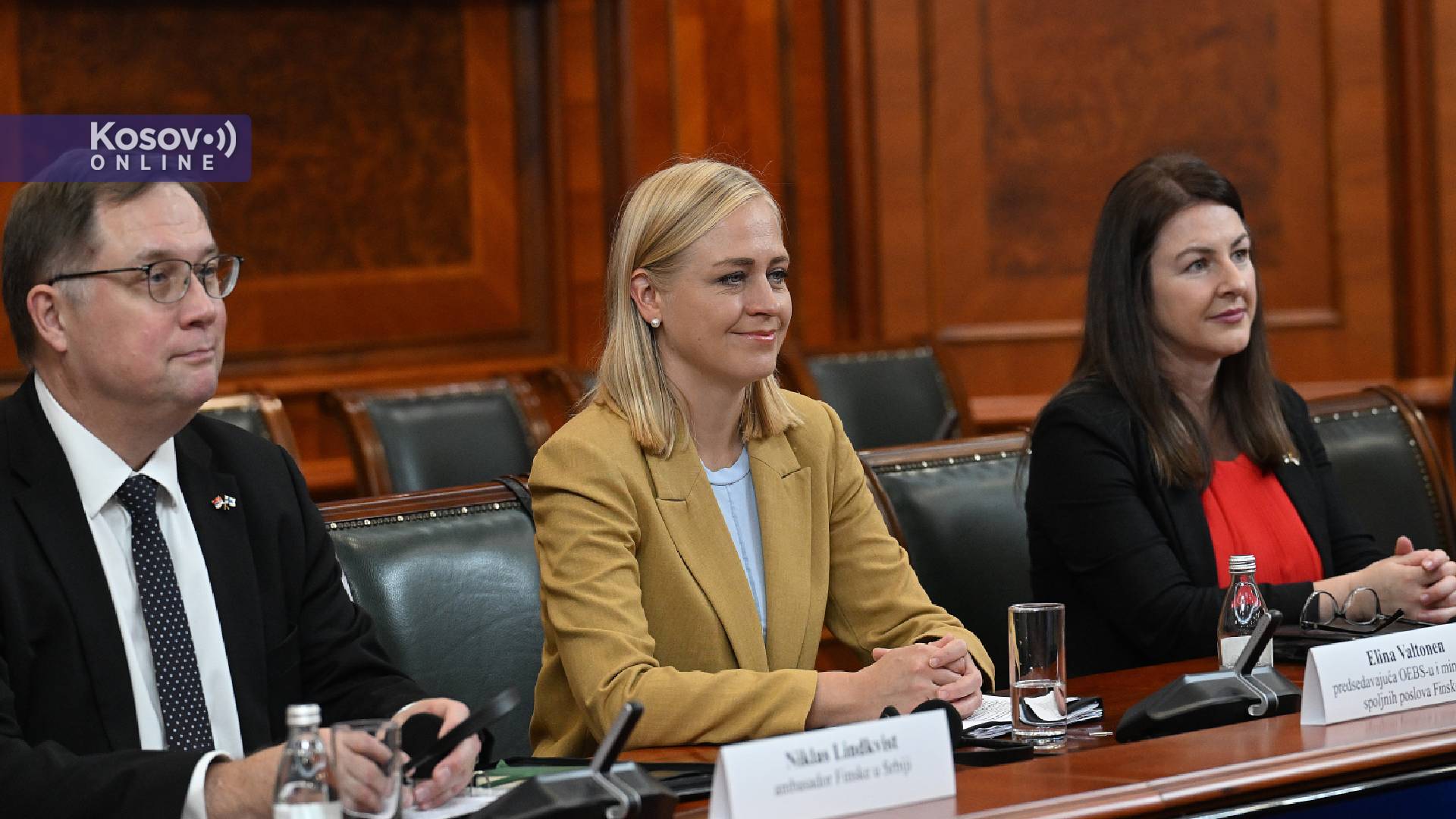
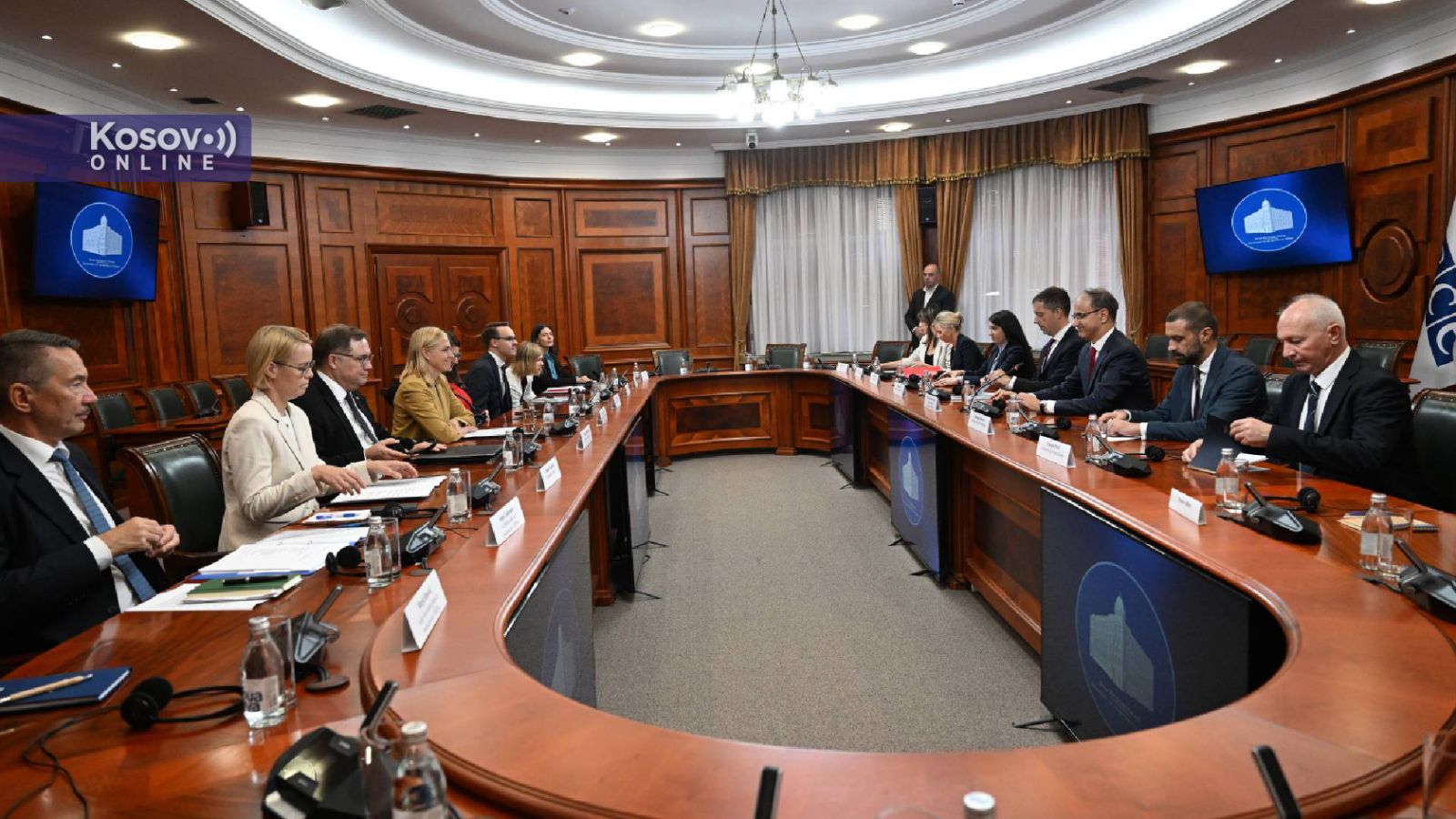
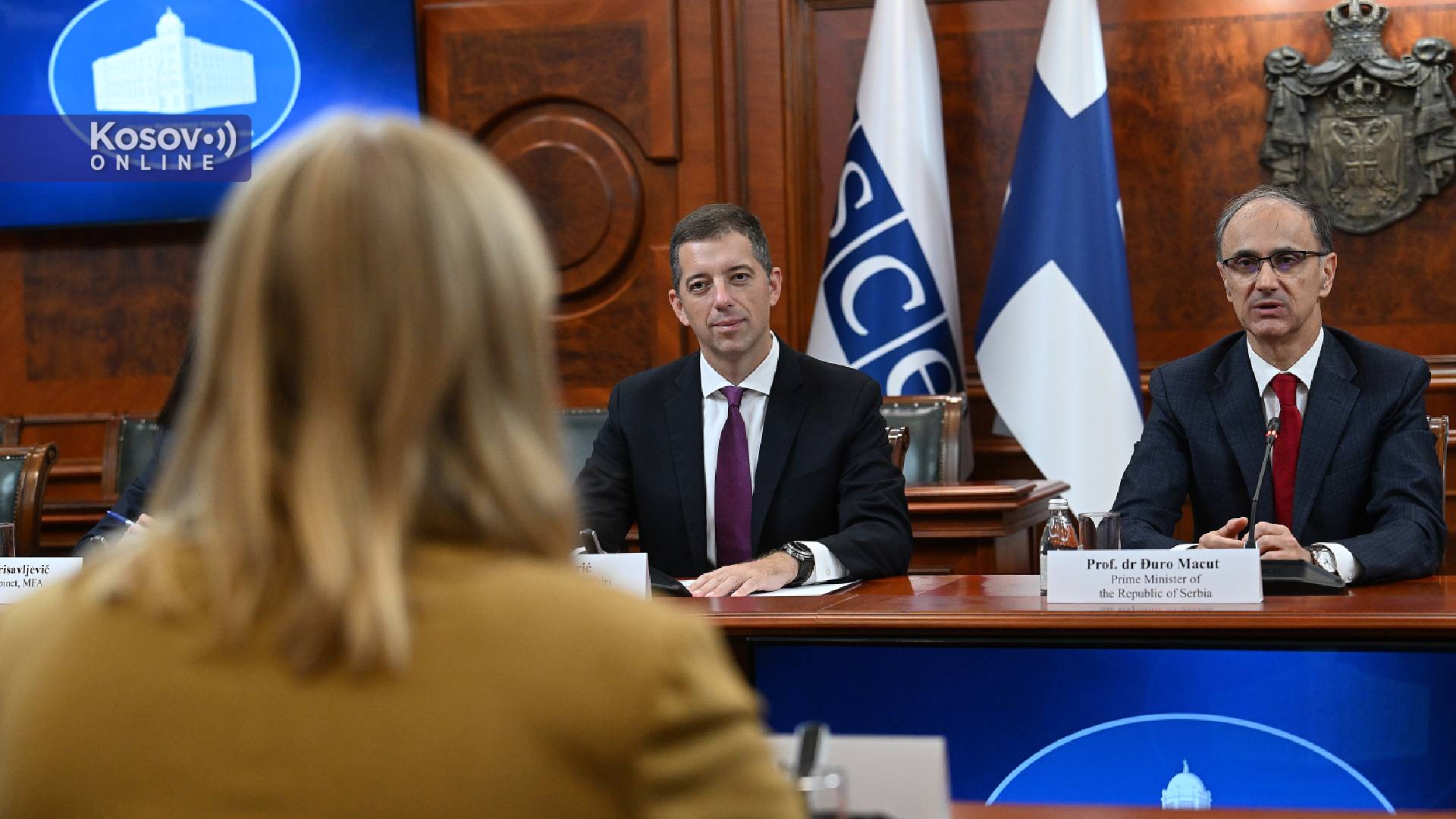
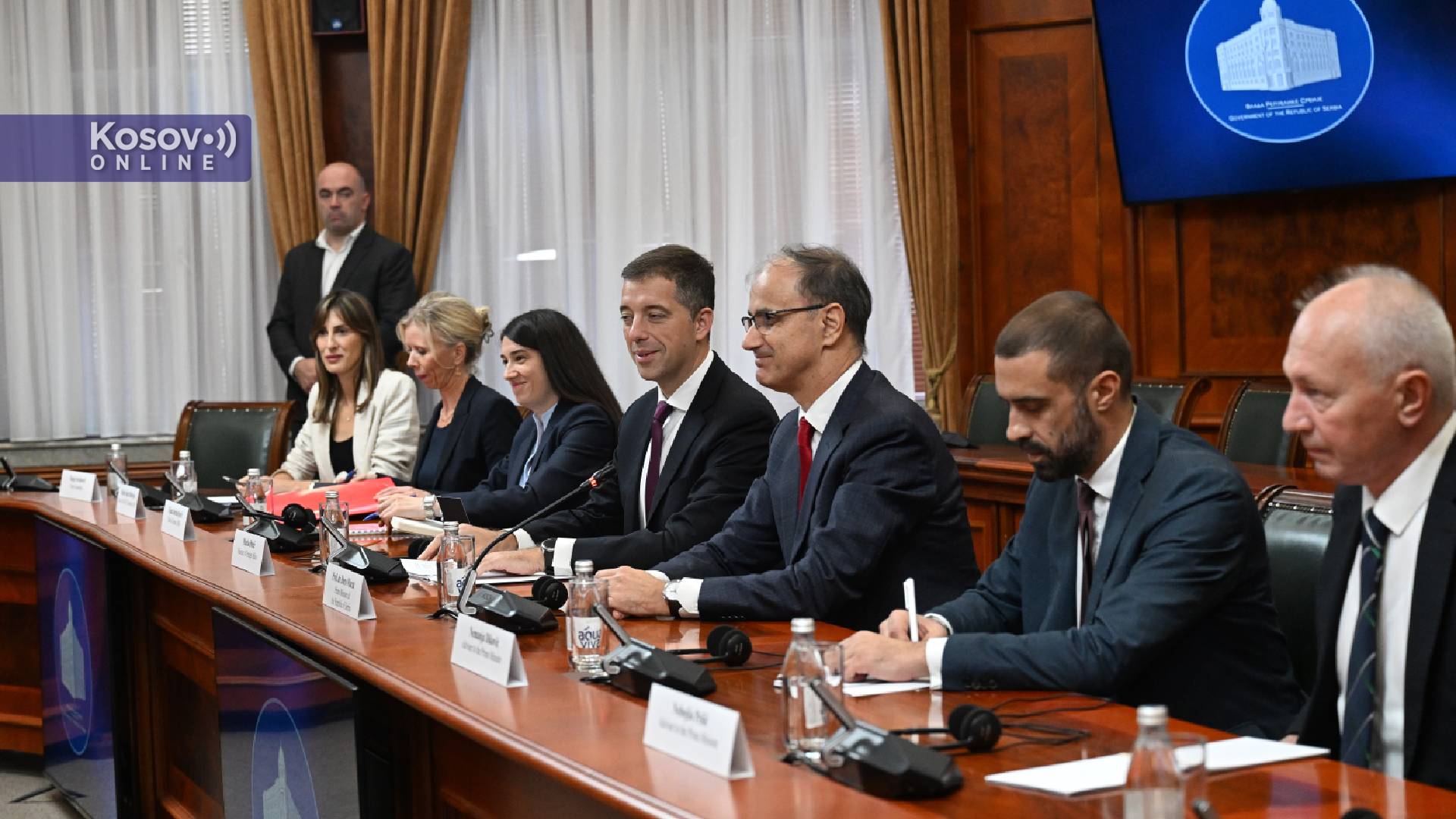
Serbia’s Minister of Foreign Affairs, Marko Djuric, met in Belgrade with the OSCE Chairperson-in-Office and Minister of Foreign Affairs of Finland, Elina Valtonen, with whom he discussed bilateral relations between the two countries as well as the difficult situation faced by members of the Serbian community and other non-majority communities in Kosovo.
After the meeting, Valtonen emphasized that today’s visit confirms that the OSCE remains strongly committed to engagement in the region and to developing a strong and lasting partnership with Serbia.
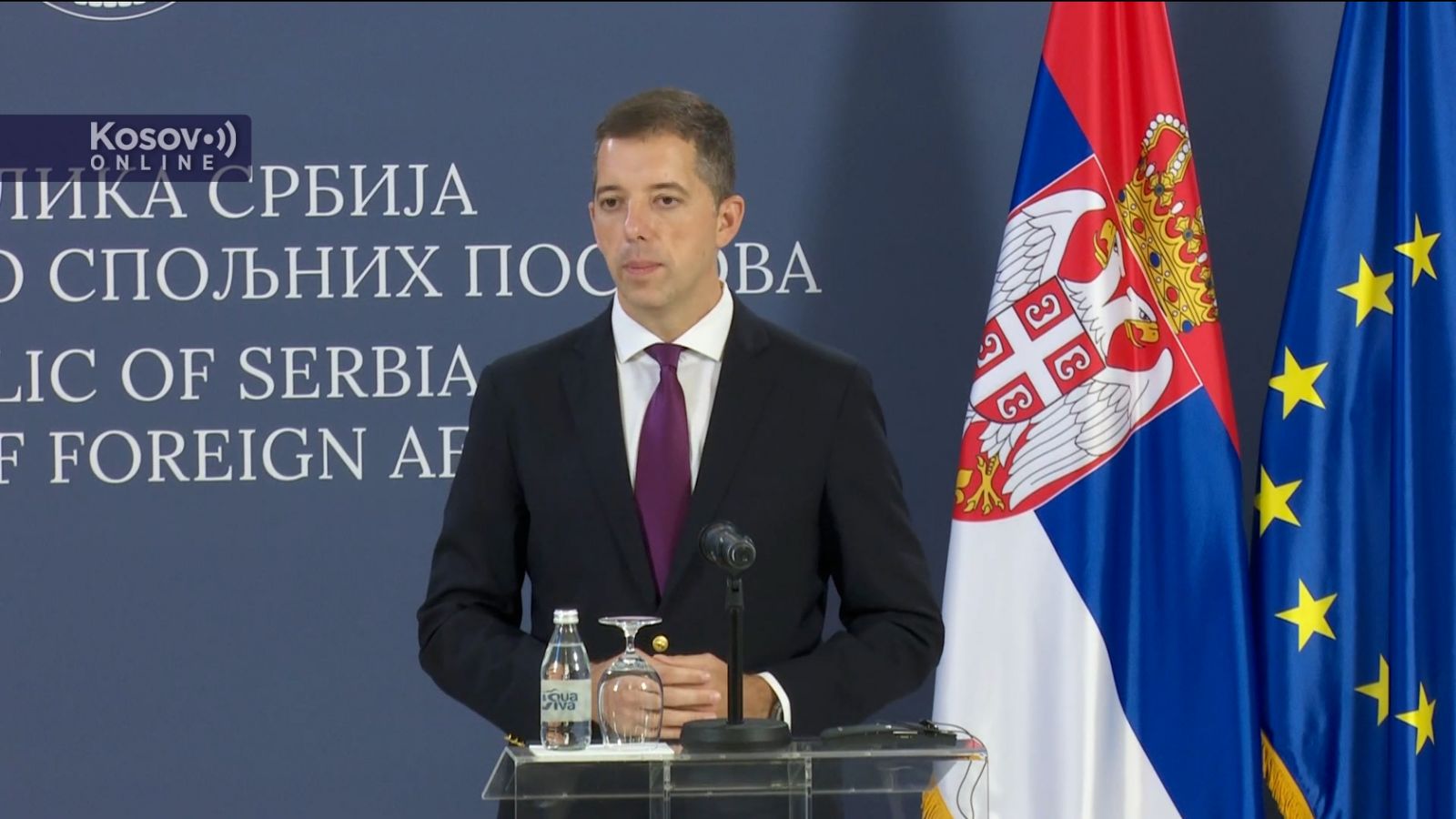
At the press conference with Valtonen, Djuric pointed out that Serbia is a country that firmly believes in the multilateral world order, the principles of international public law, and the founding acts of the OSCE. He conveyed that he had good discussions with the OSCE Chairperson aimed at encouraging the exchange of views between Serbia and the OSCE, as well as bilateral talks between Serbia and Finland.
“This visit confirmed our joint commitment to dialogue, cooperation, and building trust both in the region and beyond. The Helsinki Final Act was signed in 1975, with almost all European states, the U.S., and Canada participating in its drafting. It represented a major step forward in European security. That is why today we attach great importance to Finland’s efforts to revive and promote the principles of that Act. Serbia is deeply committed to preserving these principles, and we firmly believe that refraining from threats and the use of force is the foundation for preserving peace, overall prosperity, and progress. For the Republic of Serbia, the OSCE is one of the most important international forums in which we cooperate on an equal footing with other states and participants, and I remind you that in 2015 we also chaired the OSCE, demonstrating our willingness to contribute to the role of this organization,” Djuric stressed.
The Serbian foreign minister noted that the meeting with Valtonen was an opportunity to discuss both internal challenges and those Serbia faces in Kosovo.
“As for internal challenges, I reiterated our commitment and determination to resolve problems through democratic dialogue, using European democratic principles and standards. On the other hand, we also discussed the situation in Kosovo and Metohija, and I want to use this opportunity to thank the OSCE Mission in Kosovo and Metohija for its role. I informed my esteemed colleague about the difficult situation in which members of non-majority communities in Kosovo and Metohija find themselves, and I want to call on Serbs and all other members of different national communities to participate in the upcoming local elections. Exercising the right to vote is one of the most important democratic rights, and I think it is very important that everyone who wishes to do so is given the opportunity to exercise this right in a democratic manner,” the minister underlined.
Djuric also emphasized that he had discussed bilateral cooperation between Serbia and Finland with the OSCE Chairperson.
“Our two countries have excellent bilateral, economic, political, and other forms of cooperation. I believe we can learn a lot from Finland in the way they deal with contemporary educational issues and in how, in the modern era, the role of the education system in society evolves and adapts to new technologies and challenges. I also believe we can learn much from Finland in organizing systems when it comes to transparency, the fight against corruption, and many other topics. That is why I look forward to continuing our cooperation and dialogue, and once again I sincerely welcome my dear colleague and all the colleagues who came from Finland,” concluded the Serbian foreign minister.
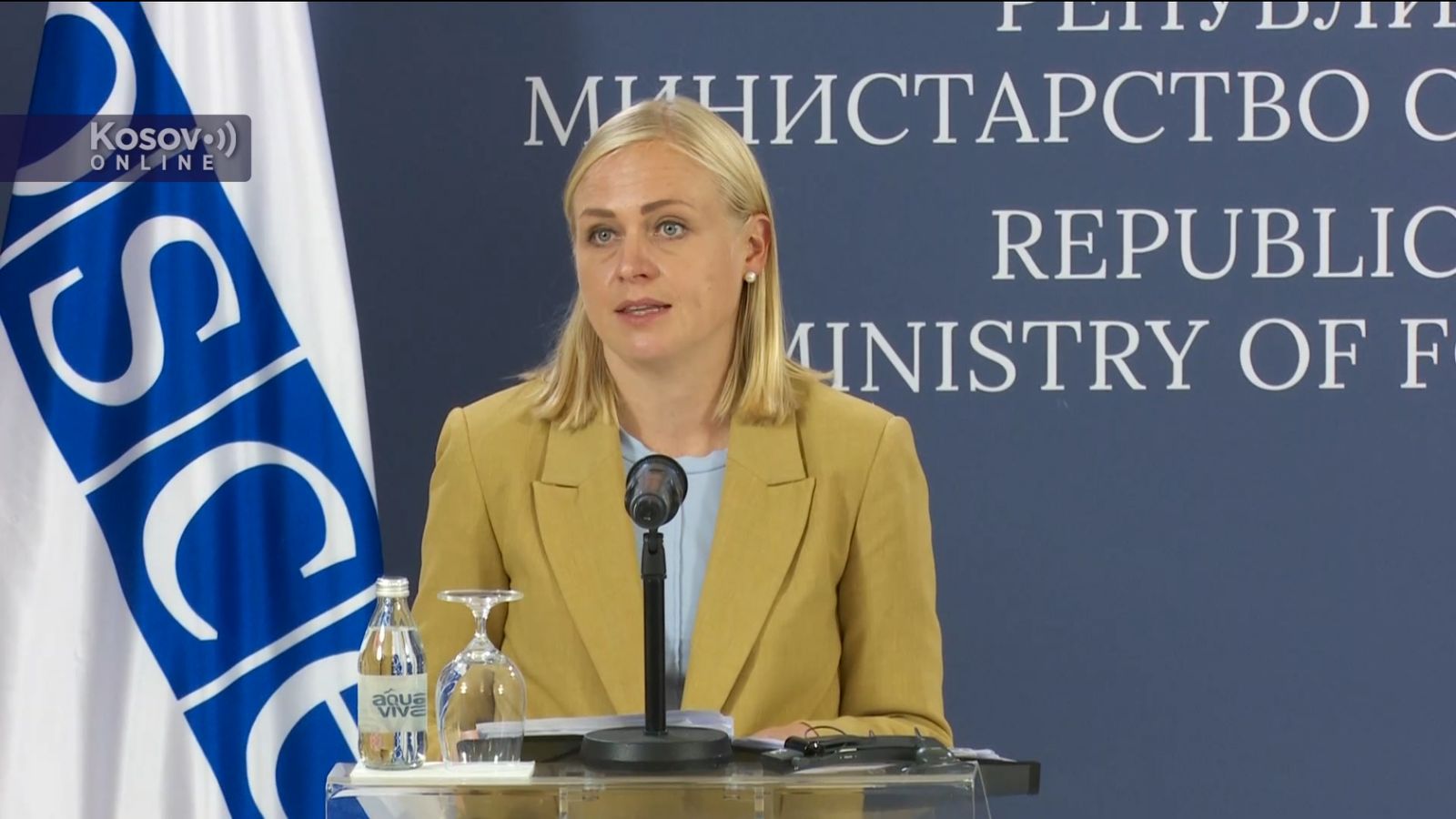
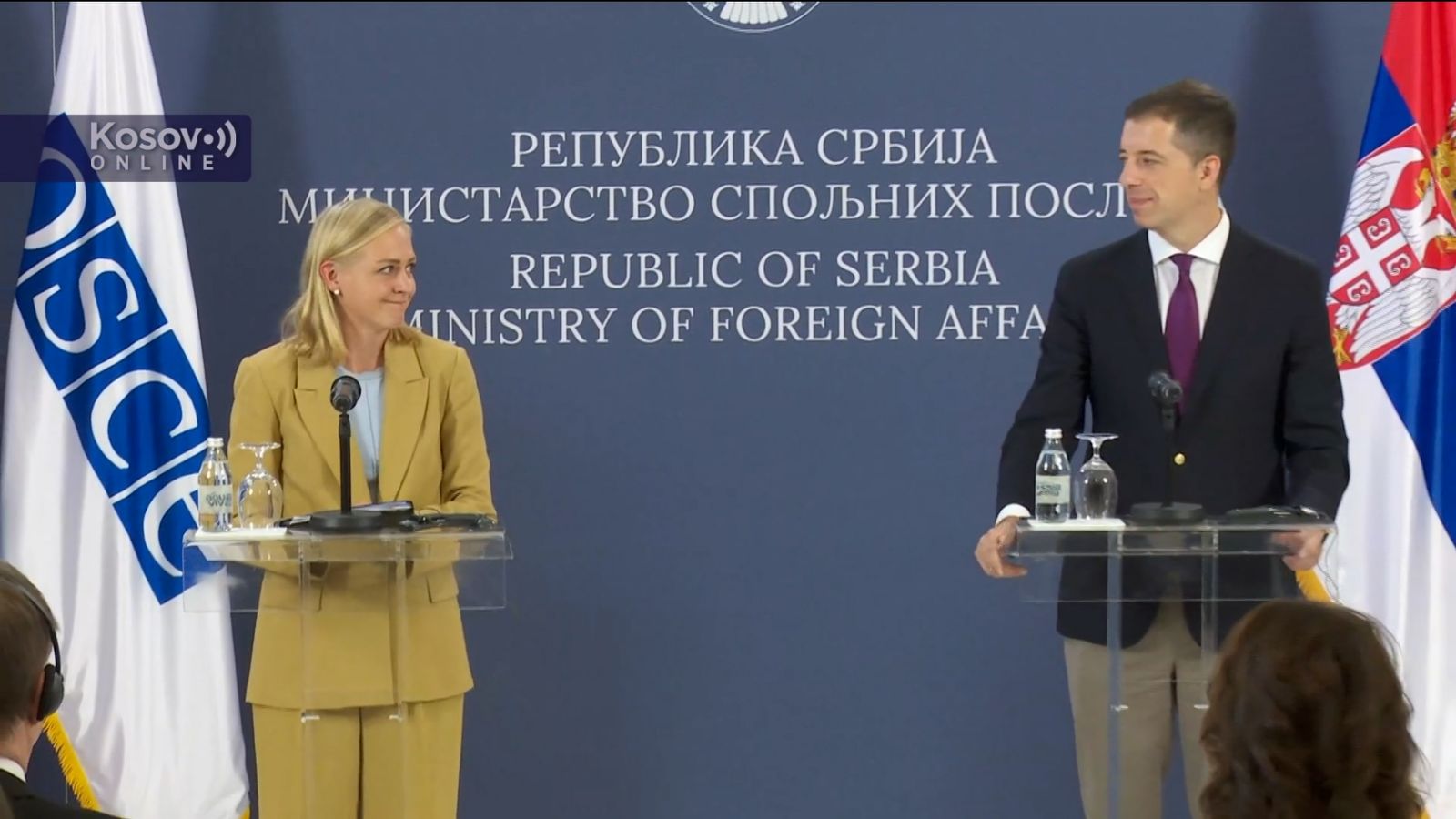
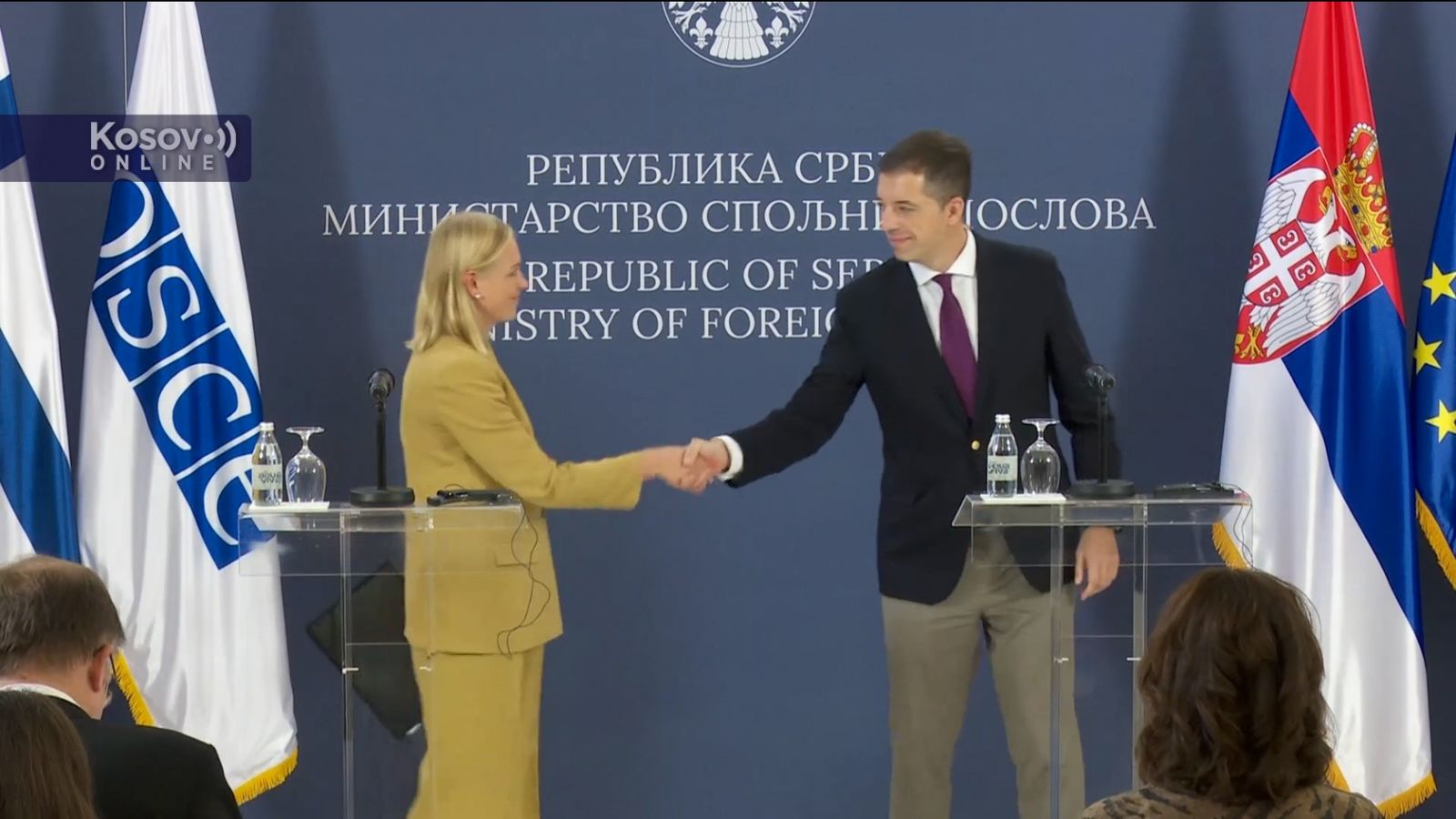


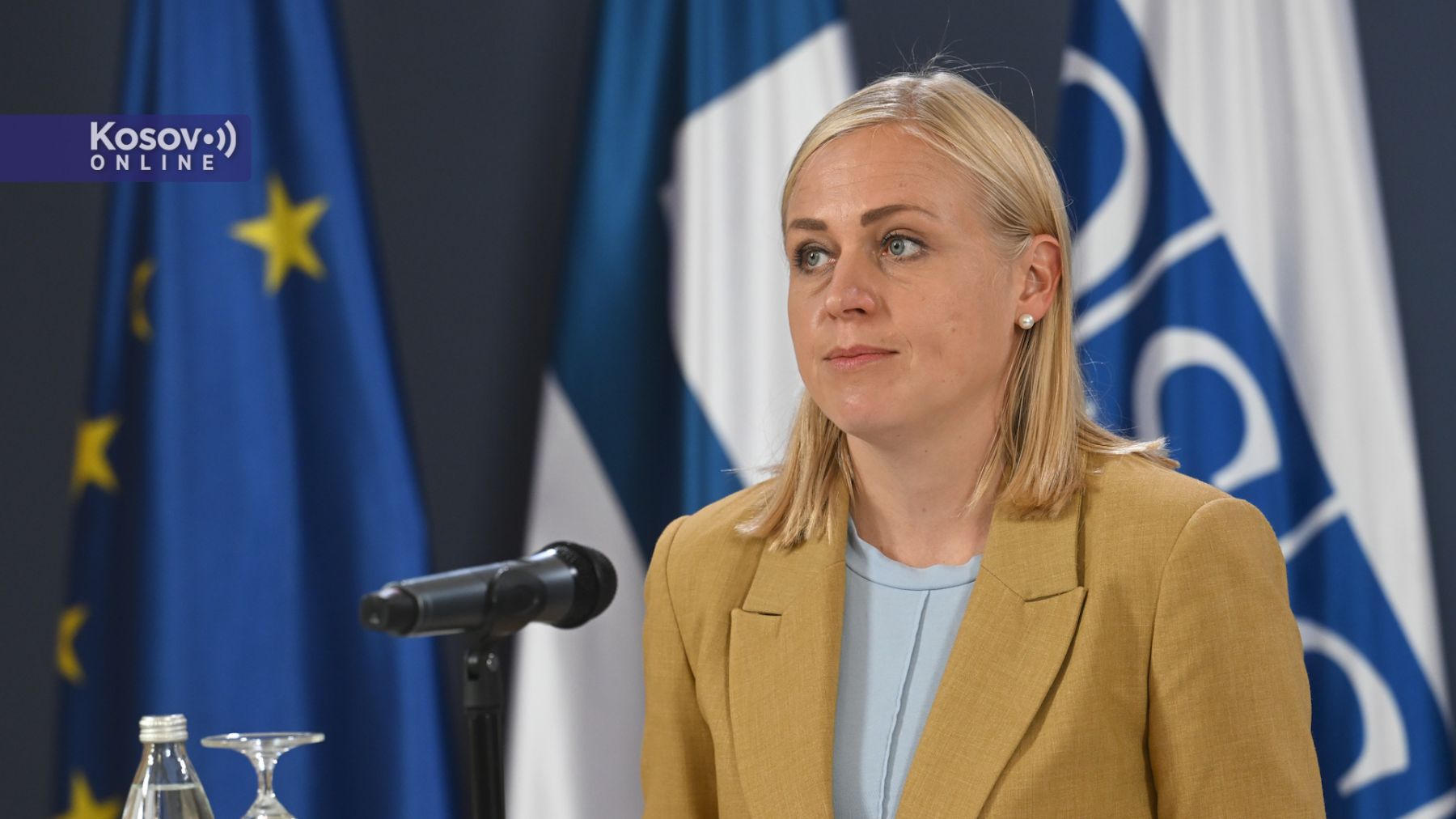
OSCE Chairperson-in-Office and Finnish Foreign Minister Elina Valtonen underlined that today’s visit confirms that the OSCE remains strongly committed to engagement in the region and to developing a strong and lasting partnership with Serbia.
“The OSCE’s activities in Serbia are aligned with the priorities defined by the Government and are carried out in partnership with Serbia’s institutions. We encourage the domestic authorities to fully utilize the expertise of the organization,” she said.
She added that democratization, free media, freedom of speech, rule of law, and human rights are key for the country’s reform path and remain central to the OSCE’s work.
“These are the areas of the OSCE Mission’s mandate in Serbia, but also obligations accepted by all participating states, including Serbia. These areas fully coincide with the priorities of Finland’s chairmanship, which include gender equality, the functioning of a free civil society, as well as efforts to improve the opportunities of youth and persons with disabilities to actively participate in OSCE work,” Valtonen stated.
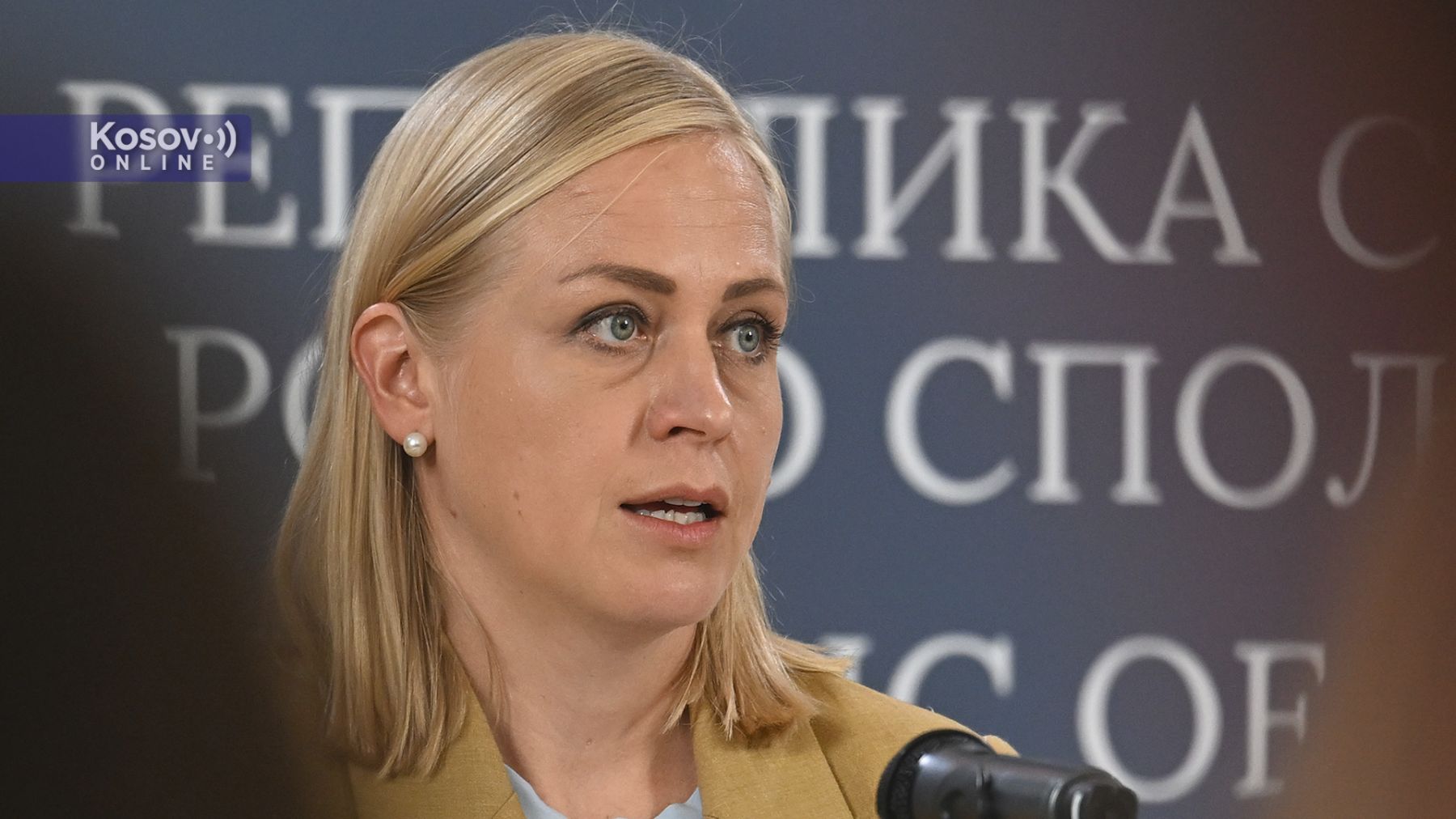


She emphasized that strong partnerships with the government, independent institutions, media, representatives of national minorities, the academic community, and civil society organizations are key to progress and achieving sustainable, long-term reforms and civic freedoms in Serbia.
“The OSCE Mission also has excellent cooperation with other missions in the region through joint projects and initiatives, such as youth networking, media literacy, and journalist exchanges. This is of great importance for regional progress and cooperation in the field of peace and security. As my colleague mentioned, respecting the OSCE principles set out in the Helsinki Final Act is an essential part of the OSCE’s work, as well as of Finland’s chairmanship. In July, we marked these ten principles in Helsinki. They serve as a reminder of what we can achieve through cooperation and trust, but also of what is at stake if we fail them,” Valtonen said.
She added that, unfortunately, Russia is violating “all these principles with its unlawful war of aggression against Ukraine.”
“Now, more than ever, our principles need defenders. We are following with concern recent reports of incidents during demonstrations in Serbia. It is important to calm tensions and avoid rhetoric that fuels division or confrontation,” she said.
She added that the OSCE Mission’s mandate is to help Serbia build strong, independent, accountable, and effective democratic institutions and to support the work of civil society.
“As Chairperson-in-Office, I am committed to advancing these goals and emphasized the importance of these principles in our talks with Serbia. We all have a responsibility to always protect the right to peaceful assembly and freedom of speech—fundamental rights. As OSCE Chairperson-in-Office, I stress the importance of the obligations arising from it. These principles relating to the rule of law and democracy also remain the goals of the Serbian Government. I believe there is a common path forward,” she said.
Finally, she highlighted the excellent bilateral relations between Serbia and Finland, noting that there is room for further deepening.
“I am pleased to note that there is growth in the area of trade. At the end of the day, all these reforms leading to less corruption, more rule of law, and full participation of all people in society will certainly also bring benefits in trade and investment. Finland is ready to continue this fruitful partnership,” Valtonen concluded.
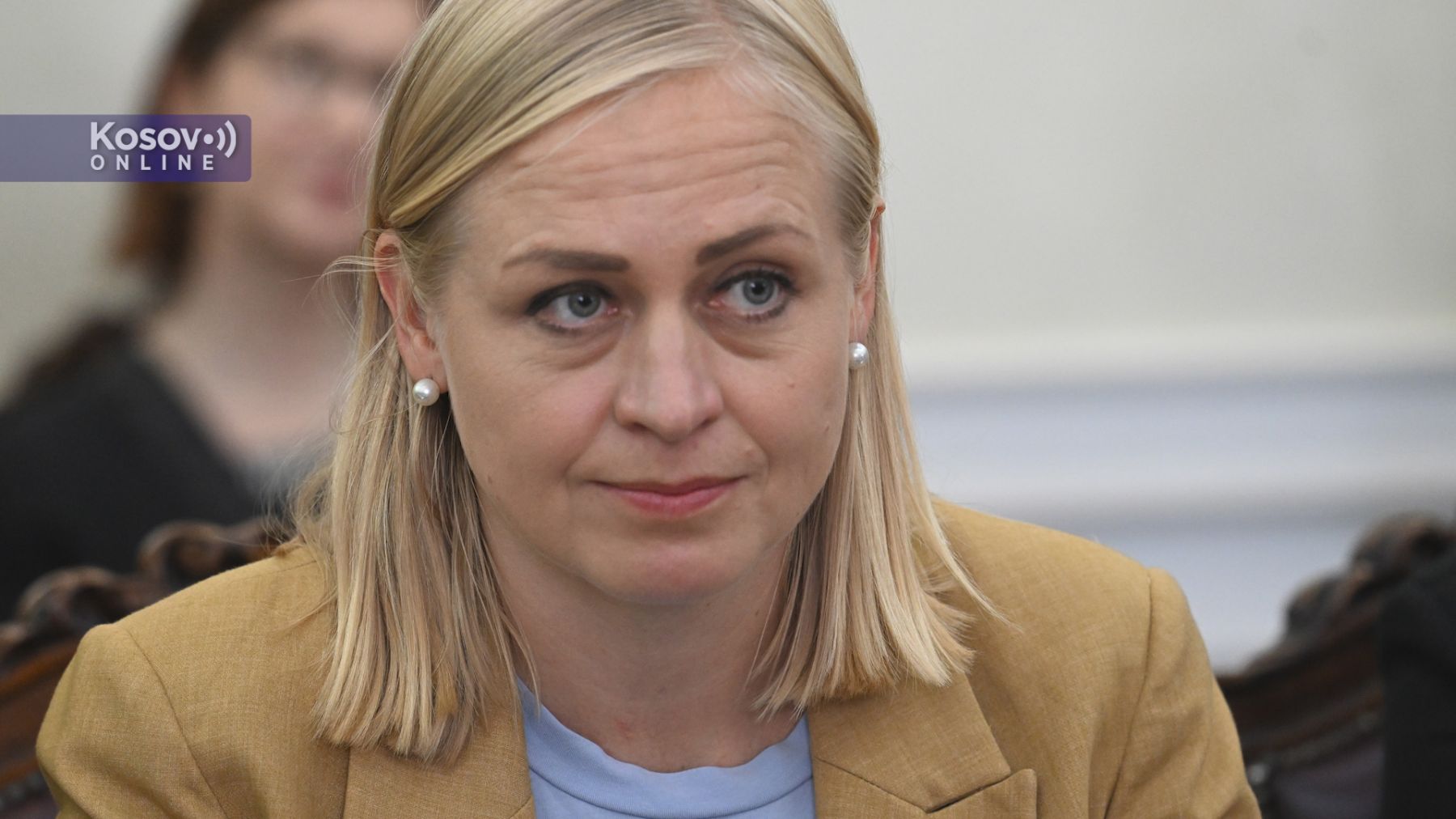
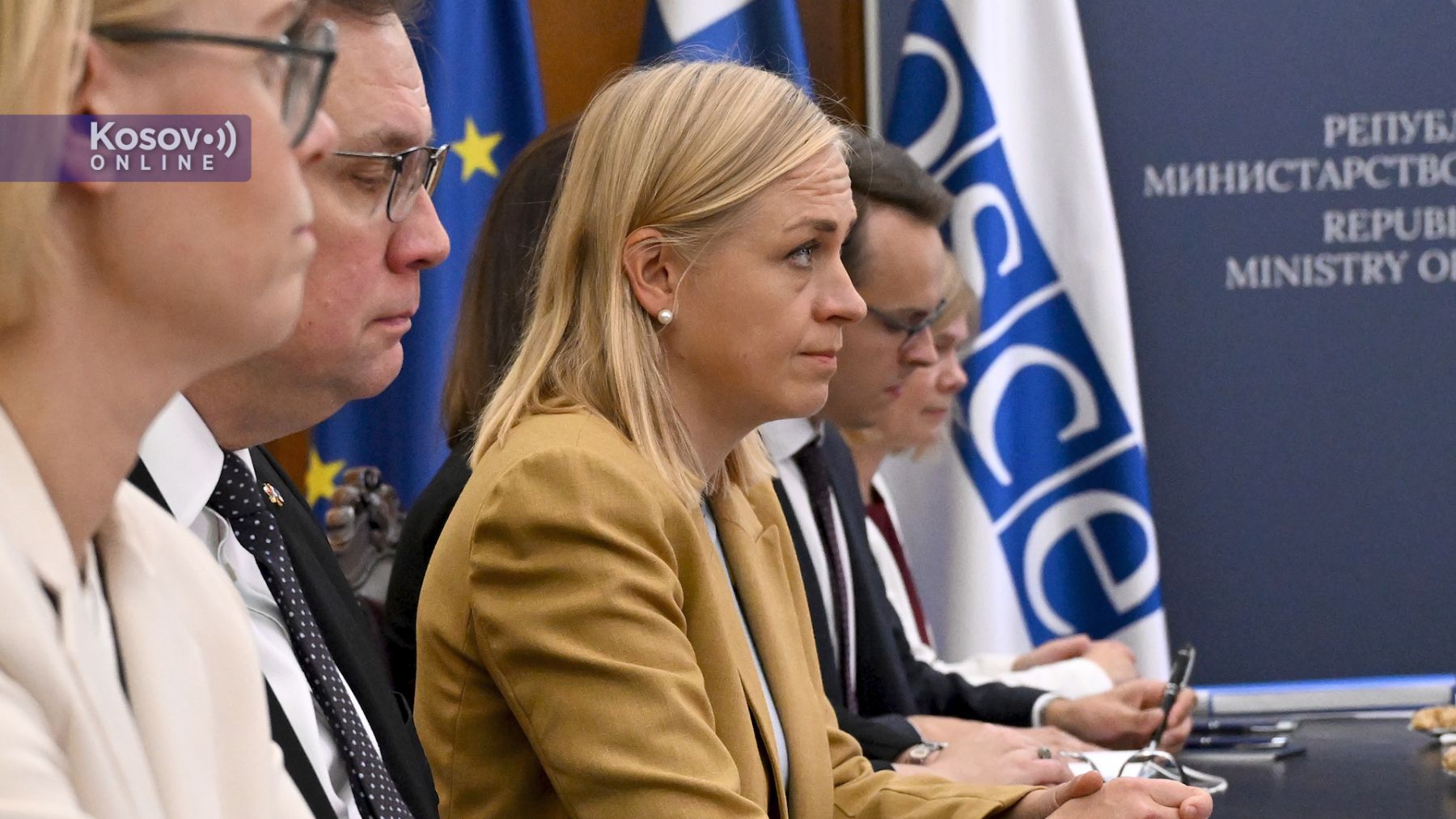


Valtonen also met today in Belgrade with the Prime Minister of the Republic of Serbia, Djuro Macut. The Prime Minister stressed that Serbia highly values the OSCE’s support in reform processes and on the country’s European path, especially in the areas of rule of law, human rights, and democracy.
Speaking about the situation in Kosovo, the Prime Minister warned about serious pressures and the denial of basic rights of Serbs in Kosovo, assessing that Pristina’s unilateral actions are causing deep concern for Serbia. He called on the international community and the OSCE to urgently ensure the protection of Serbs’ rights to prevent further violations and persecution.
The Prime Minister added that Serbia is establishing itself in the region as a reliable and predictable partner, committed to dialogue and resolving open issues in an equal and principled manner. Special emphasis was placed on improving the rights of national minorities and strengthening the institutional and legal framework in this area.
Valtonen, at the meeting with Macut, also praised Serbia’s cooperation with the OSCE and said that the organization will continue to support reforms and that the partnership with Serbia will be further strengthened through joint work on advancing democracy and human rights. During the talks, Serbia’s readiness to enhance cooperation with Finland in the fields of sustainable energy, green technologies, and education was also emphasized. The Prime Minister expressed interest in the Finnish educational model and proposed the establishment of direct cooperation and exchange of experiences between the competent ministries.




comments