
Djuric meets with Szijjártó: Serbia and Hungary on the right side of history

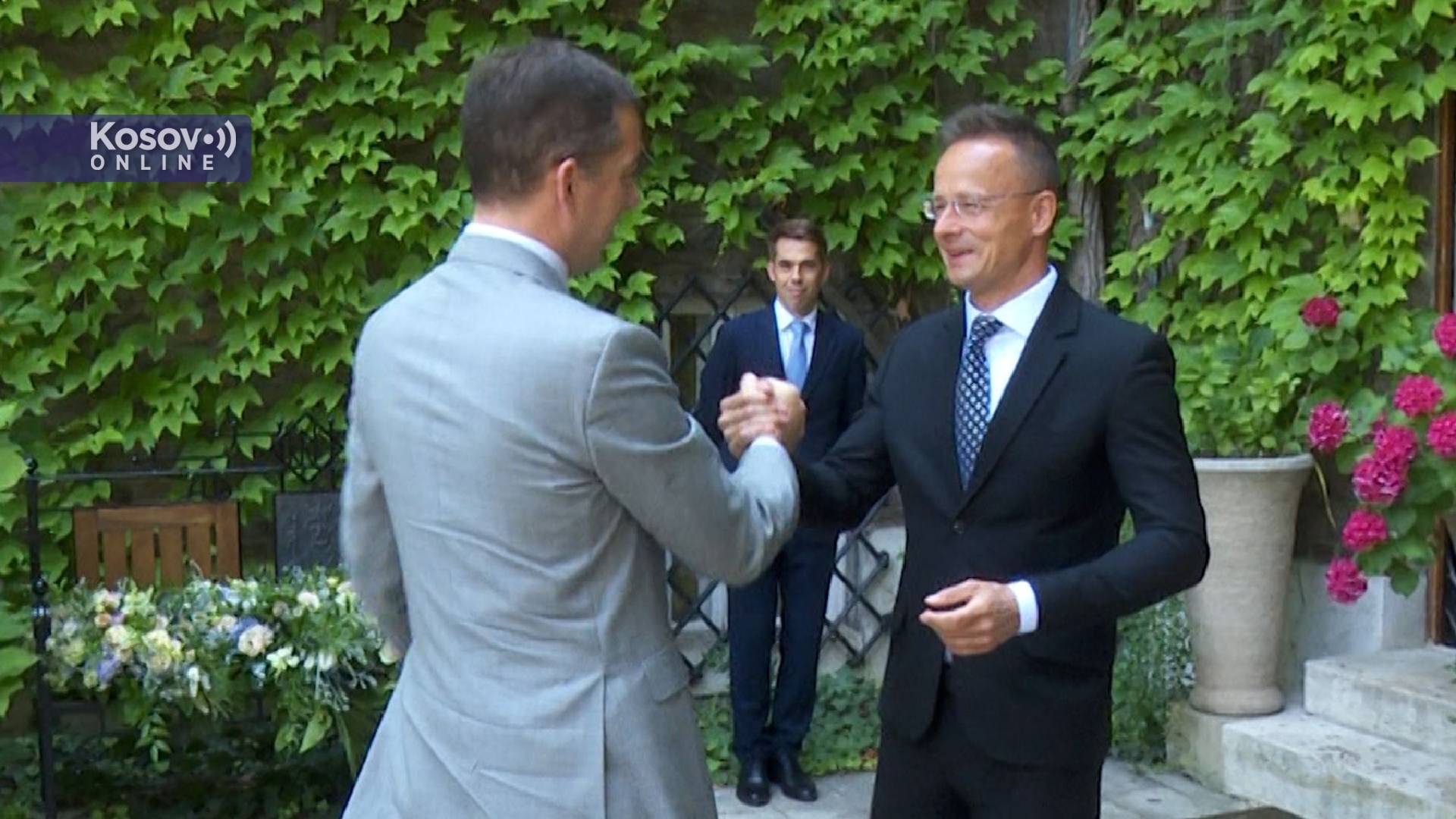
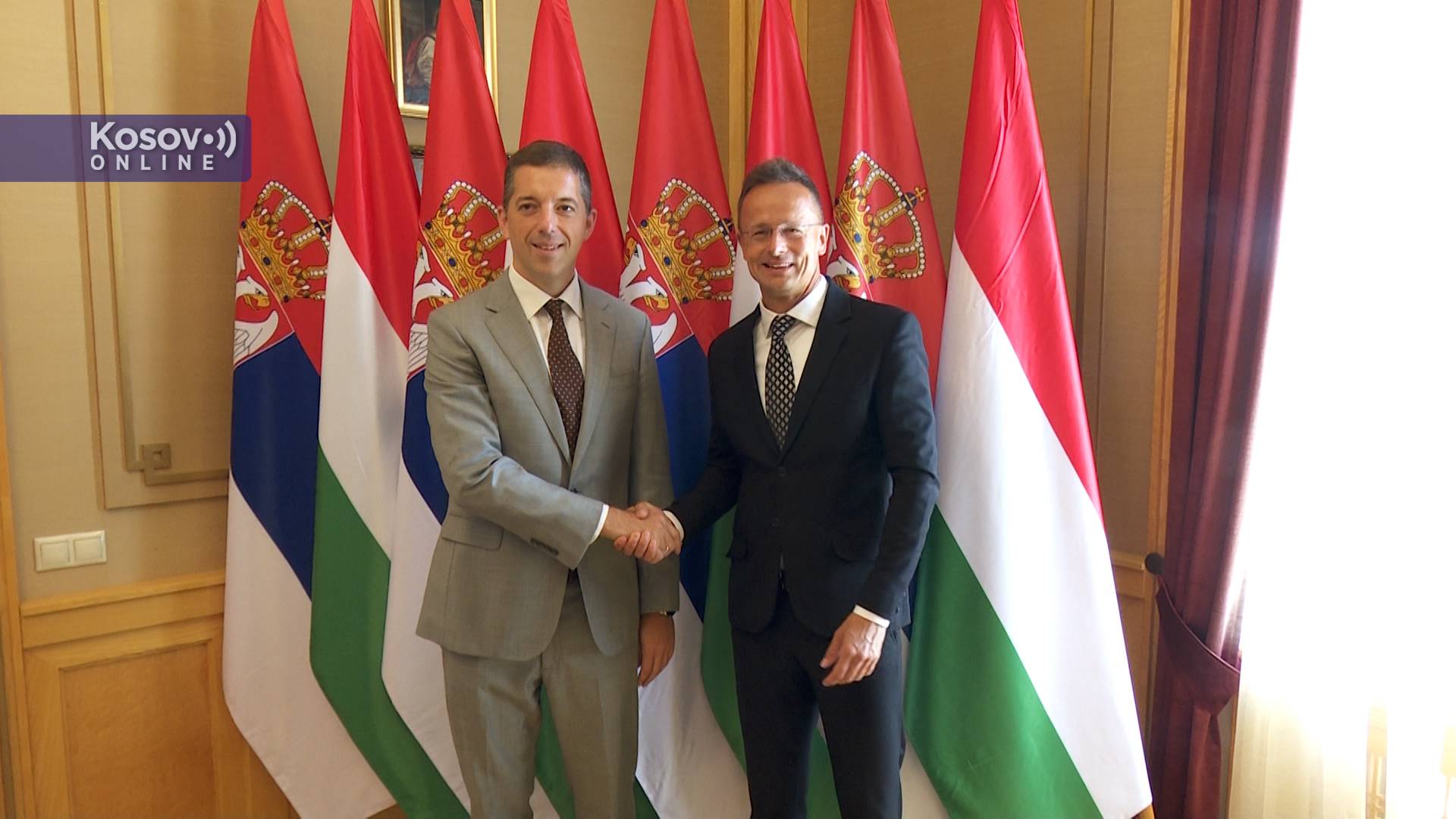
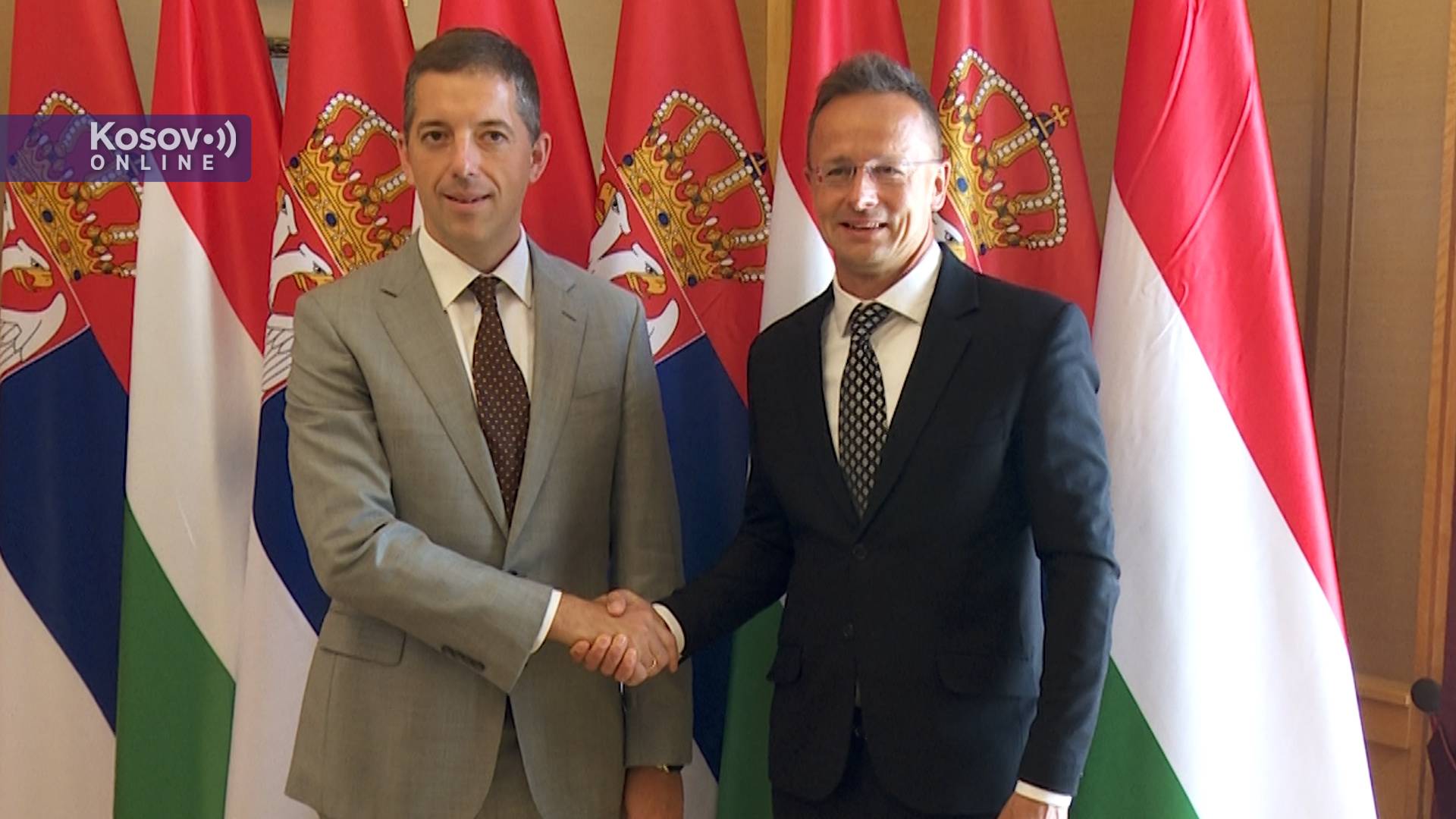
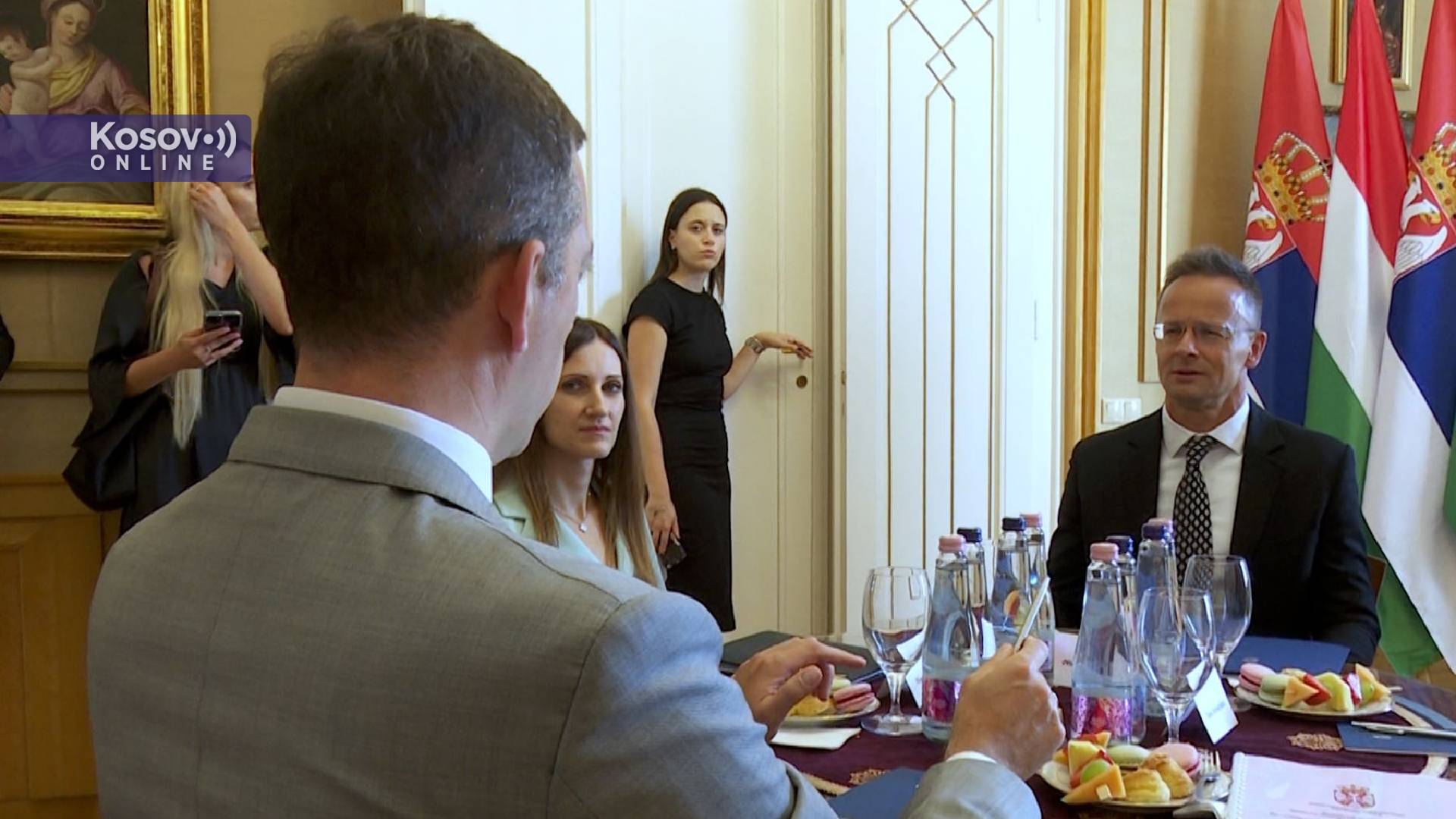
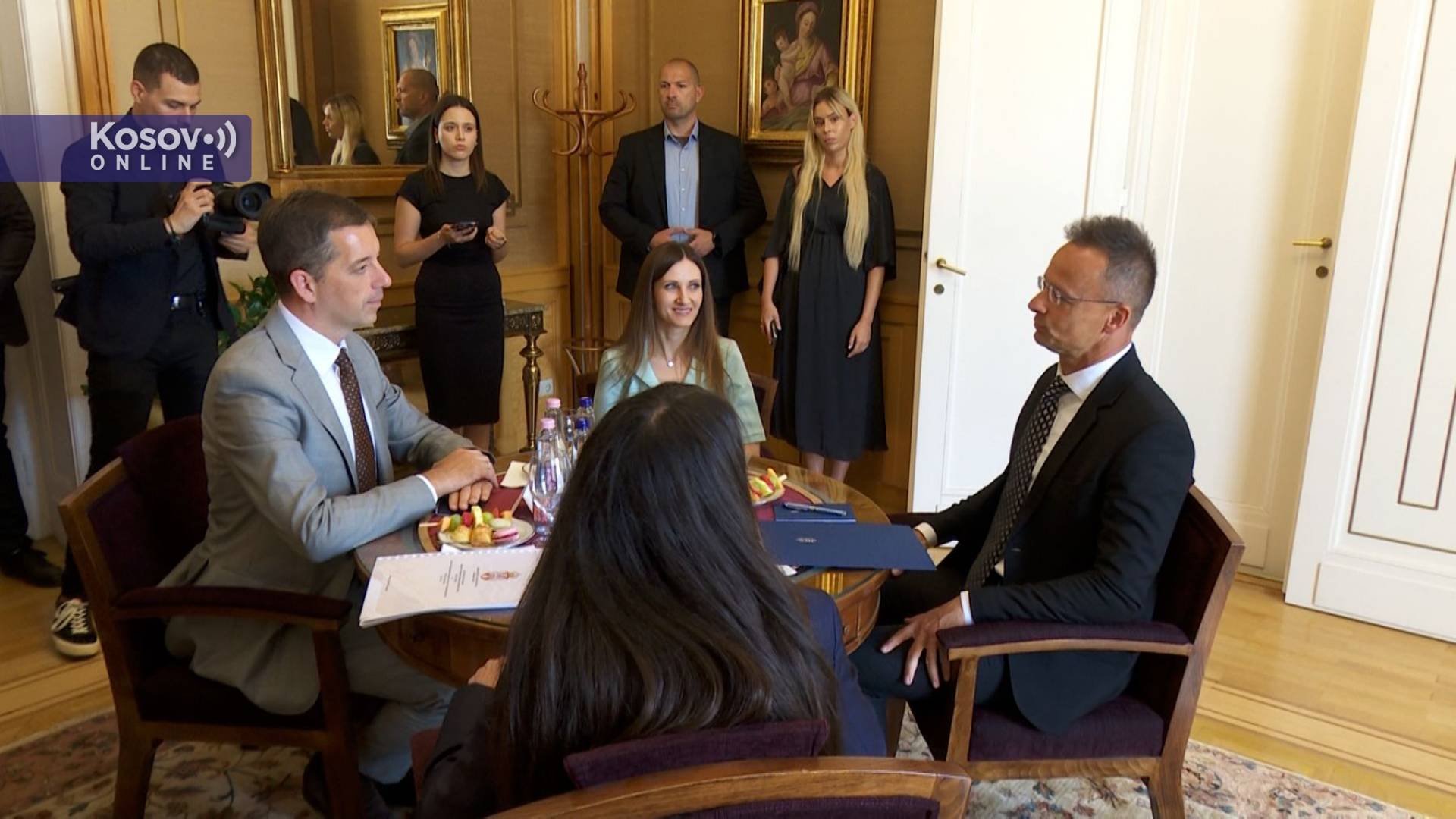
Following his meeting with Hungarian Foreign Minister Péter Szijjártó, Serbian Foreign Minister Marko Djuric stated that Hungary and Serbia are on the right side of history and on the side of protecting true democracy. Djuric emphasized Serbia's gratitude to its Hungarian friends for understanding the difficult position of Serbs in Kosovo and noted that Hungary, through its participation in the KFOR mission, contributes to the security of both the Serbian population and others.
Djuric said that the meeting with Szijjártó is one of many regular meetings held over the years and reflects the exceptional political, economic, energy, security, and cultural cooperation between the two countries, which he noted is growing year by year.
“It is a true blessing for Serbia to have such a good and friendly relationship with Hungary, a relationship established and greatly shaped by our leaders — President Aleksandar Vucic and Prime Minister Viktor Orbán. That is why today, from this place, I want to emphasize that we stand firmly shoulder to shoulder in opposing attempts to undermine the legitimately elected governments of Serbia and Hungary through foreign interference aimed at subverting the democratically expressed will of our peoples and redirecting it to serve centers of power located far beyond Belgrade and Budapest. In this sense, there are significant parallels between what we are witnessing on the streets of our capitals these days, and perhaps even more importantly, a strong parallel in the determination of our peoples and governments to protect the genuine democratic will of our citizens,” the Serbian minister declared.
He stressed that he can openly say that, contrary to claims and external pressures, Hungary and Serbia are precisely on the right side of history and of defending true democracy.
“Not the kind imposed through paid media or certain civil society organizations funded from abroad, aiming to illegally and through foreign interference replace democratically elected governments in both countries. So, full solidarity on this issue, because the same playbook is being used by these centers to attack both Serbia and Hungary. And of course, not by chance, the targets of these centers are Aleksandar Vucic as President of Serbia and Viktor Orbán as Prime Minister of Hungary. They will not succeed, and that is our message from here in Szeged,” Djuric emphasized.
He added that Serbia is grateful to Hungary for understanding the difficult situation of Serbs in Kosovo and that Hungary, through its KFOR mission involvement, contributes to the security of all residents in Kosovo.
“I am glad that Hungary and Serbia jointly support regional stability. I want to take this opportunity to inform my dear friend Péter about the persecution of Christians in Kosovo and Metohija — specifically, the persecution of Serbian Christian citizens who were not allowed to celebrate Vidovdan, an important national holiday for us, in a dignified manner. This goes against European values and obligations, and other human rights are not being respected. We hope this situation will change and that the international community and European institutions will take more active steps in that direction,” Djuric said.
The Serbian minister emphasized that, thanks to cooperation between the two countries, Serbia's energy security is better today than in previous years and stated that it will continue to improve thanks to the fact that Hungary is a reliable partner in natural gas storage.
“We are actively working on building new oil pipelines connecting our two countries, new gas pipelines that will also link us, and an energy corridor to better interconnect our electricity networks — creating a backbone of energy security in our region, which will ultimately benefit all our citizens and our economy as a whole. I must say we have very dynamic cooperation in developing transportation infrastructure as well. In the upcoming period, we aim to accelerate all processes to ensure the free flow of goods, people, capital, and services, to make border crossings easier, and to establish better railway and road connections. This is both our responsibility and our strong shared desire,” he stated.
Djuric expressed appreciation for Hungary’s support for Serbia and the entire region regarding EU membership.
“When it comes to that, we have nothing to be ashamed of or reserved about, because our economy is currently stronger than some of the economies of countries that joined the EU more than 15 years ago. We are not going to Brussels with our hands out asking for favors — we’re going because we can contribute to the development and growth of the European economy, we can contribute to European security, and naturally, we expect an equal seat at the table, just like all other European countries,” Djuric emphasized.
The Hungarian foreign minister pointed out that Brussels today "no longer hesitates to use some very serious and inconvenient tools in our region."
“We see that there are externally controlled efforts to overthrow governments in Central European countries — where governments in power are those that defend their national sovereignty. And we know that both in Hungary and Serbia, the governments work in the interest of their own countries’ sovereignty. It’s clear that actions are being organized to overthrow those governments, financed and supported from abroad. In this context, cooperation between Hungary and Serbia becomes even more important. We see that Brussels is preparing to push through Zelensky’s plan by any means — namely, to jeopardize energy supplies to Hungary and Serbia. That’s why we must strengthen our energy cooperation, as neither Serbia nor Hungary is willing to give up affordable Russian gas and oil,” he said.
Szijjártó added that Hungary is striving to fully utilize the TurkStream gas pipeline, which runs through Serbia, on a daily basis.
“Today we receive more than 21 million cubic meters of gas, and Serbia has started preparing for winter supply, meaning that more than one million cubic meters of gas are already being stored daily. Moreover, Serbia and Hungary are building a new oil pipeline with a capacity of five million tons per year, which should significantly improve oil supply security for the entire region. However, Brussels wants to support Ukraine in a way that jeopardizes our energy supply, and it’s simply impossible for us to accept energy prices that are four or five times higher,” the Hungarian minister said.
He noted another area where “Brussels is trying to implement its agenda,” which is the accelerated accession of Ukraine to the EU.
“The Hungarian people have expressed their stance against this in a referendum, and despite that, Brussels continues to pressure us. We will defend Hungary’s national interest — we will respect the will of the Hungarian people, and we do not want Ukraine to join the EU through an expedited process, as that would endanger both the European economy and security. However, we do support the accelerated enlargement of the EU to include the Western Balkans, which would give new momentum to the EU and strengthen its security. I don’t think there’s a rational person in the world today who believes Ukraine is in a better state than Serbia, nor anyone who would think that the EU should first admit countries in a poor condition and only then those who are more advanced. Our interest lies in enlargement toward the Western Balkans, not toward Ukraine. Serbia applied for EU membership 16 years ago. For the past four years, the European Commission has proposed opening new negotiation chapters, but some EU members refuse to allow it,” Szijjártó concluded.
He reiterated that Hungary opposes the start of negotiations with Ukraine and found it interesting that the countries opposing talks with Serbia are the same ones supporting talks with Ukraine.





0 comments