
Djuric: Serbia recognizes no barriers to cooperation – Partnership with the U.S. and Israel is a partnership for the future
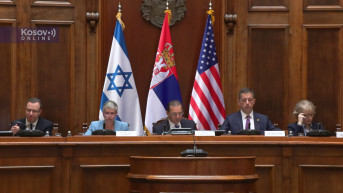
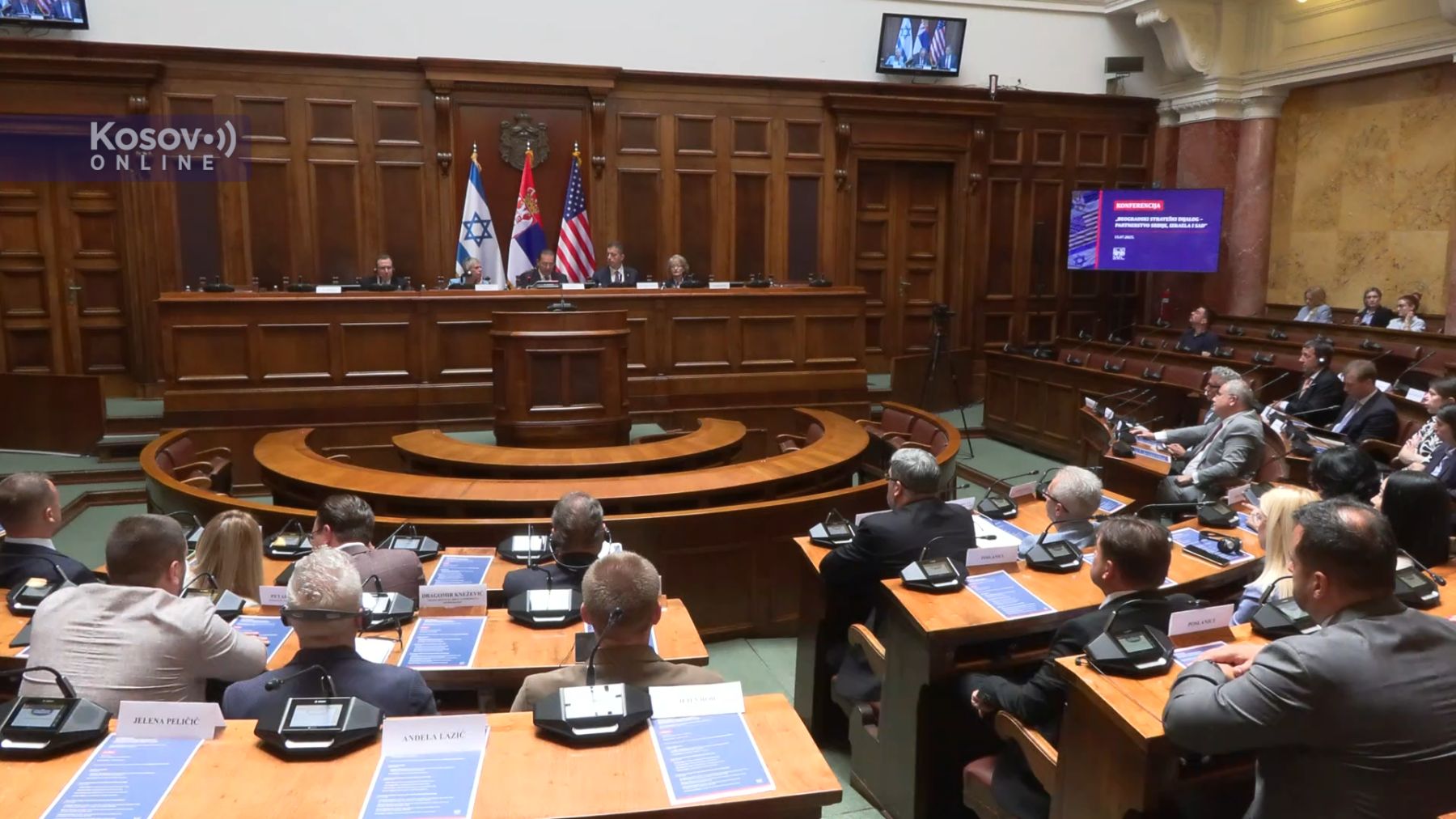
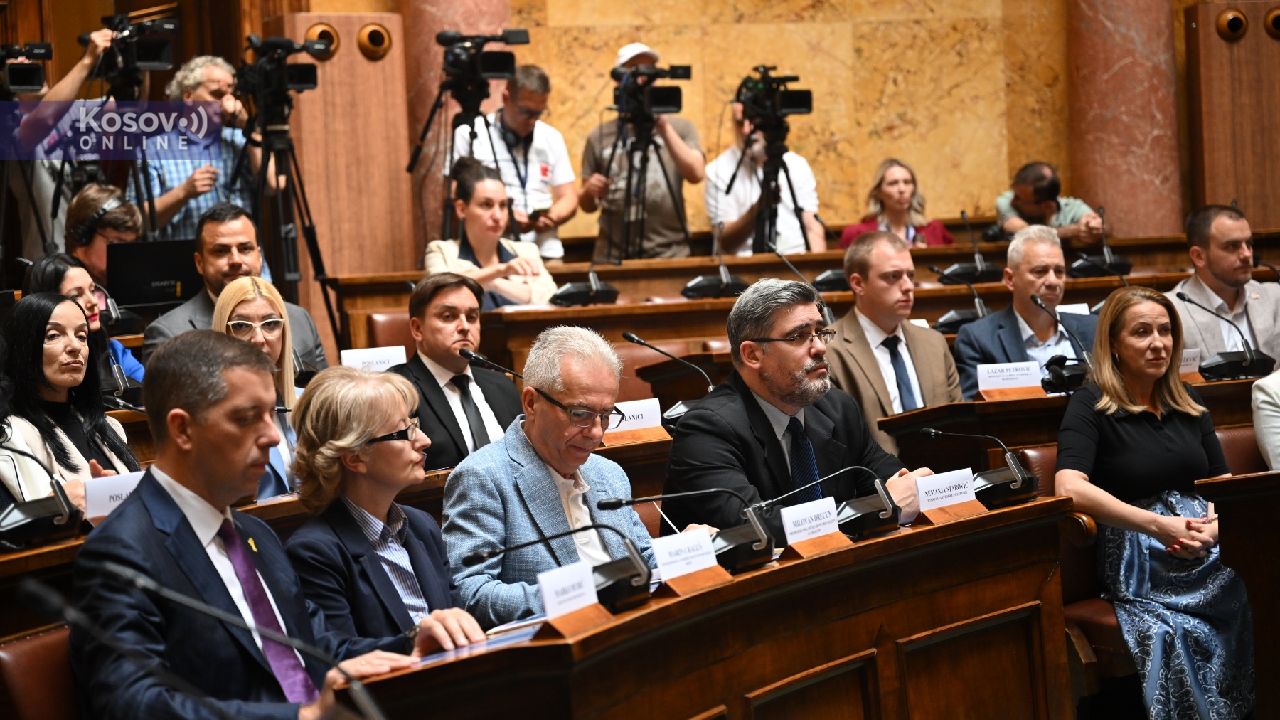
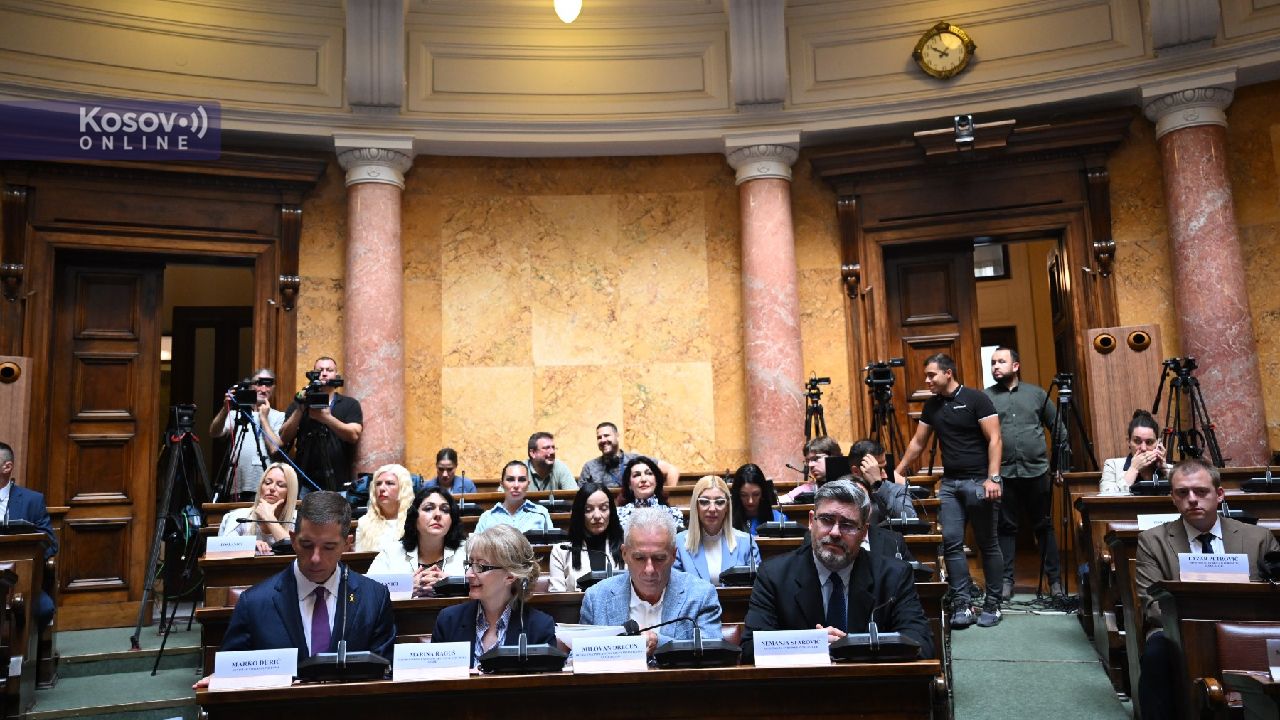
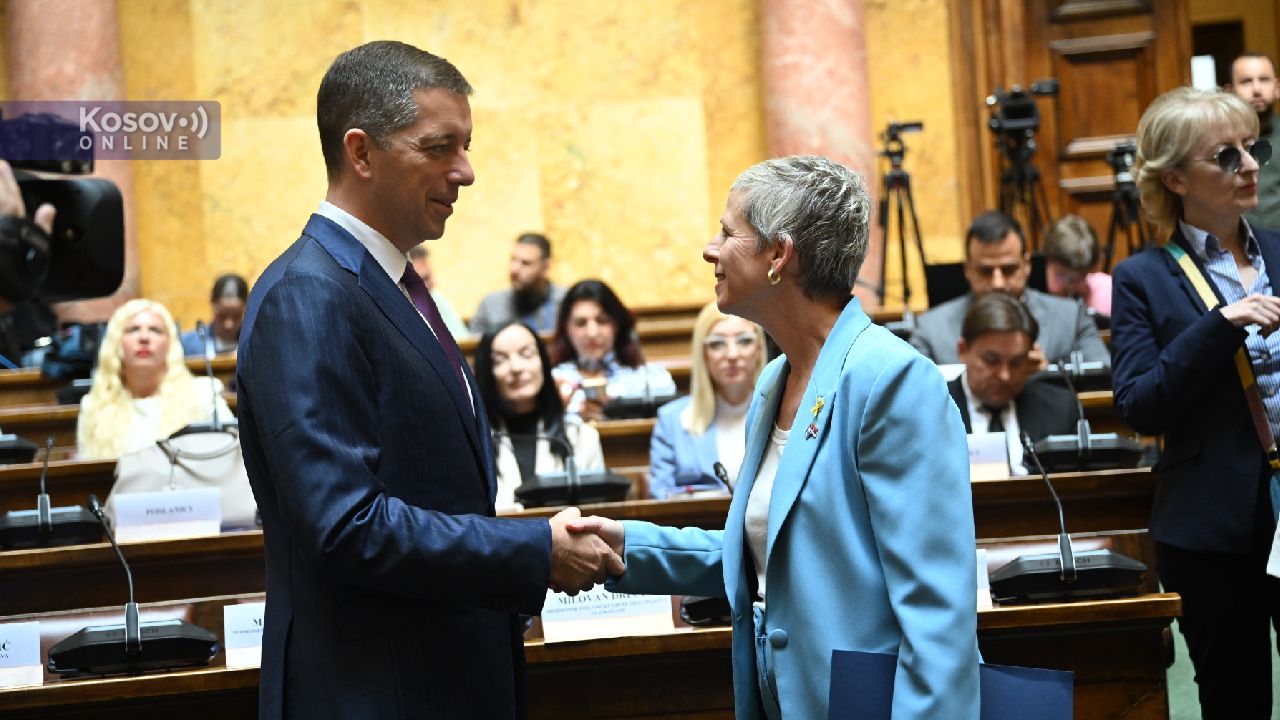
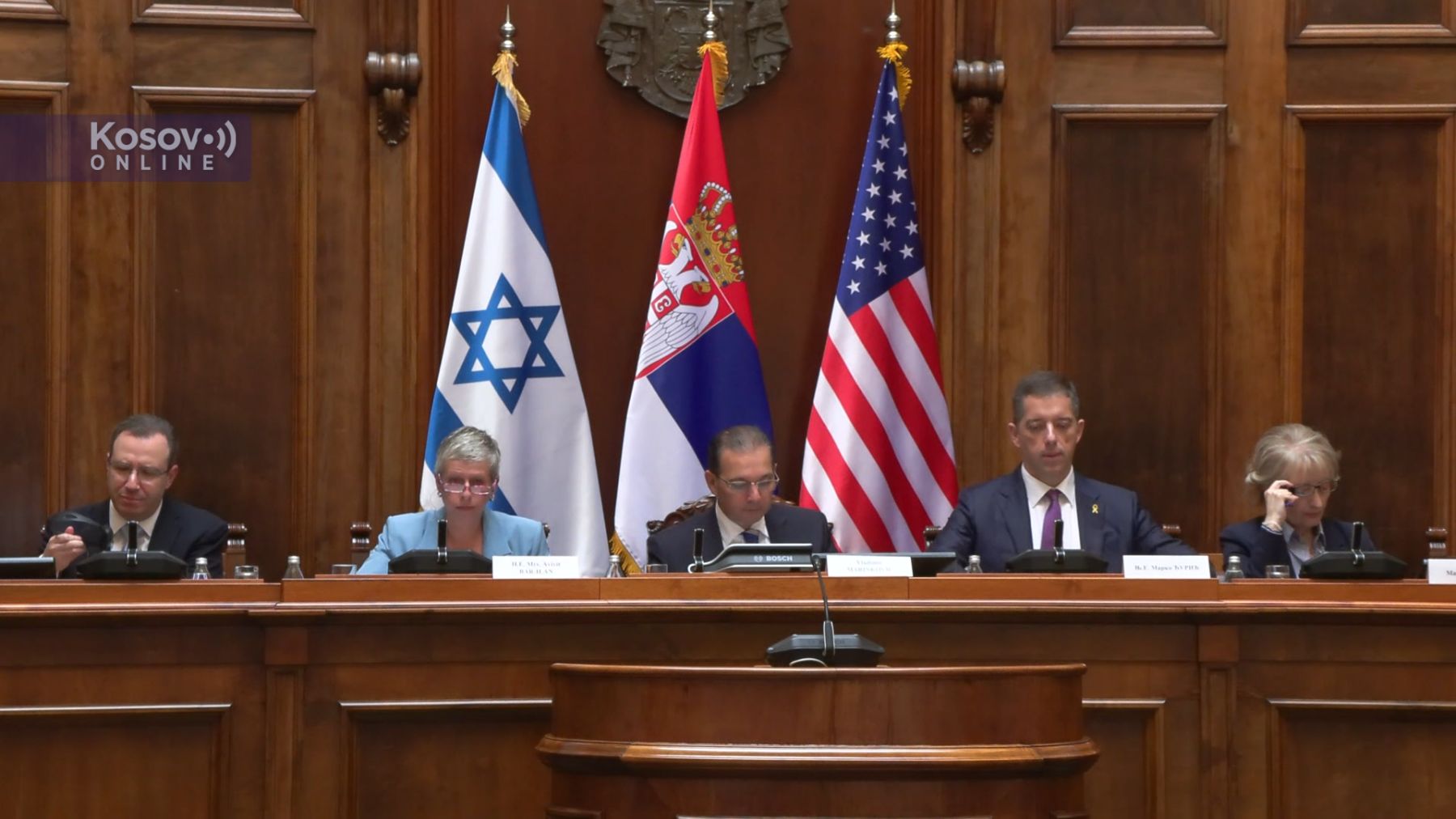
Serbia’s balanced foreign policy means the country is uniquely positioned and does not recognize barriers to cooperation, stated Serbian Foreign Minister Marko Djuric at the “Belgrade Strategic Dialogue – Serbia, Israel, and U.S. Partnership” conference. He emphasized that the partnership among Serbia, Israel, and the United States is a partnership for the future.
According to him, this partnership can benefit many areas, from the economy and security to the broader population.
“I deeply believe that this form of cooperation is historically well-founded. The partnership between the Serbian and Jewish people has lasted for centuries,” Djuric noted at the event organized by the Congress of Serbian-American Friendship (CSAP).
He recalled that Serbia was the first country in the world to recognize the Balfour Declaration and the right of the State of Israel to exist, adding that this friendship and partnership has withstood the test of time.
“We have always faced threats and challenges from the same circles that saw the freedom-loving spirit of our two peoples as a threat, and unfortunately, did not hesitate to oppose it by committing heinous crimes,” said Djuric.
He emphasized the strong will in Serbia to deepen relations with Israel and the United States, highlighting numerous high-level meetings in recent years.
“Serbia’s balanced foreign policy means we are uniquely positioned and do not recognize barriers to cooperation. This represents a huge opportunity for the business community,” he stressed.
Regarding relations with the United States, Djuric underlined that a new chapter in cooperation is opening.
“In the coming months, I expect the formal launch of the first session of the Strategic Dialogue, which will cover all key areas of cooperation – from the economy, where the U.S. has become Serbia’s primary partner in modern technologies that have driven our country's rapid development, to energy, where we signed a strategic partnership, and defense, where there is great potential, especially considering Serbia's active role in international peacekeeping missions. Few know that Serbia is the third country in Europe by the number of participants in multilateral missions,” Djuric explained.
He added that partnership with the U.S. could further strengthen Serbia’s defense capacities.
Meetings such as this conference, he said, send a broader message to the international community that countries sharing common values, even after difficult historical periods, have every reason to build a future based on mutual interest and people-to-people partnerships.
“I’m proud to always point out to representatives of Jewish organizations that I come from a country whose president initiated the first law on the restitution of property to Holocaust victims with no heirs. Serbia thus led the way in correcting a historical injustice and demonstrated continuity with the tradition of saving Jews during World War II. We hope our efforts will be recognized and reciprocated through mutual support,” Djuric stated.
He also reminded the audience of “the 648 days that Israeli-Serbian citizen Alon Ohel has been imprisoned by Hamas, chained in a basement, seriously wounded and ill.”
“A man who hasn’t seen daylight, who’s received no medical help. I use this opportunity to make a public appeal to those holding him to release Alon and let him and the other hostages return home. He was not a soldier, and both he and his family are pleading for peace. It’s time for all hostages to return home,” Djuric underscored.
He concluded that the panel had shown the importance of strategic dialogue, including sensitive topics from recent history that relate to vital geopolitical interests of all parties involved.
“I am convinced this can be an excellent opportunity to align and bring closer our positions on many issues. Our partnership is clearly future-oriented. There are aspects of the past we must understand — though we can’t retroactively change them, we can shape the future. Through this partnership, we can concretely address issues such as the position of our people in Kosovo and Metohija,” he explained.
Djuric said he looks to the future of this partnership with great optimism, not least because the key players have changed over the past 35 years.
“It is important to draw lessons from the past to prevent dark moments from repeating. It is important to refresh the image of Serbia in the international community — Serbia that has, in just over a decade, attracted more than 65% of all foreign investment in the region, that plays a key role in preserving peace and stability despite having the most neighbors in Europe after Germany. Serbia has found the right approach to current geopolitical turbulence and is a cornerstone of defending the UN Charter. At every forum, we remind the world we are marking 80 years since the signing of the UN Charter,” he said.
He recalled that while he served as Serbia’s ambassador to the United States, he liked to emphasize the historical continuity of revolutions — the American Revolution in 1776, which was anti-colonial and anti-feudalist; the French Revolution a decade and a half later; and the Serbian Revolution of 1804, which led to the adoption of the Sretenje Constitution — one of the most progressive at the time, guaranteeing freedom of expression, speech, and citizen participation in governance, though ultimately suppressed by the Great Powers.
“That spirit of freedom, democracy, equality, and the rule of law exists in the Serbian, Jewish, and American peoples. That’s one reason I believe we have many foundations for building a shared future,” Djuric concluded.
Ambassador Bar-Ilan: We Value Serbia’s True Friendship – the People of Israel Will Not Forget
Israeli Ambassador to Serbia Avivit Bar-Ilan noted that the United States is a strong strategic partner to both Serbia and Israel, emphasizing that “this robust alliance is stronger than ever,” particularly evident three weeks ago in the fight “against the axis of evil and Iran’s nuclear threat.”
She expressed special thanks to Minister Djuric for mentioning Alon Ohel, the young man kidnapped by Hamas.
“Thank you for calling for his release and safe return home. We appreciate the efforts of the U.S. administration to free all the hostages,” said the ambassador.
She underscored that the Serbia–U.S.–Israel partnership is natural.
“Our trilateral partnership and dialogue are natural. We share common values, interests, history, and destiny. That unites us,” said the Israeli ambassador.
She stated that since the war against Hamas began more than 640 days ago, Serbian-Israeli friendship has been expressed in many ways, and the people of Israel are grateful to Serbia for standing with them during one of the hardest times in the country’s history.
“We truly appreciate that, and thank you for your commitment to Israel’s security and for your genuine friendship, which has stood out in many ways since October 7, 2023. The people of Israel will never forget it,” Bar-Ilan said.
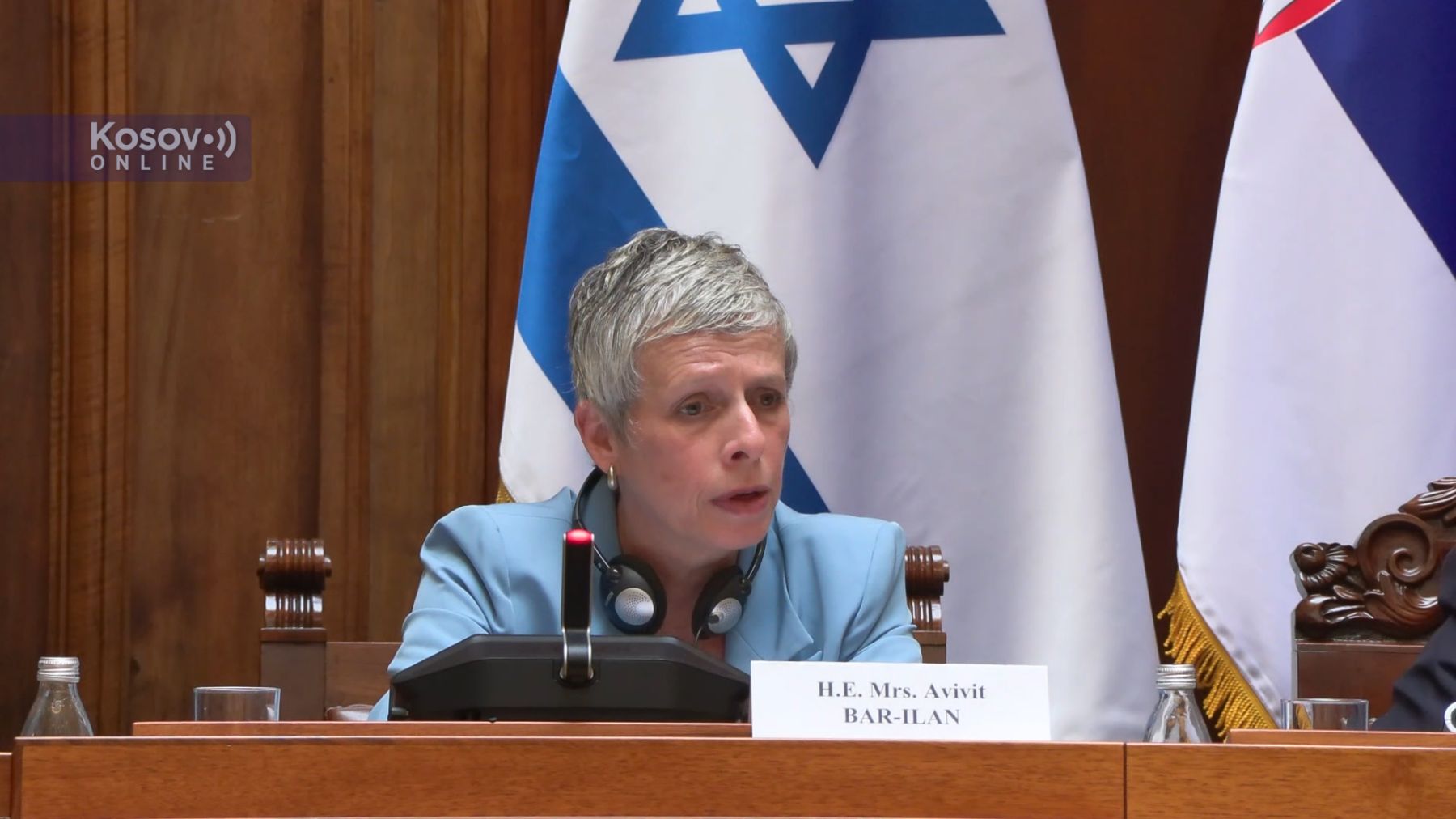
She noted that since her arrival in Belgrade, she has witnessed three bilateral visits — the President of Israel Isaac Herzog’s visit to Serbia, Serbian Foreign Minister Marko Djuric’s visit to Israel, and more recently, the Speaker of the Serbian National Assembly Ana Brnabic’s visit — the first parliamentary speaker from any country to visit Israel since the conflict with Iran began.
“That gesture came straight from the heart, and we value it deeply,” she added.
She also noted the many dimensions of bilateral relations between Serbia and Israel — including cooperation in science, innovation, tourism, and the economy.
“We are working hard to increase the number of Israeli tourists visiting Serbia, and we also want more Serbian tourists in Israel. We’re also exploring ways to expand our bilateral trade,” said the ambassador.
Berman: Washington’s Understanding of Serbia Is Growing
Vice President of the U.S. Council on Foreign Relations Ilan Berman stated that Washington’s understanding of Serbia is growing and will continue to deepen through cooperation with Israel.
He pointed out that the U.S. and Israel share a long-term partnership based on the values of freedom and democracy.
“Washington and Jerusalem share the same interests and threats, whether from Iran or radical terrorism. It’s important to understand that Israel, due to its innovation, economic strength, and military power, provides security — it doesn’t just consume it. That’s vital for our relationship. Administrations come and go, but this partnership endures,” Berman said.
He praised the fact that today’s event was held in the parliament, noting that the legislature is the foundation of cooperation, not just the executive branch, as laws originate from these bodies.
“I am confident that our partnership will bring great benefits to Belgrade,” he said.
He also pointed out that Washington is shifting focus. In the last five years, attention has been on strategic competition — primarily with China — but the Trump administration shifted toward a broader understanding, including competition with Russia and Iran.
This, he added, creates new challenges for everyone — including Serbia — but also new opportunities.
“Partnership with Israel is an excellent way for Serbia to tap into these currents and seize opportunities. Looking ahead, we believe Serbia can benefit not only from Israeli innovation but also from strong ties with both Israel and the U.S. and expand its dialogue,” Berman concluded.
Ragus: What Jerusalem Is for Israel, Kosovo Is for Serbia
Vice President of the Serbian National Assembly Marina Ragus emphasized that the Serbian people were among the first to face terrorist acts by radical Islamists in recent decades.
“The first Christian beheadings happened in Bosnia and Herzegovina. No one talks about it today. We fought against the KLA terrorist organization in Kosovo and Metohija — a group that even the U.S. State Department once designated as a terrorist entity. They killed our women, children, and security forces on our own territory — and we were alone in that fight,” Ragus stressed.
She noted that despite fighting terrorism, Serbia was subjected to aggression in 1999.
“These were setbacks in our bilateral relations. It was a terrible mistake by our WWII allies, and I hope it will be corrected in the future. I am encouraged that today’s U.S. administration prioritizes peace over war and views these issues differently,” Ragus said.
She declared that Kosovo is for Serbia what Jerusalem is for Israel.
Ragus pointed out that Serbs in Kosovo live in ghettos, cut off from the rights previous generations fought and died for.
“The rights from human rights conventions are not granted to Serbs in Kosovo and Metohija. And most stay silent about that. Serbs there live as if in ghettos, and no one reacts. Children are shot at during major Orthodox holidays, people who want to return are unjustly arrested, and those who live there have no right to work or move freely. Life itself has become a luxury,” Ragus warned.
She expressed hope that this issue would be addressed in future strategic dialogue:
“These are strong partners who can help ensure that Serbs in Kosovo and Metohija live a life worthy of the 21st century,” Ragus concluded.
Brnabic: Serbia Will Continue Its Balanced Foreign Policy, Upholding International Law and Building Bridges
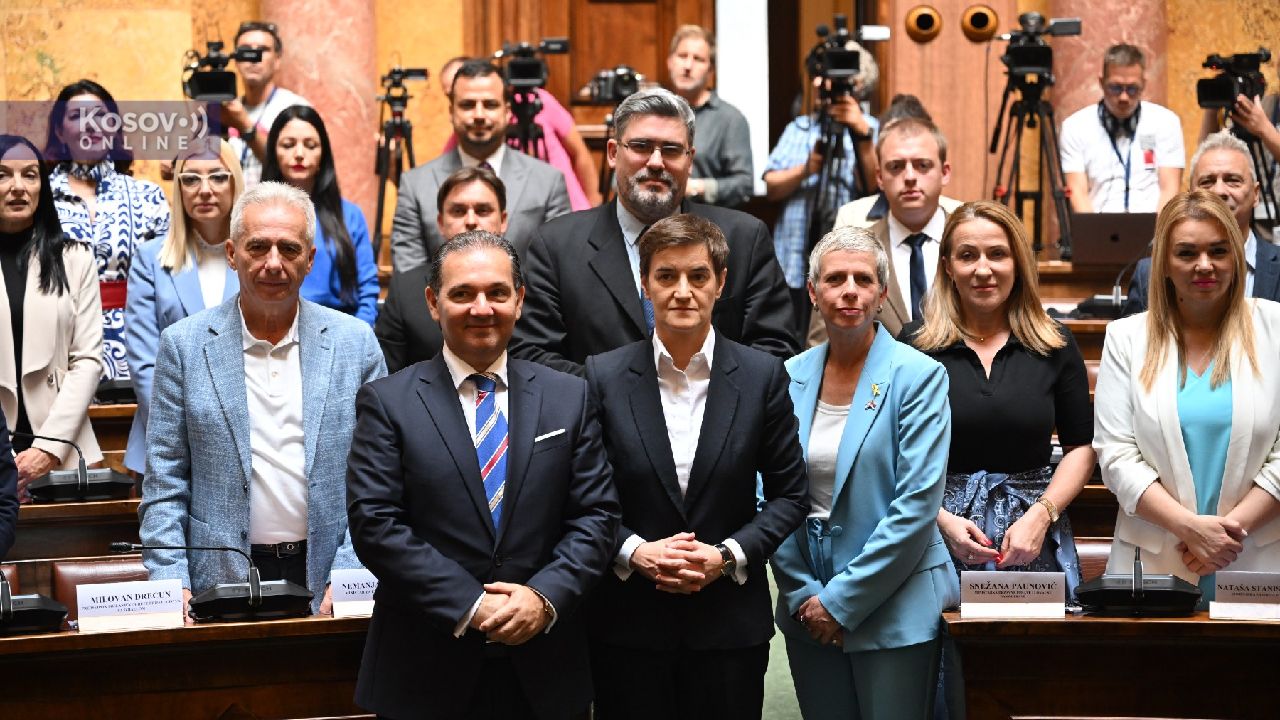
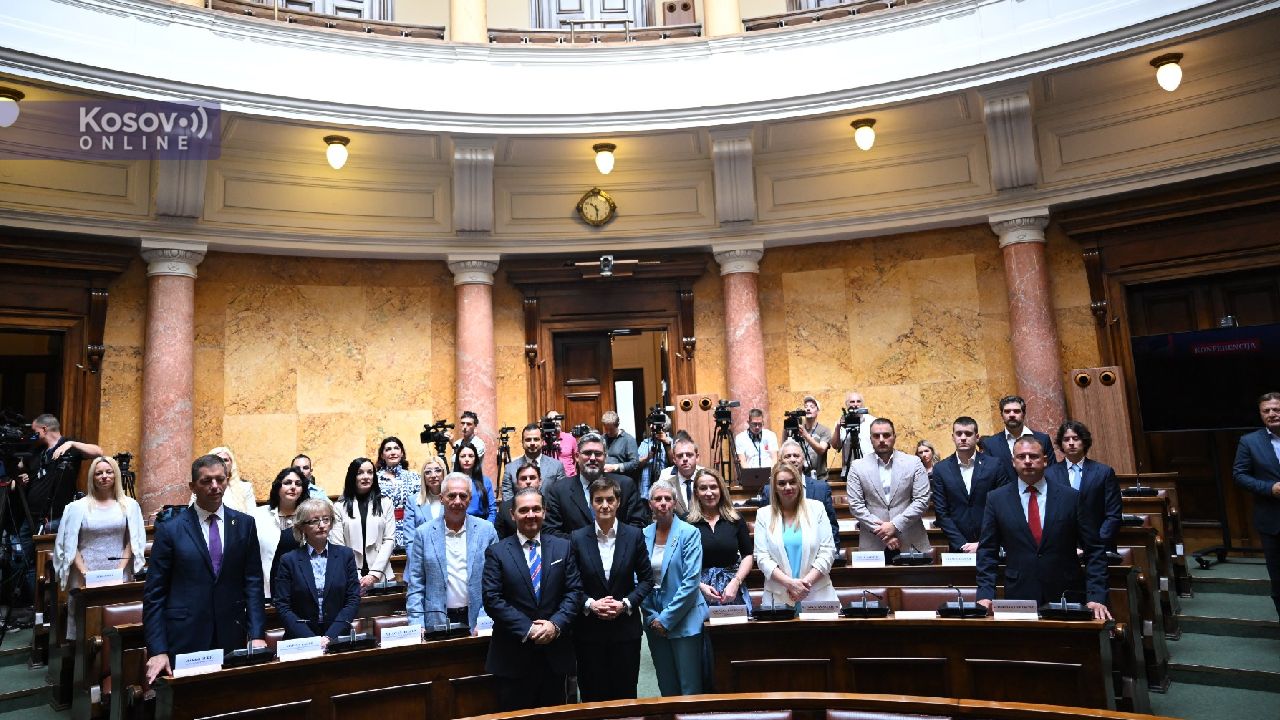
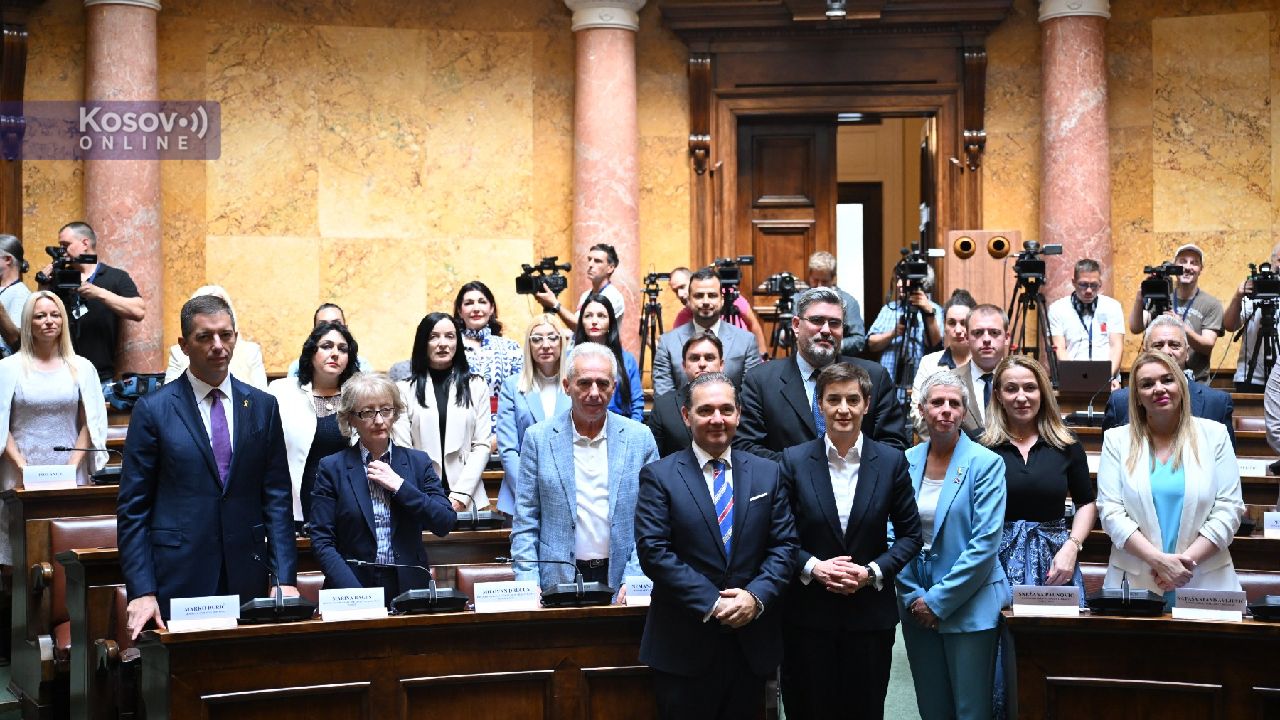
At the opening of the conference, Serbian National Assembly Speaker Ana Brnabic stated that Serbia will continue to pursue a balanced foreign policy, respect for international law, and bridge-building, promoting dialogue and appreciation of diversity.
“The cooperation we are developing should help all of us better understand the challenges and opportunities in our respective regions — and they are increasing by the day. The world today needs dialogue more than ever, and we must understand all perspectives and arguments,” Brnabic said.
She affirmed Serbia’s commitment to preserving peace and stability, especially in its own region, “where history is never lacking.”
“We will always strive to understand and respect different perspectives to reduce tensions,” Brnabic concluded.





comments