
Gjokutaj: CEI has lost the importance it once had
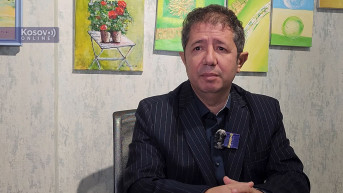
Economic expert from Tirana Eduart Gjokutaj told Kosovo Online that the Central European Initiative has lost the importance it once had and has become less strategic and more technical, since its main space has been taken over by later initiatives such as the Berlin Process and Open Balkan. However, he adds that CEI is built into processes connected with Berlin Process projects and other integration processes.
According to Gjokutaj, the Central European Initiative gives priority to internal developments, helps in dozens of projects, and is a complementary initiative in those aspects not covered by the Berlin Process.
This year, Serbia chaired the Central European Initiative and handed over this duty to Romania yesterday, while Albania held the chairmanship last year.
Gjokutaj notes that CEI does not represent only our region and that this organization, created in 1989, was the oldest one that, apart from the Western Balkans, also includes Moldova and Ukraine.
“The Central European Initiative provided significant assistance to these countries in getting closer to the requirements related to the European market, internal policies, and the approach that these countries need to have in the integration process. Over the years, other agreements important for trade and the economy were created as well, such as CEFTA, which has binding value and differs from CEI, which does not adopt agreements and memorandums but simply guides policies and is complementary. Naturally, the ‘weight’ of CEI has changed, although it remains important in terms of how our governments approach it,” the economic expert stated.
In the functioning of CEI, he sees Italy’s role as very important, as the leading and creative country of this initiative, which wanted the countries of our region to remain close to it.
“If we look at how our countries approach this organization, we understand that CEI itself is no longer as desirable as it once was. If we take the case of Serbia, Belgrade now focuses on those types of agreements and relations that help its exports, since Serbia is an ambitious country when it comes to exporting its products. In that regard, CEI no longer has a primary role. Serbia’s priorities now are the Berlin Process and Open Balkan, for the agreements continued within it, or bilateral agreements Serbia has with Hungary, China, the United Arab Emirates, Turkey, Russia, and other countries,” Gjokutaj said.
He emphasized that CEI, in itself, does not conclude agreements, but is involved in cross-border projects, in increasing administrative capacities, in the modernization of internal policies of countries so they can adapt to EU standards, and it also influences specific areas such as education, science, energy...



0 comments