
Gogic: All Albanian parties are reactive when it comes to the dialogue; they deliver only what they have to
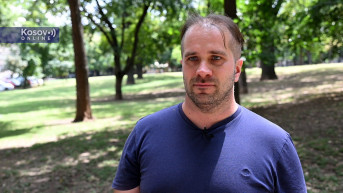
The dialogue with Belgrade is not a political vote-winner for any party in Pristina, and no one in Kosovo stands to gain votes by saying they would take a highly accommodating approach to the dialogue. That is why this issue will not be on the table during inter-party negotiations on the formation of new institutions, according to political scientist Ognjen Gogic.
“The opposite is true—when someone adopts a tougher stance, as Kurti has done, they are rewarded by voters. That is why the opposition has no need whatsoever to state its position on the dialogue during talks on the formation of institutions. They did not have to do so during the election campaign, and they have even less reason to do so now,” Gogic told Kosovo Online.
He notes that following the most recent elections, it has become clear that the current opposition in Kosovo will not assume responsibility for forming the institutions or for governing, placing it in the comfortable position of not having to take a stance on major and difficult issues such as the dialogue with Belgrade.
According to Gogic, Kurti and the opposition are negotiating the conditions under which the opposition would enable the election of Kosovo’s president, and the opposition certainly will not demand that Kurti soften his position towards Belgrade as one of those conditions.
“The opposition has neither any benefit nor any logic in telling Kurti: ‘We will provide the quorum for the presidential election and allow you to consolidate your power, provided that you soften your stance towards Belgrade.’ If they have any room for negotiation at all, they will most likely seek something for themselves—some concession, such as government positions, as was previously speculated,” Gogic said.
He finds it noteworthy that part of the opposition conditioned its support for Kurti on his acceptance of the U.S. request to connect Kosovo to the infrastructure intended to supply it with liquefied natural gas. In Gogic’s view, the opposition knows that Kurti will not accept this proposal, but is using it in the negotiations to send a message to the United States and curry favour with Washington, believing that such a stance will be rewarded by the Americans.
“If they were to take the same approach regarding Brussels and the dialogue, they would be rewarded neither by Albanian voters nor by the European Union. The EU does require the normalisation of relations, but this is not something that must be resolved immediately, nor is it subject to constant pressure from Brussels. From time to time, Brussels calls for lower-level negotiations and the conclusion of individual agreements, such as those concerning the Law on Foreigners and various facilitations, but Kosovo is not currently being directly conditioned that it cannot take the next step towards European integration without normalising relations,” Gogic assessed.
Nor, he added, is progress in the dialogue with Belgrade currently a condition for receiving funding under the EU Growth Plan. Instead, the key requirement is the implementation of domestic reforms.
“The dialogue is not an urgent issue requiring political parties to take a position at all costs. In general, all Albanian parties follow the same principle—they are reactive when it comes to the dialogue. They deliver only as much as they have to, and only when they have to. No one will proactively say, ‘Let us ingratiate ourselves with Brussels by announcing that we are abandoning all our conditions for talks with Belgrade.’ That simply would not be rewarded,” Gogic believes.
The conditions regarding the dialogue that Kurti has repeatedly put forward, he notes, concern meetings at the highest political level with President Vučic. Although such a meeting has not taken place for years, the dialogue has nevertheless continued at a lower level through discussions on issues such as missing persons and the Law on Foreigners.
According to Gogic, the opposition currently has more pressing concerns than Kosovo’s policy or the policy Kurti will pursue towards Serbia. Its primary concern, he concludes, is its own political survival.



0 comments