
Graovac: Kurti wants the dialogue to fail in order to annex Kosovo to Albania
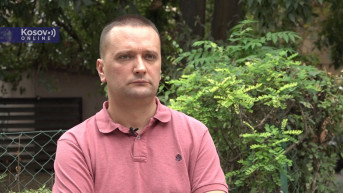
An analyst from the Center for Social Stability, Srdjan Graovac, expects that in today's separate meetings of European leaders with Serbian President Aleksandar Vucic and Kosovo Prime Minister Albin Kurti in Brussels, the key topic will be the Community of Serb-majority Municipalities. However, he is not optimistic that the outcomes of these discussions will be significant because, as he points out, the Albanian side's goal is for the dialogue to fail.
"We cannot exclude the possibility that Western officials will also try to push through something additional besides the CSM that might potentially appease Kurti to show a higher degree of cooperativeness, which, of course, would be to our detriment. The CSM will be on the table, but they will likely try to slip something else alongside it. When it comes to the Community, it is evident that there will be an offer that was not originally intended to be presented to Belgrade and Pristina in this way because the proposal for the establishment and competencies of the CSM is supposed to be given by the Management Team, as defined in the Brussels agreements," Graovac says to Kosovo Online.
Regarding the messages coming from Pristina that the Community of Serb-majority Municipalities will not be the topic of discussion in Brussels and that there will be no continuation of the dialogue until sanctions are imposed on Serbia due to the events in Banjska, Graovac points out that Kurti will not implement the CSM.
"Kurti approaches the issue of the CSM, and now the issue of the presence of Kosovo Special Forces with long guns in the north, through the lens of achieving his strategic political goals, as well as through the prism of the upcoming elections. He has achieved significant success within the Albanian public by bringing those 'long guns' to the north and not implementing the CSM, and it is unlikely that he will change anything in his views and actions now that elections are expected in Kosovo. It is clear that Kurti has a stronger position compared to his political opponents and will want to materialize it. It is not in his interest to make concessions or take actions that would damage his popularity with the Albanian public. That's why Kurti does not want to discuss the CSM or withdraw the 'long guns' because it is not in his or his political option's interest," Graovac believes.
He adds that Kurti's long-term strategic goals include causing the failure of the dialogue and reminds that even before coming to power, he stated that negotiations were not in the Albanians' interest, and the only thing they wanted from Belgrade was recognition.
"Kurti is very much aware that this will not happen, so he understands that any negotiations with Belgrade only mean making concessions, and they do not benefit from it. That's why he obstructed the talks between Belgrade and Pristina from the beginning, and he is someone who will do everything to prevent any compromise. Because the moment the dialogue fails, Kurti could then seek direct Western support for Kosovo's annexation to Albania. This is his strategic policy, and he sees that it can happen if it turns out that an agreement between Belgrade and Pristina is impossible, and then, as the only possible solution for the Kosovo conflict, offers annexation to Albania. Kosovo, through Albania, would then have a place in the United Nations, and the key problems in shaping a false Kosovo statehood would be resolved. We shouldn't be deceived; what they lack most is a place in the UN. That's why Kurti is playing the card of rejecting any dialogue," Graovac believes.
He points out that in recent months, there has been no discussion of progress in the dialogue but solely about calming tensions in the north, which was an indicator of the situation in which the Serbs find themselves, and that an escalation of conflict is possible in Kosovo.
"It is good that there is a return to the negotiating table in some way, that we talk less about weapons, about a warlike solution in the Balkans, that tensions subside, and this can only happen through dialogue. We cannot expect significant success from today's discussions in Brussels, but we can expect them to serve as an impetus for further talks, which should primarily aim at calming the situation in Kosovo, primarily referring to the withdrawal of Special Forces with long guns," Graovac concludes.


0 comments