
Koka: Because of the conflict in Ukraine, the EU believes exceptions are needed in accession conditions
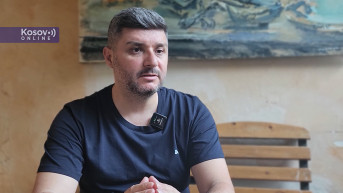
The Editor-in-chief of Syri TV from Tirana, Bledian Koka, stated that since the beginning of the conflict in Ukraine in 2022, the European Union has believed it is necessary to make exceptions to standard accession conditions for countries it considers important, that is, for the “security belt of the Union,” and noted that there appears to be a kind of softer approach toward candidates such as Albania and Serbia, despite the problems they face.
“We are speaking after the intergovernmental conference between Albania and the EU, which decided to certify IBAR regarding the key chapters on integration. Despite the conditions, that certification took place. This means that this is a consequence of the EU’s need to expand, even though the standards may not be what is expected in Brussels. In the case of Albania, we remember that two months ago the IBAR process was blocked because of the position taken by EU embassies in Tirana after the decision not to lift the immunity of the deputy prime minister, who is under indictment by the Special Prosecution for Corruption. Although the issue was not resolved as the prosecution requested, the Union moved past it, and Albania was advised that in other similar cases it should allow the prosecution to act and proceed according to the law. Therefore, it seems that there is a kind of softening by the EU toward candidates, especially toward problematic countries, and by that I mean Albania because of its internal problems with corruption and the fight against organized crime, and Serbia because of its dual approach, which is simultaneously pro-European and pro-Russian,” Koka told Kosovo Online.
He believes that the proposal by Albanian Prime Minister Edi Rama and Serbian President Aleksandar Vucic for admission into the single European market without full integration into the EU is an attempt to avoid blockage over the Kosovo issue.
According to him, the positions of Vucic and Rama are coordinated both with each other and with EU member states in order to avoid skepticism among the European public regarding the Kosovo issue.
“So, member states are being told that the Western Balkan countries can indeed join quickly, but that those countries will not have additional privileges except those provided by EU membership. They will not have veto rights, as could be the case with Serbia or Albania, because that could create problems due to the Kosovo issue. That is the reason for the position of the two countries – to avoid any possible blockade that one or the other could cause because of the problems we have had for centuries. Therefore, I think the EU is handling this moment very carefully, but all of this is happening because of geostrategic necessity and in order to create a guarantee belt for the Union in the difficult times that not only Europe or Russia, but the whole world, are going through,” Koka said.
He noted that negotiations between the EU and candidates are not just about filling out forms, but are a process confirmed when member states believe that the necessary standards have been achieved.
Because of the problems Albania faces regarding the judiciary, the environment, and food quality control, Koka believes that closing accession negotiations by next year is impossible.
“I think completing the integration process will require more time, and what is more concerning is not the skepticism of the public in member states, but the willingness and ability of the candidates to reach the standards. And we are at the beginning of this process or have not even started yet. If there were a real assessment of what is happening in Albania, I think we would struggle to accomplish this, and it seems likely that we will face problems in the coming months,” Koka added.
He is also convinced that if the process is based solely on merit, no candidate from the region will be able to progress quickly.
“We have problems in other chapters that are equally important and determine whether countries aspiring to membership have the opportunity to join the EU or not. After the latest EU-Albania intergovernmental meeting, both Albanian Prime Minister Edi Rama and especially Enlargement Commissioner Marta Kos emphasized that no country can go further than what is called ‘merit-based membership.’ If it is about merit, then neither Albania nor Serbia, and perhaps not Montenegro or Macedonia either, can move forward in this direction,” Koka concluded.


0 comments