
Lazovic: Murals as seals of time, perhaps painted over but likely to reappear elsewhere
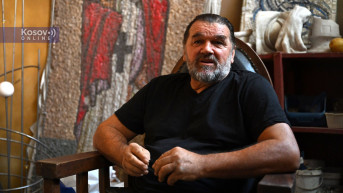
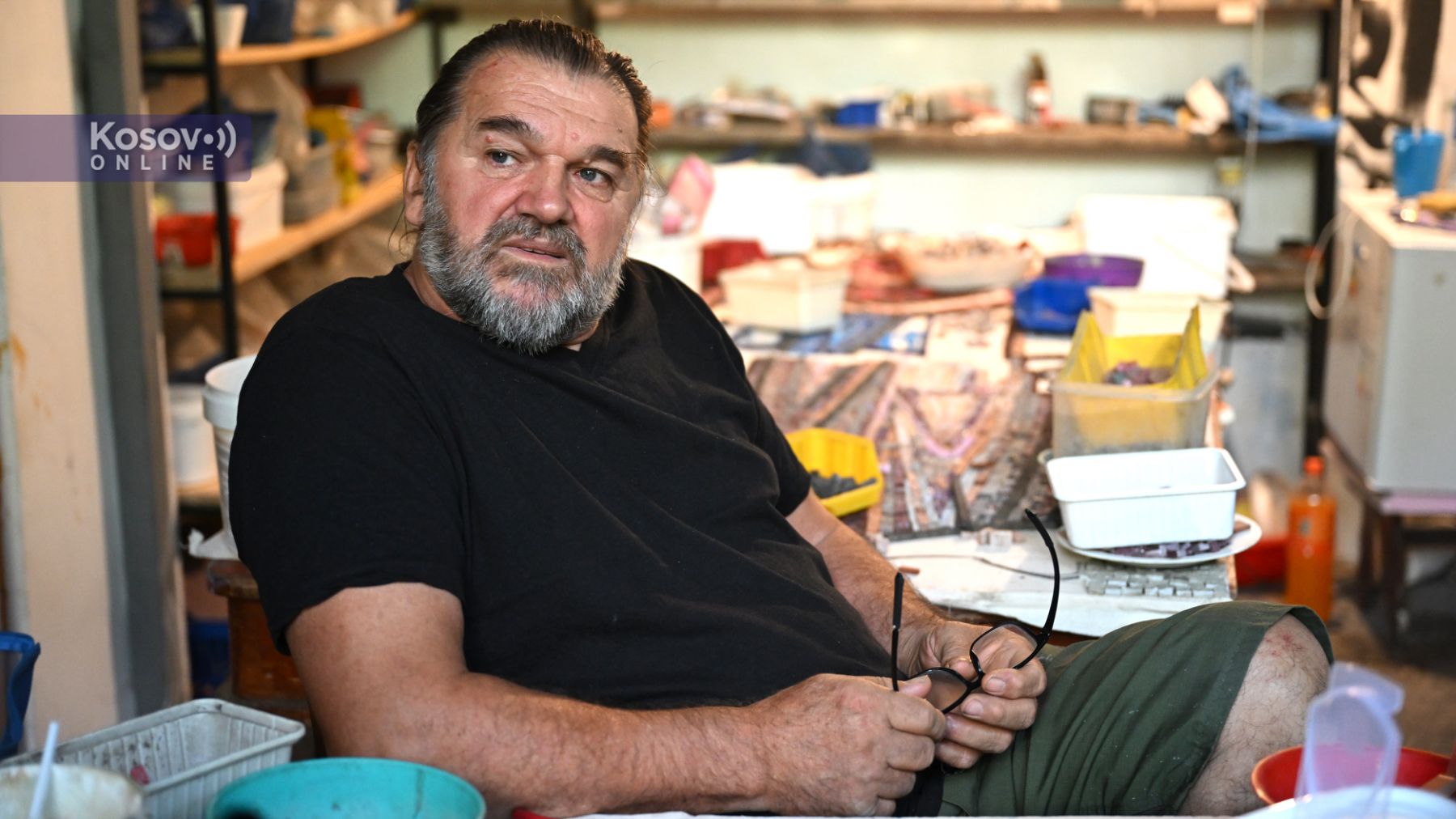
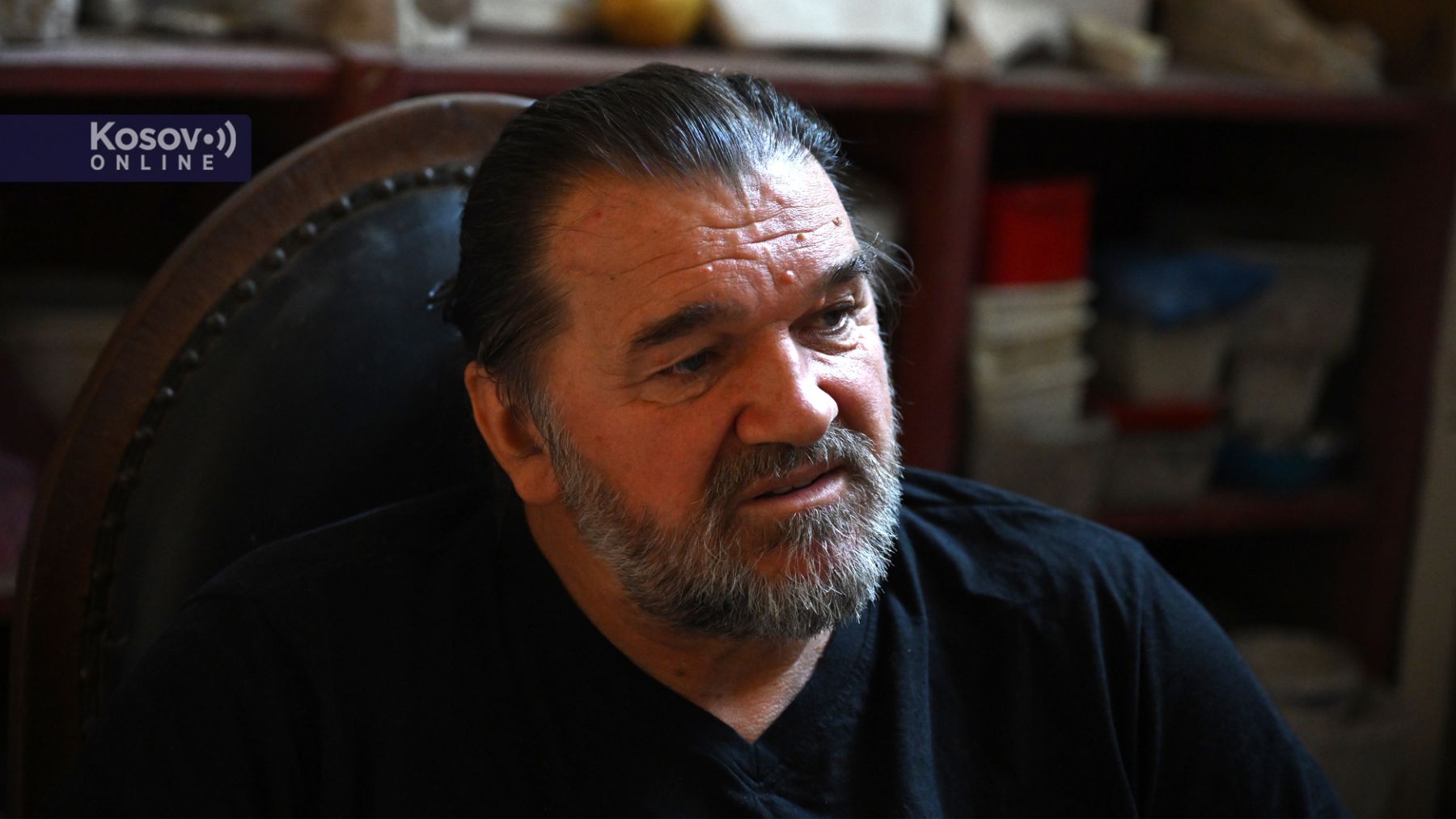
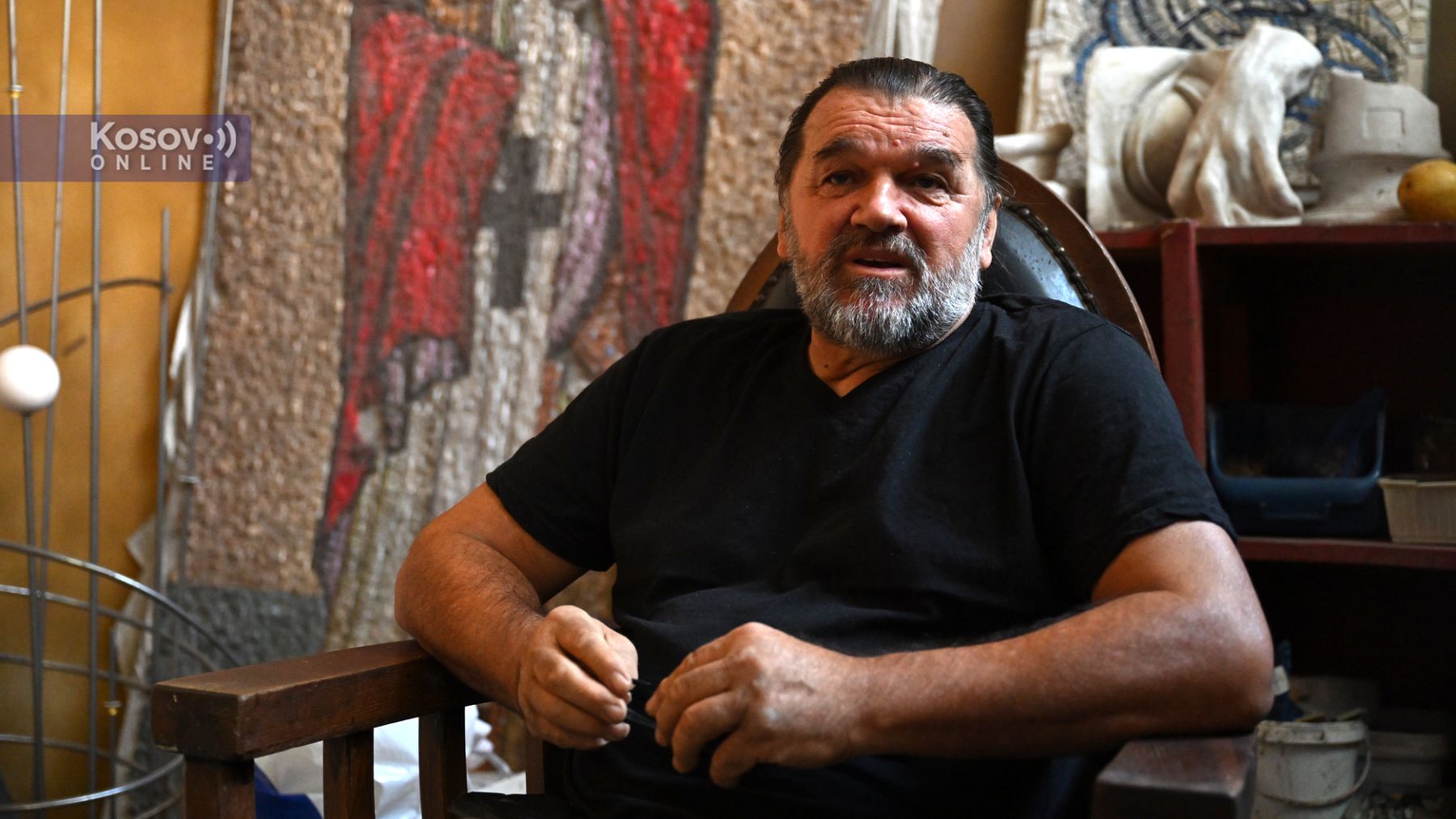
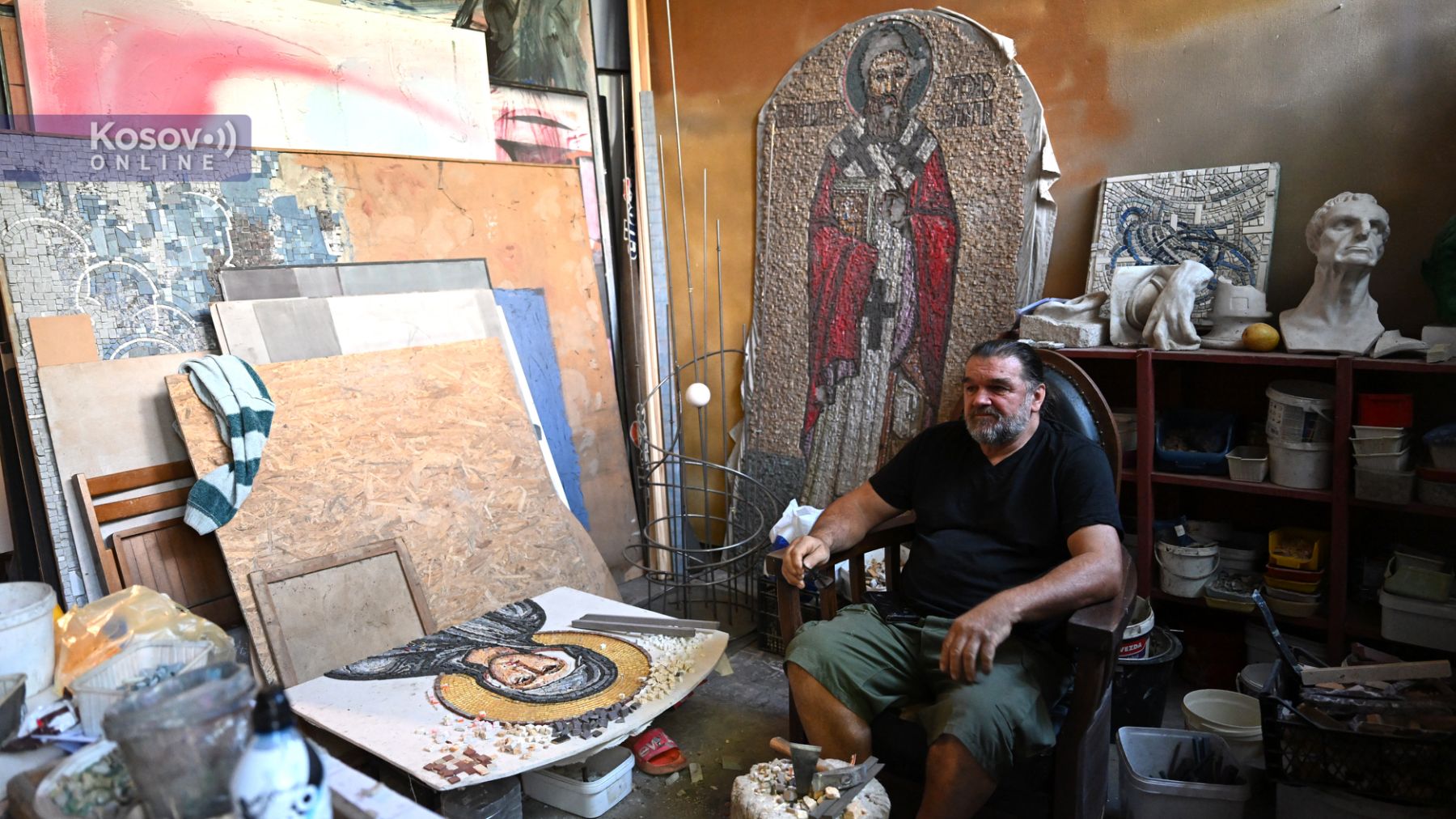
Painter and retired professor at the Faculty of Applied Arts in Belgrade, Miroslav Lazovic, told Kosovo Online that murals are a kind of seal of time, and he described the repainting of portraits of Patriarch Pavle and Metropolitan Amfilohije in North Mitrovica as a catastrophic act, “as if someone had whitewashed the Altamira cave.”
In Lazovic’s view, depicting Amfilohije and Patriarch Pavle on a mural is not provocative in any way. He believes that the mural in Dečani, dedicated to KLA members and painted shortly after the murals in the north were covered up, was done deliberately.
“The figures of Patriarch Pavle and Amfilohije on murals are significant for our Serbian being, because they are probably future saints, and because they devoted their lives to the Church and, most of all, perhaps to Kosovo. They are part of the being and identity of the Serbian people, who are becoming fewer in number and who cling to symbols of their roots and foundations. Furthermore, Kosovo is known for its many monasteries and medieval art, so it is only logical that modern times should also leave something behind,” said Lazovic, who is himself a mural painter. He emphasized that murals are important for the places where they are located.
“People often say: ‘Let’s meet at the mural.’ A mural is a seal of time; it does not always represent daily politics, but is tied more to universal things. And these church figures of ours have also become universal — as symbols of our faith. I always told my students not to paint everyday or ordinary things, but to make the person on the mural universal, somewhat stylized, abstracted. These are general values that carry a kind of monumentality in expression,” explained the painter.
According to him, when someone stands before a mural, they bring their own aesthetic sensibility, and this type of art “also educates people to some extent.”
Lazovic sees the repainting of numerous murals in Serbian municipalities in northern Kosovo last week as a harmful act, one that will negatively affect the attitudes of the people living there.
“The eye will search for a mural, and I think it will probably reappear elsewhere,” he predicted.
He recalled that he once painted murals in Essen, Germany, where he depicted miners as symbols of that mining region.
“They are the reason the area is wealthy, and every child there will know who created the Ruhr region. And what are the symbols of Kosovo? When I think of Kosovo, I often first recall Patriarch Pavle and Amfilohije, who devoted his entire life to Kosovo and its people. Perhaps the act of destroying murals is catastrophic — like if someone were to whitewash the Altamira cave, where we can see what people did, what they hunted, what animals existed 30,000 years ago, or who knows how long ago,” he noted.
He added that it is time itself that crystallizes something into a symbol.
“Removing crosses from churches and monasteries and erasing our saints is truly worse than a bomb,” Lazovic concluded.






comments