
Maliqi: Osmani has become a better interlocutor for Western ambassadors than Kurti
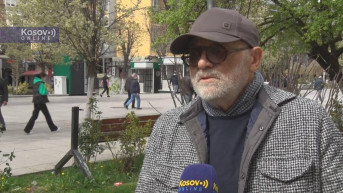
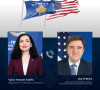
Political analyst Shkelzen Maliqi says that Kosovo President Vjosa Osmani is a better interlocutor for Western ambassadors and envoys than Albin Kurti and that her position is that Kosovo should fulfill all obligations from the dialogue with Belgrade, and she is trying to be constructive in that sense.
"Kurti agreed to the Ohrid Agreement and implementation measures, but it is not being done as foreign factors, especially the EU, envisioned it, and Osmani is trying to be constructive, although Kurti himself has retreated a bit. He counted on winning the game with Vucic and that the CSM wouldn't be formed because his entire career was built on opposing it. However, now is the last moment to clarify that. There may still be some room for a month or two, if not to form the CSM immediately, then at least to start with it. There are always some delays around that issue, and it could be resolved faster. It seems that the address everyone is now pressuring is Vjosa Osmani," Maliqi says.
Regarding three years of Osmani's term as President of Kosovo, Maliqi reminds that she contributed a lot to Kurti winning the 2021 elections with an overwhelming majority of over 50% of the votes because she split her party, the Democratic League of Kosovo, into two parts. As he says, nearly half of those who were with her voted against Hashim Thaci as an old-guard politician.
"Vjosa is a president who didn't cause many problems for anyone, but in the last year, she has started to 'wake up.' There is also the influence of Western factors that had a lot of problems with Kurti because of his constant tensions towards Serbs in the north, and all these security crises arose because Kurti did not want to wait or agree first with ambassadors and major powers on how to implement some measures that were agreed earlier, such as license plates. Osmani has become a better interlocutor for Western ambassadors and envoys who come. It is now a new game because it is obvious that there will be elections. There will definitely be elections in 11 months, and maybe even early ones," Maliqi says.
He reminds that Osmani said two months ago that the government of Albin Kurti and she often have different views on certain issues, but that she didn't "make waves" much.
"She probably thought it was beneficial for her because Kurti gained popularity with a populist narrative: 'We are conquering the north,' which might have seemed to her that it would harm her voters. Now, however, it has become a serious issue because of EU sanctions and because diplomats refuse to meet with Kurti, and she has started to be a replacement. We'll see how this unfolds," Maliqi says.


0 comments